


 Deutsch
 English
 Español
 Français
 Nederlands
 Português


 Share
Share




JAKARTA — A sweeping fuel price drop across Southeast Asia is reshaping household budgets and logistics costs this week, as the August 24, 2026 reopening of the Strait of Hormuz under the US-Iran interim agreement continues to unwind the worst energy shock since the 1970s. In Indonesia, Vietnam, Thailand, and the Philippines, pump prices for gasoline and diesel have fallen by 12–18% from their March peaks, according to government data reviewed by Informed Clearly.
Why fuel prices are falling across Southeast Asia
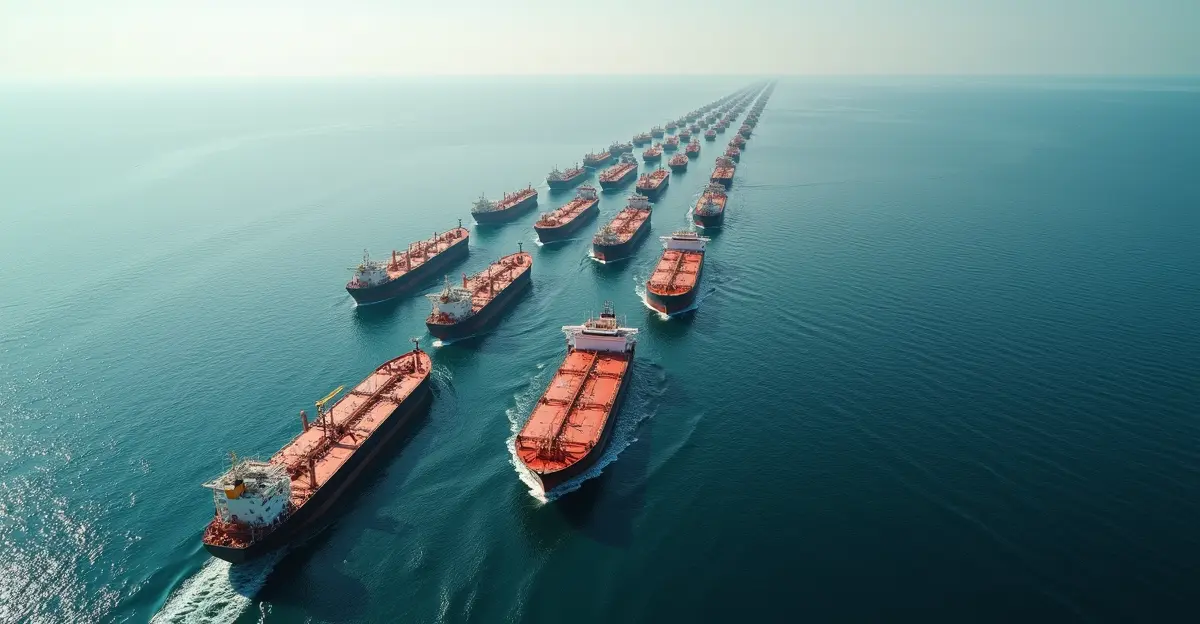
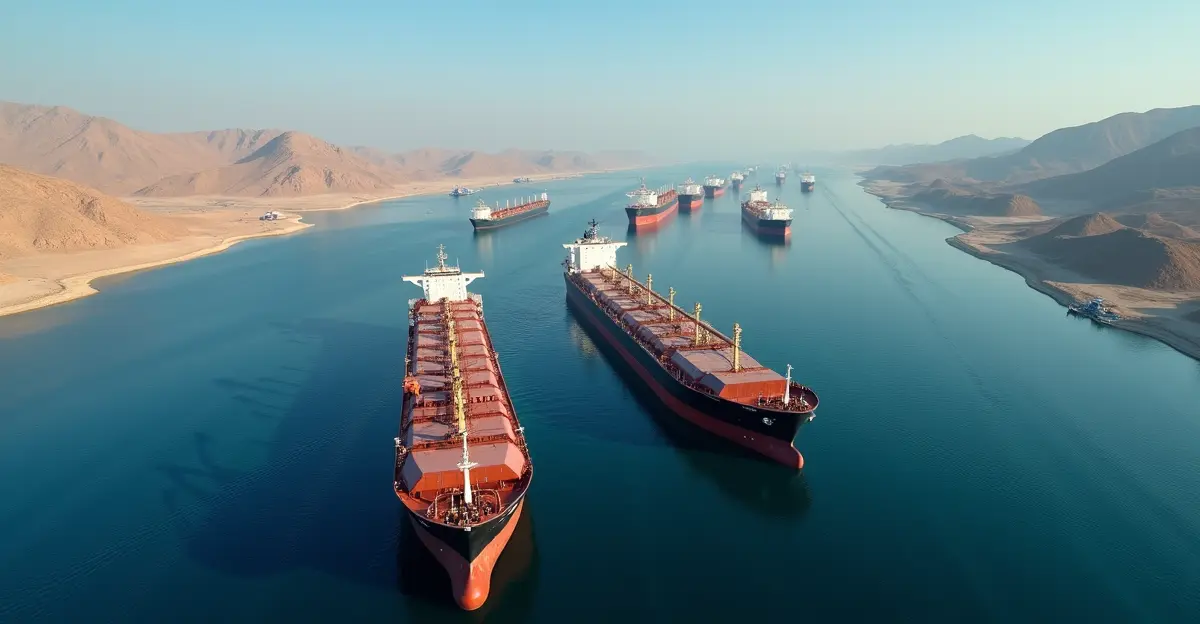
The June 18, 2026 US-Iran interim deal reopened the chokepoint that carries roughly 20% of the world's oil and LNG. For months, the closure of the Strait of Hormuz had forced Asian importers to reroute crude around the Cape of Good Hope, adding weeks of transit time and billions in freight costs.
Brent crude peaked at $118.35 per barrel on March 31, 2026, before easing to $71.57 by July 1 and stabilizing near $96.78 on July 24. By late August, regional benchmarks had fallen further, translating directly into lower pump prices across ASEAN economies.
Country-by-country impact
The fuel price drop is uneven, reflecting each country's subsidy policies, tax rates, and import mix. Below is a snapshot of August 2026 pump prices compared with March peaks.
| Country | Fuel | Price Aug 2026 | Change from March peak |
|---|---|---|---|
| Indonesia | Pertamax (RON 92) | 12,300 IDR/L | -18% |
| Vietnam | RON 95-III | 22,150 VND/L | -15% |
| Thailand | Diesel | 31.40 THB/L | -13% |
| Philippines | Diesel | 58.20 PHP/L | -12% |
Indonesia
Pertamina cut subsidized Pertalite by 1,200 rupiah per liter on August 21, while non-subsidized Pertamax fell to 12,300 rupiah. Analysts expect another reduction in September if Brent holds below $90. The cuts also reignite debate over Indonesia's fuel subsidy reform, with economists urging the government to use the window to phase out costly subsidies.
Vietnam
Vietnam's Ministry of Industry and Trade lowered RON 95-III gasoline by 650 dong per liter on August 22, the fourth consecutive cut since the Hormuz reopening. Transport firms in Ho Chi Minh City report a 9% drop in monthly fuel bills.
Thailand
Thailand's Energy Policy Administration Committee reduced diesel by 0.80 baht per liter, with gasoline down 1.10 baht. The cuts come as the government extends its diesel excise tax relief through October.
What the US-Iran deal means for energy security
The price relief is welcome, but energy security experts warn that Southeast Asia remains dangerously exposed. The Asian Development Bank estimates the 2026 conflict could cut regional GDP growth by 0.4–0.7 percentage points in 2026 through higher energy prices, supply chain disruptions, and weaker remittances.
"Southeast Asia has been reminded that it imports 75% of its oil from the Gulf. The reopening of Hormuz is not a permanent fix; it is a temporary reprieve," said Rina Kartasasmita, an energy economist at the Jakarta-based ASEAN Energy Centre.
Governments are now accelerating ASEAN energy diversification plans, including LNG import terminals, renewables, and strategic petroleum reserves. Indonesia and Vietnam have announced joint tenders for floating storage units, while Thailand fast-tracked its 5-gigawatt solar-plus-storage pipeline.
FAQ: Your questions answered
Why did fuel prices drop in Southeast Asia in August 2026?
The US-Iran interim deal reopened the Strait of Hormuz, restoring normal crude and LNG flows and reversing the war-driven price spike.
How much have fuel prices fallen?
Gasoline and diesel prices across Indonesia, Vietnam, Thailand, and the Philippines fell 12–18% from March 2026 peaks, with further cuts expected.
Will fuel prices keep falling?
Most analysts expect prices to stabilize near current levels unless Brent crude drops below $85 per barrel or Asian demand weakens further.
Is Southeast Asia still at risk of energy shortages?
Yes. The region imports most of its oil from the Gulf, and any renewed closure of the Strait of Hormuz would quickly reverse the gains.


Follow Discussion