


 Deutsch
 English
 Español
 Français
 Nederlands
 Português


 Share
Share




The 2026 Middle East escalation has forced major forecasters including S&P Global to raise inflation projections and lower growth estimates worldwide, rewriting global oil and energy forecasts. In early March 2026, coordinated U.S.-Israel strikes on Iranian targets and the subsequent closure of the Strait of Hormuz sent Brent crude surging past $120 per barrel. The shock has diverged sharply from consensus at the start of 2026, when forecasters expected stable oil near $60 and gradual disinflation.
What Is Driving the 2026 Middle East Escalation?
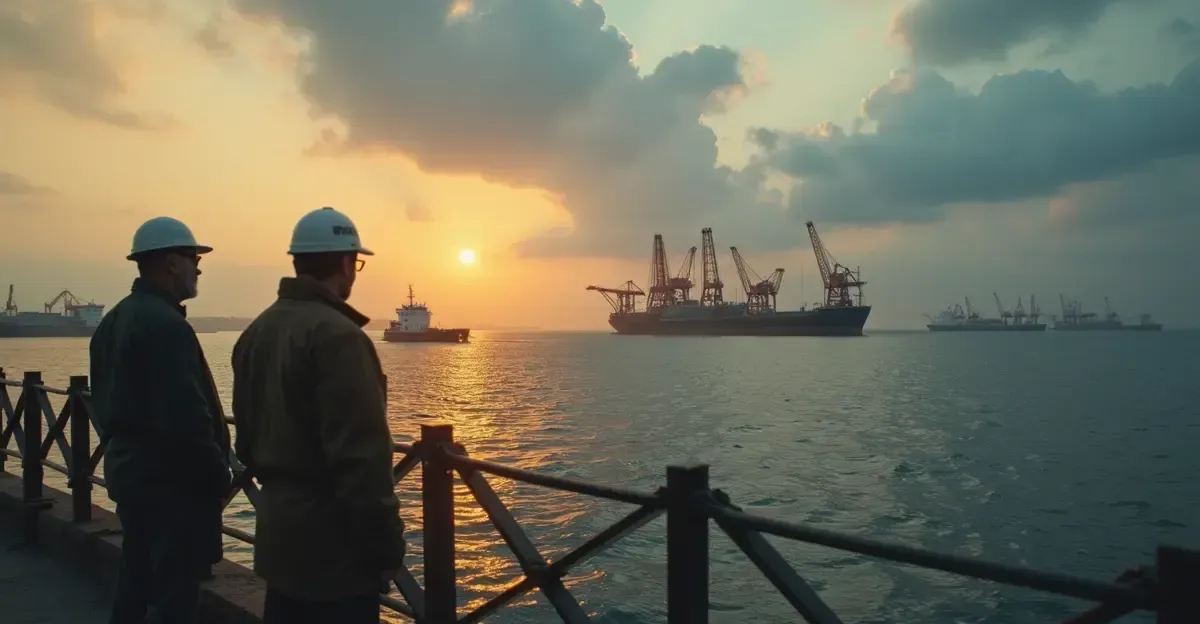
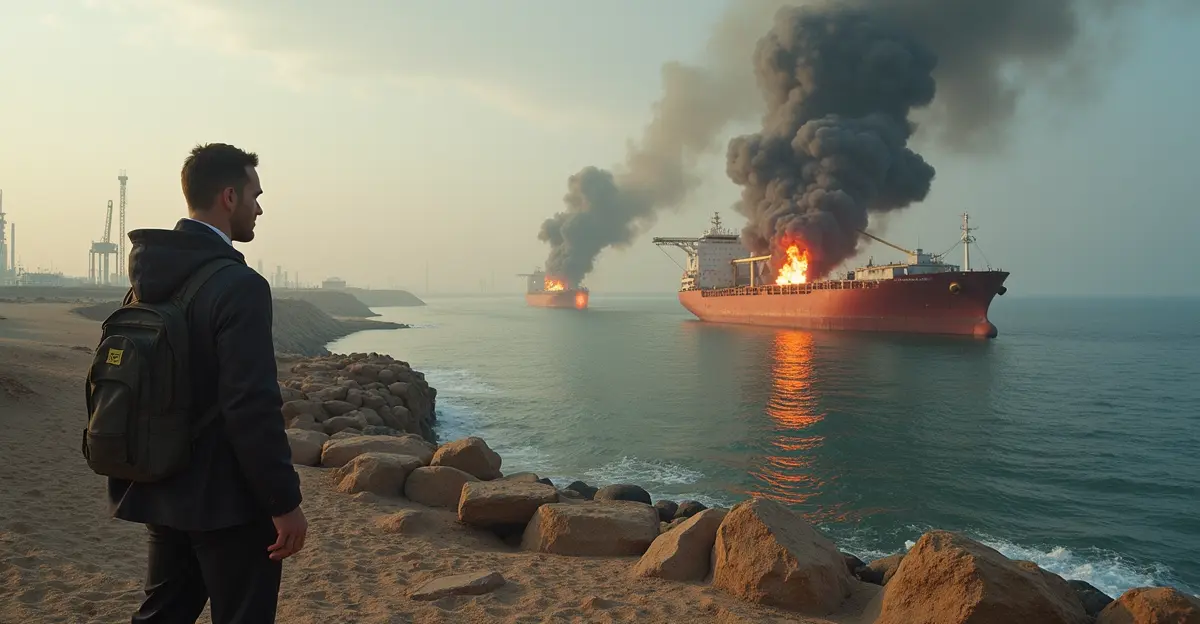
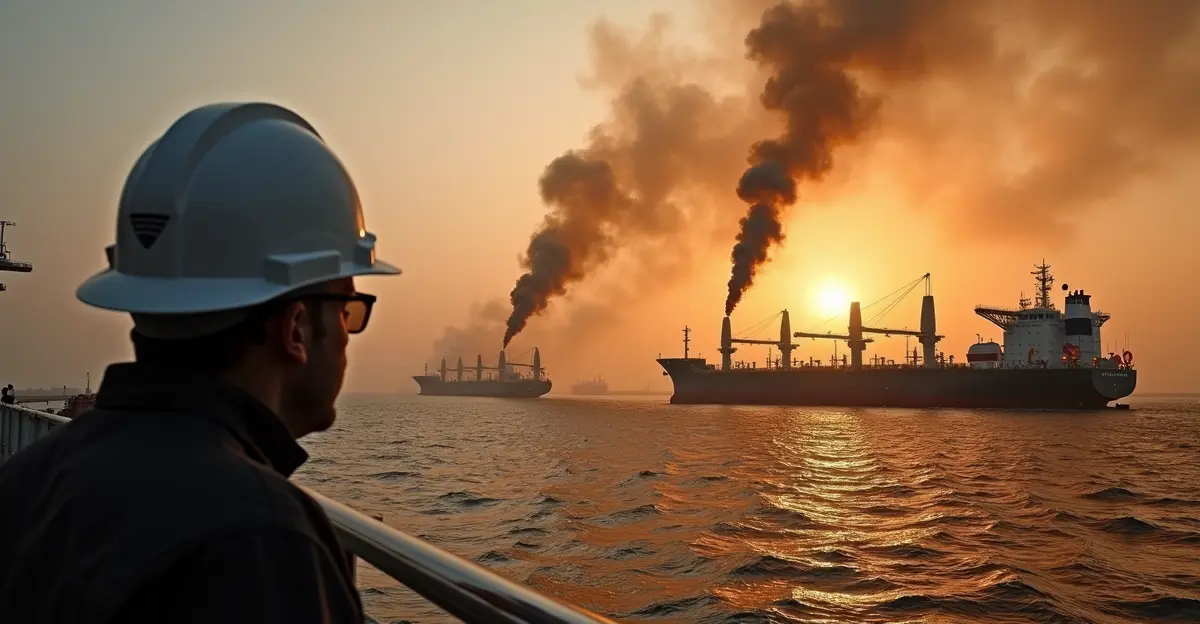
On February 28, 2026, U.S. and Israeli forces struck Iranian military and energy infrastructure, according to Statista. Iran retaliated, and by March 4 the Strait of Hormuz was effectively closed to commercial shipping. The strait carries roughly 20% of global crude and a significant share of LNG exports from Qatar and the UAE. Strait of Hormuz shipping risk has soared, with war-risk premiums and insurance costs spiking. The US-Israel-Iran conflict timeline has moved faster than any scenario modeled by central banks in January 2026.
How the Conflict Is Reshaping Oil and LNG Price Benchmarks
Crude Oil: Brent Surges Past $120
Brent crude whipsawed from around $60 before the conflict to above $120 in early March, before settling in the $80–$90 range, according to Cushman & Wakefield. Oil production from Kuwait, Iraq, Saudi Arabia, and the UAE collectively dropped by at least 10 million barrels per day by March 12. QatarEnergy declared force majeure on all exports. The IEA called it the largest supply disruption in the history of the global oil market.
LNG: First Supply Contraction in a Decade
The de facto closure removed nearly 20% of global LNG supply, according to the IEA Gas Market Report Q2-2026. Global LNG production contracted 8% in March as Qatari and UAE loadings fell by 9.5 billion cubic meters. The global LNG supply outlook has deteriorated sharply: Shell warns that 2026 LNG trade growth could be flat or negative, the first contraction in over a decade. European benchmark TTF and Asian JKM prices hit their highest levels since 2022/23.
Energy Security Strategies Across Asia and Europe
Asian governments are responding with export restrictions, price caps, and strategic reserve releases, as noted by maritime risk firm Ambrey. The conflict has moved beyond a price shock into a supply problem, Ambrey reported. In Europe, the Europe energy security strategy is pivoting toward U.S. LNG, pipeline diversification, and accelerated renewables. The EU's ACER confirmed that the Strait of Hormuz closure is central to global gas trade, with Qatar and the UAE key suppliers.
Durable Repricing or Transient Shock?
Economists are split. Historical oil shocks show prices often spike then fade, but the physical closure of Hormuz is unprecedented since the 1980s. The IMF in July revised 2026 global GDP growth to 3% and 3.4% for 2027, arguing AI-driven demand offsets the oil shock. However, the global inflation forecast 2026 remains elevated: Cushman & Wakefield estimates a sustained $30 oil rise adds about 0.5 percentage points to U.S. PCE inflation. Central banks are weighing whether to delay rate cuts. The central bank inflation response will determine whether this becomes a durable repricing of the global energy order or a transient shock that economies absorb.
Expert Perspectives
The conflict has materially changed near-term economic outlooks within the last month, said a senior S&P Global analyst in March. Inflation forecasts are being revised upward across nearly every major economy. The S&P 500, after falling to 6,316.91 on March 30, recovered 17.3% by July 24, suggesting markets price a temporary disruption.
Frequently Asked Questions
What caused the 2026 Middle East escalation?
Coordinated U.S.-Israel strikes on Iran on February 28, 2026, followed by Iran's retaliation and the closure of the Strait of Hormuz on March 4.
How has the Strait of Hormuz closure affected oil prices?
Brent crude surged from about $60 to above $120 per barrel, then settled between $80 and $90. The strait carries roughly 20% of global crude.
Are global inflation forecasts being revised upward?
Yes. S&P Global and other forecasters have raised 2026 inflation projections for nearly every major economy, while lowering growth estimates.
Is this a durable energy repricing or a transient shock?
Uncertain. Historical oil shocks often fade within months, but the physical closure of Hormuz and damage to LNG infrastructure could create a lasting supply deficit.
How are Asia and Europe responding to energy insecurity?
Asia is using export controls and reserve releases; Europe is accelerating diversification toward U.S. LNG and renewables.
Conclusion
The 2026 Middle East escalation has rewritten global oil and inflation forecasts, but the durability of the repricing depends on how quickly the Strait of Hormuz reopens and whether central banks can absorb the shock. For now, energy security strategies are being redrawn in real time.
Follow Discussion