


 Deutsch
 English
 Español
 Français
 Nederlands
 Português


 Share
Share




Strait of Hormuz Reopens After Months-Long Blockade
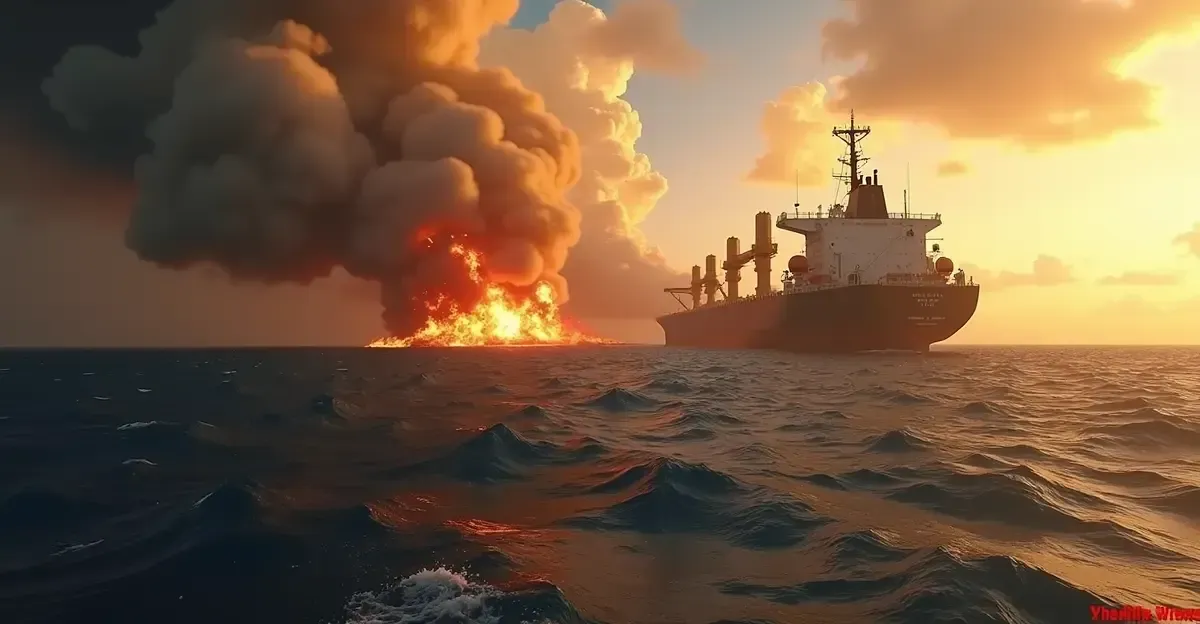
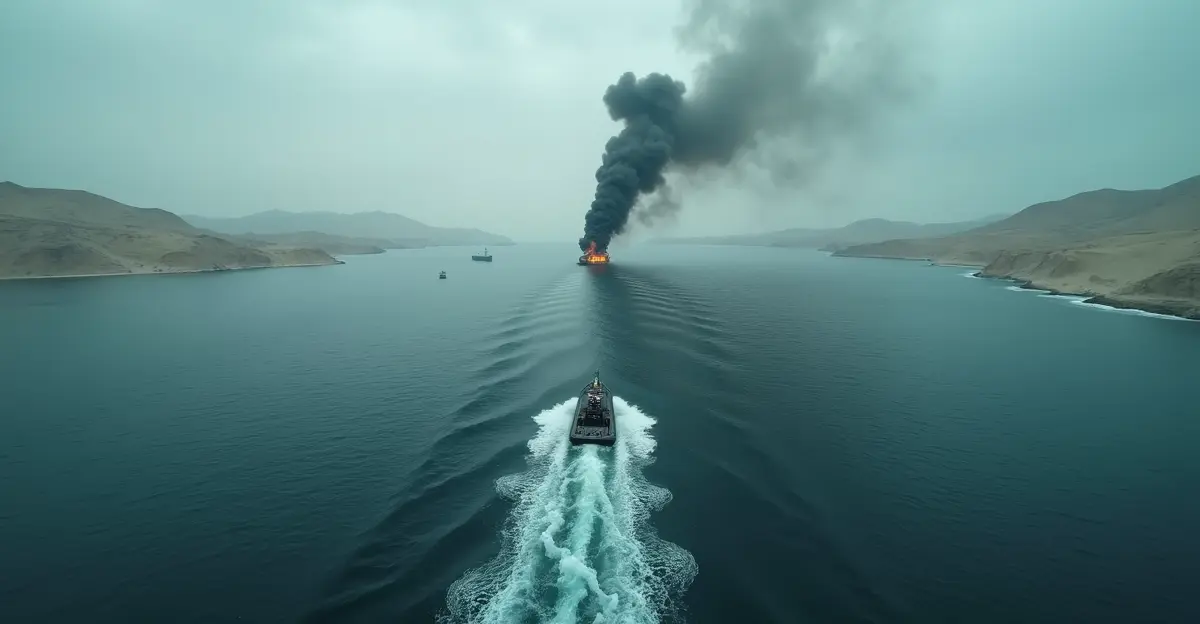
The Strait of Hormuz, a critical chokepoint for global oil shipments, has fully reopened as of late June 2026, ending a four-month naval blockade that sent shockwaves through world energy markets. The blockade, imposed in late February following the US-Israeli military operation in Iran, had cut off approximately 20% of the world's daily oil supply, causing crude prices to spike above $150 per barrel and triggering fuel shortages across Asia and Europe.
The reopening follows a fragile ceasefire brokered by the United Nations and mediated by Qatar and Oman. Under the terms of the agreement, naval patrols have resumed under a multinational task force, and Iranian oil exports are gradually returning to pre-crisis levels. The 2026 global oil crisis has reshaped energy policy worldwide, accelerating investments in renewable alternatives and strategic petroleum reserves.
Background: The Iran Conflict and the Blockade
The crisis began in late February 2026, when the United States and Israel launched a coordinated military operation targeting Iran's nuclear and military infrastructure. The operation included the assassination of Supreme Leader Ali Khamenei, which plunged the country into political chaos. In retaliation, Iran mined the Strait of Hormuz and deployed naval assets to block commercial shipping, effectively shutting the waterway to oil tankers.
The blockade lasted from February 28 to June 20, 2026. During this period, global oil supplies dwindled, and prices soared. The International Energy Agency (IEA) coordinated emergency releases from strategic reserves, but many nations faced severe economic strain. The crisis also exacerbated inflation worldwide, with the IMF estimating a 2.5% drag on global GDP growth for 2026.
Impact on Global Energy Markets
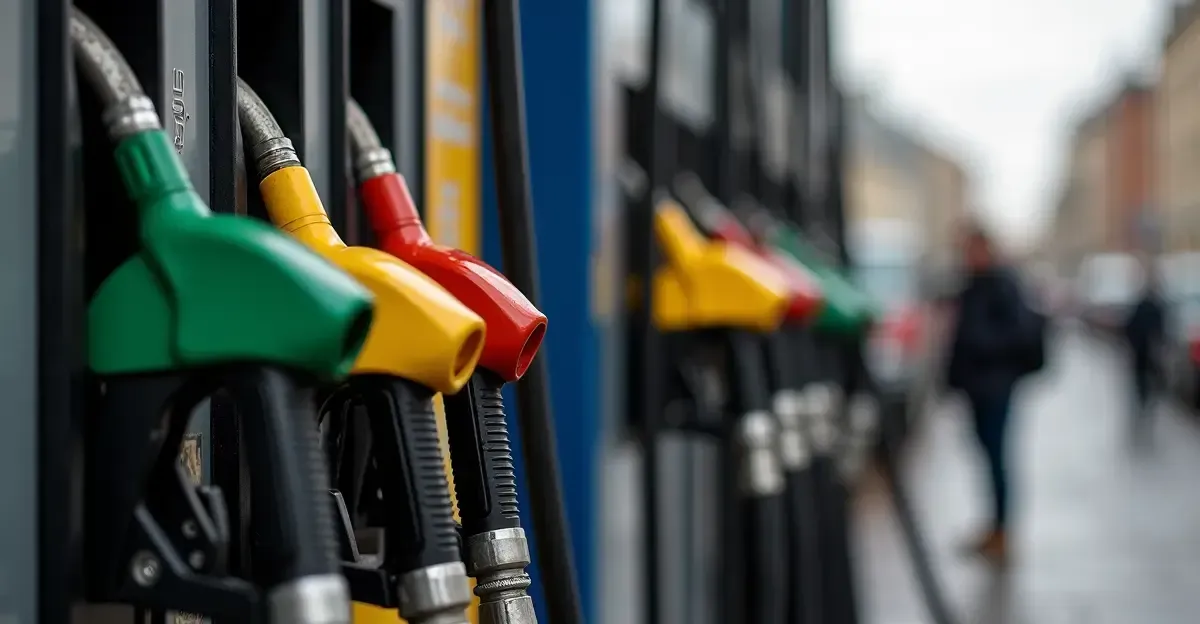
The Strait of Hormuz blockade had immediate and severe consequences. Oil prices hit an all-time high of $158 per barrel on March 15, 2026. Asian economies, heavily reliant on Middle Eastern crude, were hit hardest. Japan, South Korea, and India were forced to ration fuel, while China tapped its strategic reserves to keep refineries running. European nations, already grappling with high energy costs from the Russia-Ukraine conflict, faced additional pressure.
The crisis also accelerated the shift toward renewable energy. In April 2026, the European Union announced a €200 billion package to fast-track solar, wind, and hydrogen projects. Similarly, the US passed the Energy Independence and Security Act of 2026, which provided tax incentives for domestic oil production and electric vehicle adoption. The 2026 energy transition policies are expected to reduce global dependence on fossil fuels significantly.
Humanitarian and Economic Toll
Beyond energy markets, the blockade caused humanitarian crises in several countries. Iran itself faced severe fuel shortages and economic collapse, with the rial losing 80% of its value. The UN reported that 15 million Iranians were in need of urgent humanitarian assistance. In neighboring Iraq and the Gulf states, power outages and water desalination plant shutdowns affected millions.
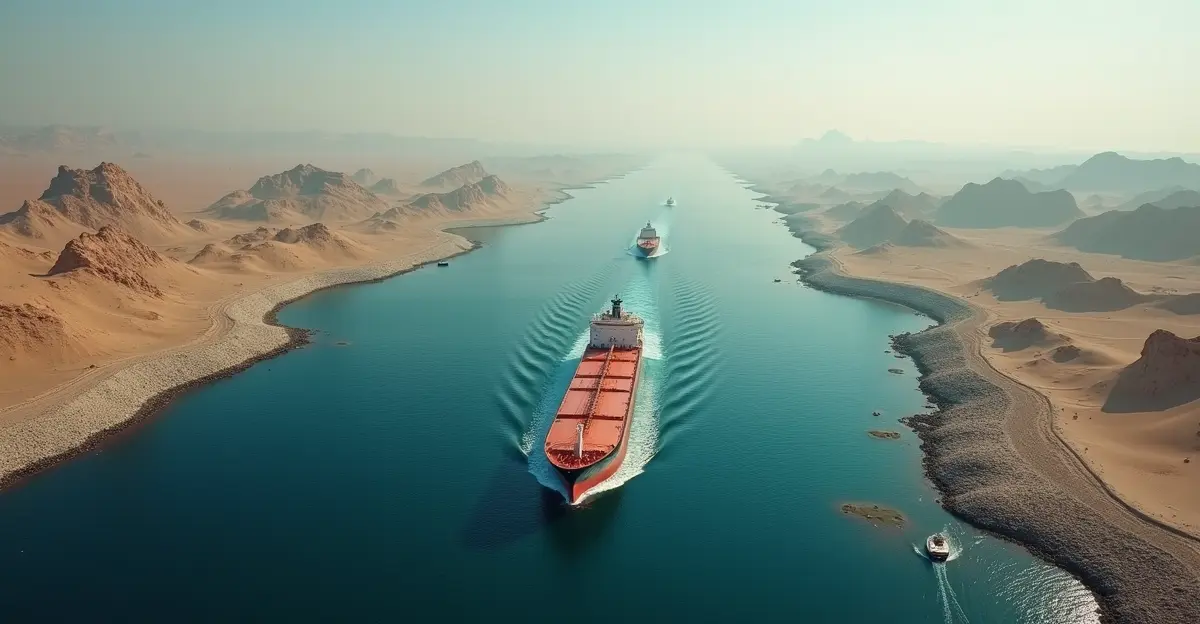
The global shipping industry also suffered. Container shipping rates tripled, and insurance premiums for vessels transiting the Persian Gulf skyrocketed. The Suez Canal saw a surge in traffic as some ships rerouted, but capacity constraints limited the relief.
Diplomatic Resolution and Ceasefire
The ceasefire agreement, signed in Geneva on June 15, 2026, included several key provisions: the withdrawal of foreign naval forces from the Strait, the establishment of a UN-monitored demilitarized zone in southern Iran, and the resumption of diplomatic talks on Iran's nuclear program. The US agreed to lift some sanctions in exchange for Iran's commitment to halt enrichment activities.
Iran's interim government, led by President Mohammad Mokhber, welcomed the deal but faced domestic opposition from hardline factions. The Iran nuclear deal 2026 remains fragile, with many analysts warning of potential spoilers.
What's Next for Global Energy Security?
The reopening of the Strait of Hormuz has brought immediate relief, but the episode has underscored the vulnerability of global energy infrastructure. Experts are calling for diversification of energy sources and routes. The US has proposed a new 'Energy Security Corridor' linking the Americas, while the EU is investing in Mediterranean gas fields and North African solar farms.
For now, oil prices have stabilized around $95 per barrel, still elevated but far from crisis peaks. The IMF projects a gradual recovery in global growth, contingent on no further geopolitical shocks. The 2026 global economic outlook remains cautiously optimistic, though risks persist.
Frequently Asked Questions
What caused the Strait of Hormuz blockade in 2026?
The blockade was imposed by Iran in late February 2026 in retaliation for a US-Israeli military operation that included the assassination of Supreme Leader Ali Khamenei. Iran mined the strait and deployed naval forces to block oil tanker traffic.
How long did the blockade last?
The blockade lasted approximately four months, from February 28 to June 20, 2026, when a UN-brokered ceasefire took effect.
How did the blockade affect oil prices?
Oil prices spiked to an all-time high of $158 per barrel in March 2026, before settling around $95 per barrel after the reopening.
What were the humanitarian impacts?
Millions faced fuel and power shortages across Iran, Iraq, and the Gulf states. Iran experienced a severe economic collapse, with the rial losing 80% of its value and 15 million people requiring aid.
Will the Strait of Hormuz remain open?
The ceasefire agreement includes UN monitoring and a demilitarized zone. However, the long-term stability depends on the success of nuclear talks and the political situation in Iran.
Follow Discussion