


 Deutsch
 English
 Español
 Français
 Nederlands
 Português


 Share
Share




The 2026 Iran conflict and the effective closure of the Strait of Hormuz have triggered the largest oil supply disruption in history, blocking approximately 20 million barrels per day at the world's most critical maritime chokepoint. As the fragile U.S.-Iran ceasefire of April 2026 holds by a thread, over 800 vessels remain stranded in the Persian Gulf, and Iran has begun demanding transit fees of up to $2 million per vessel. This crisis is fundamentally reshaping global energy security, accelerating diversification away from fossil fuels, and exposing the vulnerabilities of a world still heavily dependent on a single maritime corridor.
Context: The Largest Supply Disruption in History
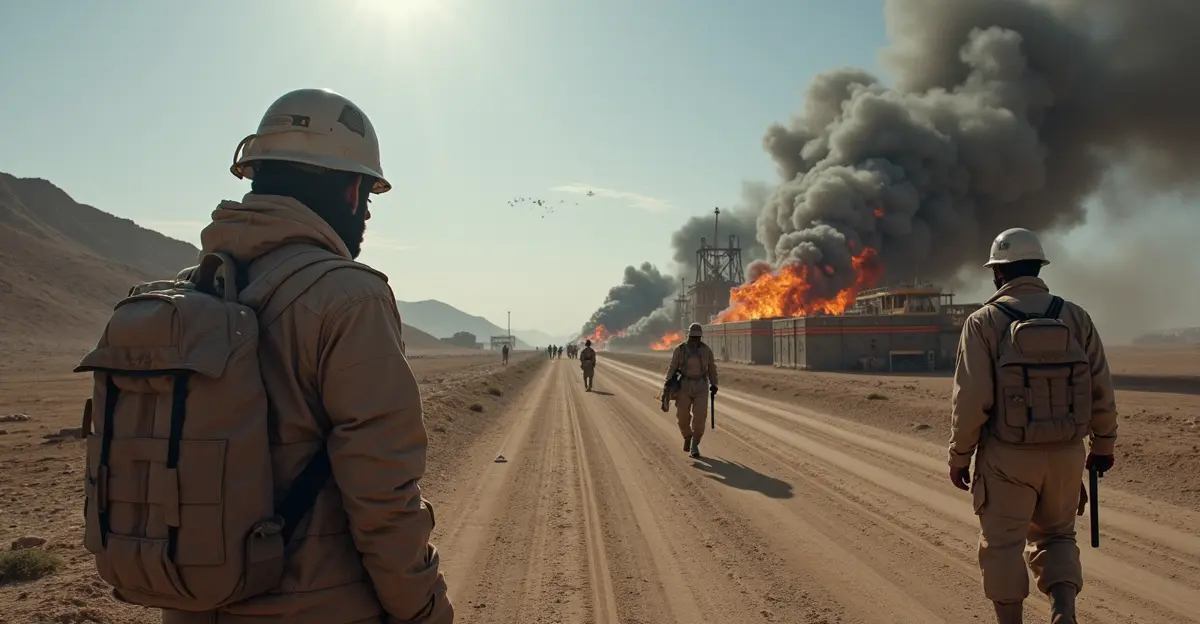
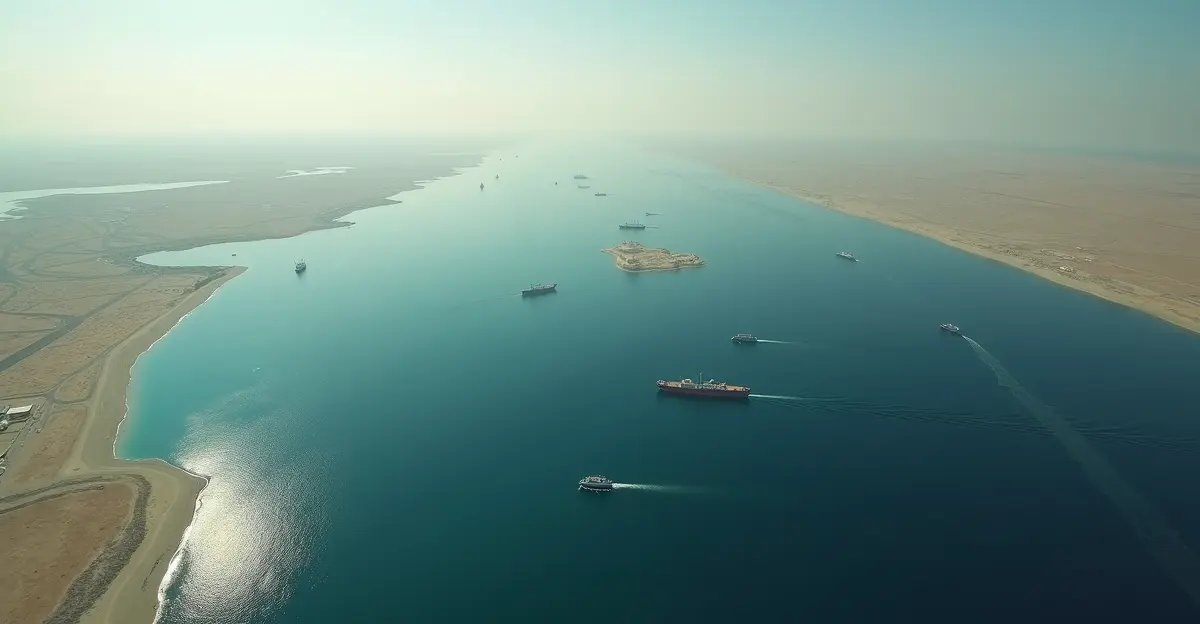
The Strait of Hormuz, a narrow 54-kilometer passage between Iran and the Arabian Peninsula, carries roughly 20% of the world's oil and 25% of globally traded liquefied natural gas (LNG). When joint U.S.-Israeli airstrikes targeted Iranian leadership on February 28, 2026—an operation dubbed 'Epic Fury'—Iran retaliated by mining the strait and attacking vessels with cruise missiles. The International Energy Agency (IEA) characterized the resulting disruption as the 'largest supply disruption in the history of the global oil market.' According to the Dallas Federal Reserve, the shock is three to five times larger than the 1973 Arab oil embargo or the 1990 Gulf War. The 2026 Iran war fuel crisis has sent Brent crude surging from $61 to a peak of $138 per barrel before settling near $106 after the April ceasefire.
Strategic Petroleum Reserves: A Record but Insufficient Response
In March 2026, the IEA coordinated the release of 400 million barrels of emergency oil reserves—the largest in the agency's 52-year history. The United States contributed 172 million barrels from its Strategic Petroleum Reserve (SPR), drawing it down to its lowest level since 1982. Japan, South Korea, Germany, France, and the UK also contributed. However, analysts warn that the 400-million-barrel buffer equals only 16 days of lost Persian Gulf flow. The strategic petroleum reserve release 2026 initially caused a relief dip in prices, but Brent crude continues to hover above $100 per barrel amid high volatility. The U.S. Energy Information Administration (EIA) reported that crude oil and petroleum liquids moving through the strait fell nearly 30% year-over-year in Q1 2026, to 14.6 million barrels per day.
War-Risk Insurance and the Cost of Transit
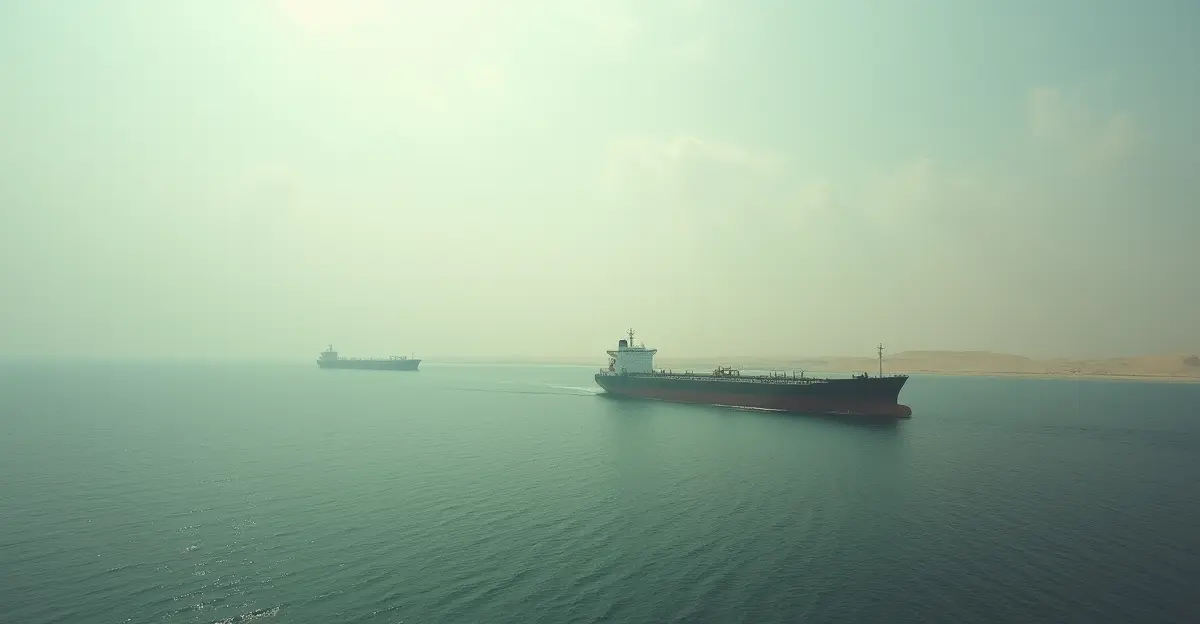
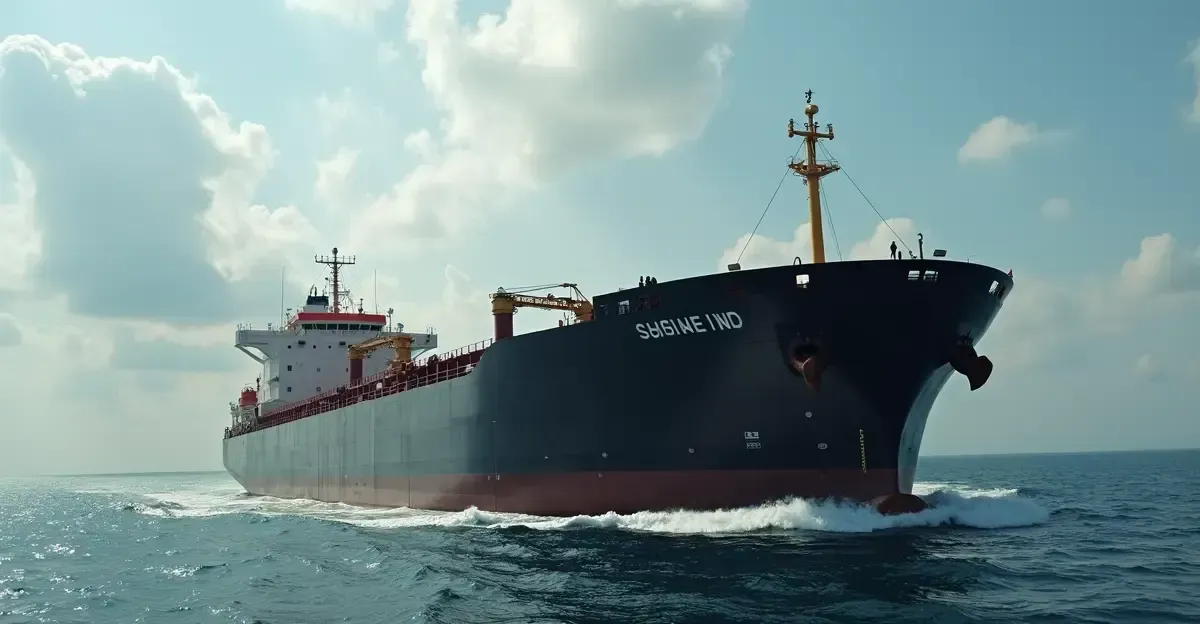
The crisis has upended the maritime insurance market. War-risk premiums for ships transiting the Strait of Hormuz jumped from 0.25% to between 1% and 3% of hull value after Lloyd's Joint Hull Committee reclassified the strait as a high-risk zone. For a typical Very Large Crude Carrier (VLCC) valued at $150 million, this translates to an additional $1.5 million to $4.5 million per transit. Major maritime insurers suspended or repriced coverage, causing traffic through the strait to drop by roughly 95%. In response, the Trump administration directed the U.S. International Development Finance Corporation (DFC) to provide up to $40 billion in political risk insurance to backstop shipping activity. As the war risk insurance Strait of Hormuz 2026 crisis demonstrates, governments are increasingly stepping in to underwrite markets where private insurance capacity has withdrawn, blurring the line between commercial risk transfer and geopolitical strategy.
Iran's Transit Fee Regime: A New Precedent
Perhaps the most alarming development is Iran's imposition of transit fees. Iranian lawmakers confirmed on state television that the Islamic Revolutionary Guard Corps (IRGC) is charging commercial vessels between $1.5 million and $2 million per voyage to pass through the strait. Payments can be made in cash, cryptocurrencies, or through the provision of goods, with some settlements reportedly conducted in Chinese yuan. Based on current traffic levels, these fees could generate up to $7.5 billion in annual revenue for Iran. Parliament is drafting legislation to make the fee regime permanent. Western leaders have rejected any potential Iranian tolls, but with the IRGC controlling a designated safe corridor around Larak Island, ship operators have little choice but to comply. The Iran Strait of Hormuz transit fees 2026 represent a dangerous precedent where a single state can weaponize a maritime chokepoint for revenue generation.
Alternative Routes and the Acceleration of Energy Diversification
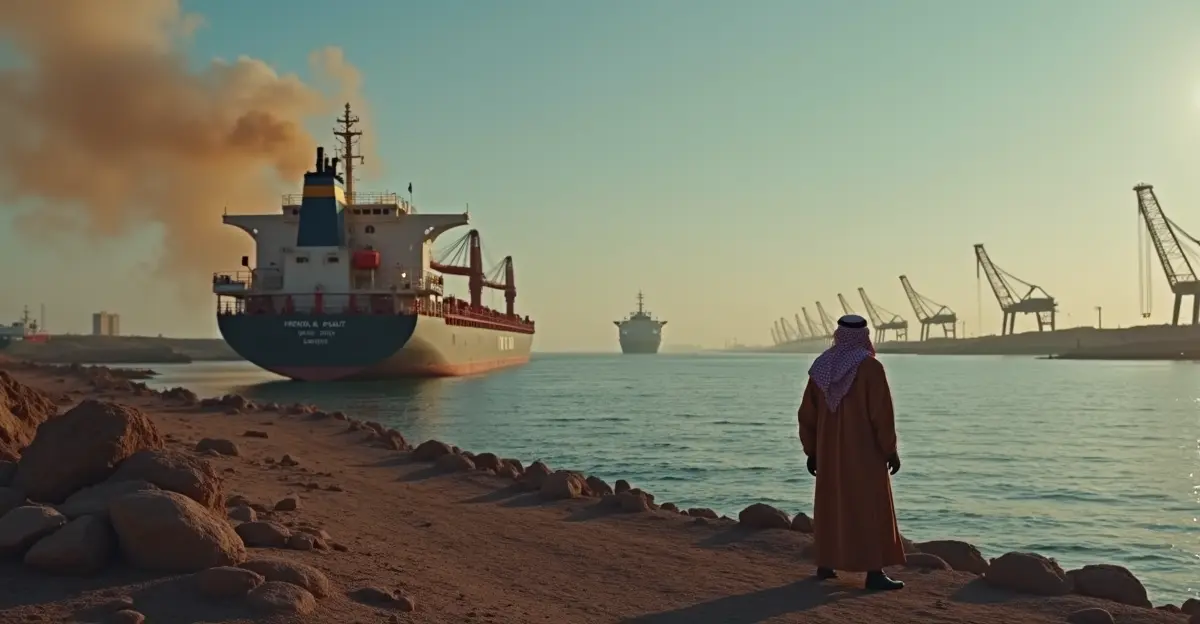
The crisis is forcing Gulf energy exporters to urgently diversify their export routes. Saudi Arabia leads with its East-West (Petroline) pipeline, capable of moving up to 7 million barrels per day to the Red Sea port of Yanbu. The UAE's Habshan-Fujairah pipeline offers a more limited bypass, moving 1.5 million barrels daily to the Gulf of Oman. Egypt's SUMED pipeline, connecting the Red Sea to the Mediterranean, is re-emerging as a critical transit corridor for Gulf crude heading to European markets. However, Qatar (LNG) and Kuwait remain structurally exposed, lacking viable bypass options and having declared force majeure on cargoes. The crisis has also accelerated interest in land-based rail corridors and new pipeline projects, signaling a broader regional shift toward multi-layered, westward-oriented energy export infrastructure. As the energy diversification alternative routes Hormuz 2026 trend shows, the long-term impact may be a permanent reduction in reliance on the Strait of Hormuz.
Impact on Global Economy and the Energy Transition
The economic fallout is severe. The Dallas Fed models a one-quarter closure raising WTI oil prices to $98 per barrel and lowering global real GDP growth by an annualized 2.9 percentage points in Q2 2026. If the closure extends to two or three quarters, oil prices could reach $115-$132 per barrel, with GDP growth remaining negative for longer. The IMF warns global growth could fall to 2% with inflation exceeding 6% under a severe scenario. Asian economies—China, India, Japan, and South Korea—are hit hardest, accounting for 75% of oil and 59% of LNG exports from the region. Beyond oil, the crisis has disrupted nine non-oil commodities including fertilizers (urea up 80%), sulfur, methanol, and aluminium (production down 38%). Qatar's helium supply, vital for semiconductor manufacturing, remains trapped behind the blockade.
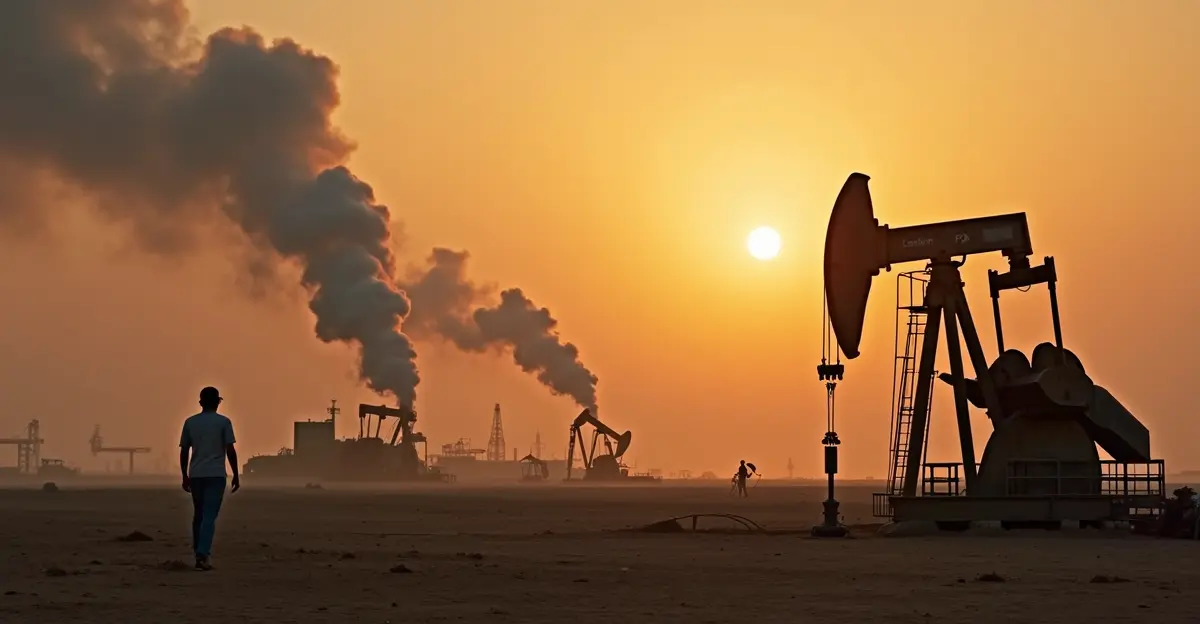
The crisis is also reshaping the geopolitics of the energy transition. The multipolar energy order fossil fuel dependence 2026 is accelerating investments in renewable energy, nuclear power, and domestic production. The United States, now the world's top crude oil and natural gas producer, has granted itself unprecedented energy autonomy. China, meanwhile, has positioned itself as a source of stability, with its strategic oil reserves standing at 1,541 million barrels—far exceeding the U.S. SPR. The crisis has also spurred the creation of FORGE (Forum on Resource Geostrategic Engagement), a new 54-country multilateral security framework for critical minerals.
Expert Perspectives
'The Strait of Hormuz is not open,' stated ADNOC CEO Sultan Ahmed Al Jaber bluntly in April 2026. Kpler analyst Ana Subasic noted that safe transit capacity is expected at just 10-15 passages per day even if the ceasefire holds, compared to 120-140 daily transits before the conflict. The World Economic Forum's Chief Geopolitical Executives Community concluded that the crisis represents 'the greatest global energy security threat in history,' with oil prices remaining above $100 per barrel amid high volatility. The crisis has also postponed a U.S.-China summit and affected the Ukraine conflict calculus, demonstrating the interconnected nature of global geopolitics.
FAQ: The Strait of Hormuz Crisis 2026
What caused the Strait of Hormuz closure in 2026?
The closure was triggered by joint U.S.-Israeli airstrikes on Iranian leadership on February 28, 2026 (Operation Epic Fury), followed by Iran's retaliation mining the strait and attacking vessels with cruise missiles.
How much oil flows through the Strait of Hormuz daily?
Approximately 20 million barrels per day of crude oil and petroleum products transited the strait before the crisis, representing about 20% of global oil supply and 25% of seaborne oil trade.
What is Iran charging ships to transit the strait?
Iran is demanding between $1.5 million and $2 million per vessel, payable in cash, cryptocurrencies, or goods. Some payments have been settled in Chinese yuan.
How has the crisis affected global oil prices?
Brent crude surged from $61 per barrel before the conflict to a peak of $138, settling near $106 after the April ceasefire. The Dallas Fed projects prices could reach $115-$132 if the closure extends.
What alternative routes exist for Gulf oil exports?
Saudi Arabia's Petroline pipeline (up to 7 mb/d to the Red Sea), the UAE's Habshan-Fujairah pipeline (1.5 mb/d), and Egypt's SUMED pipeline are the main alternatives. However, Qatar and Kuwait lack viable bypass options.
Conclusion: A Multipolar Energy Order Emerges
The Strait of Hormuz crisis of 2026 marks a watershed moment in global energy security. The unprecedented scale of the disruption—combined with Iran's imposition of transit fees, the withdrawal of private insurance, and the record release of strategic reserves—has exposed the fragility of a global energy system still heavily dependent on a single maritime chokepoint. The long-term implications are profound: accelerated investment in alternative routes, a renewed focus on domestic energy production and renewables, and the emergence of a more fragmented, multipolar energy order where no single actor can hold the global economy hostage. As the world grapples with the aftermath, one thing is clear: the era of cheap, secure, and uninterrupted energy flows through the Strait of Hormuz is over.
Follow Discussion