


 Deutsch
 English
 Español
 Français
 Nederlands
 Português


 Share
Share




What Is the Strait of Hormuz Crisis of 2026?
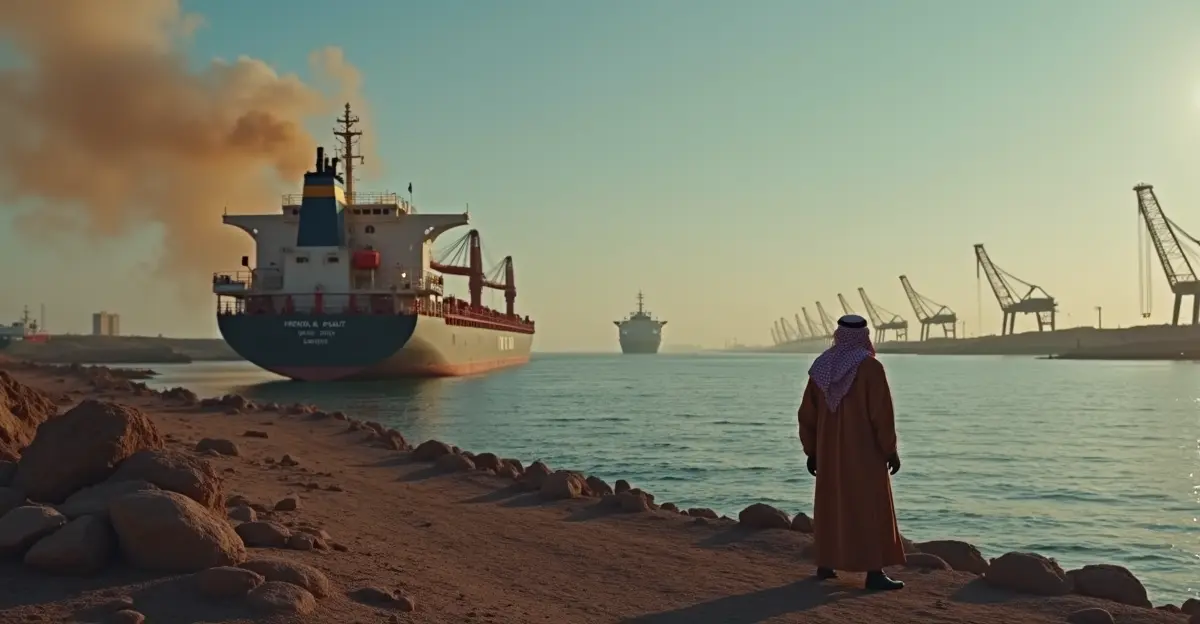
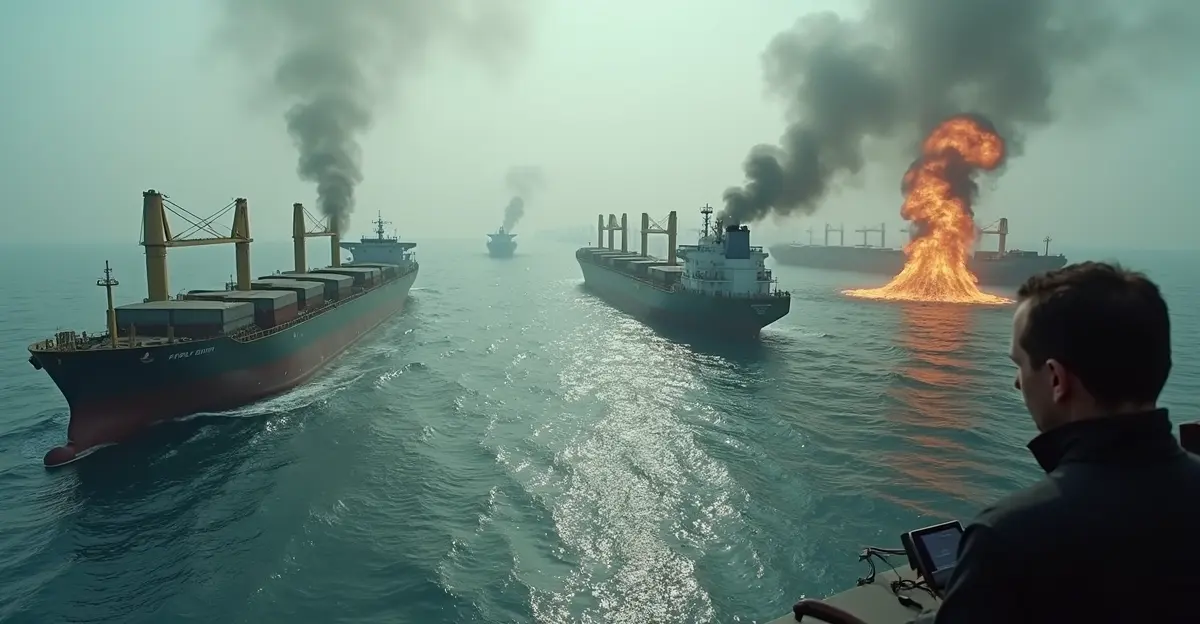
The Strait of Hormuz crisis, which began with a military escalation on February 28, 2026, has effectively closed the world's most critical oil chokepoint. Ship transits through the 21-mile-wide strait have plummeted by 95%, from roughly 130 vessels per day to just six. This disruption has removed approximately 20% of the global oil supply — some 20 million barrels per day — from international markets, triggering the largest oil supply shock since the 1973 embargo. Brent crude surged past $120 per barrel within days, while European gas futures spiked 56% as the strait also handles 25% of global seaborne LNG trade. The 2026 oil supply shock is now reshaping energy policy worldwide.
Background: Why the Strait of Hormuz Matters
The Strait of Hormuz connects the Persian Gulf with the Gulf of Oman and the Indian Ocean. At its narrowest point, the shipping lanes are just two miles wide in each direction. Roughly 20-21 million barrels of oil — one-fifth of global consumption — and 20% of LNG shipments pass through daily. For Asia-Pacific nations, the dependency is extreme: Japan, South Korea, India, and China import 60-85% of their crude oil via this route. India holds only 20-25 days of oil cover, making it particularly vulnerable to prolonged disruption. The energy security risks for Asia have become a central concern for policymakers.
Macroeconomic Fallout: Dallas Fed and UNCTAD Projections
According to a March 2026 analysis by the Federal Reserve Bank of Dallas, if the Strait of Hormuz closure lasts one full quarter, global GDP growth could fall by 2.9 percentage points. The World Bank projects a 24% surge in energy prices. UNCTAD's March 2026 assessment warns that rerouting tankers via the Cape of Good Hope adds 8-15 days to transit times and increases shipping costs by 11-14%. War-risk insurance premiums have soared to $5 million per voyage, and Iran has imposed $2 million transit fees on vessels attempting passage. The global GDP impact of oil supply shocks is being closely monitored by central banks.
Oil and Gas Price Trajectory
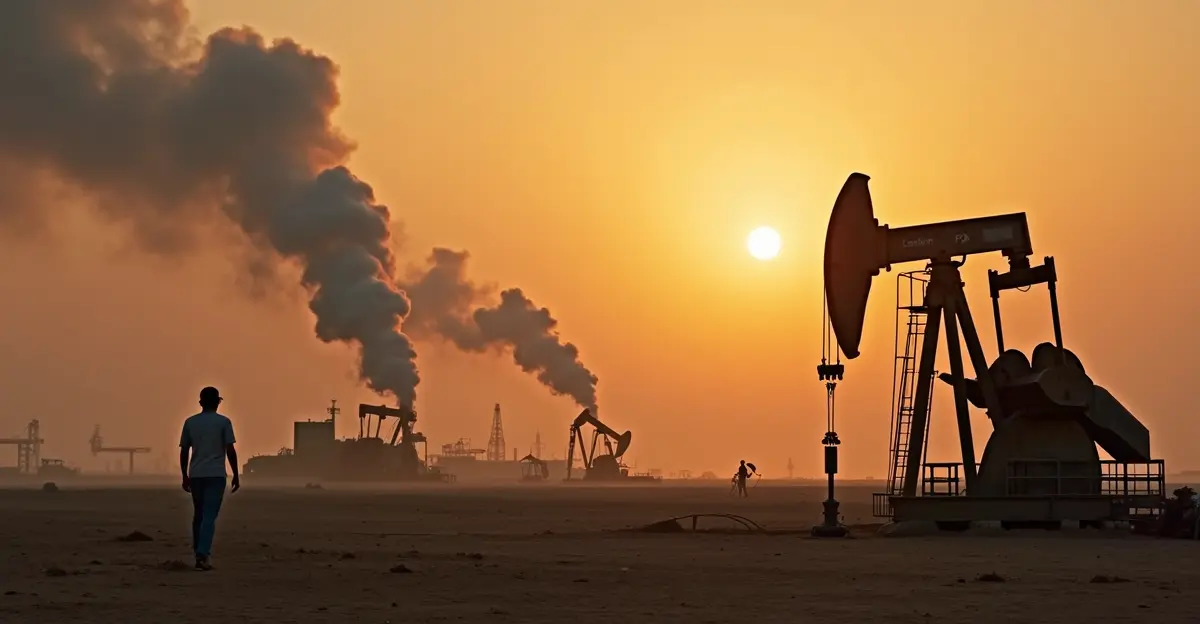
The U.S. Energy Information Administration (EIA) reported in its April 2026 Short-Term Energy Outlook that Brent crude averaged $103 per barrel in March and is forecast to peak at $115 per barrel in Q2 2026 before easing to $76 by 2027 — assuming the conflict resolves by May. However, some analysts project Brent could reach $130-$150 per barrel if the closure extends into summer. U.S. retail gasoline prices are forecast to peak near $4.30 per gallon in April, with diesel exceeding $5.80 per gallon. European natural gas benchmarks have already risen 56% since the crisis began.
Structural Shift: Energy Security Over Cost-Efficiency
The crisis marks a structural turning point in global energy policy. According to McKinsey data cited in March 2026 reports, 72% of executives now cite geopolitical instability as their biggest business risk, up from 51% in December 2025. Governments are accelerating investments in renewable energy, LNG diversification, and strategic petroleum reserves. The European Union has fast-tracked permits for new LNG import terminals, while Japan and South Korea are expanding bilateral emergency oil-sharing agreements. The renewable energy investment acceleration 2026 is being driven by this crisis.
Sector-Specific Vulnerabilities
The aviation sector faces a crisis within 2-4 weeks of sustained supply disruption, as jet fuel inventories dwindle. Shipping companies face immediate 5-12% increases in bunker fuel costs for every $10-15 per barrel rise in crude prices. The petrochemical industry faces feedstock disruption within 1-3 months. These cascading effects underscore how deeply the Strait of Hormuz closure penetrates the global economy.
Expert Perspectives
EIA Administrator Tristan Abbey noted in the April 2026 outlook that fuel prices will continue to rise until the duration of the closure, production outages, and the reopening dynamics are resolved. The Dallas Fed's March 2026 analysis emphasizes that even a conservative 5% increase in shipping costs could offset any disinflationary gains from other trade policy changes, leaving the U.S. with net upside inflation risk through year-end 2026.
Frequently Asked Questions
How long will the Strait of Hormuz closure last?
The duration remains uncertain. The EIA assumes the conflict does not persist past April 2026, but some analysts warn of prolonged disruption through Q3 2026 if diplomatic efforts fail.
Which countries are most affected?
Asian economies are most exposed. India holds only 20-25 days of oil reserves. Japan, South Korea, and China import the majority of their crude through the strait and face severe supply constraints.
What are the alternatives to the Strait of Hormuz?
Rerouting via the Cape of Good Hope adds 8-15 days and 11-14% costs. Overland pipelines like the East-West Pipeline in Saudi Arabia offer limited capacity. The alternative oil shipping routes are being rapidly expanded.
How high could oil prices go?
Brent crude has already exceeded $120 per barrel. If the closure extends beyond one quarter, some analysts forecast prices reaching $130-$150 per barrel, depending on OPEC+ response and SPR releases.
Will this accelerate the energy transition?
Yes. The crisis is driving record investment in renewables, LNG diversification, and strategic reserves. Energy security is now overtaking cost-efficiency as the primary driver of global energy policy.
Conclusion: A New Era for Energy Security
The Strait of Hormuz crisis of 2026 is not merely a temporary disruption — it represents a structural shift in how nations and corporations approach energy security. The future of global energy policy after Hormuz will prioritize resilience over cost, with profound implications for investment, trade, and geopolitics. As the world watches the strait's reopening dynamics, one thing is clear: the era of cheap, secure oil from the Persian Gulf has ended.


Follow Discussion