


 English
 Nederlands
 Deutsch
 Français
 Español
 Português

Daily News Summary – 2026-04-30 – en

Daily News Summary – 2026-04-30 – en
Top Stories
Ukraine Regains Momentum in Fifth Year of War

Ukraine has seized the initiative in 2026 using mass drone production, liberating territory and striking deep into Russia. The EU approved a €90 billion loan, but manpower shortages and US aid cuts limit prospects for a decisive victory.
AI Makes Online Fraud Harder to Detect, Warns ABN Amro

Fraudsters use AI deepfakes and generative tools for convincing scams. ABN Amro reports it's harder to distinguish real from fake, with 10-15 daily victims in the Netherlands. Key red flags include unexpected contact and urgency.
What is the current cost of the US-Iran war?

The Pentagon reports $25 billion spent on the Iran war, but sources suggest the real cost could be $40-50 billion. Munitions depletion and troop deployments strain readiness, with lawmakers questioning the figure amid a proposed $1.5 trillion defense budget.
China's 2026 export controls on rare earths and critical minerals have triggered price spikes of up to sixfold

China's tighten restrictions on rare earths, tungsten, and antimony cause sixfold price surges outside China, with European licensing approval falling below 25%. The US launches FORGE and Project Vault, but rebuilding supply chains could take 20-30 years.
In 2026, China's tightened export controls on rare earths, tungsten, and antimony have triggered sixfold price spikes
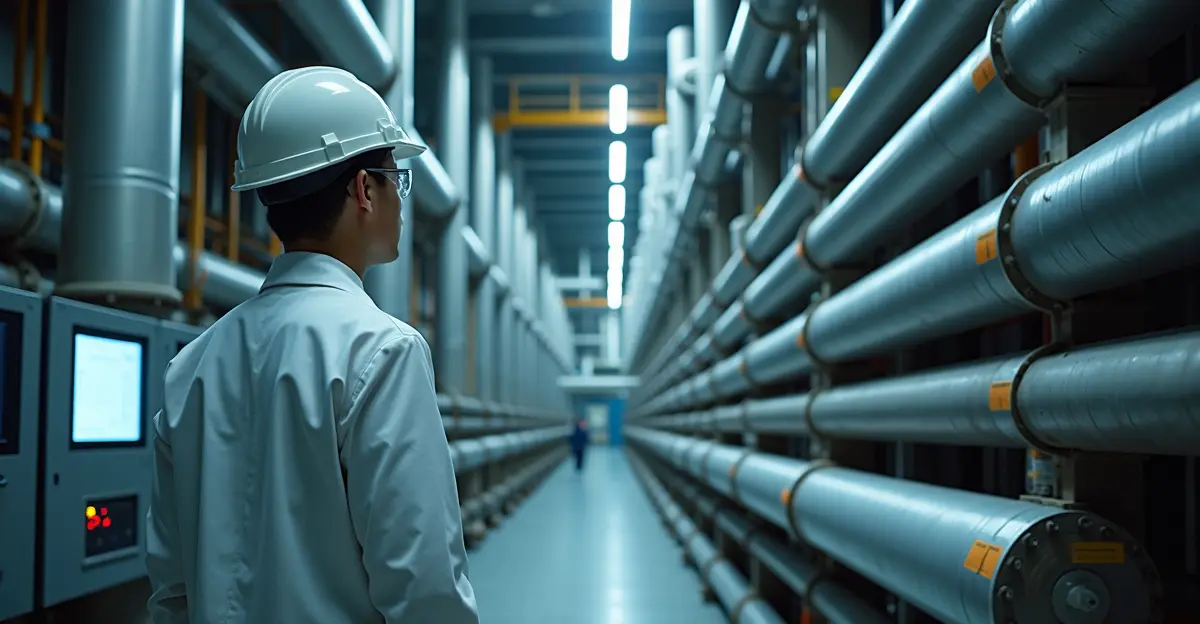
Over 80% of European firms rely on Chinese supply chains for critical minerals. The West faces a 12-18 month window to diversify or accept prolonged vulnerability. Strategic paths include managed dependence, costly independence, or a hybrid resilience model.
Also Notable
Trade War
China's escalating export controls on rare earths, tungsten, antimony, and gallium have created a structural dependency crisis
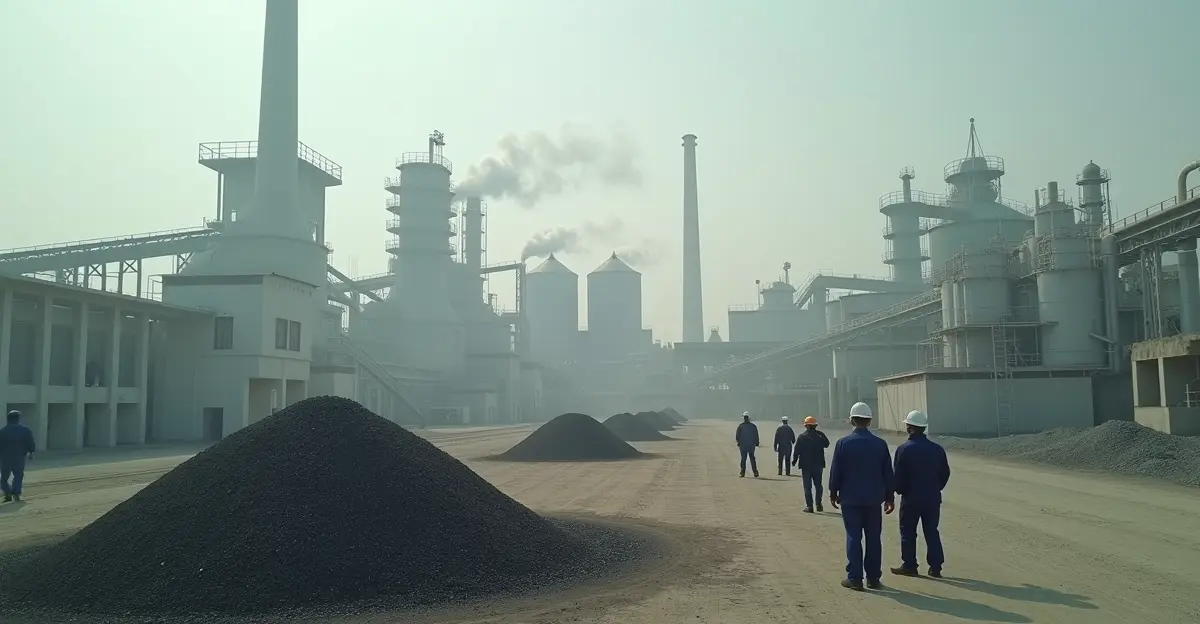
The US-EU Critical Minerals Action Plan explores border-adjusted price floors and joint procurement to counter China's control. Over 80% of European firms depend on Chinese supply chains for defense, EVs, and renewables.
Geopolitics
China's tightened export controls on rare earths and critical minerals have pushed licensing approval rates for European firms below 25%
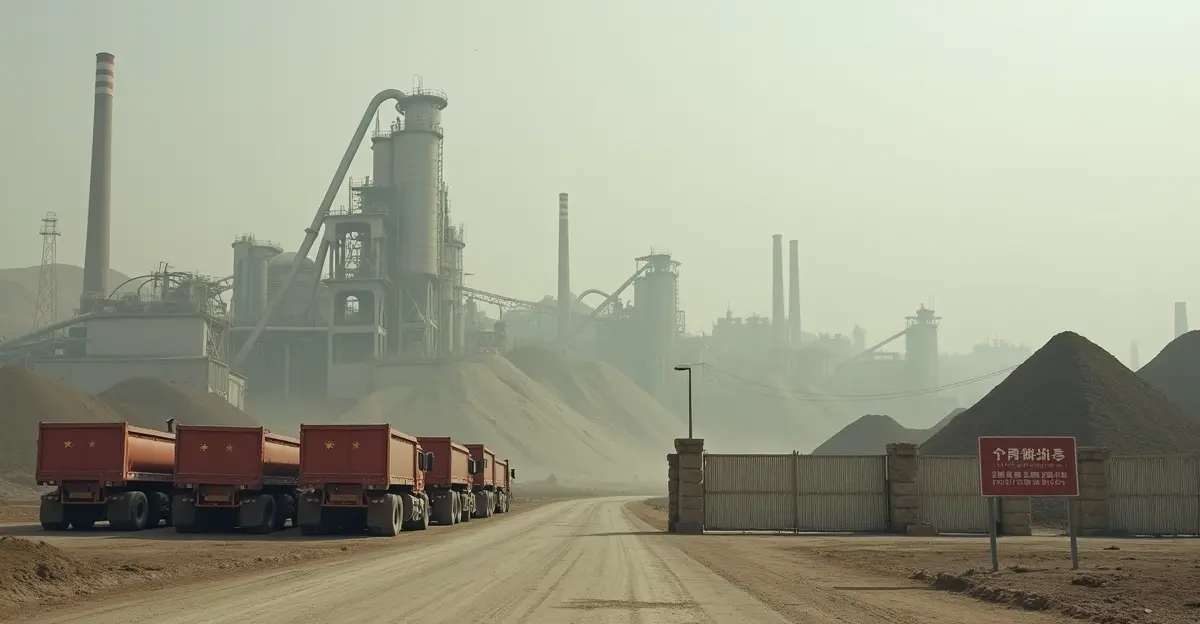
NATO stockpiles sufficient for 6-9 months of high-intensity conflict. Western alternatives require 20-30 years, but 12-18 month window for decisive action exists. FORGE alliance and Project Vault aim to counter China's dominance.
Europe is embarking on the most dramatic peacetime military buildup in modern history

NATO allies commit to 3.5% GDP defense floor, with European budgets projected at €800 billion annually by 2030. The Hague Summit and IMF analysis examine macroeconomic impacts, including debt, inflation, and supply constraints.
China's tightened export controls on rare earths, tungsten, and antimony, which took full effect in early 2026, have triggered price spikes of up to sixfold
The US launches FORGE alliance with 54 nations and $30 billion in commitments. Over 80% of European firms depend on Chinese supply chains. Full independence could take 20-30 years, but a 12-18 month window for action is narrowing.
In 2026, the global economic order is undergoing a structural realignment not seen since the end of the Cold War
Dollar's reserve share falls below 57% as BRICS expands local currency trade. China's critical mineral dominance and US FORGE response create a feedback loop. WEF ranks geoeconomic confrontation as top risk.
The Strait of Hormuz, a 21-mile-wide maritime chokepoint, has become the epicenter of a cascading crisis that threatens global food security in 2026

Traffic through the strait collapsed by over 90%, blocking 20-30% of seaborne fertilizer. Urea prices surge 60%, and plant shutdowns in South Asia threaten spring planting. USAID closure removes safety net.
Energy
The February 2026 military conflict in the Middle East triggered the largest oil supply disruption in history

Nearly 20% of global oil supply removed, Brent crude above $100. Dallas Fed estimates 2.9 percentage point GDP hit. Governments implement demand-side measures like remote work and speed limits.
AI
Global data centers are projected to consume over 1,000 TWh of electricity in 2026

AI workload drives data center power demand equivalent to Japan's total usage, forcing tech giants to pivot to nuclear energy. Microsoft restarts Three Mile Island; Amazon, Google invest in SMRs. Grid bottlenecks and transformer shortages delay builds.
Crypto
Central bank digital currencies are transitioning from pilot programs to full-scale national deployments across multiple G20 economies

The digital yuan, euro, rupee, and real are operational at scale, disrupting banking and cross-border payments. Privacy concerns vary: digital euro offers anonymity vouchers, while China's yuan is fully traceable. IMF warns of dollar demand reduction.
 Share this article



