


 Deutsch
 English
 Español
 Français
 Nederlands
 Português


 Share
Share




In April 2026, Washington and Brussels signed a landmark Critical Minerals Action Plan backed by over $30 billion in financing, establishing FORGE — a 54-nation alliance to counter China's near-90% stranglehold on rare earth processing. This analysis examines the pact's border-adjusted pricing mechanisms, the newly created Project Vault strategic minerals reserve, and the feasibility of rebuilding independent Western supply chains within a narrowing geopolitical window of 12-18 months before decisive action slips away.
What Is the US-EU Critical Minerals Action Plan?
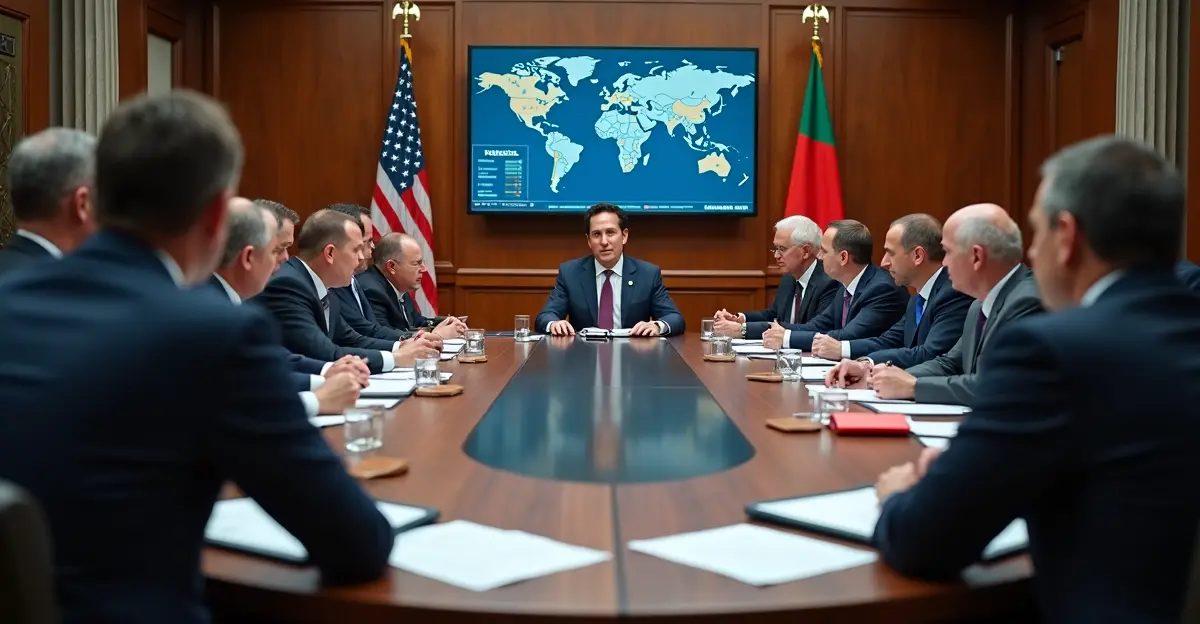
The US-EU Critical Minerals Action Plan, formalized on April 24, 2026, is a bilateral framework designed to coordinate trade policies and measures on critical minerals supply chains. Announced by U.S. Trade Representative Jamieson Greer and EU Trade Commissioner Maroš Šefčovič, the plan aims to conclude a binding plurilateral agreement on trade in critical minerals. It explores using trade measures such as border-adjusted price floors to strengthen domestic industries and downstream sectors vital to industrial competitiveness. The plan is part of a broader push that includes the FORGE alliance — the Forum on Resource Geostrategic Engagement — launched in February 2026 with 54 nations and the European Commission, replacing the earlier Minerals Security Partnership.
China's Dominance: A Near-Total Stranglehold
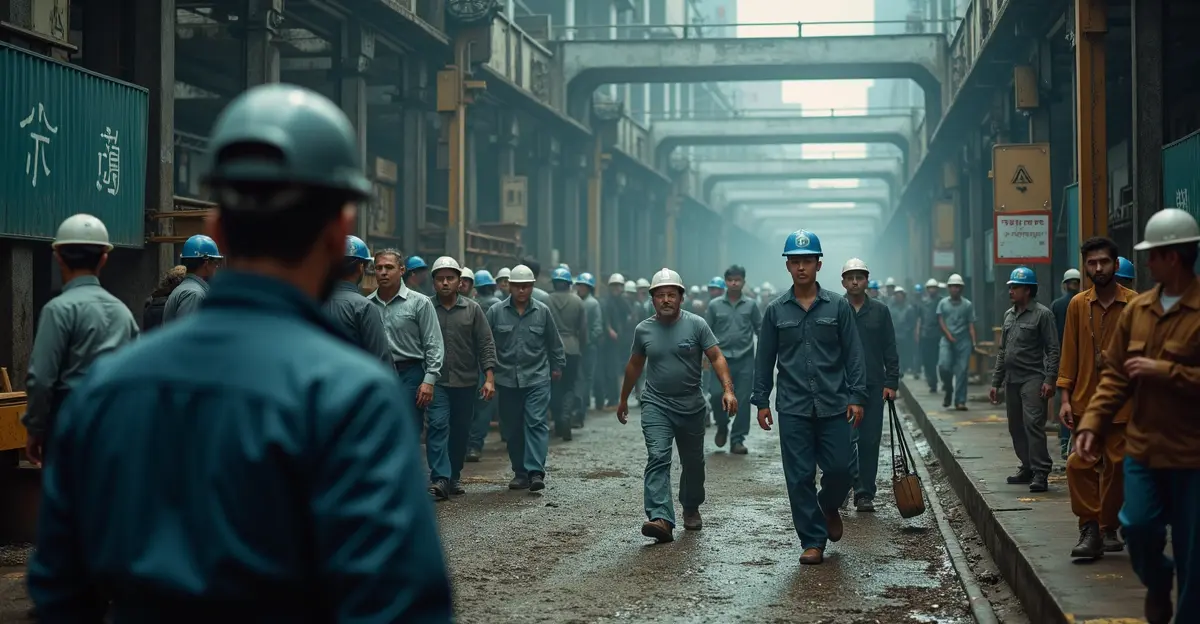
China controls roughly 70% of global rare earth production and close to 90% of the world's rare earth refining and processing capacity. Since the 1980s, Beijing has invested billions in subsidies and strategic planning to dominate the supply chain of metals used in EVs, wind turbines, semiconductors, and defense systems. In early 2026, China imposed sweeping export controls on rare earths, tungsten, and antimony, causing sixfold price spikes outside the country. Dysprosium hit $931/kg (+105%), terbium reached $4,029/kg (+103%), and a dual pricing structure forced Western markets to pay premiums of 62-366% over Chinese domestic prices. The Pentagon has identified rare earths as essential for F-35 jets, Tomahawk missiles, and submarines, making this a defining geopolitical struggle of the decade.
FORGE Alliance: A $30 Billion Counteroffensive
The FORGE alliance, chaired by South Korea, brings together 54 nations and the European Commission to build a Western-led critical minerals supply chain. Backed by over $30 billion in U.S. government financing, FORGE moves beyond policy coordination to actual project-level collaboration in mining, refining, and processing. The U.S. signed 11 new bilateral framework agreements with countries including Argentina, Morocco, and the Philippines. A key component is Project Vault, a $12 billion public-private partnership for a U.S. Strategic Critical Minerals Reserve, initially announced as a $10 billion EXIM-backed initiative. The Pax Silica initiative adds a $250 million fund to secure end-to-end supply chains. However, experts note that while financing is secured, permitting delays, infrastructure gaps, and China's entrenched position remain significant challenges.
Border-Adjusted Pricing Mechanisms
A novel feature of the Action Plan is the exploration of border-adjusted price floors. These mechanisms would impose a surcharge on imported critical minerals priced below a certain threshold, effectively countering China's dual pricing system that allows Chinese manufacturers to buy rare earths at a fraction of the international market price. By leveling the playing field, the West hopes to incentivize domestic processing and refining capacity. The EU Carbon Border Adjustment Mechanism serves as a precedent for such trade measures, though applying them to minerals is legally and technically complex.
Can the West Achieve Independence by 2030?
Analysts warn that full supply chain independence is 5-7 years away at best, and rebuilding independent alternatives could take 20-30 years. While the FORGE alliance and Project Vault represent unprecedented financial commitment, the timeline is tight. China's temporary export licensing pause on rare earths is set to expire in late 2026, creating an imminent supply shock. The U.S. and EU are racing to develop alternative processing facilities in Australia, Canada, and the United States, but specialized refining technology remains largely controlled by Chinese firms. The 2025 critical minerals supply chain crisis highlighted how quickly disruptions can cascade through defense and green energy sectors.
Expert Perspectives
"This is the most ambitious transatlantic industrial policy initiative since the Marshall Plan," said a senior U.S. official involved in the negotiations. "But we are in a race against time. China's export controls are a preview of what a fully weaponized supply chain looks like." EU Trade Commissioner Šefčovič emphasized the need for binding commitments: "We cannot rely on voluntary pledges. The Action Plan must lead to a plurilateral agreement with enforceable rules." However, some analysts remain skeptical. "Even with $30 billion, you cannot replicate 40 years of Chinese investment overnight," noted a minerals market analyst. "The real question is whether the political will survives the next election cycle."
FAQ
What is the US-EU Critical Minerals Action Plan?
It is a bilateral framework signed in April 2026 to coordinate trade policies and measures on critical minerals supply chains, including border-adjusted pricing and a binding plurilateral agreement.
What is the FORGE alliance?
FORGE (Forum on Resource Geostrategic Engagement) is a 54-nation alliance launched in February 2026 to build a Western-led critical minerals supply chain, backed by over $30 billion in financing.
How much rare earth processing does China control?
China controls close to 90% of global rare earth refining and processing capacity, giving Beijing significant geopolitical leverage.
What is Project Vault?
Project Vault is a $12 billion public-private partnership to establish a U.S. Strategic Critical Minerals Reserve, aimed at stockpiling essential minerals for defense and green energy.
Can the West break China's monopoly by 2030?
Most analysts say full independence is unlikely before 2030, with estimates ranging from 5-7 years to 20-30 years for complete supply chain rebuilding. The FORGE alliance timeline faces significant permitting and infrastructure hurdles.
Conclusion: A Narrowing Window
The US-EU Critical Minerals Action Plan and the FORGE alliance represent a historic mobilization of resources to counter China's rare earth monopoly. With over $30 billion committed and 54 nations aligned, the West has the financial and political capital to begin the long process of supply chain diversification. However, the 12-18 month window before China's export controls fully resume creates immense pressure. Success will depend on rapid permitting, technological breakthroughs in processing, and sustained political commitment across multiple administrations. The geopolitics of critical minerals will define resource security for decades to come.




Follow Discussion