


 Deutsch
 English
 Español
 Français
 Nederlands
 Português


 Share
Share




The global critical minerals landscape is undergoing its most dramatic transformation in decades as China's 2025-2026 export controls on rare earths, tungsten, and antimony trigger price spikes of up to sixfold outside China. In response, the United States launched the FORGE alliance at the February 2026 Critical Minerals Ministerial, mobilizing over $30 billion and a $10 billion Strategic Critical Minerals Reserve called Project Vault. This article analyzes the strategic implications of this accelerating supply chain decoupling, the 20-30 year timeline required for Western independence, and the narrowing 12-18 month policy window for allies to act.
China's Export Controls: A Strategic Weapon
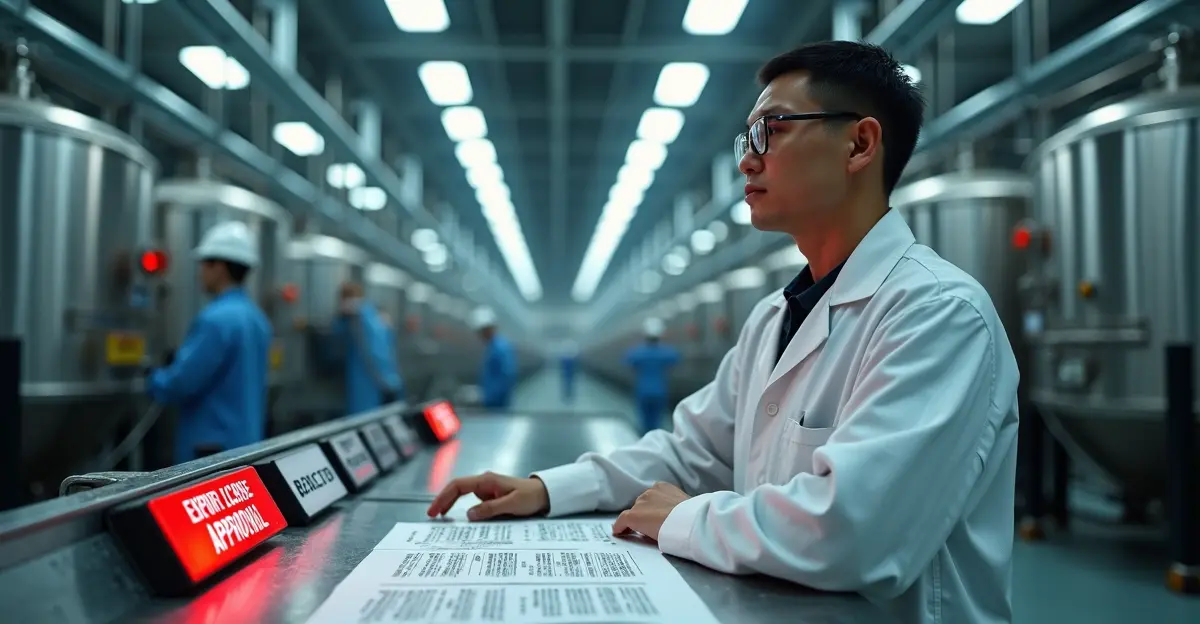
China controls approximately 90% of global rare earth processing, 80% of tungsten, and 60% of antimony — materials essential for AI, defense systems, electric vehicles (EVs), and renewable energy technologies. Since 2025, Beijing has imposed increasingly stringent export controls on these critical minerals. According to a multi-institutional analysis, licensing approvals for European firms have fallen below 25% in key sectors, effectively strangling supply chains that over 80% of European companies depend on for materials vital to defense and green energy.
The China rare earth export controls have caused prices for certain rare earth elements to surge sixfold outside China, while domestic Chinese prices remain stable. This dual-pricing strategy allows Beijing to maintain its manufacturing advantage while squeezing foreign competitors. Analysts describe this as a weaponization of control, not scarcity: temporary, reversible restrictions maintain pricing power and extract concessions while discouraging large-scale Western investment in alternative supply chains.
The FORGE Alliance: A Western Countermove
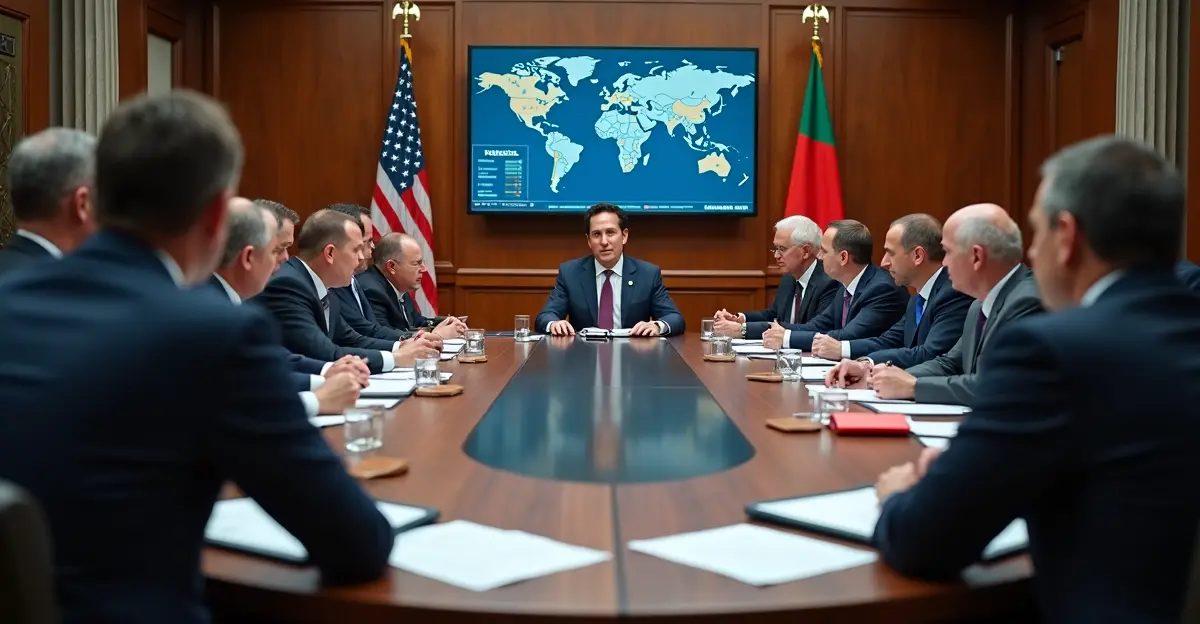
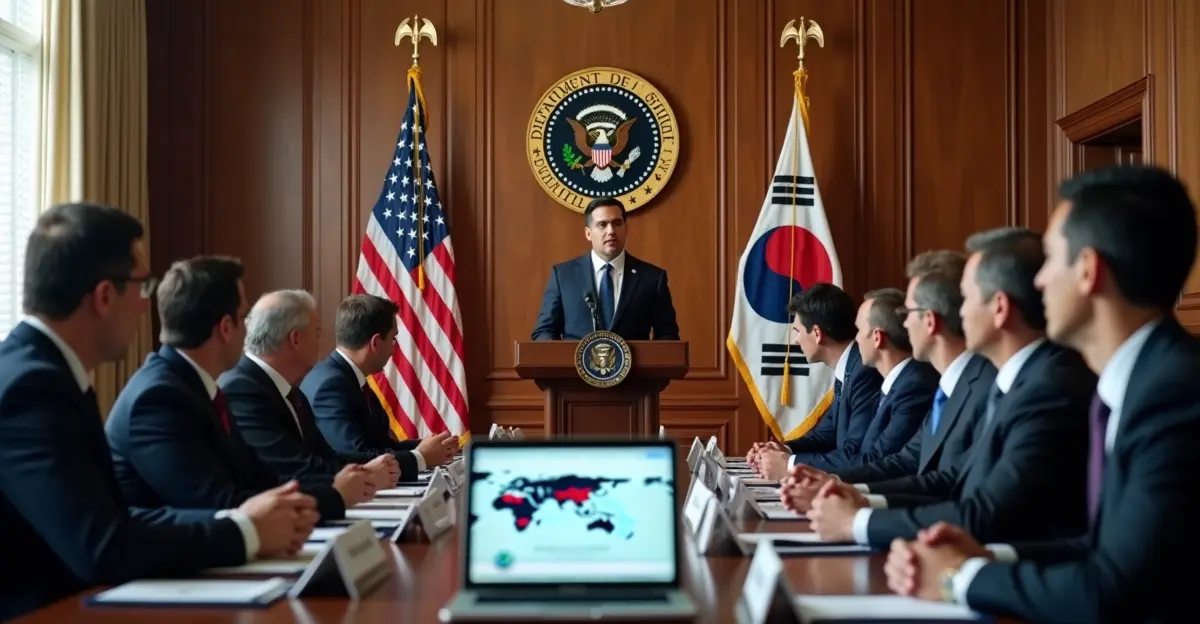
On February 4, 2026, U.S. Secretary of State Marco Rubio and Vice President JD Vance hosted the inaugural Critical Minerals Ministerial in Washington, D.C., bringing together representatives from 54 countries and the European Commission. The centerpiece of the event was the launch of FORGE — the Forum on Resource Geostrategic Engagement — as the successor to the Minerals Security Partnership, chaired by the Republic of Korea.
FORGE aims to create a preferential trade-and-investment zone for critical minerals with coordinated price floors to counter adversarial market manipulation. Vice President Vance described "reference prices for critical minerals at each stage of production" maintained through adjustable tariffs. The initiative represents a shift toward internationalizing price supports and practicing statecraft through markets, covering roughly two-thirds of the global economy.
Project Vault: A $10 Billion Strategic Reserve
A key component of the U.S. response is Project Vault, a $10 billion Strategic Critical Minerals Reserve backed by the Export-Import Bank (EXIM). This reserve aims to strengthen domestic supply chain security by stockpiling essential minerals, providing a buffer against supply disruptions and price volatility. The administration has mobilized over $30 billion in letters of interest, loans, and investments for critical mineral supply chains over six months.
11 New Bilateral Agreements
The ministerial produced 11 new bilateral framework agreements and memoranda of understanding with countries including Argentina, Morocco, the Philippines, the United Arab Emirates, and the United Kingdom. These deals bring the total to 21 agreements signed in just five months, reflecting an aggressive push to diversify supply sources away from China. The US critical minerals bilateral agreements are designed to create end-to-end supply chains for materials essential to AI, robotics, batteries, and advanced technologies.
The Timeline Challenge: 20-30 Years vs. 12-18 Months
Despite the urgency, experts warn that rebuilding independent Western rare earth supply chains would require 20-30 years — far exceeding the current geopolitical window. Developing new mines, processing facilities, and refining capacity involves enormous capital investment, environmental permitting, and technical expertise that cannot be accelerated easily.
Meanwhile, the window for allied nations to act is narrowing to just 12-18 months. The critical minerals supply chain timeline is critical because China's export controls are designed to be temporary and reversible, allowing Beijing to maintain maximum leverage. If Western nations fail to make substantial progress within this window, their vulnerability to Chinese coercion could become prolonged and structural.
Impact on Key Industries
The supply chain disruptions are already affecting multiple sectors. Rare earths are essential for permanent magnets used in EV motors, wind turbines, and defense systems such as missile guidance and radar. Tungsten is critical for armor-piercing munitions and cutting tools, while antimony is used in flame retardants and infrared sensors. The rare earths impact on defense industry is particularly acute, as the U.S. Department of Defense has identified critical mineral dependencies as a national security vulnerability.
In the energy sector, the transition to renewable energy and EVs depends heavily on access to rare earths and lithium. Price spikes and supply uncertainties threaten to slow the pace of decarbonization, creating tension between climate goals and geopolitical realities.
Expert Perspectives
"China's strategy is not about cutting off supply entirely, but about maintaining the ability to turn the tap on and off at will," said a senior analyst at the Atlantic Council. "This gives Beijing enormous leverage over every country that depends on these materials for their defense and green energy transitions."
Vice President JD Vance stated at the ministerial: "The international market for critical minerals is failing. Mining and processing projects across Europe and North America are being abandoned because sustained price weakness makes financing impossible. We need to create predictable pricing that supports domestic supply chains."
Frequently Asked Questions
What are rare earth elements and why are they important?
Rare earth elements are a group of 17 metallic elements essential for manufacturing high-tech products including EVs, wind turbines, defense systems, and consumer electronics. Despite their name, they are relatively abundant but difficult to extract and process.
How much does China control global rare earth supply?
China controls approximately 60% of global rare earth mining and over 90% of processing, giving it near-monopoly power over the supply chain for these critical materials.
What is the FORGE alliance?
FORGE (Forum on Resource Geostrategic Engagement) is a plurilateral coalition launched by the U.S. in February 2026 to create a preferential trade-and-investment zone for critical minerals, with coordinated price floors to counter Chinese market manipulation.
How much funding has the U.S. committed to critical minerals?
The U.S. has mobilized over $30 billion in loans, investments, and letters of interest, including a $10 billion Strategic Critical Minerals Reserve called Project Vault through the Export-Import Bank.
Can the West achieve rare earth independence?
Experts estimate that building independent Western rare earth supply chains would take 20-30 years, while the current geopolitical window for action is only 12-18 months, making rapid progress essential but challenging.
Conclusion: A Race Against Time
The US–China rare earths war represents one of the most consequential geopolitical-economic stories of 2026. With China tightening its grip on critical mineral supply chains and the West scrambling to build alternatives, the outcome will shape the future of AI, defense, clean energy, and advanced manufacturing for decades. The 12-18 month policy window demands urgent, coordinated action from allied nations — but the 20-30 year timeline for true independence underscores the magnitude of the challenge. As FORGE and Project Vault begin operations, the world watches to see whether the West can turn ambition into reality before the window closes.


Follow Discussion