


 Deutsch
 English
 Español
 Français
 Nederlands
 Português


 Share
Share




The Strait of Hormuz disruption in early 2026 has triggered the largest oil market shock in history, with Brent crude surging 65% and ship transits collapsing 95%, according to real-time data from UNCTAD and the World Bank. This single maritime chokepoint—through which roughly 20% of global petroleum and 25% of seaborne LNG once flowed—has exposed the fragility of global supply chains, accelerated energy diversification, and reshaped geopolitical alliances. Global merchandise trade growth is now projected to fall from 4.7% in 2025 to as low as 1.5% in 2026, while developing economies face a triple crisis of soaring energy, food, and fertilizer import costs.
The Scale of the Disruption
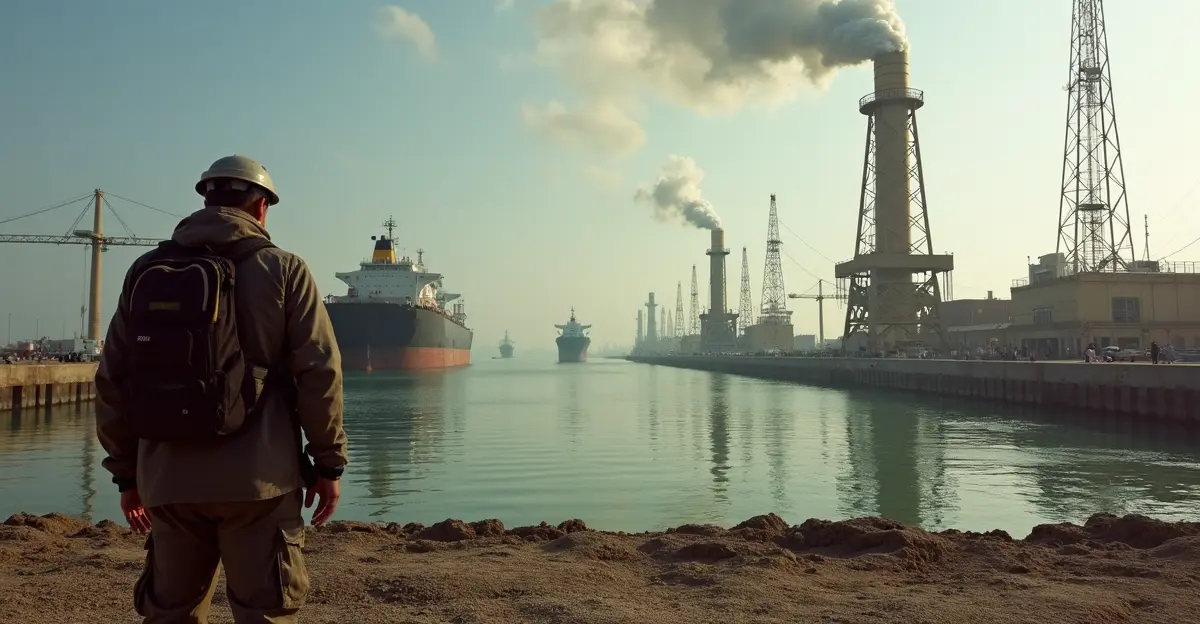
On February 28, 2026, following U.S. and Israeli airstrikes against Iran, Iran's Islamic Revolutionary Guard Corps blocked passage through the Strait of Hormuz. Daily ship transits plummeted from approximately 130 in February to just six by late March—a 95% collapse. The UNCTAD assessment confirms this as the most severe disruption to a maritime chokepoint in modern history.
Global oil supply crashed by 10.1 million barrels per day (mb/d) in March alone, the largest monthly supply loss ever recorded. The International Energy Agency described it as surpassing the 1970s energy crisis. Brent crude prices surged past $100 per barrel, peaking at $126, before settling near $93 by June amid fragile ceasefires and clandestine flows. The World Bank's Commodity Markets Outlook projects Brent averaging $86/bbl in 2026, with upside risks pushing prices to $95–$115/bbl if disruptions persist.
Trade and Growth: A Sharp Deceleration
UNCTAD's Trade and Development Foresights 2026 report slashed global merchandise trade growth projections from 4.7% in 2025 to between 1.5% and 2.5% in 2026. Global GDP growth is expected to slow from 2.9% to 2.6%, with developing economies bearing the brunt. The UN Secretary-General António Guterres warned on April 30 that if disruptions continue through midyear, 32 million people could be pushed into poverty and 45 million more face extreme hunger. In a worst-case scenario lasting through year-end, a global recession looms.
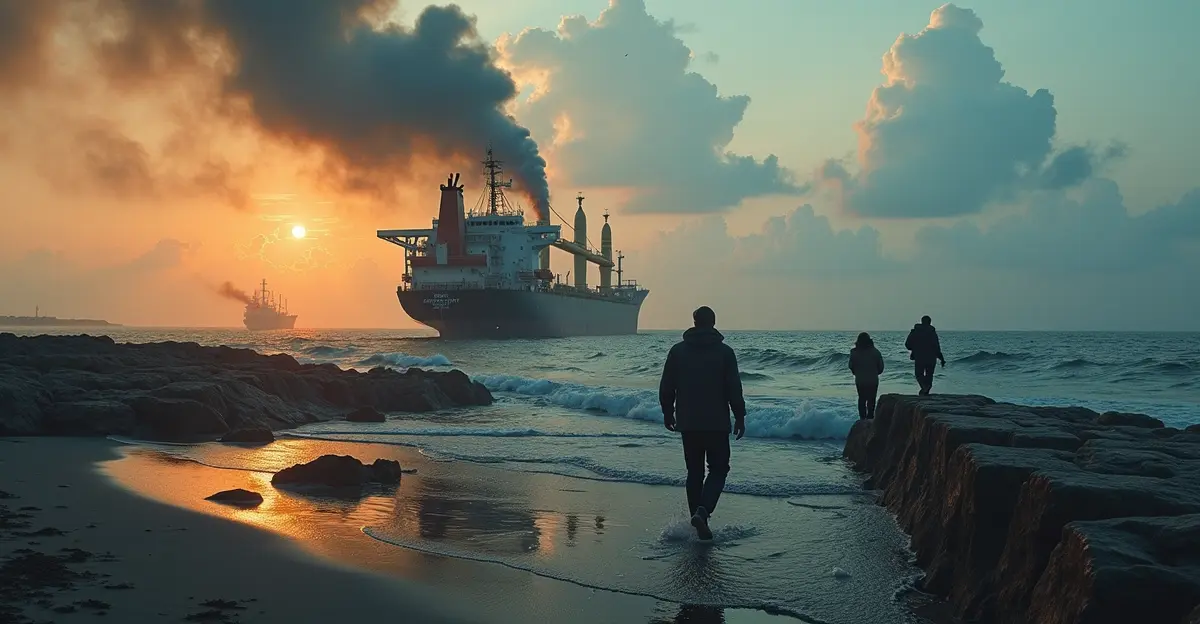
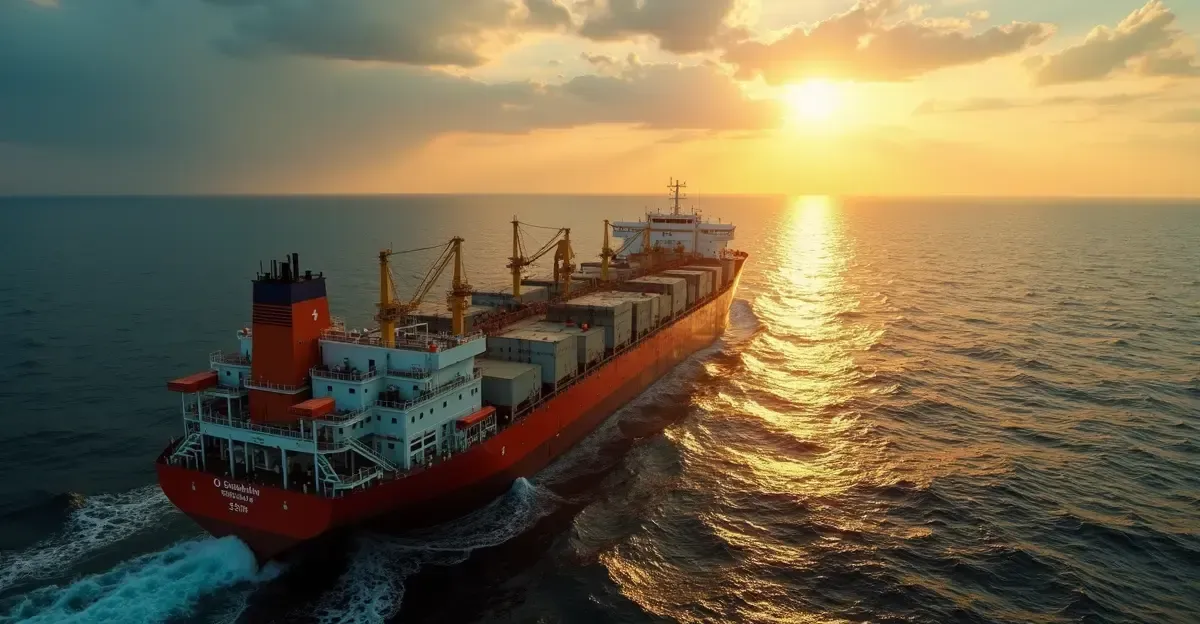
Shipping costs have skyrocketed. War-risk insurance premiums jumped to 5% of hull value, oil tanker freight rates rose over 90%, and bunker fuel prices nearly doubled. Alternative routes via the Cape of Good Hope add 8–15 days to transit times, further straining supply chains.
The Triple Crisis for Developing Economies
Developing nations face a cascading triple crisis: soaring energy import costs, fertilizer shortages threatening food production, and tightening financial conditions. The Strait of Hormuz region accounts for 13% of global nitrogen fertilizer exports and 9% of phosphate fertilizers. Natural gas—a key input for nitrogen-based fertilizers—has seen prices more than double, driving urea prices up 20–60%. The World Economic Forum warned in May 2026 that a global food crisis is building, with FAO Chief Economist Máximo Torero explaining that energy price spikes lead to fertilizer shortages, which reduce crop yields and eventually drive up food prices over the next six to twelve months.
Inflation in developing economies is projected at 5.1% for 2026, with growth revised down to 3.6%. Countries from Brazil to India—major agricultural importers—depend on these fertilizer supplies. The World Bank warns that up to 45 million more people could face acute food insecurity as a result.
Energy Diversification Accelerates
The crisis has fundamentally shifted the energy security debate. At the Eurelectric Power Summit in Helsinki, Nordic energy CEOs argued that fossil fuels—not renewables—are now seen as intermittent and vulnerable due to fragile supply chains. Kingsmill Bond of Ember noted that this is the first energy crisis where policymakers have a superior alternative: solar, wind, batteries, and electrification that are cheap and scalable. Fortum CEO Markus Rauramo emphasized shifting to homegrown clean electricity to reduce dependence on imported fossil fuels.
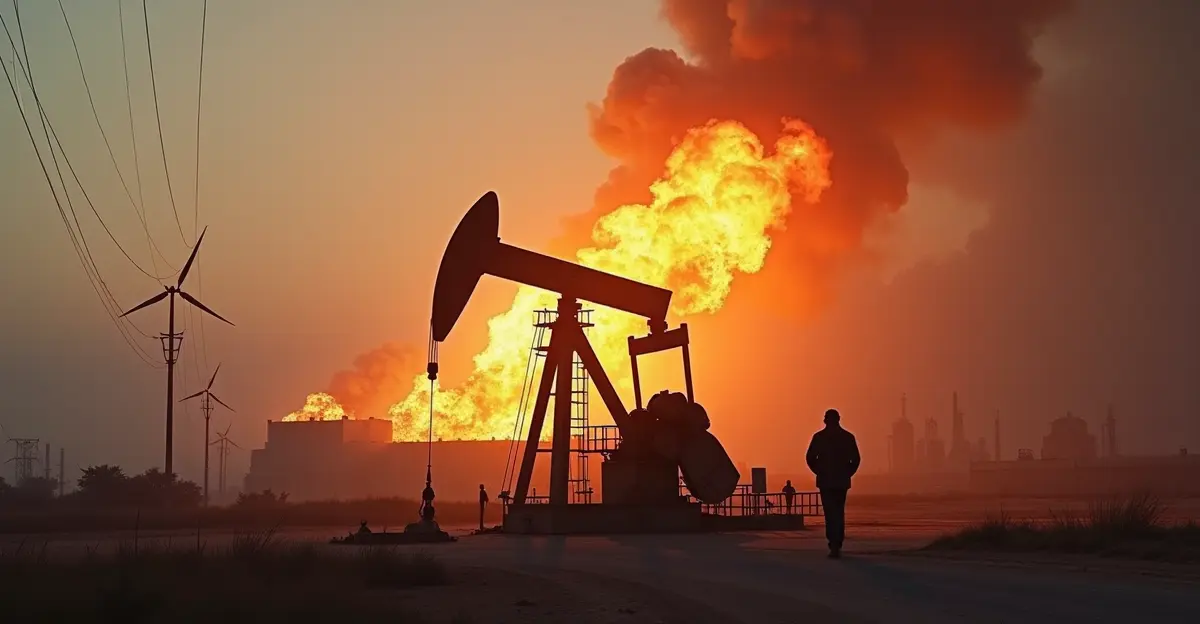
However, the transition faces headwinds. The IEA's World Energy Investment 2026 report warns that damage to over 30 energy facilities across the Gulf region, with repair costs estimated in the tens of billions, may divert capital from global renewable projects toward domestic reconstruction. Saudi Arabia and the UAE have maintained roughly 60% of pre-crisis exports using bypass pipelines, but Iraq, Kuwait, Qatar, and Bahrain have been forced to slash exports. The East-West Pipeline in Saudi Arabia now carries about 4.5 million barrels per day to the Red Sea, but alternative pipeline capacity can offset only 35% of Hormuz volumes.
Geopolitical Realignments
The crisis has redrawn geopolitical alliances. The U.S. launched Operation Project Freedom in May to escort ships out of the Gulf, but paused it days later amid Iranian resistance. China, which relies on the Strait for nearly 90% of its oil imports, has been pressured by Washington to cooperate in securing the passage. Japan has refused to deploy naval forces, citing constitutional constraints, while European nations remain divided on military involvement. Iran has rejected ceasefire calls, insisting on continued resistance. The conflict has spilled over into Iraq, the UAE, Saudi Arabia, and Kuwait, with drone and missile attacks hitting multiple targets.
UN Secretary-General Guterres demanded navigational rights be restored immediately, urging all parties to "open the strait and let the global economy breathe again." But as of mid-2026, a durable resolution remains elusive.
FAQ
What caused the Strait of Hormuz disruption in 2026?
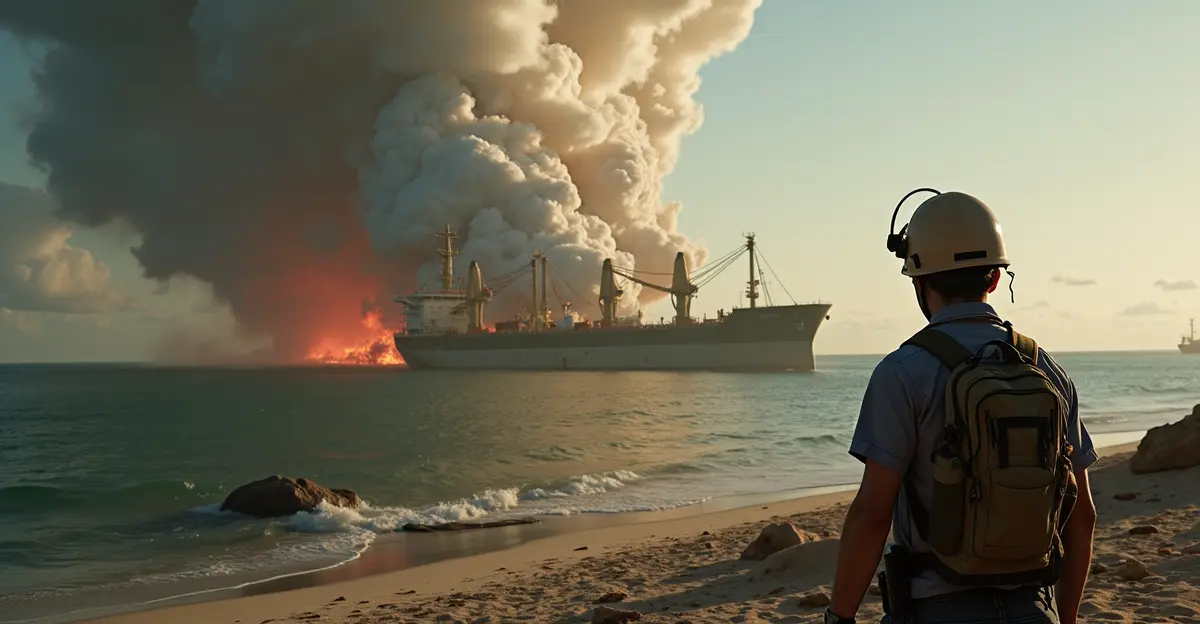
The disruption began on February 28, 2026, when the U.S. and Israel launched airstrikes against Iran. In retaliation, Iran's IRGC blocked the strait by attacking merchant ships, laying sea mines, and issuing transit warnings.
How much did oil prices rise?
Brent crude surged about 65% in March 2026—the largest monthly rise on record—peaking at $126 per barrel before settling near $93 by June.
How has global trade been affected?
UNCTAD projects global merchandise trade growth will fall from 4.7% in 2025 to as low as 1.5% in 2026, with ship transits through the strait collapsing by 95%.
What is the impact on food security?
The crisis has disrupted fertilizer exports (13% of global nitrogen fertilizers), driving up costs 20–60%. The World Bank warns up to 45 million more people could face acute food insecurity.
Is the crisis accelerating renewable energy adoption?
Yes. Many experts and energy CEOs argue that the crisis highlights fossil fuel supply vulnerabilities, accelerating investments in solar, wind, batteries, and electrification as more reliable alternatives.
Conclusion
The Strait of Hormuz shock of 2026 has proven that a single maritime chokepoint can reshape the global economy within weeks. With trade growth halved, oil markets in turmoil, and developing economies facing a triple crisis, the event marks a turning point in energy security and geopolitical strategy. Whether the world emerges with more resilient supply chains and accelerated clean energy adoption—or deeper fragmentation—remains the defining question for the remainder of 2026.

Follow Discussion