


 Deutsch
 English
 Español
 Français
 Nederlands
 Português


 Share
Share




UN Secretary-General Issues Dire Financial Warning
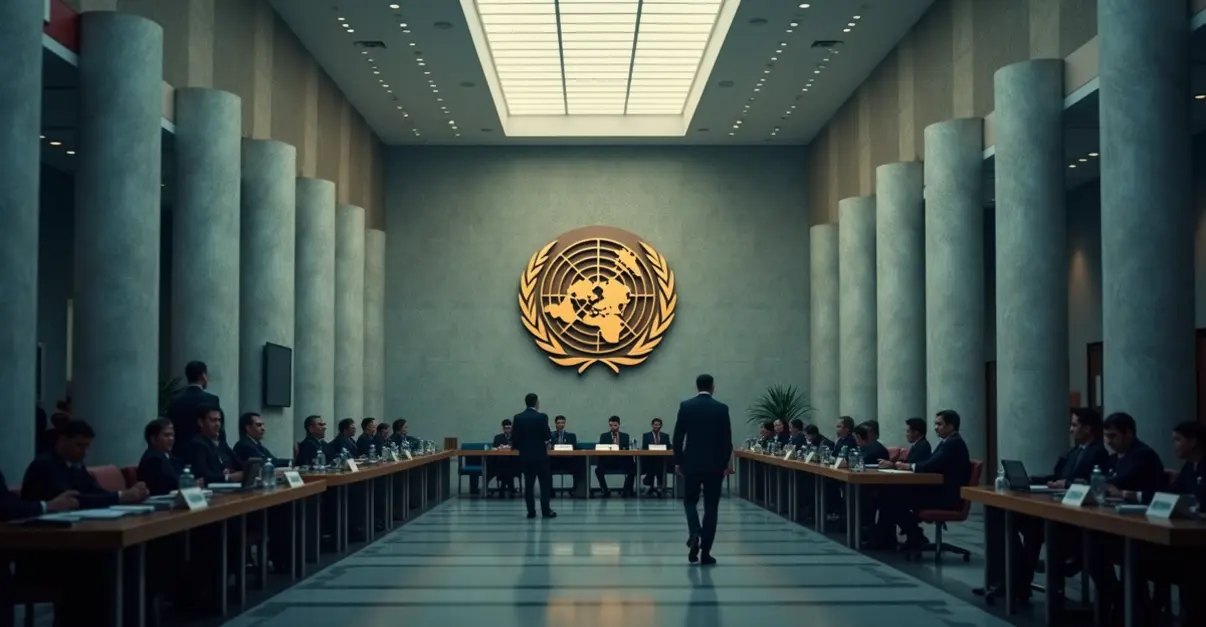
United Nations Secretary-General António Guterres has issued an unprecedented warning to the organization's 193 member states: the UN faces an 'imminent financial collapse' that could occur as early as July 2026. In a stark letter to member nations, Guterres revealed that the UN ended 2025 with a staggering $1.57 billion deficit, primarily due to member states failing to pay their mandatory contributions.
The American Factor
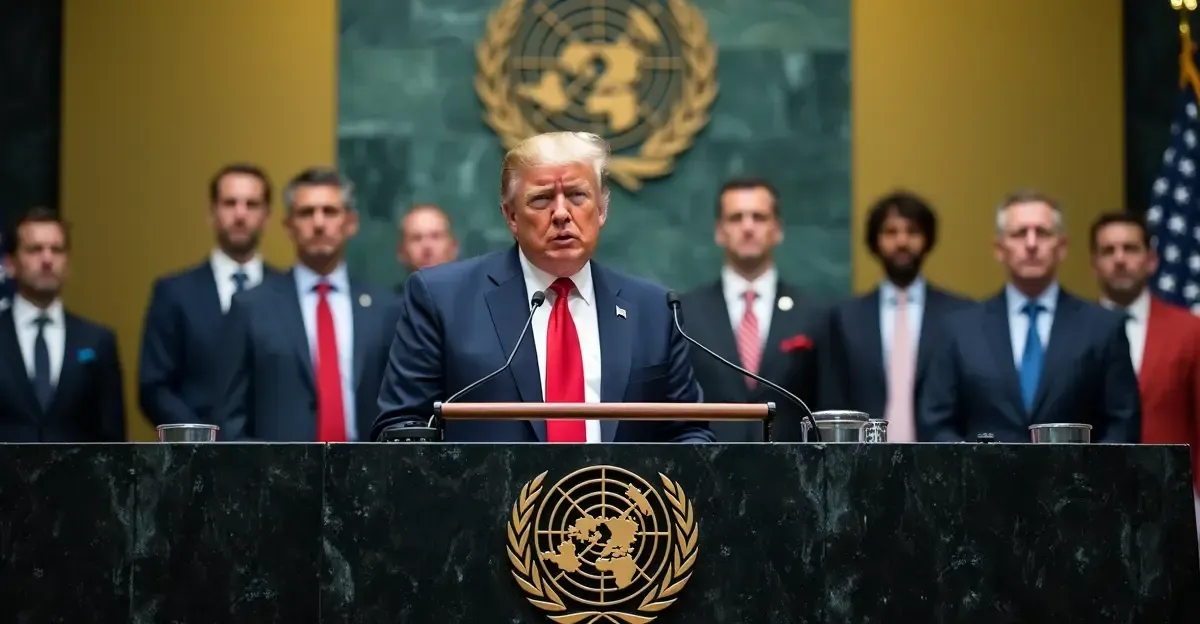
The crisis has been significantly exacerbated by the United States, the UN's largest contributor, which has been withholding payments and withdrawing from numerous UN agencies. According to BBC reports, the U.S. paid only 30% of its promised funding for UN operations last year and has recently withdrawn from the World Health Organization and dozens of other UN bodies. The Trump administration has characterized UN payments as 'a waste of taxpayer money'.
A Broken Financial System
Guterres highlighted a particularly damaging financial rule that requires the UN to return money for programs that weren't implemented—even when the organization never received the promised funding in the first place. This month alone, the UN must return approximately $227 million under this rule. 'The crisis is deepening, threatening UN projects and could lead to financial collapse,' Guterres wrote in his letter.
Real-World Consequences
The financial crisis is already having tangible impacts on UN operations worldwide. According to Reuters, UN Women has been forced to close mother and baby clinics in Afghanistan, while the World Food Programme has cut rations to Sudanese refugees. In UN offices in Geneva, signs have been posted explaining the severity of the situation, with elevators regularly turned off and heating lowered to save money.
Historical Context and Future Implications
The United Nations was established in 1945 following World War II to maintain international peace and security, promote human rights, foster social and economic development, and coordinate humanitarian assistance. António Guterres, who became the ninth UN Secretary-General in 2017, has warned about financial problems before but never with such urgency. He has implemented drastic cost-cutting measures, but these may prove insufficient without systemic change.
Guterres has given member states an ultimatum: either honor their financial obligations or fundamentally overhaul the UN's financial rules. With only 77% of owed contributions paid in 2025—a record low—the organization faces its most severe financial crisis since its founding. The coming months will determine whether the international community can rescue the institution designed to serve it.

Follow Discussion