


 Deutsch
 English
 Español
 Français
 Nederlands
 Português


 Share
Share




The de facto closure of the Strait of Hormuz following the February 2026 escalation in the Middle East has triggered the largest disruption to global oil markets in history. With Brent crude averaging $86 per barrel in 2026 according to the World Bank's April 2026 Commodity Markets Outlook, and European gas futures surging 56%, the crisis extends far beyond energy. Fertilizer prices have jumped 31%, threatening acute food insecurity for up to 45 million people, primarily in developing economies. This article analyzes the cascading macroeconomic and strategic consequences—from supply chain rerouting via the Cape of Good Hope to the asymmetric impact on energy importers versus exporters—and examines whether the global economy is entering a prolonged period of fragmentation driven by chokepoint vulnerability.
Background: The Strait of Hormuz and the 2026 Iran War
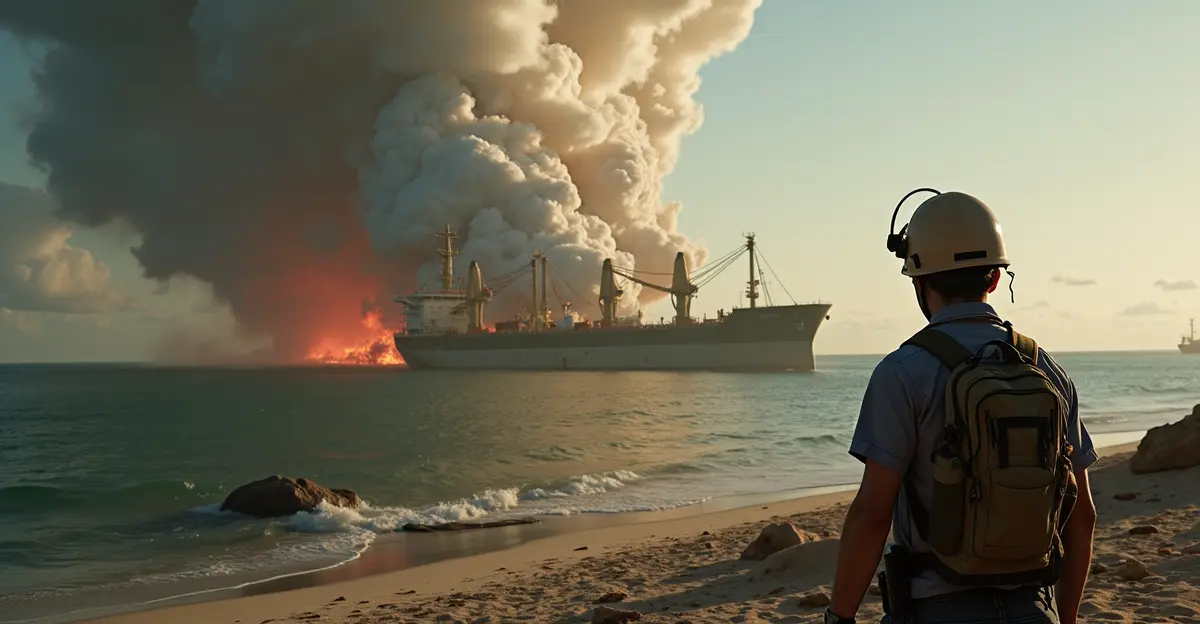
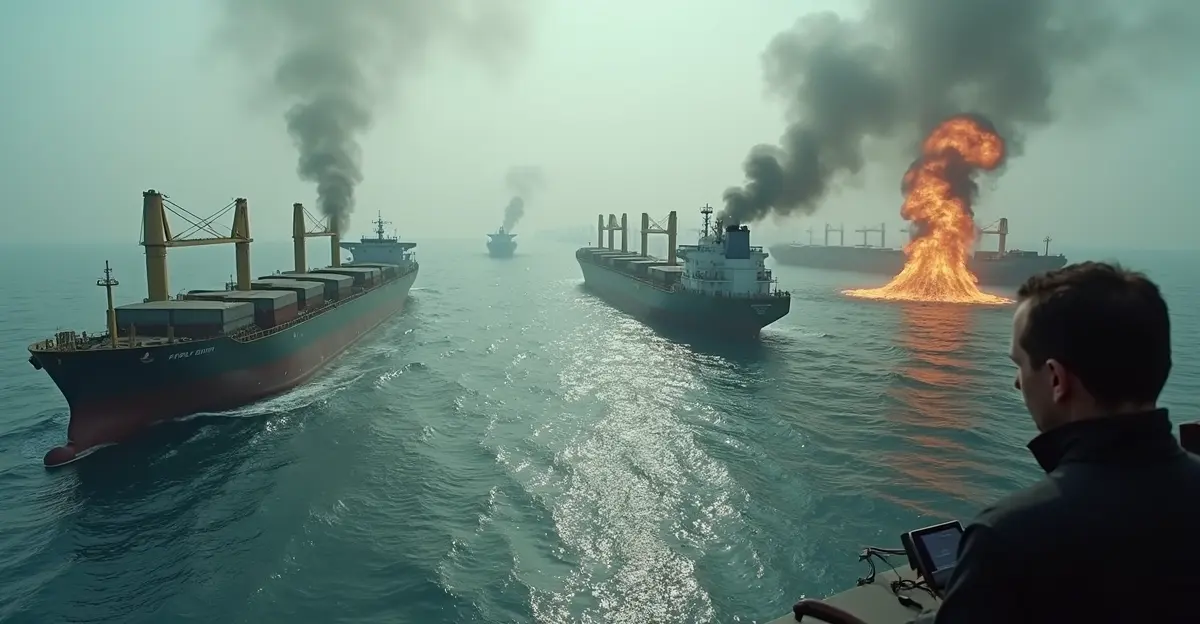
The Strait of Hormuz is a 167-kilometer waterway connecting the Persian Gulf to the Gulf of Oman. Before the 2026 conflict, roughly 20% of the world's daily oil supply and 25% of seaborne LNG passed through this chokepoint. On February 28, 2026, the United States and Israel launched airstrikes on Iran, assassinating Supreme Leader Ali Khamenei and targeting military and nuclear sites. Iran retaliated by closing the strait, mining the waters, and attacking vessels, effectively removing approximately 10 million barrels per day (mb/d) from global markets—a disruption three to five times larger than the 1973 Arab oil embargo. The 2026 Iran war quickly escalated into a regional conflict involving Hezbollah, Yemen's Houthis, and Gulf Arab states.
Energy Market Disruption: Unprecedented in Scale
Oil Markets
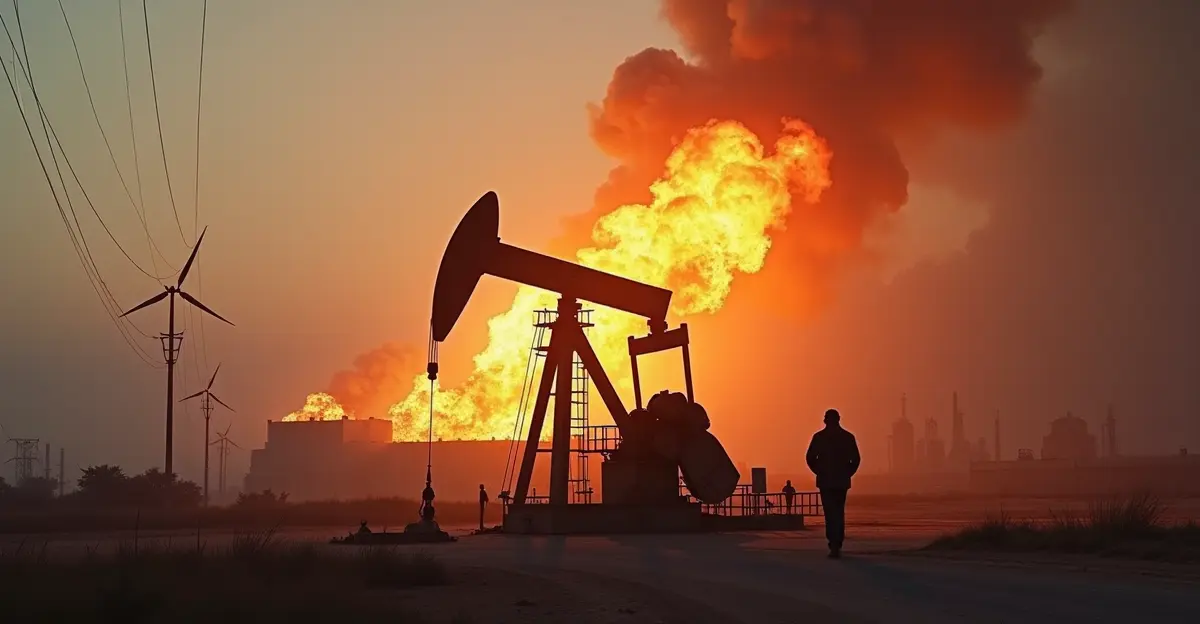
Brent crude, which traded at $61 per barrel in January 2026, surged to a peak of $138 per barrel in March before settling around $106 by mid-April. The World Bank's April 2026 report projects Brent averaging $86 for the full year—a 16% rise in overall commodity prices, the first annual increase since 2022. The International Energy Agency (IEA) reported on March 11 that member countries agreed to release 400 million barrels from emergency reserves to stabilize markets. Global oil supply dropped by 8 mb/d in March alone, with Gulf producers including Saudi Arabia, Iraq, and Kuwait forced to halt production as storage facilities filled to capacity. The global oil supply shock has no modern precedent in scale.
Natural Gas and LNG
European gas futures surged 56% as Qatar—a major LNG exporter—suspended production after facility damage. Iran halted ammonia production, and India reduced fertilizer output due to lower LNG feedstock. The IEA's March 2026 Oil Market Report noted that global observed oil stocks stood at 8,210 million barrels in January—the highest since February 2021—but these buffers are being drawn down rapidly.
Fertilizer Crisis and Food Security Fallout
The Strait of Hormuz is the conduit for roughly one-third of global seaborne fertilizer trade, including 46% of urea exports. The World Bank's fertilizer price index rose over 12% in Q1 2026, with urea prices surging 80% since February to above $850 per metric ton in April. DAP and MOP prices also rose sharply. The World Food Program estimates that approximately 260 million people were already facing acute food insecurity before this shock. The crisis threatens an additional 45 million people, primarily in Sub-Saharan Africa and South Asia. Yara International's CEO estimated the fertilizer shortage is costing the world approximately 10 billion meals per week. Even a temporary shortfall could compound food security risks well into 2027, as reduced fertilizer application translates directly into lower crop yields. The global food security crisis 2026 is intensifying as countries consider export bans.
Supply Chain Rerouting and Economic Fragmentation
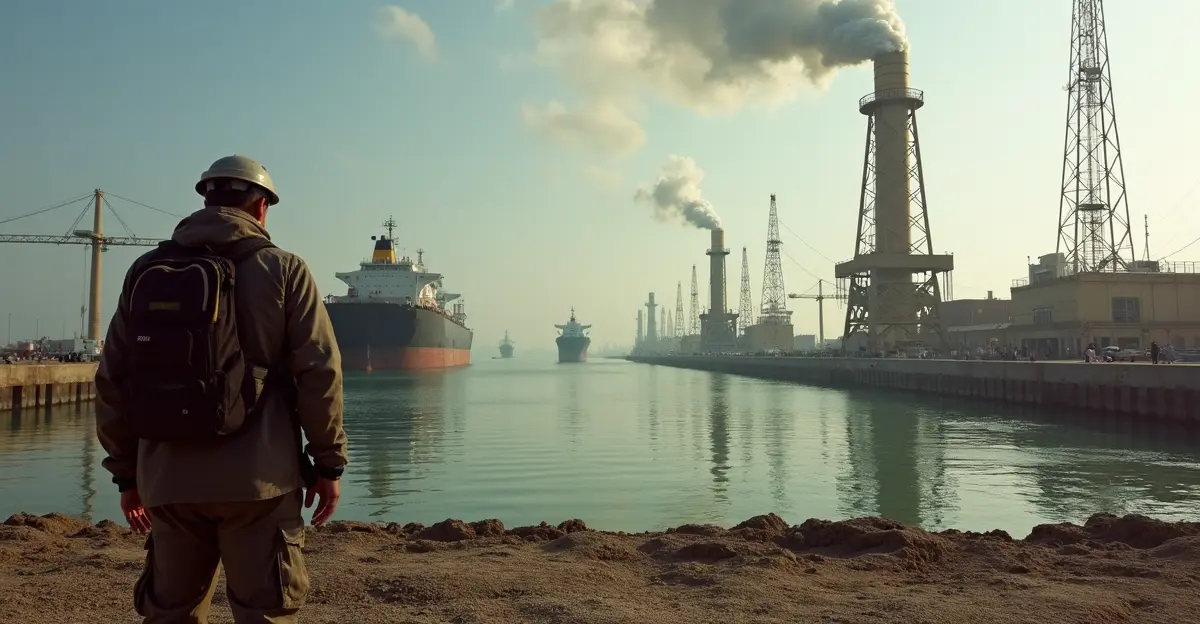
With the strait effectively closed, shipping routes are being rerouted via the Cape of Good Hope, adding 10–14 days to voyages and significantly increasing freight costs. The UNCTAD analysis warns that developing countries are disproportionately affected due to their reliance on imported energy and fertilizers. The crisis is accelerating a structural shift toward regionalized supply chains. The United States launched the FORGE Alliance (Forum on Resource Geostrategic Engagement), a 54-country coalition creating a preferential trade-and-investment zone for critical minerals, mobilizing over $30 billion. Meanwhile, the IMF projects global growth could fall to as low as 2.0% in a severe scenario, with inflation above 6%. The Dallas Fed estimates that a one-quarter closure could lower GDP growth by nearly 3 percentage points. The supply chain fragmentation 2026 trend is reshaping global trade architecture.
Asymmetric Impact: Winners and Losers
The crisis has created stark winners and losers. Energy-importing developing economies face the worst outcomes: Bangladesh shut universities to conserve power, South Korea imposed fuel price caps for the first time in 30 years, and China halted fuel exports. Japan faces a 'naphtha crisis' disrupting medical goods production. In Europe, Lufthansa shut down a subsidiary due to doubled kerosene prices, and jet fuel shortages threaten flight cancellations by May–June. By contrast, some energy exporters—including the United States, Canada, and Brazil—stand to benefit from higher prices and increased market share. The US Strategic Petroleum Reserve was drawn down to 243 million barrels—its lowest since 1982. The energy importers vs exporters 2026 divide is widening global economic inequality.
Expert Perspectives
"This is the most severe oil supply shock in decades, with implications for inflation, food security, and geopolitical alignment that will define the strategic landscape for the remainder of 2026," notes the World Bank's April 2026 Commodity Markets Outlook. The IMF's March 2026 analysis confirms that developing economies face a four-year high in inflation, while the IEA warns that spare capacity globally is insufficient to fill the gap left by Hormuz. A fragile Pakistan-brokered ceasefire began on April 8, 2026, but analysts warn of a deep trust deficit, with talks set to resume in Islamabad.
Frequently Asked Questions
What caused the Strait of Hormuz closure in 2026?
The closure was triggered by the US-Israeli airstrikes on Iran on February 28, 2026, which assassinated Supreme Leader Khamenei. Iran retaliated by mining the strait and attacking vessels, effectively blocking all maritime traffic through this critical chokepoint.
How much oil supply was lost?
Approximately 10 million barrels per day were removed from global markets—roughly 10% of global oil supply and 20% of seaborne oil trade. This is the largest supply disruption in the history of the oil market.
What is the impact on food security?
Fertilizer prices surged 31%, with urea up 80%. The World Food Program warns that up to 45 million additional people could face acute food insecurity, primarily in Sub-Saharan Africa and South Asia, as reduced fertilizer use threatens crop yields.
How are supply chains being rerouted?
Ships are taking the longer route around the Cape of Good Hope, adding 10–14 days to voyages. The crisis is accelerating a shift toward regionalized supply chains, with the US launching the FORGE Alliance to secure critical mineral supplies.
What is the economic outlook?
The IMF projects global growth could fall to 2.0% in a severe scenario, with inflation above 6%. The World Bank expects a 16% rise in commodity prices in 2026, the first annual increase since 2022.
Conclusion: A New Era of Chokepoint Vulnerability
The Hormuz blackout has exposed the fragility of globalized energy and food systems. Even if the ceasefire holds and the strait reopens, the crisis is likely to leave lasting scars: accelerated renewable energy deployment, permanent restructuring of trade routes, and a heightened awareness of chokepoint risk. The geopolitical risk 2026 outlook suggests that the global economy is entering a prolonged period of fragmentation, where energy security and supply chain resilience take precedence over efficiency. The world will not soon forget the lesson of Hormuz.
Follow Discussion