


 Deutsch
 English
 Español
 Français
 Nederlands
 Português


 Share
Share




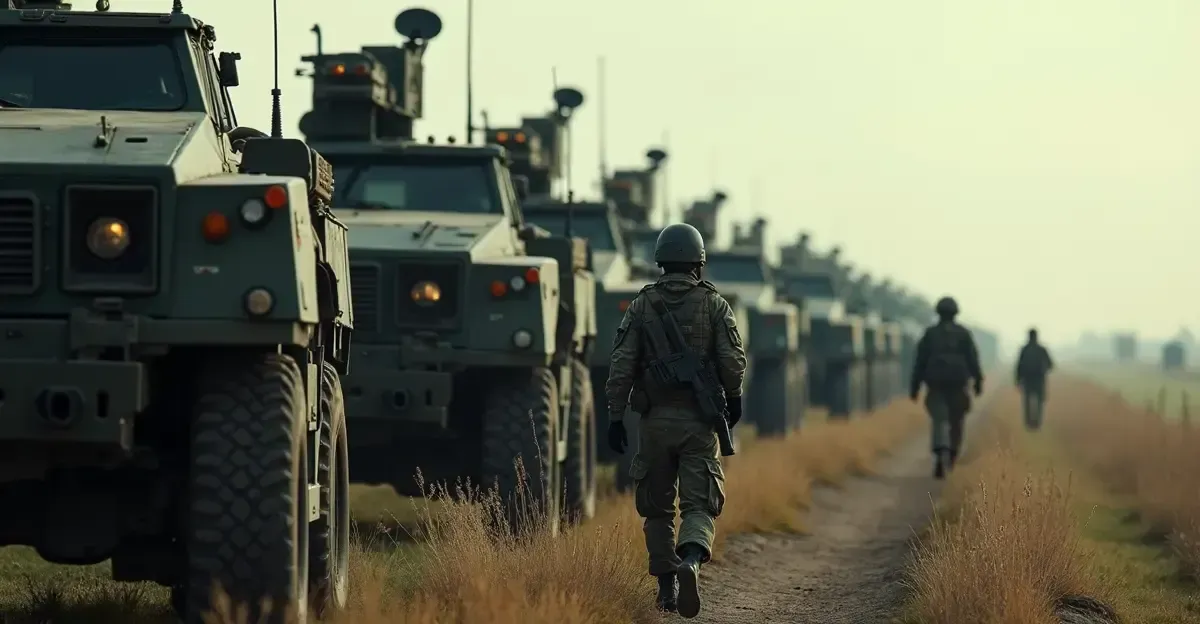
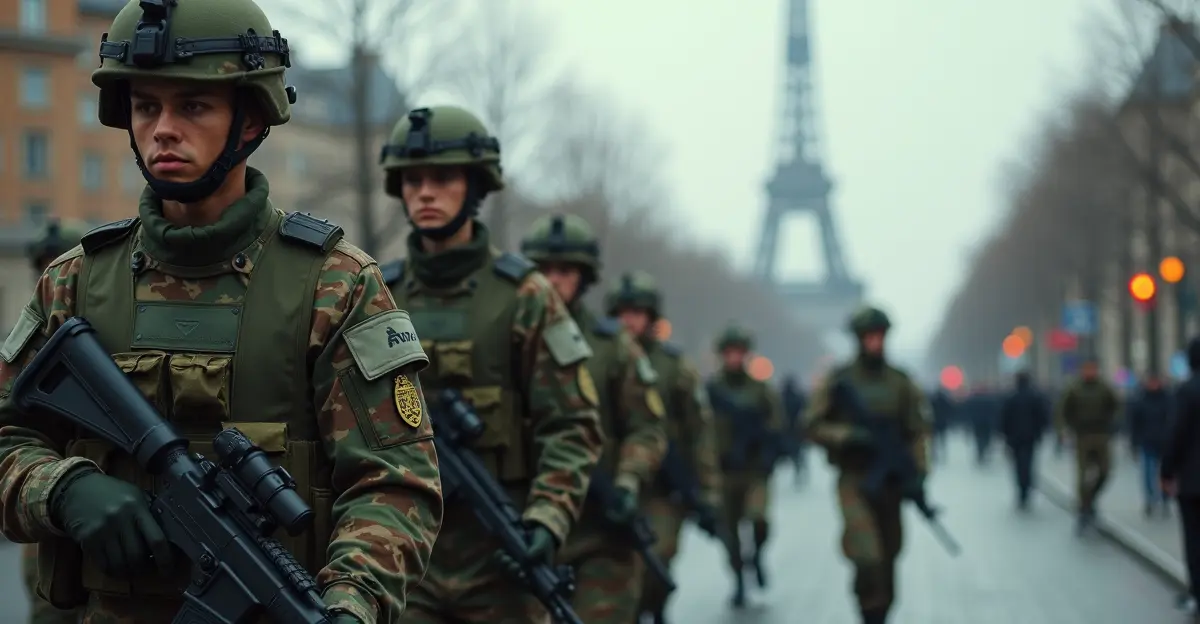
European NATO members are undertaking their largest peacetime military buildup in decades, with combined defense budgets projected to approach €800 billion annually by decade's end. Triggered by Russia's war on Ukraine and NATO's new 3.5% GDP spending floor agreed at the June 2025 Hague Summit, this transformation involves Germany's €100 billion special fund, Poland's 4.5% GDP allocation, and the EU's €150 billion SAFE loan program for joint procurement. As 2026 budgets reflect the first full-year implementation of these commitments, the question is no longer whether Europe will spend more, but whether it can spend wisely.
The Hague Summit: A New Benchmark for European Defense
At the NATO summit in The Hague on June 25, 2025, all 32 allies unanimously agreed to raise defense spending to 5% of GDP by 2035, with a binding minimum of 3.5% for core defense requirements. NATO Secretary-General Mark Rutte credited U.S. President Donald Trump for pushing the increase, noting that European allies and Canada would take greater responsibility for shared security. The declaration also allocated up to 1.5% of GDP for critical infrastructure, resilience, civil preparedness, and defense industrial base strengthening. European allies and Canada increased combined defense expenditure by nearly 20% in real terms in 2025 compared to 2024, reaching over USD 571 billion. The NATO spending targets will be reviewed in 2029, but the trajectory is clear: Europe is rearming at a pace not seen since the Cold War.
National Champions: Germany and Poland Lead the Charge
Germany's Zeitenwende Becomes Reality
Germany's 2026 defense budget stands at a record €108.2 billion, combining a regular Bundeswehr budget of €82.7 billion with €25.5 billion from the special "Zeitenwende" (turning point) fund established after Russia's 2022 invasion. This raises Germany's defense outlay to approximately 2.8% of GDP, nearly double France's budget, with projections reaching 3.5% of GDP (~€162 billion) by 2029. Major procurements include up to 1,000 Leopard 2A8 tanks, 3,500 Boxer armored vehicles, Patriot/MEADS air-defense systems, and around 20 additional Eurofighter jets. The budget also funds 10,000 new soldiers and approximately €9 billion per year in Ukraine assistance. Defense Minister Boris Pistorius emphasized that security concerns now take precedence over budget constraints. Germany is also leading the European Sky Shield Initiative for continental missile defense.
Poland: NATO's Frontline Spender
Poland has the highest defense burden in NATO, with a 2026 budget of 4.8% of GDP (200 billion zloty, approximately $44.7 billion). This marks a dramatic increase from 2.2% of GDP in 2022, more than doubling in under five years. Warsaw endorsed the NATO 5%-by-2035 target and plans to maintain spending above 4% of GDP through the decade. Major arms purchases from South Korea (K2 tanks, K9 howitzers, FA-50 light fighters, Chunmoo rocket systems) and the United States (M1 Abrams tanks, HIMARS, F-35A fighters, Patriot systems) exceed $100 billion in total orders. As a frontline NATO state bordering Russia and Belarus, Poland hosts U.S. forces and serves as the key logistics hub for Ukraine aid. The EU has approved an escape clause exempting defense spending from budgetary rules, allowing Poland to sustain its military buildup while managing its deficit.
The EU's SAFE Instrument: Pooling Resources for Joint Procurement
The EU's Security Action for Europe (SAFE) instrument, adopted on May 27, 2025, provides up to €150 billion in competitively priced, long-maturity loans for procurement of critical defense capabilities. SAFE is the first pillar of the ReArm Europe Plan/Readiness 2030, aiming to unlock over €800 billion in defense spending. Projects must involve common procurement with at least two member states, with Ukraine and EEA-EFTA countries eligible to participate. SAFE funds two categories of defense products: Category 1 (ammunition, artillery, ground combat, small drones, cyber, military mobility) and Category 2 (air/missile defense, maritime systems, larger drones, space assets, AI, electronic warfare). A key condition is that no more than 35% of component costs may originate outside the EU/EEA-EFTA/Ukraine. The first disbursements began in mid-2025, with Poland receiving the largest allocation (€43.7 billion). The EU defense industrial strategy aims to transform fragmented national efforts into a coherent continental capability.
Structural Challenges: Industrial Fragmentation and Labor Shortages
Despite record budgets, Europe's defense industrial base faces major structural challenges. European NATO forces operate highly fragmented platforms—more than four times the fragmentation level of the United States. Europe produces 20 different frigate types and over 10 tank types, preventing economies of scale. A McKinsey analysis from February 2026 notes that equipment stocks remain below 2021 levels due to donations to Ukraine and long delivery timelines. The labor crisis is equally severe: defense job postings remain 41% above 2021 levels, while the sector needs an estimated 500,000 additional workers by 2030. A quarter of defense engineers are nearing retirement, and attrition rates stand at 13%—four times the U.S. rate—as workers leave for higher-paying tech and automotive roles. Major contractors like Rheinmetall (needing 9,000 new workers by 2028), KNDS, and BAE Systems are raising wages by 8-15% and launching apprenticeship programs. The EU's November 2025 Defence Industry Transformation Roadmap aims to retrain 600,000 workers by 2030 and proposes a Defence Industry Talent Platform. The European defense labor crisis threatens ammunition production timelines and NATO readiness targets.
Strategic Implications: Transatlantic Relations and European Autonomy
The buildup carries profound implications for transatlantic relations. Under Chancellor Merz, Germany plans to source only 8% of its €80 billion procurement program from American manufacturers—a conscious step toward strategic autonomy. However, 78% of defense equipment historically has been procured outside the EU, with 63% from the United States. The SAFE instrument's 35% non-EU content cap aims to shift this balance, but may strain ties with Washington. NATO's new spending targets were partly driven by U.S. demands for burden-sharing, and European allies are now delivering—but with an eye toward reducing long-term dependence on American arms. The European strategic autonomy debate is no longer theoretical; it is being written into procurement contracts and industrial policy.
Expert Perspectives
"The scale of this buildup is unprecedented in peacetime Europe," says defense analyst Clara von der Leyen of the European Council on Foreign Relations. "But money alone does not buy security. The real test is whether Europe can integrate its fragmented industrial base, retain skilled workers, and deliver capabilities before the threat matures." The International Institute for Strategic Studies (IISS) warns that Russia could pose a conventional threat to NATO by 2027, underscoring the urgency of streamlining procurement and deepening European cooperation.
Frequently Asked Questions
What is the NATO 3.5% GDP defense spending target?
Agreed at the June 2025 Hague Summit, NATO allies committed to invest at least 3.5% of their GDP on core defense requirements by 2035, with an additional 1.5% for resilience and infrastructure, totaling 5% of GDP.
How much is Europe spending on defense in 2026?
Combined European NATO defense budgets are projected to approach €800 billion annually by the end of the decade. In 2026, Germany spends €108.2 billion, Poland spends 4.8% of GDP (~€44.7 billion), and the EU's SAFE program provides €150 billion in loans.
What is the EU SAFE program?
SAFE (Security Action for Europe) is an EU instrument adopted in May 2025 that provides up to €150 billion in loans for joint procurement of critical defense capabilities, requiring participation by at least two member states and limiting non-EU content to 35%.
Why is Europe increasing defense spending now?
The primary trigger is Russia's 2022 invasion of Ukraine, which exposed Europe's underinvestment in defense. NATO's new spending targets and U.S. pressure for burden-sharing have accelerated the buildup.
What are the main challenges facing Europe's defense buildup?
Key challenges include industrial fragmentation (over 150 different weapon systems), severe labor shortages (500,000 additional workers needed by 2030), supply chain bottlenecks, and the need to convert financial commitments into actual military capabilities before potential threats materialize.
Conclusion: A Decisive Moment for European Security
Europe's €800 billion defense pivot represents a historic shift in the continent's security posture. The 2026 budgets are the first full-year test of commitments made at The Hague, and the coming years will determine whether Europe can overcome its structural weaknesses to build a credible, autonomous defense capability. Success would reshape transatlantic relations and establish Europe as a genuine military actor; failure could leave the continent vulnerable at a time of maximum danger. The world is watching.



Follow Discussion