


 Deutsch
 English
 Español
 Français
 Nederlands
 Português


 Share
Share




What is Neofascism? Understanding the Threat to Transatlantic Relations
The rise of neofascism in America represents one of the most significant geopolitical shifts of 2026, fundamentally altering the transatlantic security landscape that has defined Western defense since World War II. According to Frans Osinga, Professor of War Studies at Leiden University, 'What we see happening in America is actually the rise of neofascism. It is extremely worrying how quickly democratic foundations are being eroded there.' This alarming assessment comes as Europe faces unprecedented challenges to its security architecture, with the NATO alliance facing its most serious crisis since its founding.
Neofascism, defined as a post-World War II ideology incorporating nationalist, authoritarian principles into modern political systems, has gained significant traction in American politics. The movement combines ultranationalism, disdain for democratic institutions, and militarization of society with contemporary elements like anti-globalization and xenophobia. As Osinga notes, 'It's all incredibly tragic. We're returning to an era we hoped this kind of division would never return.'
Europe's Military Independence: A Strategic Imperative
With the United States undergoing profound political transformation, Europe faces urgent questions about its military capabilities and strategic autonomy. According to Osinga, while Europe remains dependent on American military technology, the continent is not defenseless if Russia were to invade a European country without American support. 'We have enough military power in Europe to withstand an attack. Also technologically, even if some of that technology still comes from the US, as is the case with the F-35,' Osinga explains.
However, the transition to greater independence requires significant investment and time. 'It will take another five years before we have reduced our dependence on the American defense industry,' Osinga acknowledges. The European Union's 'Readiness 2030' plan aims to strengthen Europe's industrial base and incentivize buying within the bloc, with estimates suggesting a need for 500 billion euros over five years. 'With thirty member states, that's financially feasible if you do it together. But that lies within the capacity of an extremely rich continent like Europe.'
The F-35 Dilemma: Symbol of American Dependence
The F-35 fighter jet program exemplifies Europe's defense dependency challenges. Portugal, traditionally a close U.S. ally, is now seriously considering European alternatives like the French Rafale and Swedish Gripen due to concerns about U.S. policy unpredictability. Canada is also questioning its commitment to 88 F-35s worth C$19 billion, prioritizing domestic production and maintenance over foreign dependence.
France has capitalized on this trend by promoting its Rafale fighter and investing in defense infrastructure, positioning itself as a leader in European defense autonomy. The European Union is actively supporting this shift through initiatives like the European Defence Fund and the Future Combat Air System project. This movement represents a broader geopolitical realignment where European nations seek greater defense sovereignty and reduced dependence on American military technology.
Political Division and Strategic Realignment
The transatlantic rift extends beyond military procurement to fundamental political divisions. 'Significantly, not only Republicans are cheering the end of the transatlantic alliance, Democrats are also making a turn,' Osinga observes. 'Under Obama, the US security focus had already shifted toward the Pacific, the South China Sea. Because America sees China as a major threat: a country that has it in it to revise the rules of the international game and take over America's dominant role.'
This strategic reorientation has accelerated under the current administration, with the 2026 National Defense Strategy representing a significant shift from previous approaches. Key radical changes include making homeland and hemispheric security top priorities, with extensive focus on counter-drug and counter-migration efforts, while turning over European defense primarily to European allies.
European Defense Capacity: Strengths and Limitations
Europe possesses substantial military capabilities but faces significant challenges in sustaining prolonged conflict. According to Osinga, 'In the longer term, there are problems because we don't immediately have the capacity to hold out for long.' The development of certain defense industries simply takes ten years, requiring realistic expectations and substantial financial commitment.
The European defense industry faces additional challenges from raw material dependencies, particularly on China for rare earth minerals used in advanced weapons. Despite these hurdles, the sense of urgency among European leaders is palpable. 'The feeling of urgency lives enormously in Europe,' Osinga emphasizes, noting that recent geopolitical developments have fundamentally changed European security calculations.
FAQ: Neofascism and European Security
What is neofascism?
Neofascism is a post-World War II ideology representing nationalist, authoritarian movements influenced by early 20th-century European fascism. It incorporates contemporary elements like anti-globalization, xenophobia, and populism while maintaining core characteristics including ultranationalism and disdain for democracy.
How is Europe reducing military dependence on the US?
Europe is pursuing multiple strategies including the EU's 'Readiness 2030' plan, increased defense spending, development of indigenous weapons systems like the Future Combat Air System, and diversification away from American platforms like the F-35 toward European alternatives.
Can Europe defend itself without American support?
According to military experts like Frans Osinga, Europe has sufficient military power to withstand initial attacks but faces challenges in sustaining prolonged conflict without American logistical and technological support. The continent is actively working to address these limitations through increased investment and industrial development.
What impact does American neofascism have on NATO?
The rise of neofascist tendencies in American politics threatens the fundamental principles of the transatlantic alliance, potentially undermining collective defense commitments and creating strategic uncertainty for European security.
How much will European defense independence cost?
Estimates suggest approximately 500 billion euros over five years, distributed among 30 European nations. While substantial, this represents a manageable investment for what Osinga describes as 'an extremely rich continent.'
Sources and Further Reading
This analysis draws on multiple sources including interviews with Frans Osinga, Professor of War Studies at Leiden University; the 2026 National Defense Strategy analysis from CSIS; European defense industry reports from Chatham House; and academic research on neofascism from various political science journals. For more information on related topics, explore our coverage of European security challenges and global political trends.
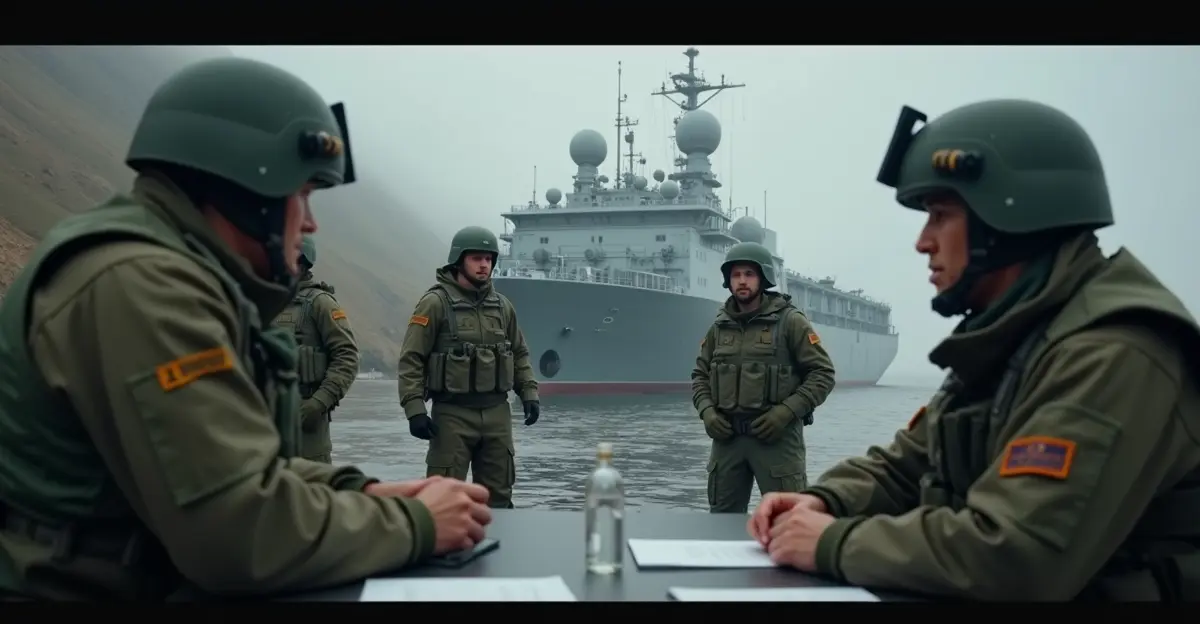
'The alliance between the US and the EU, cemented in NATO and since World War II the basis of security in Europe, was deliberately put at risk during the Greenland crisis,' Osinga notes, highlighting the deliberate nature of current transatlantic tensions. As Europe navigates this unprecedented security landscape, the continent faces both profound challenges and opportunities to redefine its strategic future.


Follow Discussion