


 Deutsch
 English
 Español
 Français
 Nederlands
 Português


 Share
Share




In February 2026, the United States and 54 allied nations launched the FORGE (Forum on Resource Geostrategic Engagement) initiative, the most ambitious coordinated Western response yet to China's near-total dominance over rare earth processing. The move comes as Beijing tightens export controls on samarium, gadolinium, and lutetium—critical elements for defense, green tech, and advanced manufacturing—spiking prices sixfold and forcing Western automakers to halt production lines. With the U.S. unveiling Project Vault, a $10 billion strategic reserve, and signing 21 bilateral frameworks, the question is whether the West can rebuild independent supply chains within a narrowing 12-to-18-month window before Chinese control becomes structurally irreversible.
Background: The Critical Minerals Crisis
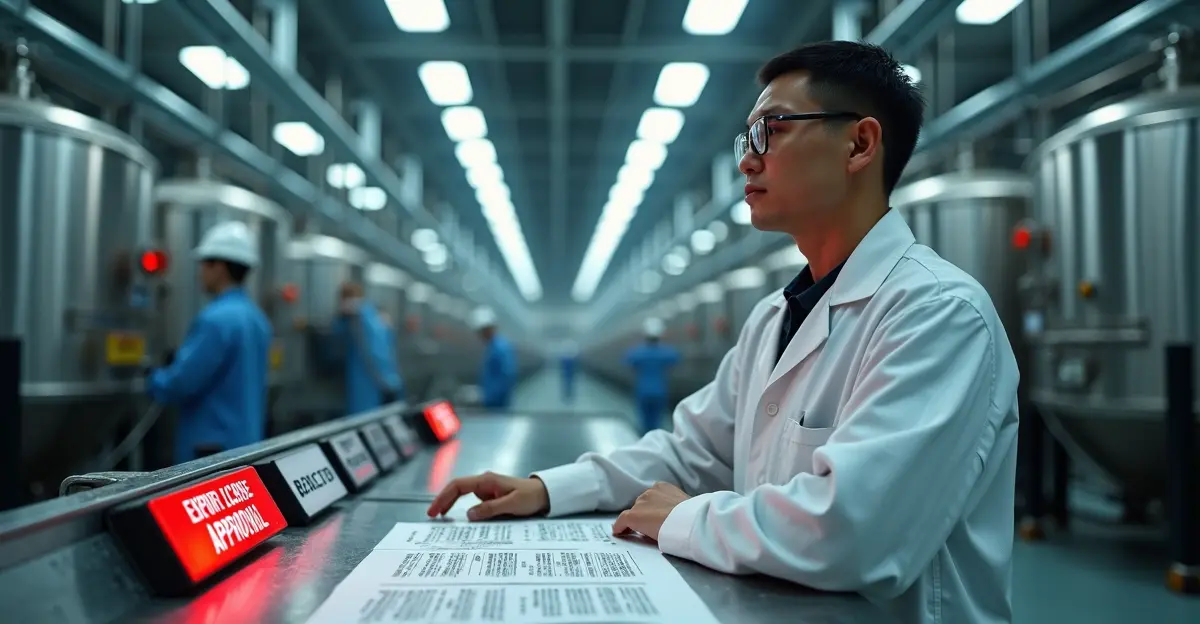
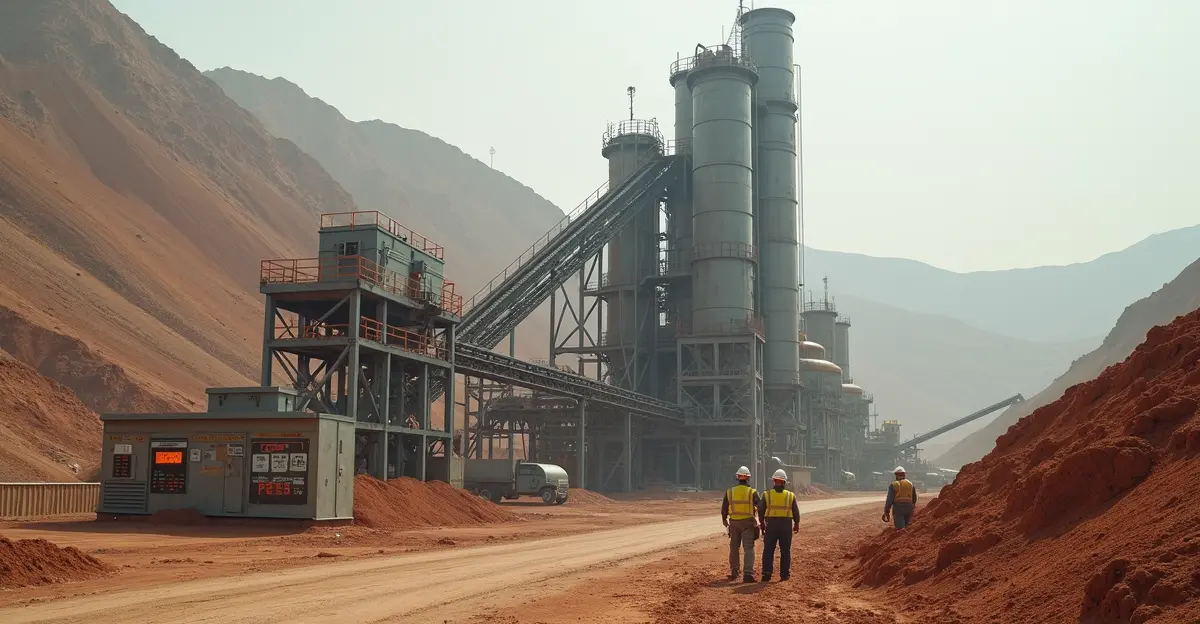
China currently controls roughly 90% of global rare earth processing and 92% of neodymium-iron-boron (NdFeB) magnet production, materials essential for everything from electric vehicle motors to missile guidance systems. In April 2025, Beijing introduced new export licensing requirements for seven rare earth elements, including samarium, gadolinium, and lutetium, demanding detailed end-use certificates from foreign buyers. By early 2026, these controls had escalated into what analysts call a 'soft blockade,' with approval delays of up to 45 working days and extraterritorial provisions threatening to regulate overseas use of controlled materials. The rare earth supply chain vulnerability has become a top national security concern for Western governments.
The impact has been immediate. Prices for medium and heavy rare earths outside China surged sixfold, disrupting production at major automotive and defense manufacturers. European defense companies face critical shortages for precision-guided munitions, military aircraft, and radar systems. The 2025 rare earth export controls triggered a wave of supply chain anxiety, prompting the U.S. to accelerate its response.
The FORGE Initiative: A New Geopolitical Framework
Launch at the 2026 Critical Minerals Ministerial
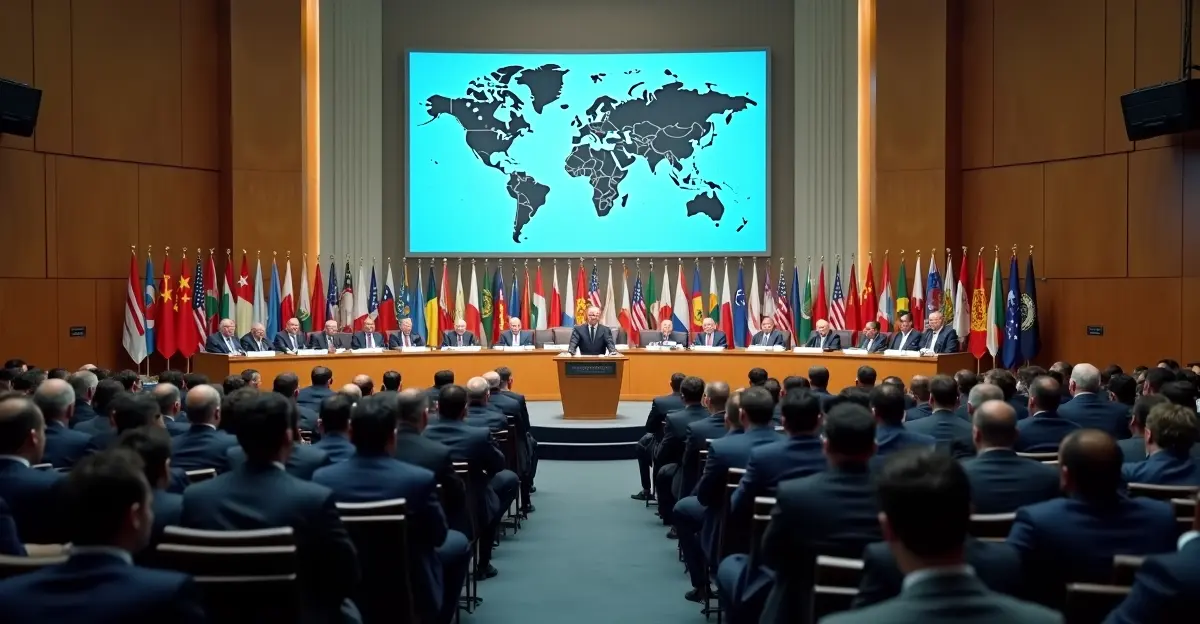
On February 4, 2026, U.S. Secretary of State Marco Rubio, Vice President JD Vance, and other top officials hosted the 2026 Critical Minerals Ministerial in Washington, D.C., with representatives from 54 countries and the European Commission. The centerpiece was the launch of FORGE, the successor to the Minerals Security Partnership (MSP), now chaired by the Republic of Korea. FORGE aims to coordinate mineral policy, project financing, and trade rules among member nations, creating a preferential bloc for critical minerals free from geopolitical coercion.
Bilateral Frameworks and Price Floors
The U.S. signed 11 new bilateral critical minerals frameworks at the Ministerial, with countries including Argentina, Morocco, the Philippines, the UAE, and the UK, building on 10 previous pacts. Negotiations were completed with 17 additional nations. Vice President Vance announced that the U.S. would establish reference prices acting as floors, maintained through adjustable tariffs for FORGE members—a mechanism designed to stabilize markets and incentivize domestic processing. The critical minerals trade bloc represents a significant realignment of global trade architecture.
Project Vault: America's $10 Billion Strategic Reserve
On February 2, 2026, the Export-Import Bank of the United States (EXIM) approved Project Vault, a $10 billion direct loan to launch America's Strategic Critical Minerals Reserve. The public-private partnership will store essential raw materials—including rare earths, lithium, and copper—across U.S. facilities to protect domestic manufacturers from supply shocks. Participating companies include Clarios, GE Vernova, Western Digital, and Boeing, with suppliers like Hartree Partners and Traxys. The initiative is part of over $30 billion in U.S. government support mobilized for strategic mineral projects.
China's Response and the 12-to-18-Month Window
Beijing has not stood still. The 2026 Import-Export Licensing Catalogue tightened controls further, and a controversial '0.1% Rule' threatening extraterritorial enforcement was temporarily suspended until November 2026 following G7 pushback, but remains a looming threat. Analysts warn that Western nations have a 12-to-18-month window to build independent processing capacity before Chinese dominance becomes structurally irreversible. The China rare earth monopoly has proven resilient, and scaling up alternative supply chains requires massive capital, time, and technical expertise.
Implications for Defense, Green Tech, and Global Trade
The stakes extend far beyond rare earths. Critical minerals are the backbone of AI, robotics, batteries, and advanced defense systems. Without secure supplies, Western automakers face prolonged production halts, renewable energy projects stall, and military readiness erodes. The FORGE initiative and Project Vault signal a fundamental shift toward resource nationalism and strategic stockpiling, but success hinges on execution. The Western critical mineral strategy must overcome years of underinvestment and regulatory hurdles.
Expert Perspectives
"China's export controls are not a ban but a licensing regime designed to create uncertainty and force technology transfer," said Dr. Elena Marchetti, a critical minerals analyst at the Center for Strategic and International Studies. "The 12-to-18-month window is realistic if governments and private sector move in lockstep, but any delays could lock in Chinese dominance for another decade."
EXIM Chairman John Jovanovic stated: "Project Vault will create jobs, strengthen economic and national security, and deliver a net positive return for U.S. taxpayers. This is about ensuring American manufacturers have the materials they need, when they need them."
FAQ
What is the FORGE initiative?
FORGE (Forum on Resource Geostrategic Engagement) is a U.S.-led coalition of 54 nations launched in February 2026 to coordinate critical mineral policies, project financing, and trade rules, aiming to reduce dependence on Chinese rare earth processing.
Why did China impose rare earth export controls?
China tightened controls on samarium, gadolinium, and lutetium in 2025-2026 to leverage its dominant processing position for geopolitical advantage, requiring end-use certificates and creating supply chain uncertainty for Western manufacturers.
What is Project Vault?
Project Vault is a $10 billion U.S. strategic critical minerals reserve announced in February 2026, funded by the Export-Import Bank, to stockpile rare earths, lithium, and copper for domestic manufacturers.
How long will it take to break China's rare earth dominance?
Analysts estimate a 12-to-18-month window to build independent processing capacity before Chinese control becomes structurally irreversible, though full self-sufficiency may take a decade or more.
What are the price impacts of China's controls?
Prices for medium and heavy rare earths outside China have surged up to sixfold since the controls took effect, disrupting production in automotive, defense, and renewable energy sectors.
Conclusion and Future Outlook
The FORGE initiative and Project Vault represent a historic pivot in Western resource strategy, but the path ahead is fraught with challenges. Building new processing facilities, securing mining permits, and training skilled workers will take years. The 12-to-18-month window is a race against time—and against Beijing's own efforts to consolidate its grip. The outcome will shape not just the rare earth market, but the broader balance of economic and military power for decades to come.



Follow Discussion