


 Deutsch
 English
 Español
 Français
 Nederlands
 Português


 Share
Share




The failure of a potential peace deal between the United States and Iran to advance in recent weeks reveals how President Donald Trump has lost control of the diplomatic agenda, according to strategic analysts. Patrick Bolder, analyst at The Hague Centre for Strategic Studies (HCSS), argues that Trump is increasingly powerless as Iran dictates the pace and terms of negotiations.
What is the current state of US-Iran negotiations?
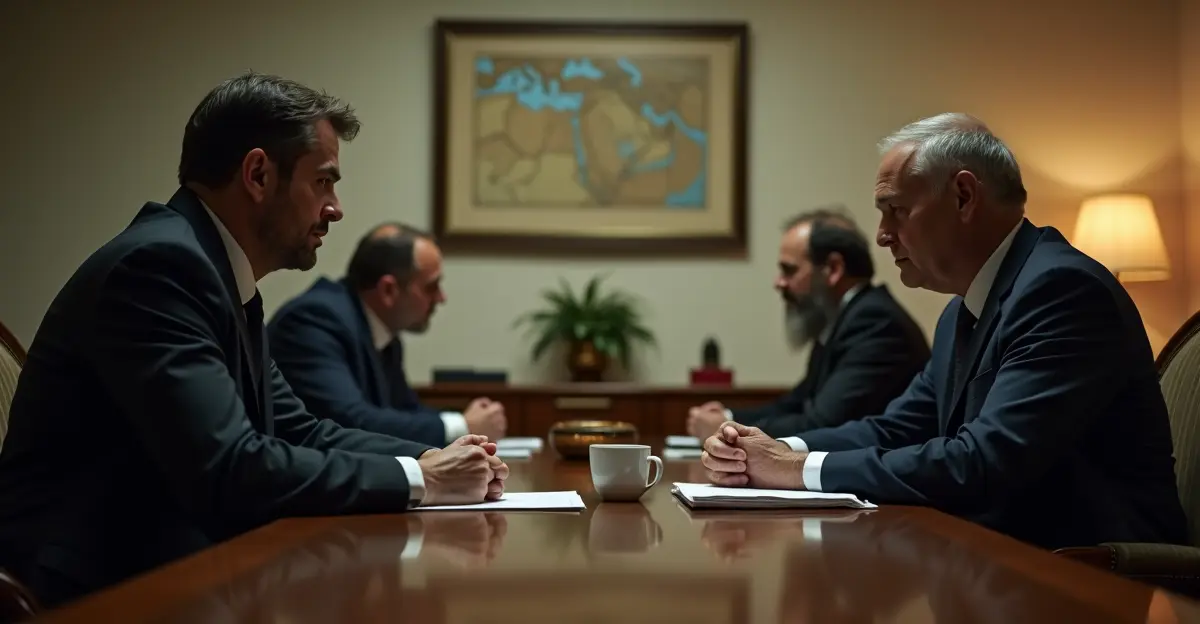
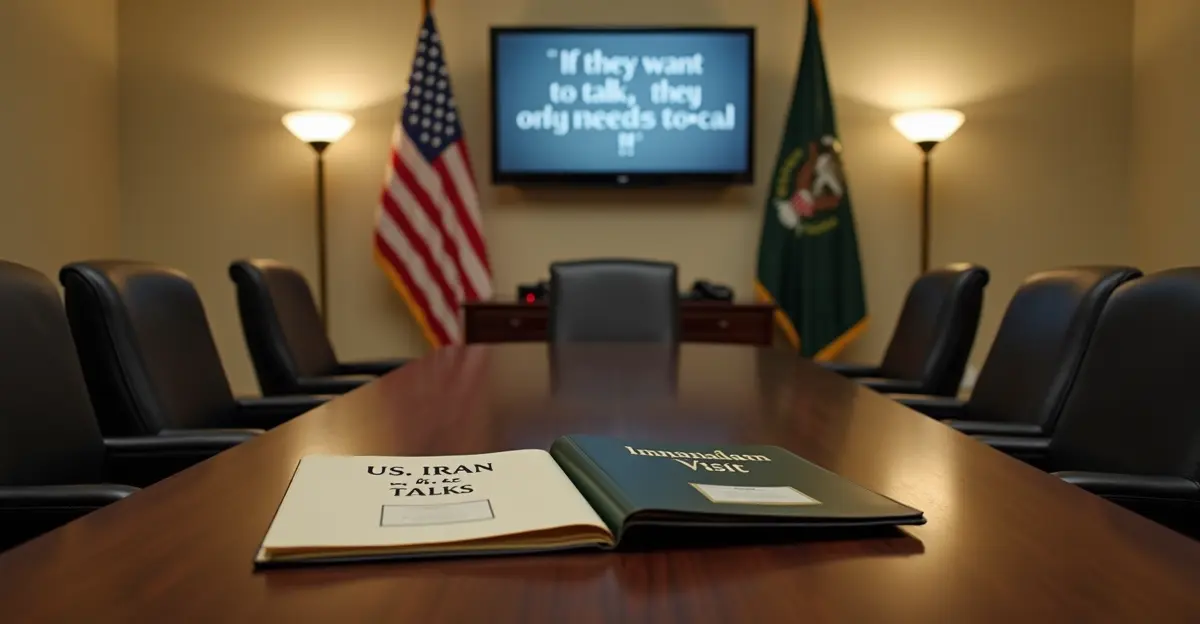
The US-Iran negotiations, which began in April 2025 under Omani mediation, have stalled repeatedly. After a 60-day deadline set by Trump passed without agreement, Israel launched large-scale strikes on Iranian nuclear sites in June 2025, prompting Iran to suspend talks. A temporary ceasefire was announced on April 7, 2026, but by late May 2026, Iran had broken off all contacts with the US. On June 3, 2026, Iran launched attacks on Kuwait and Bahrain, drawing retaliatory US strikes and threatening the fragile truce.
According to Bolder, the situation shows that Trump is 'stuck in the swamp' and no longer controls events. 'He no longer sets the agenda — Iran does,' Bolder told BNR. The analyst pointed to Trump's angry phone call with Israeli Prime Minister Benjamin Netanyahu, in which Trump reportedly called Netanyahu 'f***ing crazy' over Israeli strikes on Lebanon. Iran had linked any potential peace deal to a ceasefire in Lebanon, forcing Trump to intervene on Iran's behalf. The US-Iran nuclear deal negotiations remain in limbo.
Why is Trump losing control of foreign policy?
Middle East: Iran and Israel
Trump's inability to secure a deal with Iran is the most visible sign of his waning influence. Despite repeatedly claiming a deal was imminent, Iran has contradicted him at every turn. The June 3 attacks on Kuwait and Bahrain — targeting US allies — directly challenged US deterrence. The US struck back, but Bolder notes: 'Nobody benefits from letting it all blow up again. The costs for America are enormous, and they have depleted their weapons stockpiles significantly.'
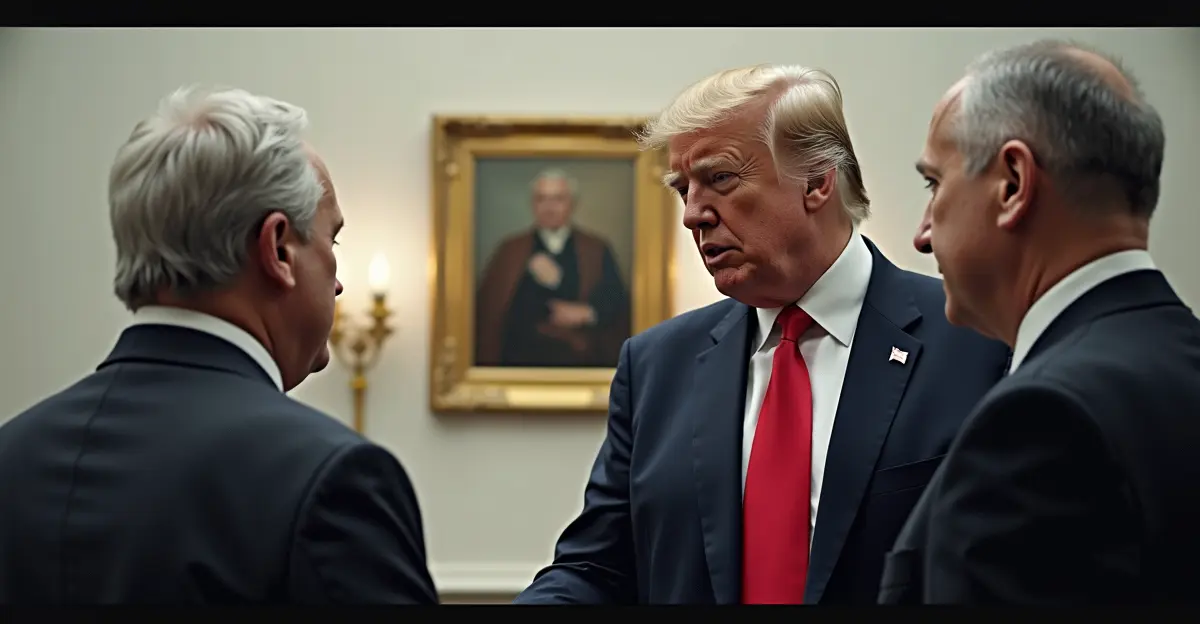
The tense exchange with Netanyahu underscores Trump's reduced leverage. According to US officials, Trump told Netanyahu: 'You'd be in prison if it weren't for me. I'm saving your a*s. Everybody hates you now.' Trump later confirmed the call on the Pod Force One podcast, saying he was 'a little bit perturbed' and told Netanyahu 'we gotta stop this.' The episode highlighted how Trump's Middle East policy challenges have forced him into a reactive stance.
Ukraine: Europe fills the gap
Trump's promise to end the Russia-Ukraine war in 24 hours has not materialized. Instead, the US has reduced weapons and intelligence support to Ukraine. However, Bolder argues that Ukraine no longer depends on Washington: 'Ukraine doesn't need America as much anymore.' European partners have stepped up, and Ukraine insists the EU must have a seat at any future negotiations. US military aid to Ukraine has dropped dramatically — the 2025 NDAA included only $400 million for the Ukraine Security Assistance Initiative, down from $14 billion in 2024.
Taiwan: Xi Jinping calls the shots
In Asia, Bolder sees the same pattern. During a phone call in February 2026, Chinese President Xi Jinping pressed Trump to exercise 'extreme caution' on arms sales to Taiwan. Trump reportedly agreed to hold back weapons deliveries — a break with decades of US policy. 'Previous presidents considered arms sales to Taiwan non-negotiable. Trump is breaking that taboo,' Bolder said. 'It's a sign of weakness. It's no longer Trump who sets the agenda — it's Xi.' The US-China Taiwan tensions 2026 reflect a broader shift in power dynamics.
Impact: A 'lame duck' America?
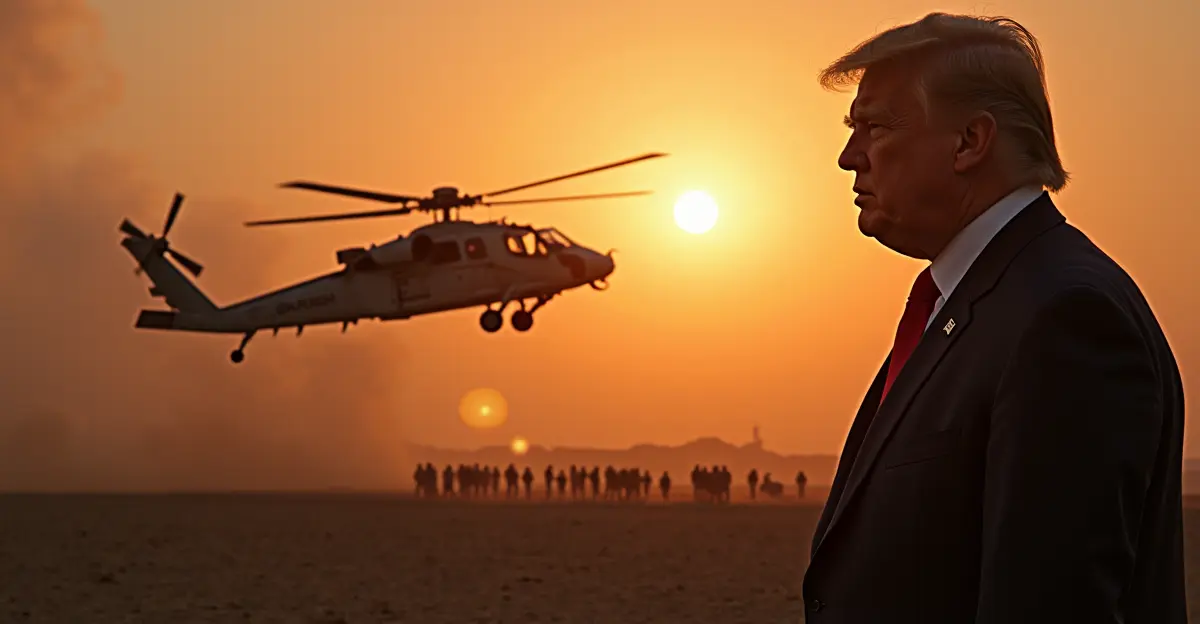
Bolder concludes that the United States has become 'lame' worldwide. Across three continents — the Middle East, Europe, and Asia — Trump is reacting to events rather than shaping them. The US military buildup in the Middle East, with 50,000 troops deployed, has not translated into diplomatic leverage. Iran's attacks on Kuwait and Bahrain, combined with its nuclear enrichment advances, suggest that Tehran believes it can act with impunity.
The situation has global implications. The Strait of Hormuz remains partially blocked, threatening oil markets. European allies are increasingly pursuing independent defense strategies. And China is asserting itself as a rival power broker. As Bolder put it: 'Trump is powerless. He doesn't set the agenda anymore — Iran, China, and even his own allies do.'
Frequently Asked Questions
What caused the US-Iran negotiations to fail?
Negotiations collapsed after Israel launched strikes on Iranian nuclear sites in June 2025, following Trump's 60-day deadline expiring without a deal. Iran suspended talks, and despite a brief ceasefire in April 2026, further attacks on Kuwait and Bahrain in June 2026 derailed progress.
Did Trump really call Netanyahu 'crazy'?
Multiple sources, including Axios and ABC News, reported that Trump used profanity-laced language toward Netanyahu during a phone call in late May 2026, calling him 'f***ing crazy' over Israeli strikes on Lebanon. Trump confirmed the call but said he was not angry, only 'perturbed.'
How has US policy on Taiwan changed under Trump?
Trump reportedly agreed to halt arms sales to Taiwan after a phone call with Chinese President Xi Jinping in February 2026, marking a significant departure from previous US administrations that treated such sales as non-negotiable.
Is the US reducing support for Ukraine?
Yes. US military aid to Ukraine has dropped sharply, from $14 billion in 2024 to $400 million in the 2025 NDAA. European allies have increased their support, and Ukraine is relying more on European defense partnerships.
What are the risks of further escalation with Iran?
Analysts warn that continued attacks on US allies in the Gulf could trigger a broader regional war. The US has 50,000 troops in the region, and both sides have depleted weapons stockpiles. A full-scale conflict would have severe economic consequences, including disruptions to oil shipments through the Strait of Hormuz.
Sources
- BNR Nieuwsradio: 'Trump is machteloos, hij bepaalt de agenda niet, maar Iran' (June 3, 2026)
- ABC News: 'Trump cursed at Netanyahu in call over Lebanon escalation' (May 2026)
- Wikipedia: 2025–2026 Iran–United States negotiations
- The Guardian: 'Xi Jinping warns Trump to be prudent on Taiwan arms sales' (February 2026)
- Atlantic Council: 'What's in the new US defense bill for Ukraine' (December 2025)
Follow Discussion