


 Deutsch
 English
 Español
 Français
 Nederlands
 Português


 Share
Share




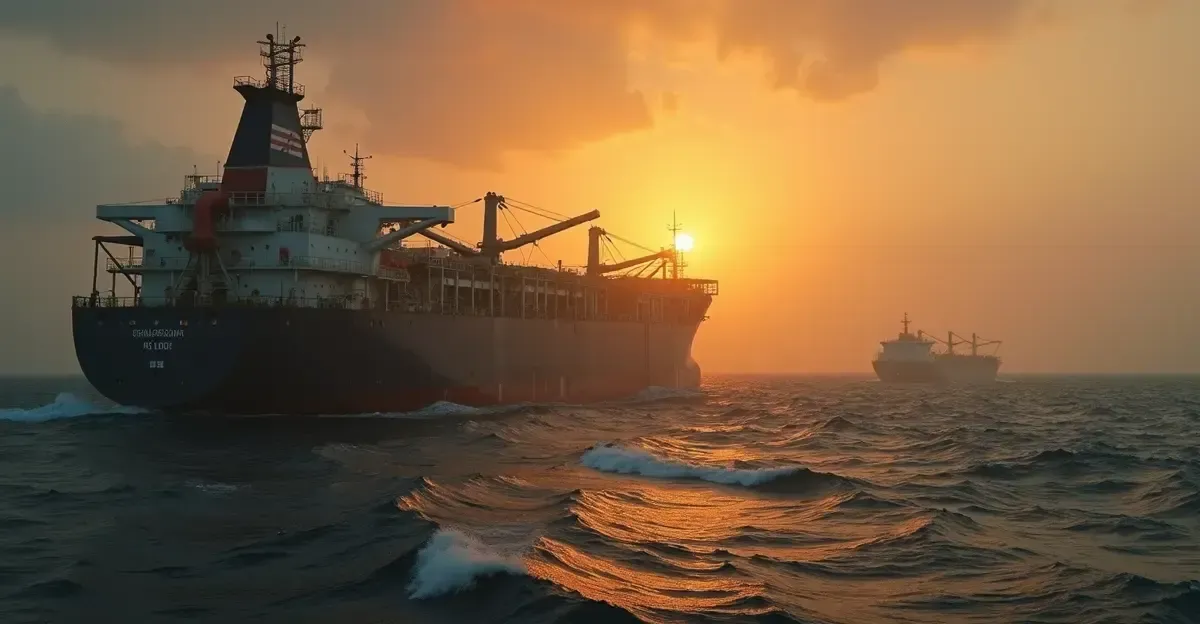
During Q1 2026, crude oil and petroleum liquids flowing through the Strait of Hormuz fell nearly 30% year-over-year to 14.6 million barrels per day, down from 20.4 million, according to the EIA's first Global Energy Security Data report. Iran's effective closure of the chokepoint sent Brent above $100 and U.S. gasoline past $4.50, exposing the fragility of a system that routes 25% of seaborne oil trade and 19% of LNG through one narrow waterway.
What Is the Strait of Hormuz and Why Does It Matter?
The Strait of Hormuz is a 167-kilometer waterway between Iran and Oman/UAE — the only sea passage from the Persian Gulf. Its outbound lanes narrow to about 3.2 kilometers. Before the 2026 Iran war, it carried about 20 million barrels per day of crude and products and 19% of global LNG. The Strait of Hormuz crisis has forced policymakers to rethink energy systems built around a single corridor.
The Q1 2026 Shock: By the Numbers
The EIA's first Global Energy Security Data report, published in April 2026, shows flows through the strait fell to 14.6 million barrels per day in Q1, down from 20.4 million a year earlier — a loss of about 6 million barrels daily. Key market effects:
- Brent averaged $103/bbl in March and peaked near $115/bbl in Q2 2026.
- U.S. gasoline passed $4.50/gal; diesel topped $5.80/gal in April.
- European TTF LNG hit $14.80/MMBtu (+35% in a week); Asia's JKM rose 51% to $16.02.
The Brent crude oil prices spike reflected lost confidence, not just lost barrels: no laden LNG vessel crossed the strait between March 1 and April 24, and Qatar's Ras Laffan complex lost 17% of global LNG capacity for up to five years.
Policy Pivot: Renewables and Nuclear as Security Tools
In its World Energy Investment 2026 report, the IEA says the Hormuz closure is reshaping investment priorities much like the 1970s oil shocks. Global energy investment is projected to hit $3.4 trillion in 2026, with $2.2 trillion going to grids, storage, low-emissions fuels, nuclear, renewables and efficiency, and $1.2 trillion to oil, gas and coal.
Within that, renewable energy investment is set to reach $665 billion ($365 billion solar), while nuclear power expansion tops $80 billion with about 80 GW under construction. For governments from Asia to Europe, these are now framed as tools of geopolitical resilience, not just climate policy.
Global Impact and Implications
The disruption has exposed trade-offs between energy independence, transition timelines and affordability. Europe, which gets 75% of its jet fuel from Middle East refineries, faced an imminent fuel crunch, while Asian LNG buyers were forced into the spot market after Qatari force majeure. U.S. strategic reserves stood at 413 million barrels versus China's 1,541 million, renewing debate over strategic petroleum reserves in an era of weaponized chokepoints.
Expert Perspectives
IEA chief Fatih Birol told CNBC the world faces 'the biggest energy security threat in history,' with a double-blockade cutting 13 million barrels per day. He said emergency reserves 'only relieve pain — the real cure is reopening the strait.' EIA Administrator Tristan Abbey warned full flow restoration will take months.
Frequently Asked Questions
How much oil flows through the Strait of Hormuz?
About 20 million barrels per day before 2026; Q1 2026 flows fell to 14.6 million b/d.
Why did the strait close in 2026?
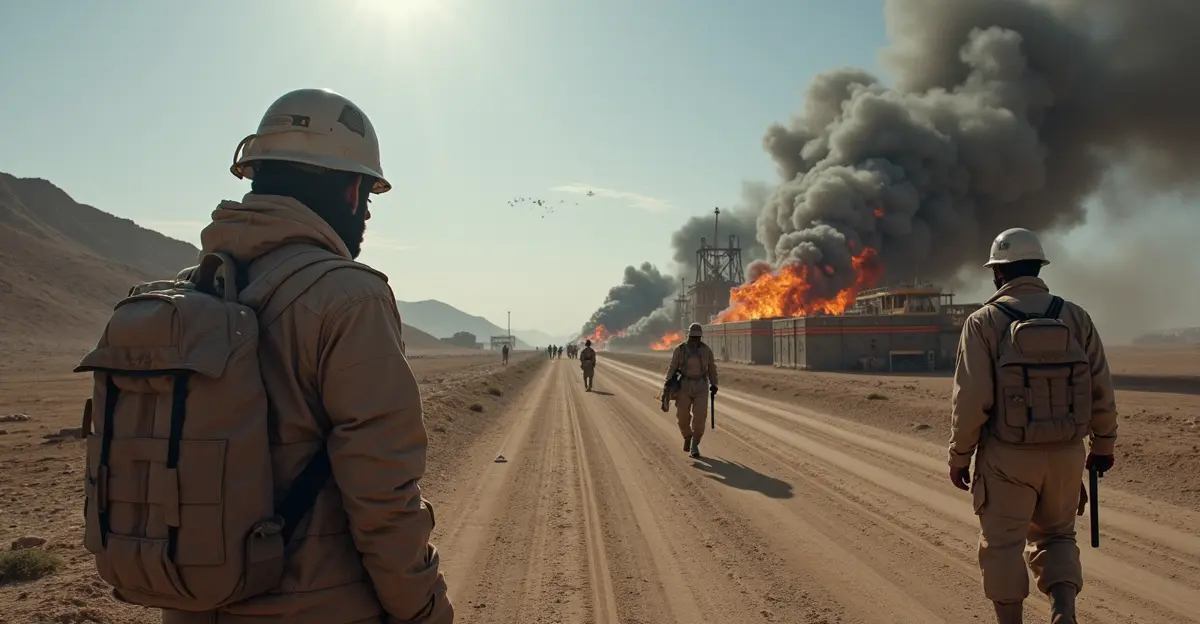
War between Iran and a U.S.-Israel coalition began in late February 2026; Iran imposed an effective blockade and Gulf energy infrastructure was attacked.
How high did oil prices go?
Brent averaged $103/bbl in March 2026 and peaked near $115–118/bbl in Q2, up more than 45%.
What did governments do?
The IEA coordinated its largest-ever release of 400 million barrels in March 2026 and is boosting renewables, nuclear, storage and grids.
How is this reshaping long-term energy policy?
Policymakers now frame renewables, nuclear and storage as geopolitical resilience tools, with $2.2 trillion of 2026 investment flowing to clean and efficient technologies.
Conclusion: A Defining Energy-Geopolitical Story of 2026
The Hormuz shock has turned a theoretical vulnerability into a measurable crisis. With the EIA's first Global Energy Security Data report and the IEA's policy tracker confirming live disruptions, nations face hard choices about supply chains, reserves and independence. As Birol said, reserves buy time — only diversified, resilient systems can end chokepoint-driven crises.

Follow Discussion