


 Deutsch
 English
 Español
 Français
 Nederlands
 Português


 Share
Share




When Iran closed the Strait of Hormuz in late February 2026, Brent crude surged past $115 per barrel and global energy security entered a new era. The military escalation severed the world's most important oil chokepoint, removing 9–14 million barrels per day and forcing a structural shift from efficiency to resilience. McKinsey's June 2026 survey ranks the Hormuz disruption as the top risk to economic growth.
What Is the Strait of Hormuz and Why Does It Matter?
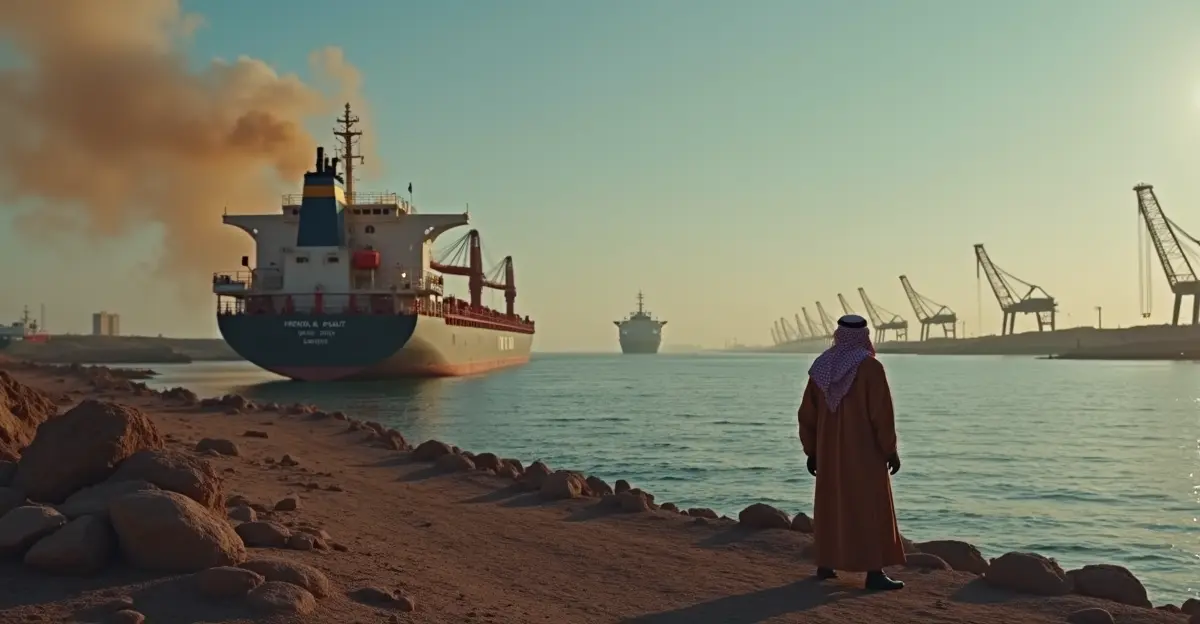
The strait is a 167-kilometer waterway between Iran and Oman connecting the Persian Gulf to the Gulf of Oman. It carried about 20 million barrels of crude daily — 20% of global petroleum consumption — and 20% of LNG trade. As the only sea passage for Gulf producers, any closure creates an immediate global oil supply chains shock.
How the February 2026 Closure Unfolded
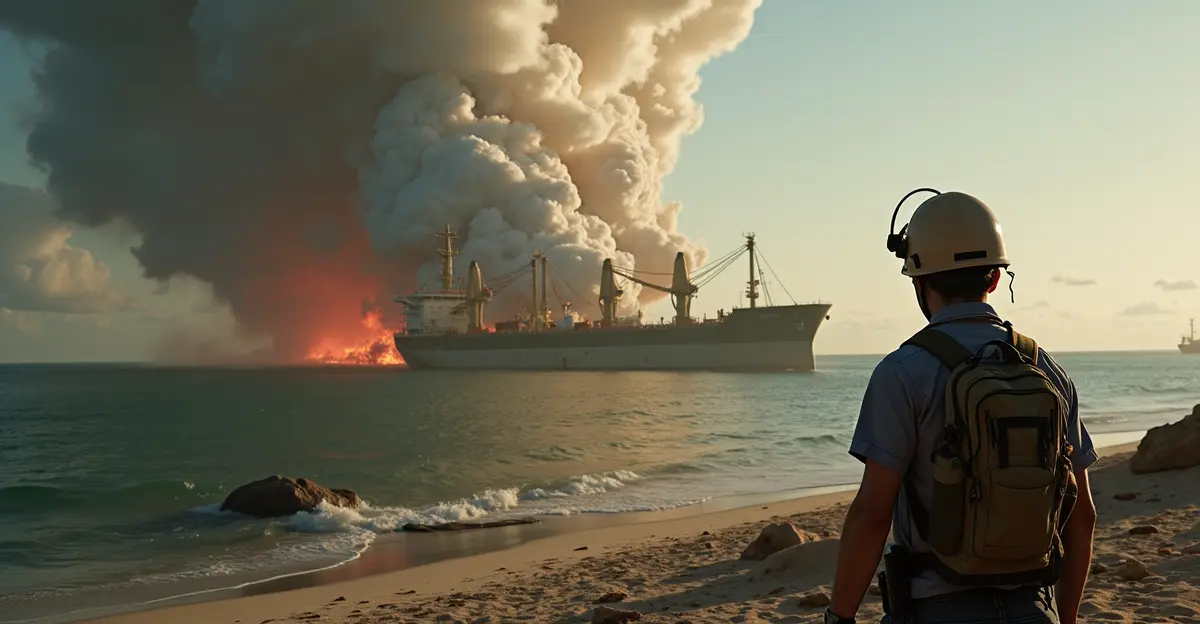
On 28 February 2026, Operation Epic Fury targeted Iran's leadership. Iran's Revolutionary Guard mined the strait, attacked ships, and blocked tanker traffic. According to the 2026 Strait of Hormuz crisis timeline, arrivals fell over 97%, stranding 20,000 mariners and 2,000 ships. Brent surged from $61 to $126 before settling near $115. The Atlas Institute notes 84% of Hormuz crude goes to Asia.
From Efficiency to Resilience: A Structural Shift
The crisis exposed a system optimized for cost, not redundancy. The IEA coordinated a record 400-million-barrel release from strategic petroleum reserves, but only 164 million barrels were delivered by mid-May, per Informed Clearly. Bypass pipelines could not replace lost volumes. Straits.live data show global SPR release capacity covers only 25–35% of the strait's flow, forcing a rethink of the IEA's 90-day benchmark.
Accelerating Diversification
Asian importers are investing in alternative routes and long-term non-Gulf supply contracts, while the US accelerates refill plans for its US strategic petroleum reserve, marking a shift from just-in-time to just-in-case energy planning.
Asymmetric Impact: Asian Importers vs Energy Producers
Japan depends on the Middle East for 95% of crude imports, South Korea for 68%, and China and India for most supply. A McKinsey March 2026 survey found 72% of executives rank geopolitical instability as their top risk, up from 51%. Energy-producing nations have benefited from higher prices, widening the gap between Asian energy importers and Gulf exporters.
Fertilizer and Food Security
About one-third of seaborne fertilizer passes through Hormuz, and urea prices surged 46%. The IMF warns 45 million more people could face acute hunger, accelerating investment in renewable energy investment to reduce fossil-fuel dependence.
What Experts Are Saying
“What changed in February 2026 is not just the price of oil, but the price of assuming chokepoints will stay open,” writes Sara Johansson. McKinsey's chokepoints framework urges regionalizing supply chains. US Baseline expects full normalization only by early 2027, with Brent averaging $86–89 in Q4 2026.
FAQ: Strait of Hormuz Crisis 2026
What caused the closure?
U.S.–Israeli airstrikes on 28 February 2026 prompted Iran's Revolutionary Guard to mine the strait and block tanker traffic.
How much oil was lost?
An estimated 9–14 million barrels per day, roughly 9–14% of global petroleum consumption — the largest shock since the 1970s.
Why are Asian importers hit hardest?
Asia receives 84% of Hormuz crude; Japan, South Korea, China, and India together take 69%, leaving them highly exposed to price spikes and shortages.
Conclusion: A New Energy Security Era
The 2026 crisis has ended the era of cheap, frictionless energy logistics. Resilience now trumps efficiency, and the chokepoint has moved from tail risk to the central variable in global energy planning.

Follow Discussion