


 Deutsch
 English
 Español
 Français
 Nederlands
 Português


 Share
Share




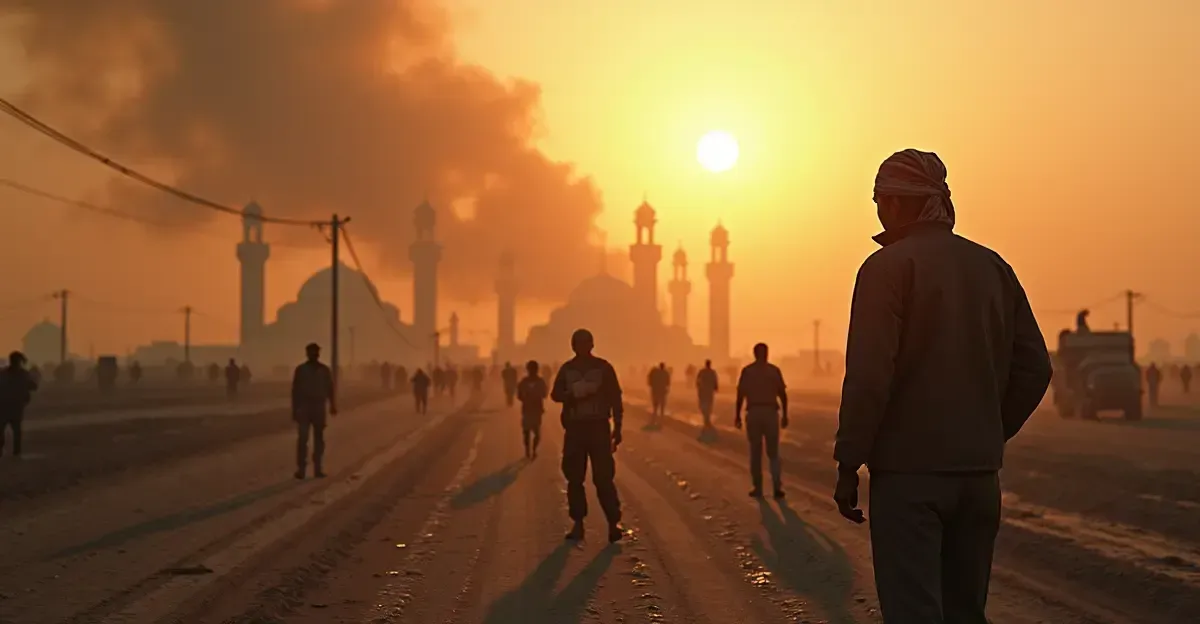
The escalation of Middle East hostilities on February 28, 2026, triggered a seismic shift in global economic sentiment, rewiring risk perceptions across boardrooms and central banks worldwide. According to McKinsey's March 2026 Global Survey, 72% of executives now cite geopolitical instability as the top risk to their organizations, up from 51% in December 2025 — the largest single-quarter jump in the survey's history. The crisis, sparked by U.S.-Israeli airstrikes on Iran and the subsequent closure of the Strait of Hormuz, has cascaded through energy markets, supply chains, and inflation expectations, forcing a fundamental reassessment of strategic planning.
The February 28 Trigger: A New Era of Geopolitical Risk
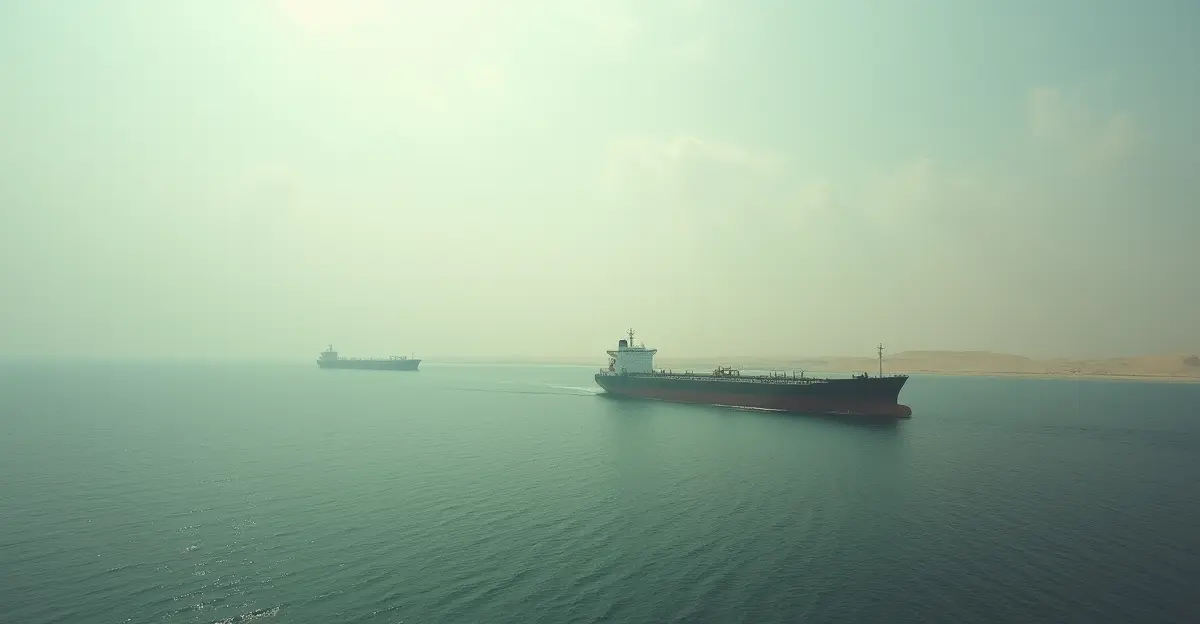
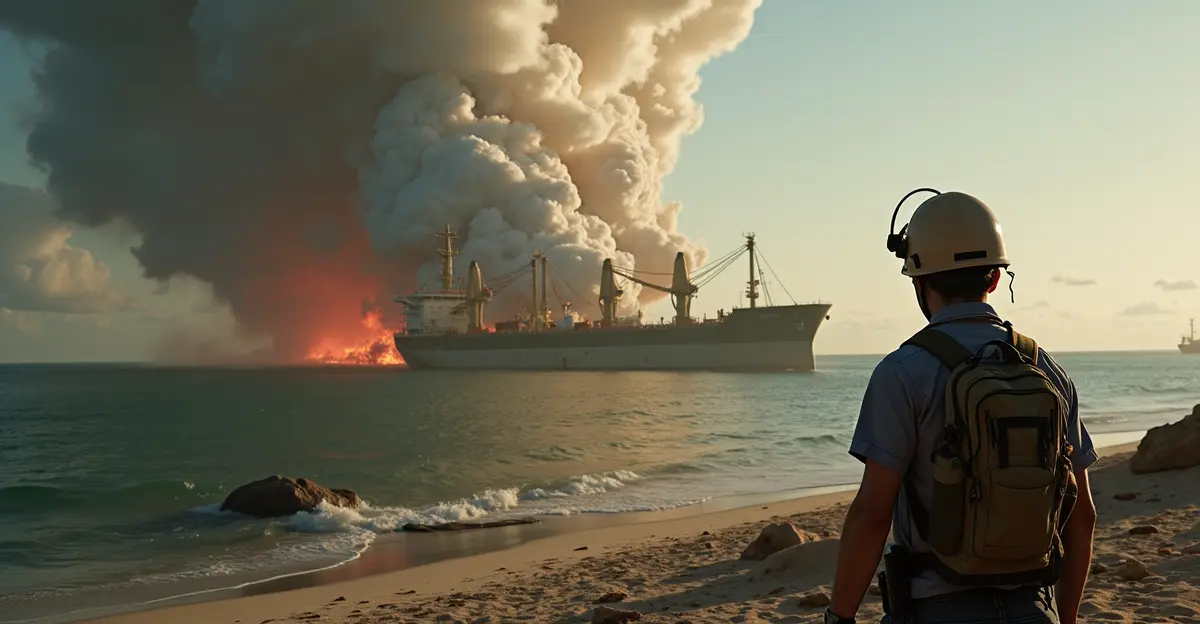
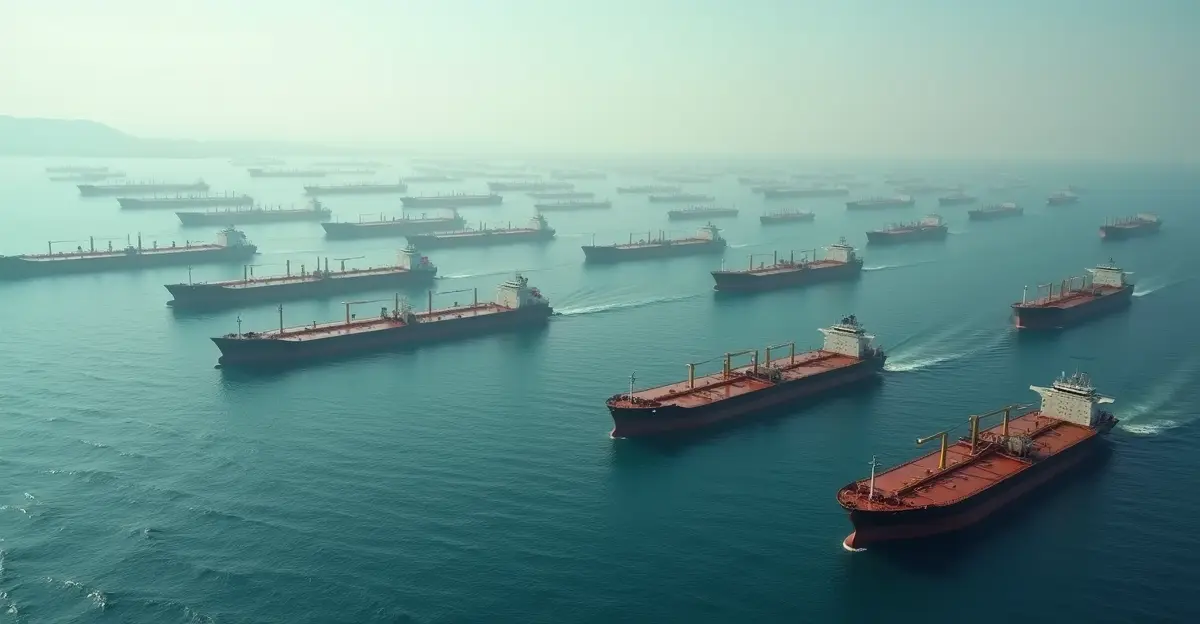
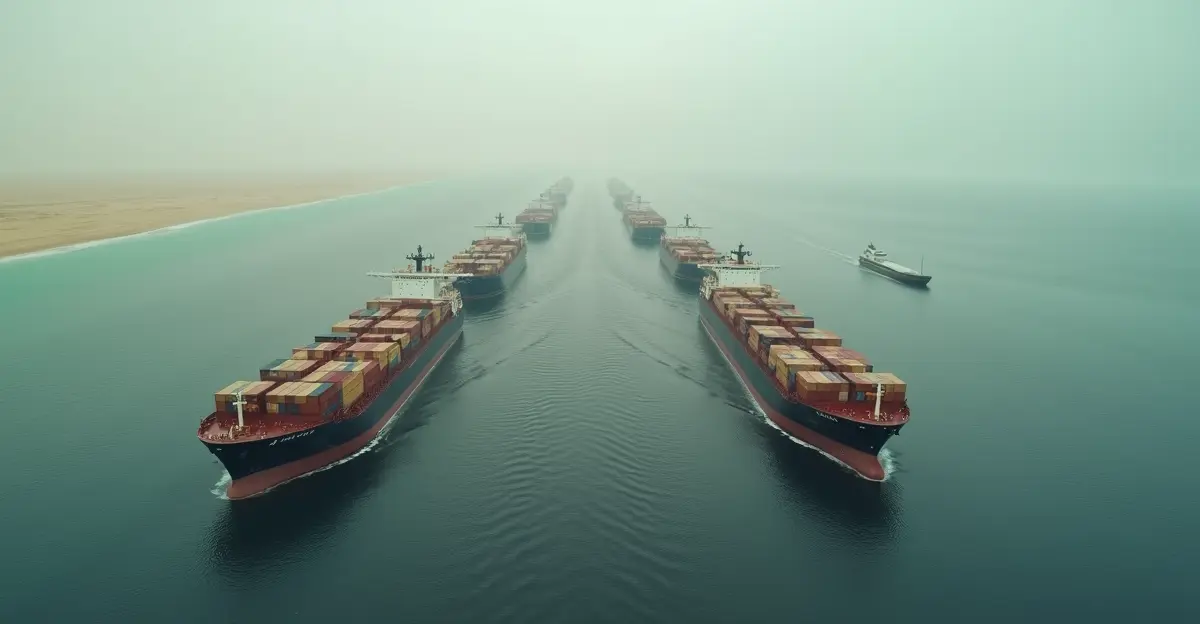
On February 28, 2026, the United States and Israel launched coordinated airstrikes against Iran, killing Supreme Leader Ali Khamenei. Iran retaliated by effectively closing the Strait of Hormuz — a chokepoint through which approximately 25% of the world's seaborne oil trade and 20% of liquefied natural gas passes. Within days, ship arrivals at the strait collapsed by over 97%, as the Iranian Revolutionary Guard Corps issued warnings, attacked merchant vessels, and laid sea mines. Major carriers including Maersk, CMA CGM, and Hapag-Lloyd suspended transits, stranding over 150 tankers and 2,000 ships in the Persian Gulf.
The 2026 Strait of Hormuz crisis became the largest disruption to world energy supply since the 1970s oil crisis. Brent crude surged from $61 per barrel at the start of 2026 to $126 per barrel at its peak in March — the largest inflation-adjusted quarterly increase since 1988, according to the U.S. Energy Information Administration. European gas prices nearly doubled, and the International Energy Agency called it the 'largest supply disruption in the history of the global oil market.'
McKinsey's Before-and-After Snapshot: Risk Perception Rewired
The McKinsey Global Survey, fielded from February 25 to March 6, 2026, captured a unique before-and-after snapshot. For the first few days, respondents were about equally likely to cite geopolitical instability and trade policy changes as top risks. But after February 28, the share citing geopolitical instability surged to 72%, dwarfing all other concerns. Energy prices, which had barely registered as a risk in December 2025, jumped to the third-most-cited concern.
'The data shows a structural transformation in risk perception, not a temporary reaction,' said a McKinsey partner involved in the survey. 'Executives are now operating in a world where geopolitical shocks can materialize overnight and cascade through every dimension of business operations.'
The survey also revealed that 68% of executives expect the geopolitical environment to become more volatile over the next three years, and 61% are accelerating supply chain diversification strategies as a direct result of the crisis.
Energy Markets: The Shock That Changed Everything
The Strait of Hormuz closure disrupted at least 10 million barrels per day of oil production from Gulf states including Iraq, Saudi Arabia, and the UAE, which were forced to shut in output. The Brent-WTI spread widened to a record $25 per barrel. U.S. retail gasoline hit $3.99 per gallon, while diesel reached $5.40. Jet fuel and distillate prices rose even more sharply.
The crisis exposed the fragility of global energy infrastructure. Unlike previous disruptions — such as the 2019 Abqaiq-Khurais attacks or the 2022 Russia-Ukraine war — this event simultaneously disrupted both oil and LNG flows, creating a compound shock. The energy transition and geopolitical risk dynamic has been fundamentally altered, with renewable energy investments gaining new urgency as companies seek to reduce exposure to volatile regions.
Central Banks Caught Between Inflation and Growth
The European Central Bank, in its March 19, 2026 meeting, held interest rates steady at 2.00% (deposit facility), acknowledging that the Middle East conflict had created upside risks for inflation and downside risks for growth. The ECB's new staff projections, using an exceptional later cut-off date of March 11, forecast headline inflation averaging 2.6% in 2026 — up from earlier projections — while cutting growth forecasts to 0.9%.
ECB President Christine Lagarde stated: 'The war in the Middle East has significantly increased uncertainty. We are monitoring inflation expectations closely and stand ready to adjust all instruments.' The U.S. Federal Reserve and other major central banks faced similar dilemmas, with the IMF warning that a prolonged conflict could trigger a global recession.
The Asian Development Bank advised central banks to 'focus on limiting excessive market volatility while keeping a close watch on inflation expectations,' noting that pressure on inflation originates externally and requires targeted liquidity support rather than broad rate adjustments.
Supply Chains: From Just-in-Time to Just-in-Case
The crisis triggered immediate and severe supply chain disruptions. Ocean carriers declared force majeure and imposed emergency surcharges of up to $3,000 per FEU. Transpacific rates to the U.S. West Coast rose approximately 40%, while Asia-Europe rates rose 20%. Vessels were rerouted around the Cape of Good Hope, adding 10–14 days per voyage. European manufacturers faced cost surcharges of up to 30%, and air freight remained 25–30% above pre-war levels globally.
The global supply chain resilience 2026 landscape has been permanently altered. According to the World Economic Forum, supply chains are restructuring from globalized just-in-time models toward regionalized 'local-for-local' configurations. Nearly 75% of CEOs are localizing production within their country of sale, and over half are reorganizing supply chains around regional blocs, according to EY-Parthenon's 2026 Geostrategic Outlook.
Developing Economies: The Hidden Casualties
The crisis hit developing economies hardest. Gulf states, which import up to 70% of their food, faced immediate food supply emergencies as shipping through the strait collapsed. The FAO warned that the disruption to fertilizer trade through the Strait of Hormuz — a key route for ammonia, urea, and potash — could trigger a global food crisis. FAO Chief Economist Máximo Torero described it as 'one of the most severe shocks to global commodity flows in recent years.'
The IMF's April 2026 World Economic Outlook projected global growth at just 3.1% in 2026, below pre-pandemic averages, with risks heavily tilted to the downside. Emerging market and developing economies face the most severe inflation pressures, compounded by higher food and energy import bills.
Expert Perspectives: A Structural Shift
Geopolitical analysts view the February 2026 escalation as a watershed moment. 'This is not a temporary spike in risk perception — it represents a permanent rewiring of how corporations and governments assess the global operating environment,' said a senior fellow at the Council on Foreign Relations. The BCG report on geopolitical forces shaping business in 2026 emphasizes that companies must build 'geopolitical muscle' — the capability to factor geopolitics into strategic and capital allocation decisions.
The crisis has accelerated trends already in motion: strategic decoupling, regionalization of trade, and the weaponization of economic interdependence. The geopolitical risk management strategies adopted by leading firms now include dedicated geopolitical intelligence units, scenario planning for multiple conflict outcomes, and stress-testing supply chains against chokepoint closures.
FAQ
What happened on February 28, 2026 in the Middle East?
On February 28, 2026, the United States and Israel launched coordinated airstrikes on Iran, killing Supreme Leader Ali Khamenei. Iran retaliated by closing the Strait of Hormuz, blocking approximately 25% of global seaborne oil trade and triggering a massive energy crisis.
How did the Strait of Hormuz closure affect global oil prices?
Brent crude surged from $61 per barrel in January 2026 to $126 per barrel at its peak in March — the largest inflation-adjusted quarterly increase since 1988. European gas prices nearly doubled.
What did the McKinsey survey reveal about executive risk perceptions?
McKinsey's March 2026 Global Survey found that 72% of executives now cite geopolitical instability as their top risk, up from 51% in December 2025 — the largest single-quarter jump in the survey's history.
How have central banks responded to the crisis?
The ECB held rates steady in March 2026, citing upside inflation risks and downside growth risks from the conflict. The IMF warned that a prolonged conflict could trigger a global recession, while central banks in developing economies face even more severe trade-offs.
What long-term changes are corporations making?
Corporations are shifting from just-in-time to just-in-case supply chains, regionalizing production, investing in geopolitical intelligence, and accelerating energy transition plans to reduce exposure to volatile regions.
Conclusion: A New Era of Strategic Resilience
The February 2026 Middle East shock has fundamentally altered the global economic landscape. The McKinsey and IMF data provide the first comprehensive before-and-after snapshot, confirming that geopolitical instability has become the defining risk of our era. As the Strait of Hormuz remained effectively closed through mid-2026, with analysts expecting disruptions to persist, the imperative for resilience planning has never been clearer. The era of assuming geopolitical stability as a backdrop for economic activity is over — strategic decoupling and proactive risk management are now essential for survival in the global economy.

Follow Discussion