


 Deutsch
 English
 Español
 Français
 Nederlands
 Português


 Share
Share




The Great Fracture: How Four Simultaneous Shocks Are Reshaping the Global Economic Order in 2026
In early 2026, the global economic order is undergoing a structural realignment more profound than any since the Bretton Woods system. Four simultaneous shocks—the Hormuz oil crisis, the FORGE Alliance launch, accelerating BRICS+ de-dollarization, and the fragmentation of trade into competing regional blocs—are converging to force governments and corporations to abandon the efficiency-first globalization model and build resilience-oriented, bloc-based strategies. This article examines how these four forces interact to create systemic risk and strategic opportunity across energy markets, supply chains, financial systems, and geopolitical alignments.
The Hormuz Oil Crisis: The Largest Supply Disruption in History
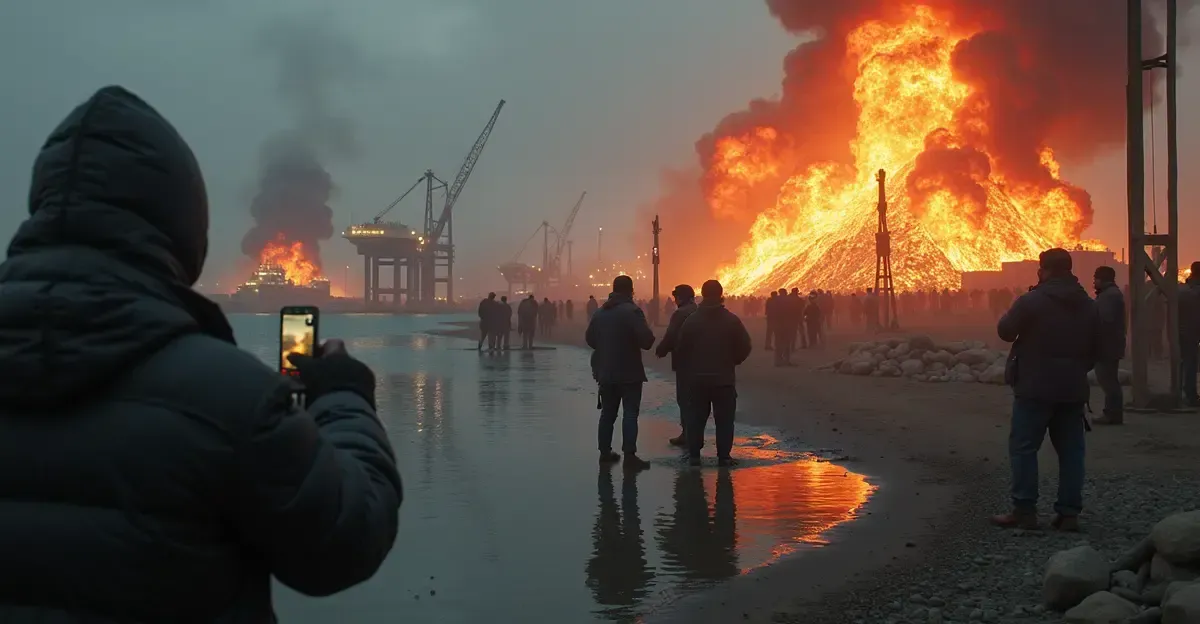
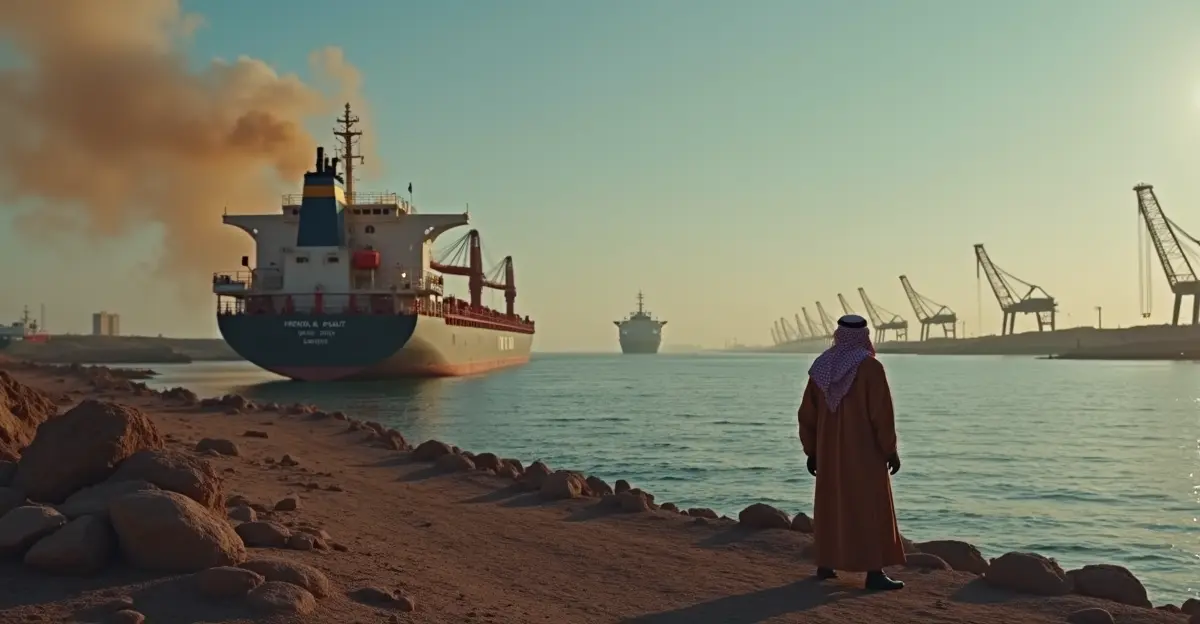
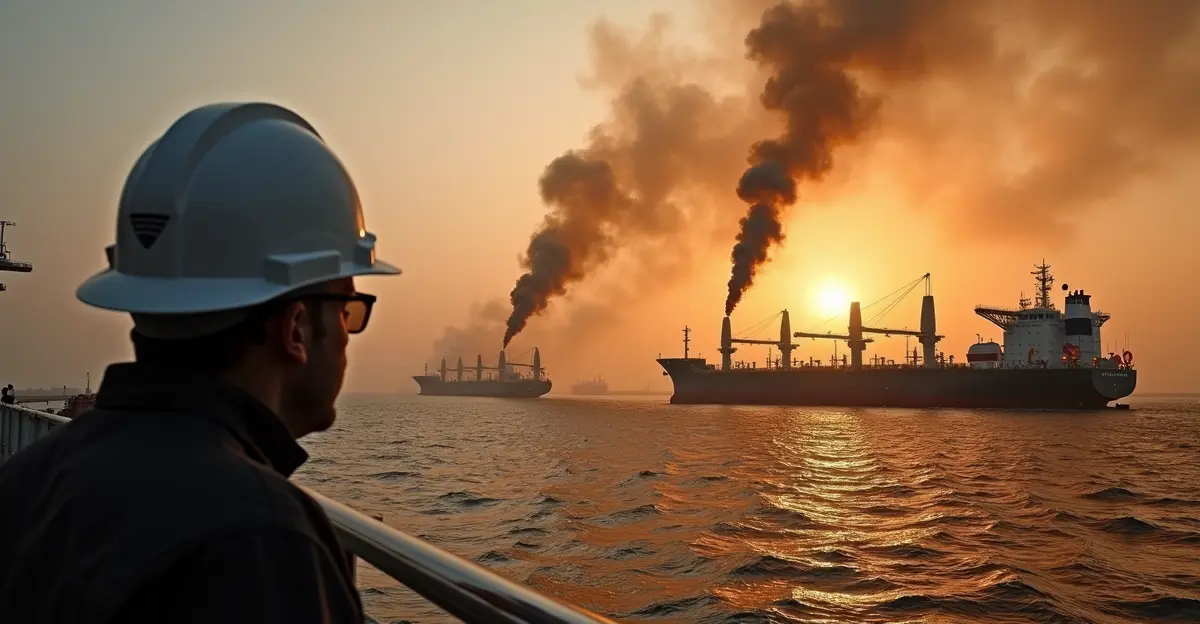
On February 28, 2026, following US and Israeli air strikes against Iran, Iran's IRGC retaliated by blocking the Strait of Hormuz—a critical maritime chokepoint through which about 25% of the world's seaborne oil trade and 20% of LNG passes. Tanker traffic dropped by 70% and eventually to near zero, causing oil prices to surge above $126 per barrel. The 2026 Strait of Hormuz crisis represents the most severe disruption to global energy supply since the 1970s. The crisis has severely impacted global commodity markets including aluminum, fertilizer, and helium. After failed negotiations, a memorandum of understanding was signed on June 17, 2026, between US President Trump and Iranian President Pezeshkian, aiming to reopen the strait, though tensions continue.
FORGE Alliance: A 54-Country Critical Minerals Bloc
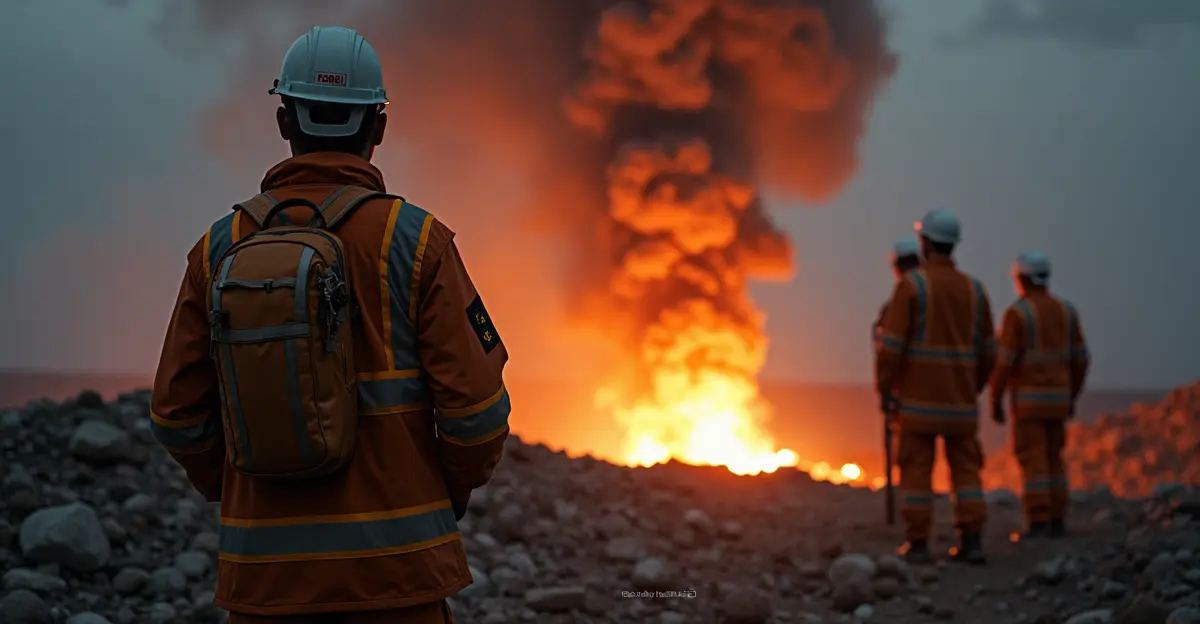
On February 4, 2026, the US launched FORGE (Forum on Resource Geostrategic Engagement), a $30 billion plurilateral initiative bringing together 54 nations and the European Commission to counter China's dominance over rare earths and critical minerals. China controls 90% of global rare earth processing and 80% of tungsten, and its 2025 export controls triggered price spikes of up to sixfold. The initiative includes EXIM Bank's Project Vault—a $12 billion public-private partnership for a US Strategic Critical Minerals Reserve—plus 11 new bilateral framework agreements with nations like Argentina, Morocco, and the Philippines. South Korea chairs FORGE until June 2026. Key challenges include permitting delays, infrastructure gaps, and a 12-18 month window to act before vulnerabilities become entrenched. China responded by tightening export licensing for gallium, germanium, and antimony essential for semiconductors and defense.
BRICS+ De-Dollarization: USD Share Below 57%
BRICS+ nations are driving a structural shift away from dollar dependence, with the USD share of global reserves falling below 57% for the first time since 1995—down to 56.32% from 71% in 1999. Intra-bloc trade in local currencies has surged to approximately 67%, up from under 30% a decade ago. Central banks purchased a record 1,237 tonnes of gold in 2025, and yuan-denominated oil contracts now approach 24% of Brent crude volumes. The launch of BRICS Pay—a unified platform integrating national payment systems (Brazil's Pix, Russia's SPFS, China's CIPS, India's UPI)—and 'The Unit,' a gold-backed digital settlement token, represent a growing challenge to Western financial infrastructure. Meanwhile, the UAE's exit from OPEC in May 2026 further accelerated multi-currency energy trade. The BRICS de-dollarization 2026 push is driven by both economic diversification and geopolitical motivations, particularly sanctions on Russia and Iran.
Trade Bloc Fragmentation: $400 Billion in Redirected Flows
The fragmentation of global trade into three competing regional blocs is redirecting over $400 billion in trade flows. A World Economic Forum report finds that geoeconomic fragmentation is costing the global economy $213–$307 billion annually and adding 0.2–0.3 percentage points to global inflation. Beyond impacting geopolitical rivals, fragmentation is spreading to traditionally allied economies including the EU, Canada, Japan and South Korea through escalating tariffs, investment restrictions, and retaliatory measures. If trends accelerate, global losses could reach $6.9 trillion (6.4% of global GDP). Emerging markets face the worst impacts, with countries outside major blocs potentially experiencing a 10.7% hit to GDP. The trade fragmentation 2026 is neither symmetric across countries nor uniform across sectors, with high-tech goods significantly more sensitive to geopolitical distance than low-tech goods.
Systemic Risk and Strategic Opportunity
The convergence of these four shocks is creating unprecedented systemic risk. Energy markets face simultaneous supply disruption and demand uncertainty as the Hormuz crisis coincides with the FORGE Alliance's push for alternative supply chains. Financial systems are under pressure from de-dollarization and the emergence of parallel payment systems. Supply chains are being reshaped by trade fragmentation and resource nationalism. According to the UNCTAD Foresights 2026 report and the IEA March 2026 Oil Market Report, this is the most consequential strategic inflection point in a generation.
Governments and corporations must now build resilience-oriented, bloc-based strategies. The global economic order 2026 is no longer about efficiency alone; it is about security, diversification, and strategic alignment. Companies that fail to adapt risk being caught in the crossfire of competing blocs, while those that navigate the new landscape can capitalize on emerging opportunities in critical minerals, regional trade agreements, and alternative financial systems.
Expert Perspectives
"We are witnessing the most profound structural realignment of the global economy since Bretton Woods," says Dr. Elena Moretti, a senior fellow at the Council on Geostrategic Studies. "The simultaneous occurrence of the Hormuz crisis, FORGE Alliance, de-dollarization, and trade fragmentation creates a perfect storm that will reshape the rules of international commerce for decades."
"The 12-18 month window for building alternative critical mineral processing capacity is closing fast," warns James Okonkwo, director of the Critical Minerals Institute. "If Western nations fail to act, dependencies on China will become structurally entrenched for a generation."
Frequently Asked Questions
What caused the Strait of Hormuz crisis in 2026?
The crisis began on February 28, 2026, when Iran's IRGC blocked the Strait of Hormuz in retaliation for US and Israeli air strikes against Iran, following the assassination of Supreme Leader Ali Khamenei. Iran issued warnings, boarded ships, and laid sea mines, causing tanker traffic to drop by 70%.
What is the FORGE Alliance?
FORGE (Forum on Resource Geostrategic Engagement) is a $30 billion plurilateral initiative launched by the US on February 4, 2026, bringing together 54 nations and the European Commission to counter China's dominance over rare earths and critical minerals. It includes Project Vault, a $12 billion public-private partnership for a US Strategic Critical Minerals Reserve.
How far has de-dollarization progressed in 2026?
The USD share of global foreign exchange reserves has fallen below 57% for the first time since 1995, to 56.32%. BRICS+ intra-bloc trade in local currencies has surged to approximately 67%, and yuan-denominated oil contracts approach 24% of Brent crude volumes.
What are the economic costs of trade fragmentation?
According to the World Economic Forum, geoeconomic fragmentation is costing the global economy $213–$307 billion annually and adding 0.2–0.3 percentage points to global inflation. If trends accelerate, global losses could reach $6.9 trillion (6.4% of global GDP).
How do these four shocks interact?
The Hormuz crisis disrupts energy supply, the FORGE Alliance reshapes critical mineral supply chains, de-dollarization challenges the financial system, and trade fragmentation redirects trade flows. Together, they force a shift from efficiency-first globalization to resilience-oriented, bloc-based strategies.
Conclusion and Future Outlook
The convergence of these four shocks marks a decisive break from the post-Cold War globalization model. The 2026 geopolitical realignment will likely accelerate as governments and corporations adapt to the new reality of competing blocs, resource nationalism, and monetary multipolarity. The key question is whether the world can manage this transition without descending into conflict or economic collapse. The next 12-18 months will be critical in determining whether a stable multipolar order emerges or fragmentation deepens into lasting division.

Follow Discussion