


 Deutsch
 English
 Español
 Français
 Nederlands
 Português


 Share
Share




The Great Unraveling: A New Era of Scarcity
The simultaneous disruption of the Strait of Hormuz in early 2026—removing nearly 20% of global oil supply—combined with the steepest OPEC production drop since 2020 and the UAE's historic exit from the cartel, has triggered a structural realignment of global energy and critical mineral supply chains. The US naval blockade of Iranian ports in April 2026, OPEC's 9.7 million bpd production collapse, and the February launch of the FORGE Alliance mark a decisive inflection point where supply chain security has overtaken efficiency as the organizing principle of the global economy. This article analyzes how the geopolitics of scarcity is solidifying into a new permanent architecture of regionalized blocs, preferential trade zones, and state-backed strategic reserves.
Context: The Strait of Hormuz Crisis
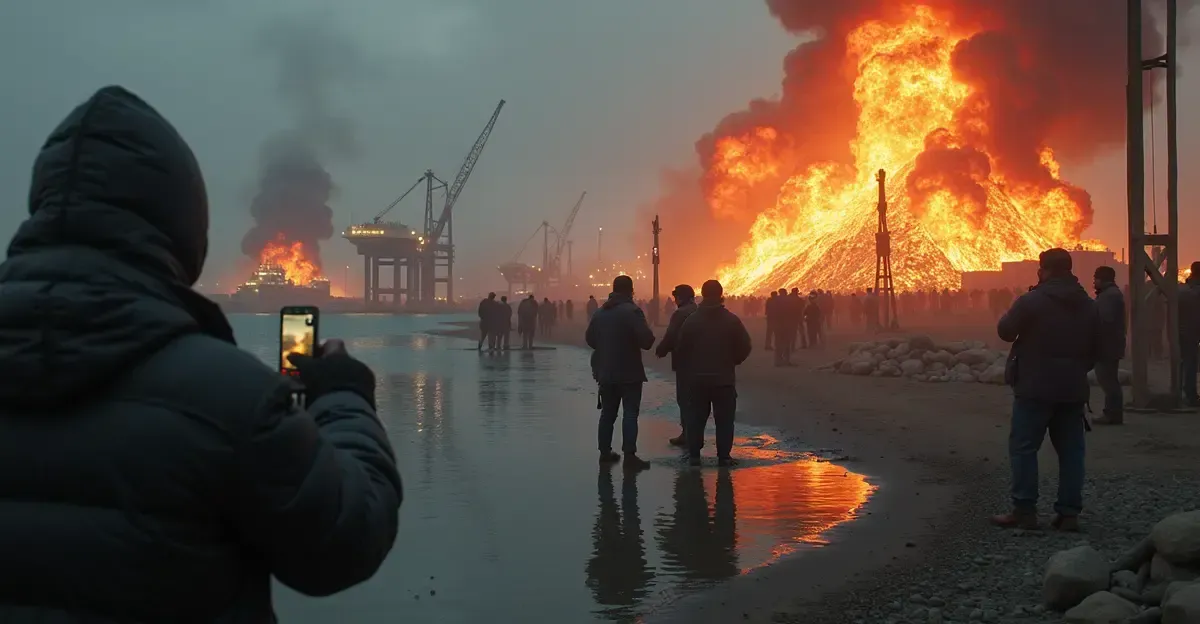
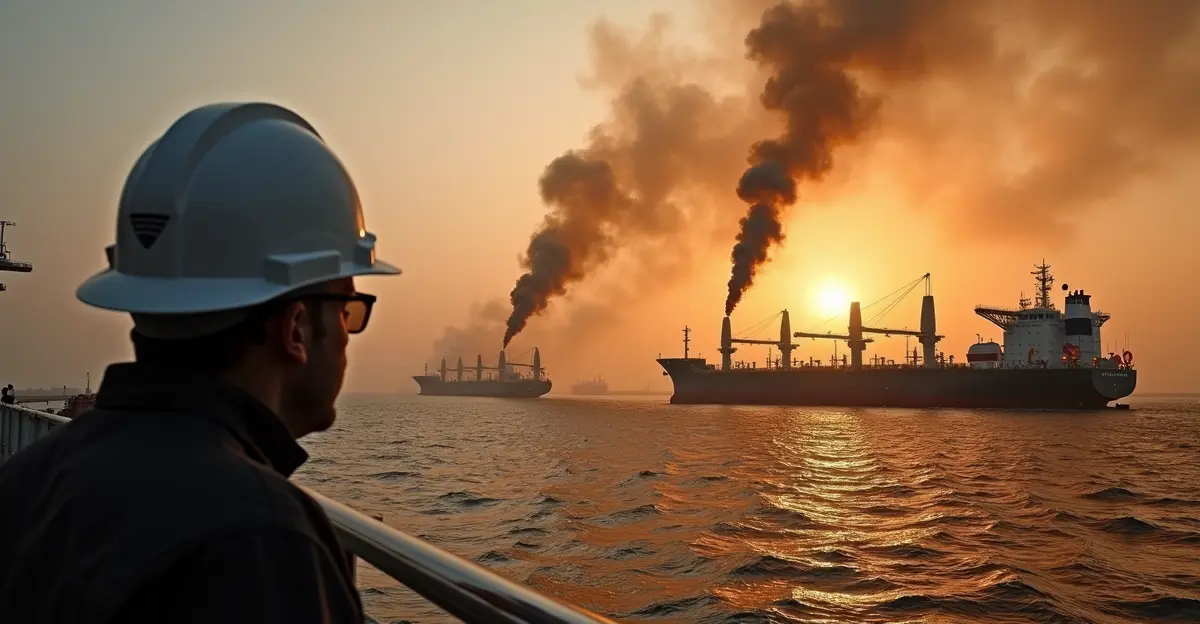
On February 28, 2026, the United States and Israel launched coordinated airstrikes on Iran under Operation Epic Fury, effectively closing the Strait of Hormuz. By April 12, the strait remained largely impassable despite a short-lived ceasefire, with Iran imposing tolls exceeding $1 million per vessel. The crisis directly impacted 10.7% of the global container fleet by TEU capacity, with 138 container ships—nearly 470,000 TEUs—trapped in the Persian Gulf. Transpacific container rates to the US West Coast rose approximately 40%, while Asia–North Europe rates climbed 20%, with emergency surcharges up to $3,000 per FEU. Rerouting via the Cape of Good Hope added 10–14 days per voyage. The 2026 Strait of Hormuz campaign remains unresolved, with analysts expecting disruption to persist through the remainder of 2026.
OPEC's Production Collapse and the UAE Exit
OPEC reported that its members' oil production fell more than 30%—a loss of 9.7 million barrels per day—since the Iran war began. The UAE, which left OPEC on May 1, saw its production drop 40%. Total supply loss from Gulf producers now exceeds one billion barrels. In its latest monthly update, OPEC lowered its 2026 demand growth forecast to about 1.2 million bpd, down from 1.4 million bpd. The International Energy Agency (IEA) sees demand falling by 420,000 bpd this year and warns that the supply loss is rapidly depleting global oil inventories. Producers outside the Middle East, particularly the US, have surged exports to record levels, but the IEA warned of price volatility ahead of peak summer demand. The OPEC production collapse 2026 is not voluntary restraint but forced supply destruction driven by conflict that has permanently removed production capacity from global markets.
The FORGE Alliance: A Parallel Critical Minerals Ecosystem
On February 4, 2026, the United States hosted the 2026 Critical Minerals Ministerial, bringing together 54 countries and the European Commission to reshape the global market for critical minerals and rare earths. Secretary of State Marco Rubio announced the creation of FORGE (Forum on Resource Geostrategic Engagement) as the successor to the Minerals Security Partnership (MSP). The US government is mobilizing over $30 billion in letters of interest, investments, and loans to support critical mineral supply chains. Key initiatives include Project Vault—a $10 billion EXIM-backed domestic strategic reserve—and Pax Silica partnerships to secure technology supply chains through private sector engagement. The FORGE Alliance critical minerals initiative aims to counter China's refining dominance, which controls over 60% of global rare earth processing. Approval rates for Western companies in China have fallen below 25%, accelerating the push for alternative supply chains.
Impact on Global Supply Chains
The convergence of these disruptions has created a structural realignment of global supply chains. The Strait of Hormuz blockade alone removed nearly 20% of global oil supply, while OPEC's production collapse deepened the crisis. The FORGE Alliance represents a concerted effort to build a parallel critical minerals ecosystem, but the transition will take years. In the interim, companies face soaring transportation costs, longer lead times, and increased uncertainty. The geopolitics of scarcity is driving a shift from just-in-time to just-in-case inventory strategies, with governments and corporations alike building strategic reserves. The US naval blockade of Iranian ports in April 2026 marked a decisive escalation, signaling that supply chain security now trumps efficiency as the organizing principle of the global economy.
Expert Perspectives
The financial media continues to describe OPEC's 7.2 million barrel per day production collapse as 'managed supply discipline,' but the March 2026 OPEC Monthly Oil Market Report reveals a fundamentally different reality: this isn't voluntary restraint, it's forced supply destruction driven by conflict that has permanently removed production capacity from global markets, said analysts at Kingdom Exploration. The IEA noted that the supply loss is rapidly depleting global oil inventories, with US strategic reserves already drawn down significantly. Meanwhile, the FORGE Alliance's Project Vault aims to stockpile critical minerals, but experts caution that building a parallel ecosystem will require sustained investment and political will.
FAQ
What caused the Strait of Hormuz blockade in 2026?
The blockade resulted from US and Israeli airstrikes on Iran (Operation Epic Fury) starting February 28, 2026, which led Iran to close the strait. A subsequent US naval blockade of Iranian ports in April 2026 further escalated the crisis.
How much oil supply has been lost due to the OPEC collapse?
OPEC's production fell by 9.7 million barrels per day—a drop of more than 30%—since the Iran war began. Total supply loss from Gulf producers now exceeds one billion barrels.
What is the FORGE Alliance?
FORGE (Forum on Resource Geostrategic Engagement) is a 54-nation alliance launched in February 2026, chaired by South Korea, to create a preferential trade-and-investment zone for critical minerals and counter China's dominance in rare earth processing.
How are supply chains being affected?
Shipping rates have surged 20-40%, rerouting via the Cape of Good Hope adds 10-14 days, and companies are shifting from just-in-time to just-in-case inventory strategies. Governments are building strategic reserves of oil and critical minerals.
What is Project Vault?
Project Vault is a $10 billion initiative backed by the US Export-Import Bank to create a domestic strategic reserve of critical minerals, announced as part of the FORGE Alliance.
Conclusion
The events of early 2026 mark a decisive inflection point in global economic history. The Strait of Hormuz blockade, OPEC's collapse, and the FORGE Alliance are not isolated incidents but symptoms of a deeper structural shift toward regionalized blocs and state-backed strategic reserves. As the global supply chain realignment accelerates, businesses and governments must adapt to a new reality where security trumps efficiency. The coming years will determine whether this new architecture leads to greater resilience or deeper fragmentation.

Follow Discussion