


 Deutsch
 English
 Español
 Français
 Nederlands
 Português


 Share
Share




Record-Breaking Heat Dome Grips North America
A historic heat wave has engulfed much of the United States and Canada since late June 2026, with a massive heat dome driving temperatures above 100°F (38°C) across the eastern half of the continent. The extreme weather event, which began on June 28, has affected over 180 million Americans and millions more in Canada, breaking all-time temperature records in major cities. As of July 8, at least 44 deaths have been attributed to the heat wave, with officials warning the toll could rise as the heat persists.
New York City's Central Park hit 100°F for the first time since 2012, while Atlantic City, New Jersey, reached 106°F on July 4, tying its all-time record. Boston, Philadelphia, and Washington D.C. also set new daily highs. The heat dome has strained power grids, with PJM Interconnection nearing its record demand of 165 gigawatts. Public transit systems including Amtrak, SEPTA, and NJ Transit faced delays and cancellations. The heat wave coincided with the FIFA World Cup, US Independence Day, and Canada Day, forcing cancellations of outdoor celebrations.
Catastrophic Flooding in Missouri
While much of the nation sweltered, southeastern Missouri was hit by a 1-in-1,000-year rainfall event on July 10, dumping more than 12 inches of rain in 24 hours. The Black River surged to a record 28.7 feet, triggering catastrophic flash flooding that destroyed buildings and swept away vehicles. At the Bearcat Getaway Campground in Reynolds County, an estimated 10 to 17 people are missing after floodwaters destroyed a campground building. Search and rescue operations are ongoing, with around 90 water rescues conducted so far.
Missouri Governor Mike Kehoe declared a state of emergency, activating the Missouri State Emergency Operations Plan and deploying Missouri Task Force 1 with 50 members and specialized rescue equipment. The National Weather Service issued a flash flood emergency for over 4,000 residents. In nearby Crawford County, at least one person remains unaccounted for. Scientists note that such extreme rainfall events are becoming more common due to climate change, as warmer air holds more moisture.
Extreme weather events and climate change are increasingly linked by researchers, who point to El Niño conditions and human-caused global warming as key drivers of both the heat wave and the flooding.US-Iran Tensions and Strait of Hormuz Attacks
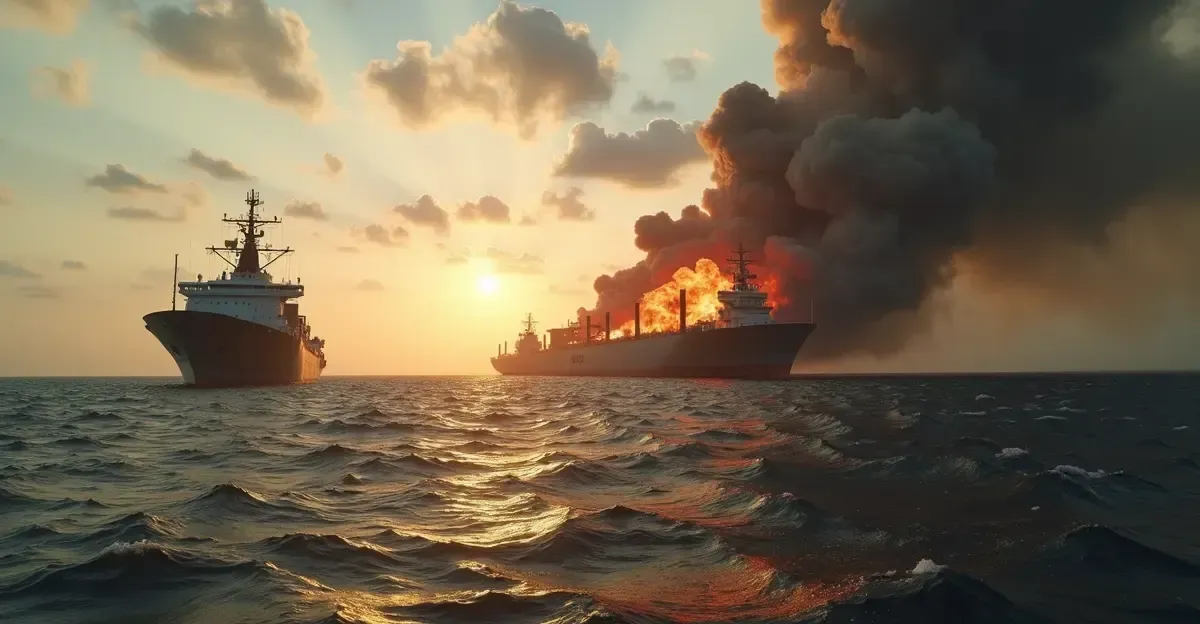
Adding to the global instability, the fragile US-Iran ceasefire collapsed in early July after renewed hostilities in the Strait of Hormuz. On July 7, Iran's Revolutionary Guards fired missiles at a Qatari LNG tanker and a Saudi-flagged crude oil tanker near the strategic waterway, which carries about 20% of the world's daily oil supply. The US retaliated by launching strikes on Iranian positions and revoking a temporary sanctions waiver that had allowed Iran to sell crude oil.
Oil prices surged in response, with Brent crude jumping 5.6% to $76.04 per barrel and US WTI rising 5.4% to $72.25. The attacks have stranded some 6,000 seafarers in the channel and threaten global supply chains. The UN maritime agency (IMO) called for maximum restraint, while UN Secretary-General António Guterres warned that the resumption of strikes risks derailing diplomatic progress made since an April ceasefire framework.
Impact on Global Energy Markets
The Strait of Hormuz chokepoint is critical for global energy security. Iran typically exports about 1.6 million barrels of oil daily, mainly to China, and now faces a July 17 deadline to conclude all oil transactions. The conflict is expected to raise feedstock costs for petrochemicals including ethylene, propylene, benzene, methanol, and polyethylene, while higher freight rates and insurance premiums add pressure across global chemical supply chains. Analysts at Berenberg noted both sides have an interest in containing the conflict, with President Trump seeking low oil prices ahead of mid-term elections, while Iran's Revolutionary Guards covet sanctions relief revenue.
Geopolitical risks in the Middle East continue to drive volatility in energy markets, with experts warning that a prolonged disruption could push oil prices above $80 per barrel.Broader Implications and Climate Context
The simultaneous occurrence of extreme heat, catastrophic flooding, and geopolitical instability highlights the interconnected challenges facing the world in 2026. Climate scientists have linked the severity of the North American heat wave to a strong El Niño event superimposed on long-term global warming. The heat wave has also contributed to severe thunderstorms in Canada, where Quebec saw over 100,000 power outages on July 2, and Ottawa recorded 118 mm (4.6 inches) of rain on Canada Day.
In the US, the extreme heat has raised concerns about public health, especially for vulnerable populations without access to air conditioning. In New Jersey alone, 22 deaths across 10 counties are believed to be heat-related, with victims ranging from their mid-30s to 80s. The National Weather Service's HeatRisk product warned of major to extreme heat-related health risks across the region, urging residents to stay hydrated and in air-conditioned spaces.
"This is not a typical summer heat wave," the National Weather Service warned in a statement. "We urge everyone to take this seriously and take precautions."
Frequently Asked Questions
How many people have died in the 2026 heat wave?
As of July 8, at least 44 deaths have been attributed to the North American heat wave, with the toll expected to rise as authorities continue to investigate heat-related fatalities.
What caused the Missouri flooding?
A 1-in-1,000-year rainfall event dropped more than 12 inches of rain in 24 hours across southeastern Missouri, causing the Black River to surge to a record 28.7 feet and triggering catastrophic flash flooding.
Why are oil prices rising?
Oil prices surged after Iran attacked commercial tankers in the Strait of Hormuz, a critical chokepoint for global oil supplies. Brent crude rose above $76 per barrel amid fears of supply disruptions.
Is climate change responsible for these extreme weather events?
Scientists say that El Niño conditions and human-caused climate change are contributing to the increased frequency and severity of heat waves and extreme rainfall events like those seen in July 2026.
What is being done to rescue missing campers in Missouri?
Search and rescue operations are ongoing with Missouri Task Force 1 deployed. Around 90 water rescues have been conducted, and authorities are searching for up to 17 missing people at the Bearcat Getaway Campground.
Sources
CNN, The New York Times, USA Today, The Guardian, Axios, National Weather Service, UN News, CNBC, Wikipedia, Missouri Governor's Office, Reynolds County Sheriff's Office.





Follow Discussion