


 Deutsch
 English
 Español
 Français
 Nederlands
 Português


 Share
Share




Escalation in the Gulf: US Reimposes Naval Blockade on Iran
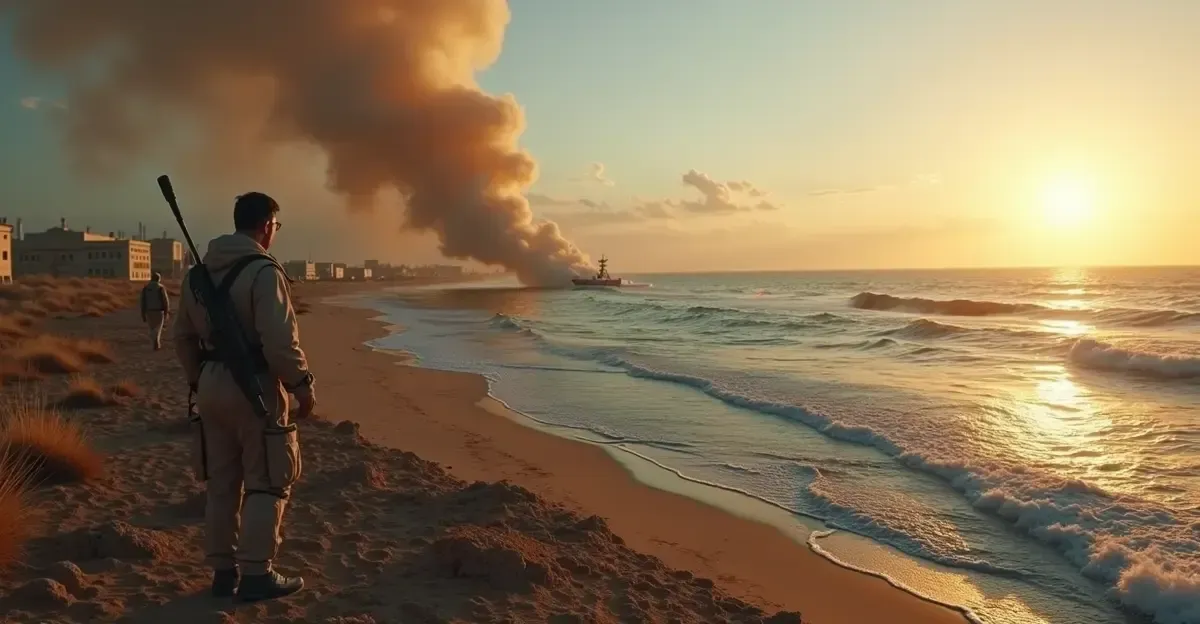
President Donald Trump has reimposed a full naval blockade on Iranian ports and announced a controversial 20% toll on all commercial shipping transiting the Strait of Hormuz, effectively tearing up the fragile interim peace deal signed with Iran just 26 days ago. The move, announced on July 14, 2026, marks the most significant escalation in the US-Iran conflict since the war began in February 2026, and has sent shockwaves through global energy markets.
Speaking on Truth Social, Trump declared the United States would become the 'Guardian of the Strait of Hormuz,' claiming compensation for what he described as 50 years of providing safe passage. The announcement reportedly caught many within his own administration, as well as foreign governments and international organizations, by surprise. Secretary of State Marco Rubio had previously opposed imposing tolls, arguing they violated international law.
Background: A Conflict That Broke the Global Energy Market
The 2026 Strait of Hormuz crisis began on February 28, 2026, when the United States and Israel launched a series of airstrikes on Iranian military targets, including the assassination of Supreme Leader Ali Khamenei. In retaliation, Iran closed the Strait of Hormuz to all foreign shipping, a waterway through which roughly 20% of the world's seaborne oil trade and 20% of global liquefied natural gas transits daily.
By March 8, Brent crude had surpassed $100 per barrel for the first time in four years, eventually peaking at $126. The International Maritime Organization reported on April 21 that approximately 20,000 mariners and 2,000 ships were stranded in the Persian Gulf. The crisis became the largest disruption to world energy supply since the 1970s energy crisis.
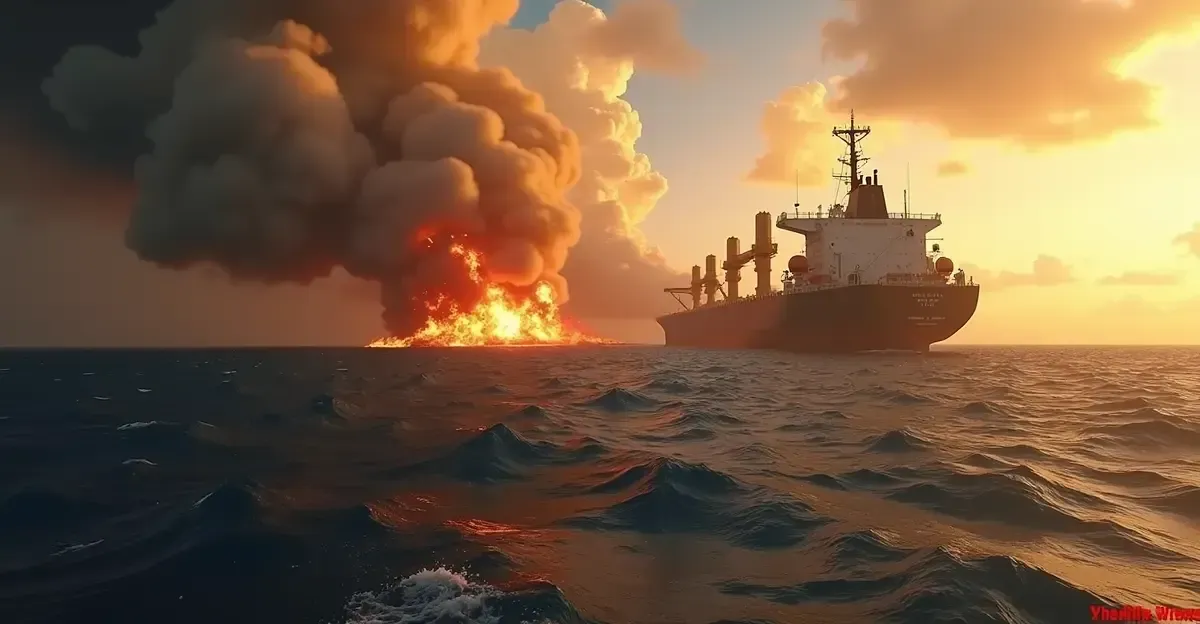
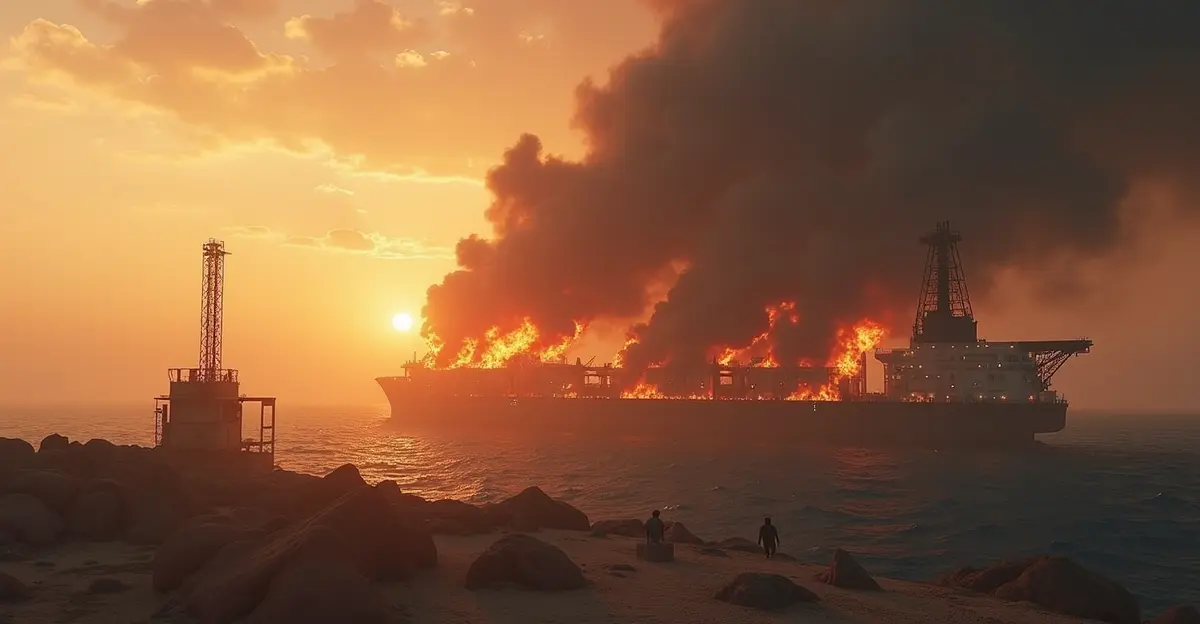
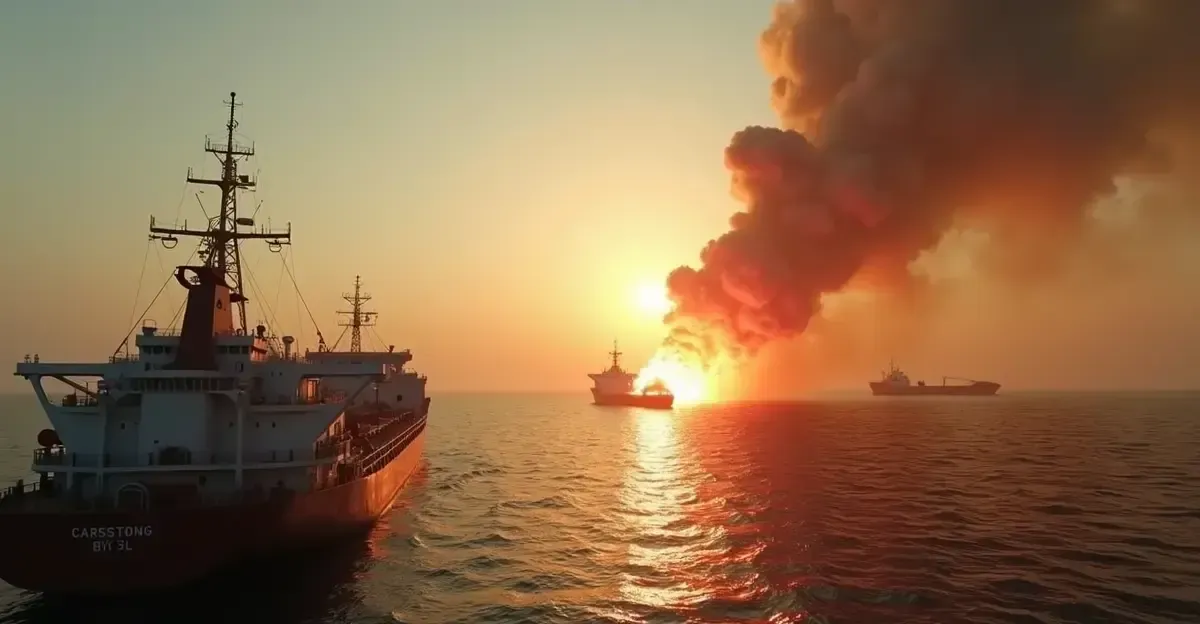
A temporary ceasefire was agreed on April 8, but collapsed after the failure of the Islamabad Talks. The US Navy then imposed its own blockade of Iranian ports from April 13, creating what The Guardian described as a 'dual blockade.' On June 17, Trump and Iranian President Masoud Pezeshkian signed a memorandum of understanding in Versailles to end the war and the blockades. However, the truce unravelled after Iran accused Israel of violating a related ceasefire with Hezbollah, and on July 8, Iran struck multiple commercial ships in the strait.
What the New Blockade Means
Under the reimposed blockade, the US Navy will stop Iranian ships and their customers from using the strait. Trump initially demanded a 20% fee on the cargo value of all ships transiting the waterway, but quickly backtracked, instead saying Gulf states would invest in the US as repayment. The International Maritime Organization had stated there was 'no legal basis' for mandatory tolls.
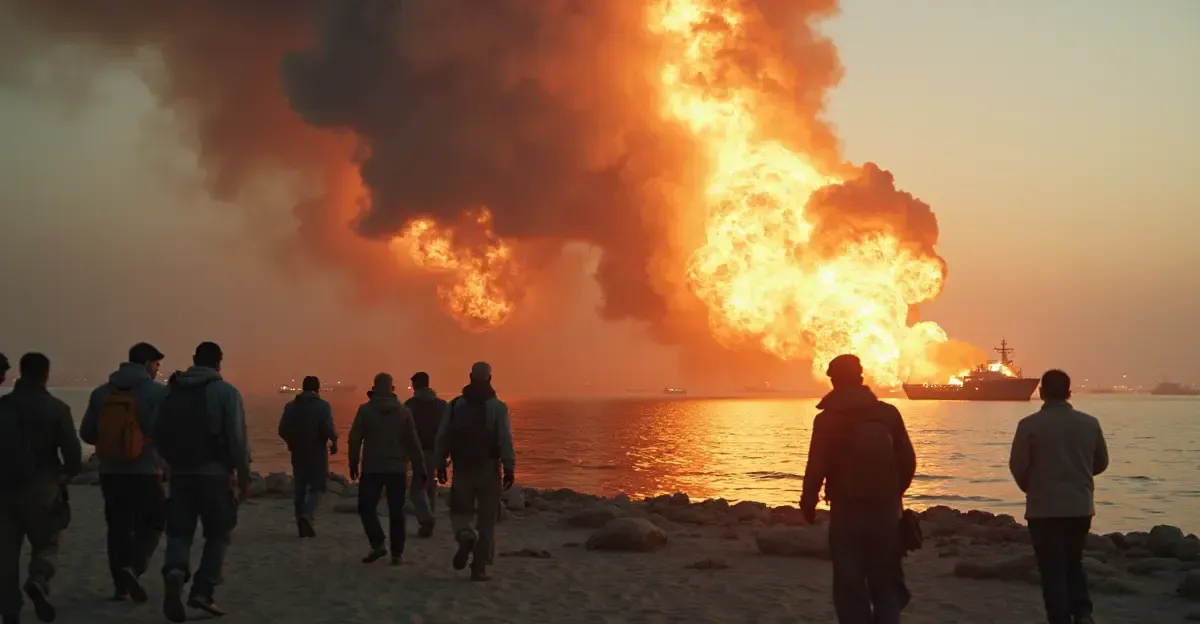
Enforcement of the blockade began at 20:00 GMT on July 14, covering Iranian ports and coastal areas. Humanitarian shipments will be allowed following inspections. The US military conducted a third consecutive night of strikes on Iran, targeting naval facilities including Bandar Abbas Naval Base with sea drones in their first combat use. Iran's Foreign Minister Abbas Araghchi mocked Trump's claims, asserting that Iran has always been the guardian of the strait, and threatened to charge a 'more reasonable rate' of its own.
Oil Markets in Turmoil
Oil prices surged dramatically on the news. On July 12, Brent crude rose 9.6% to $83.30 per barrel, while West Texas Intermediate gained 9.4% to $78.14. By July 14, WTI had climbed a further 1.5% to $79.34, and Brent settled at $84.73. Analysts warn that if the blockade remains in place, prices could spike well above $100 again, threatening a global recession.
The US Energy Department reported that 8.5 million barrels of oil still transited the strait on July 12 despite the hostilities, but shipping insurers are already raising premiums, and several major tanker operators have suspended Gulf transits. Commodity markets for aluminum, fertilizer, and helium — all heavily dependent on Gulf production — have also seen price increases.
Regional and International Reactions
UN Secretary-General Antonio Guterres expressed deep concern over the escalating military confrontation. Jordan intercepted four Iranian missiles on July 13. The UK has engaged diplomatically with the US over the proposed toll, while Dubai is planning a new port to bypass the strait entirely. Two Emirati oil tankers were struck by Iranian cruise missiles, killing one sailor and wounding eight others.
Iran's Revolutionary Guard stated the tankers ignored warnings and attempted to pass through a mined route. Meanwhile, Yemen's government claimed it attacked Sanaa airport to prevent an Iranian plane carrying Houthi rebels from landing, and Bahrain accused Iran of targeting civilians.
In Other News: E. Jean Carroll Receives $5.6 Million from Trump
In a separate but equally significant development, writer E. Jean Carroll has officially received more than $5.6 million from President Donald Trump following a federal civil jury verdict that found him liable for sexual abuse and defamation. The disbursement of $5,625,005.48 — the $5 million jury award plus post-judgment interest accumulated over three years — was confirmed on the court docket on July 14, 2026.
Carroll, 82, celebrated the payment on social media, writing 'The Eagle has landed.' She plans to use the money to fund her retirement. The payment came after Judge Lewis Kaplan ordered Trump to pay, noting that the president 'has been stalling this case for years.' The Supreme Court had declined to hear Trump's appeal in June 2026, clearing the way for the funds to be released from an escrow account where they had been held since the 2023 trial.
Trump's legal team continues to fight, asking a federal appeals court to intervene while he seeks Supreme Court reconsideration on presidential immunity grounds. Trump still owes Carroll an additional $83.3 million from a separate defamation trial, which remains under appeal. The E. Jean Carroll defamation case has become a landmark in the accountability of public figures for sexual misconduct.
FAQ: The Strait of Hormuz Crisis
What is the Strait of Hormuz?
The Strait of Hormuz is a 34-kilometer-wide maritime chokepoint between Iran and Oman, through which about 20% of global oil and 20% of LNG passes daily. It is the world's most critical energy transit route.
Why did the US reimpose the blockade?
President Trump reimposed the blockade after Iran struck multiple commercial ships on July 8, 2026, breaking an interim ceasefire. The US also cited Iran's refusal to reopen the strait to normal shipping.
How does the blockade affect oil prices?
Brent crude surged over 9% on the announcement, reaching $84.73 per barrel on July 14. Analysts warn of further spikes if the blockade persists, potentially exceeding $100 per barrel.
What is the 20% toll?
Trump initially demanded a 20% fee on cargo value for ships transiting the strait, but quickly abandoned the idea after international backlash. Instead, he said Gulf nations would invest in the US as compensation for safe passage.
Could this lead to a wider war?
UN officials and many world powers have expressed alarm. The US and Iran have exchanged strikes for three consecutive nights. Iran has threatened to target US allies in the region, and the situation remains highly volatile.
Follow Discussion