


 Deutsch
 English
 Español
 Français
 Nederlands
 Português


 Share
Share




Global Turmoil on July 14, 2026: Iran Strikes Gulf States, France Shuts Reactors, Hungary Ousts President
The world woke up to a cascade of major events on July 14, 2026, as Iran launched coordinated missile attacks on multiple Gulf nations, France shut down nuclear reactors amid a brutal heatwave, and Hungary's parliament voted to remove President Tamás Sulyok. The day also saw a deadly Bangkok pub fire, a massive wildfire near Paris, and a summit of the 'Coalition of the Willing' in the French capital. Here is a comprehensive breakdown of the day's top stories.
Iran Expands Attacks, Closes Strait of Hormuz
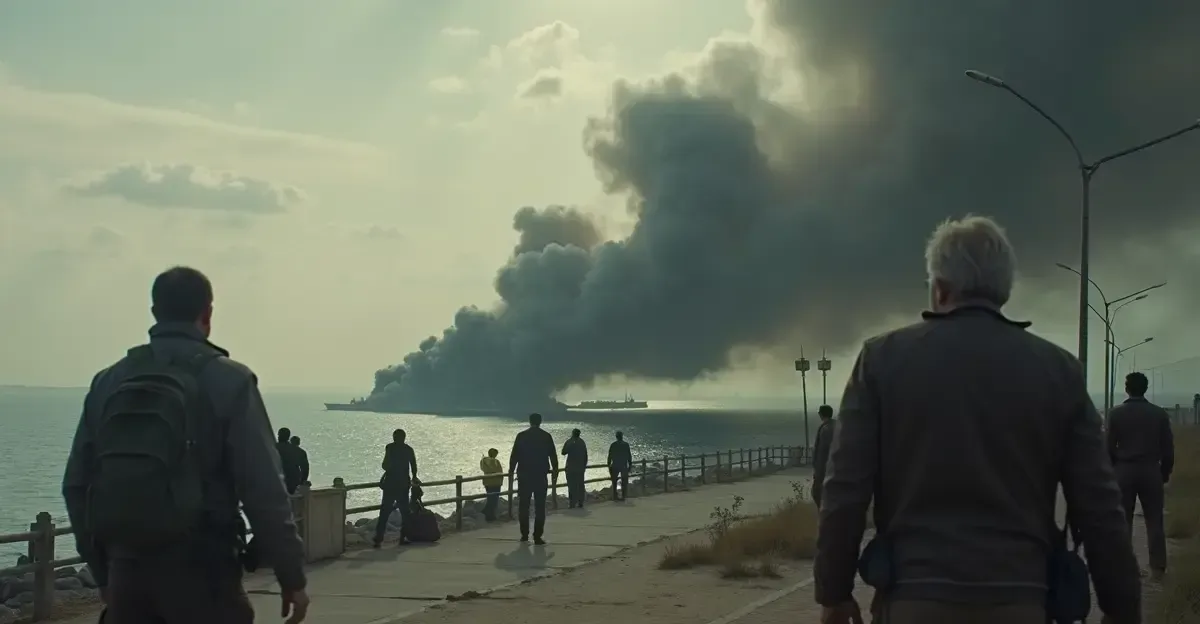
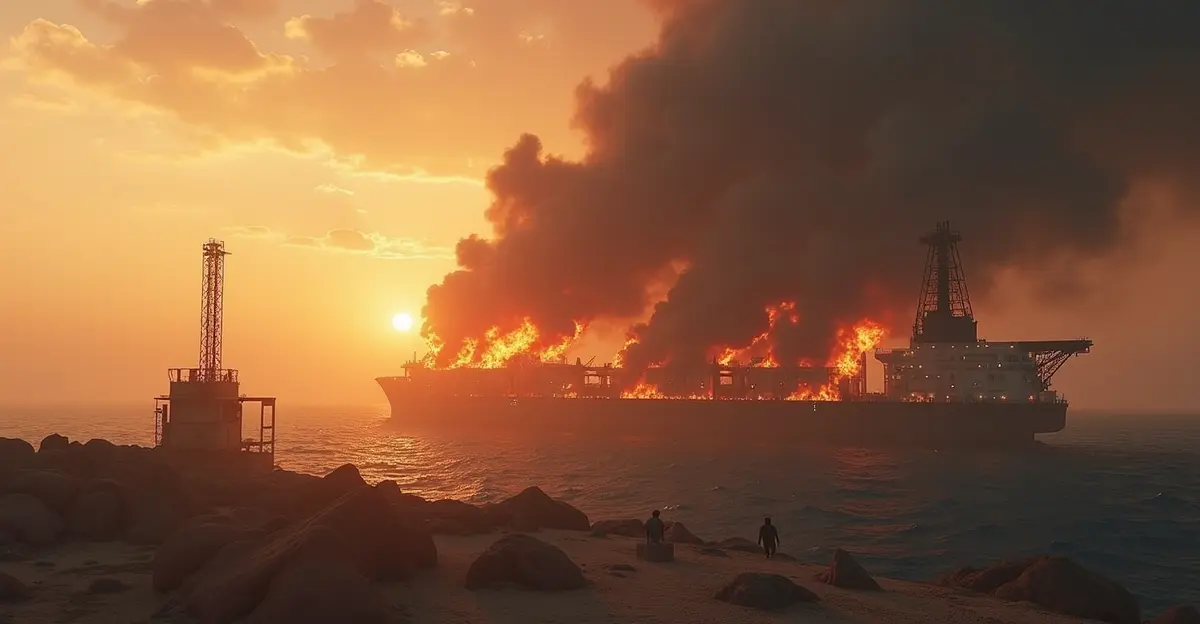
Iran dramatically escalated the conflict in the Middle East by launching missile and drone strikes on Bahrain, Kuwait, Jordan, Qatar, and Oman early on July 14, according to multiple reports. The attacks targeted US military bases and facilities in those nations, in retaliation for a third round of US strikes on Iranian cities. Tehran also declared the Strait of Hormuz closed to unauthorized vessels, threatening to hit any ship passing without permission.
The Strait of Hormuz is a critical chokepoint through which about 20% of the world's petroleum passes. The closure has sent oil prices soaring and raised fears of a global energy crisis. In response, US President Donald Trump announced the reimposition of a naval blockade on Iranian ports and declared the US the 'Guardian of the Hormuz Strait,' proposing a 20% toll on all cargo shipped through the waterway. 'We're beating them up,' Trump said of the strikes, while Iran's negotiator warned: 'Keep your word or pay the price.'
The escalation casts doubt on an interim US-Iran agreement signed last month aimed at reopening the strait, which had been blockaded since the US-Israel war against Iran began on February 28. The conflict has already driven energy prices higher and fueled global inflation. For more context on the region's instability, see our analysis of the 2026 Strait of Hormuz crisis.
France Shuts Nuclear Reactors as Heatwave Intensifies
France's main energy provider announced on July 14 that three nuclear reactors had been temporarily shut down and eight others were operating at reduced power due to an intense heatwave sweeping the country. The extreme temperatures have impacted the country's nuclear power infrastructure, which relies on river water for cooling. As river waters rise in temperature and flow levels drop, regulations require reactors to be curtailed or shut down to prevent thermal pollution and ensure safety.
The shutdowns come as Europe faces its third major heatwave of the year, with temperatures surpassing 40°C (104°F) in parts of France. The country's weather service placed 37 departments under red alert. The heatwave has also fueled a massive wildfire in the historic Fontainebleau forest, about 70 km south of Paris. The blaze, described as of 'exceptional scale,' has scorched about 800 hectares, prompting evacuations of 900 homes and disrupting road and rail links. Interior Minister Laurent Nuñez said the fire may have been deliberately set after 10 separate ignition points were detected. About 500 firefighters and an unprecedented aerial deployment are battling the blaze. This event highlights the vulnerability of European energy infrastructure to climate change.
Hungary's Parliament Removes President Tamás Sulyok
In a stunning political development, Hungary's parliament voted on July 14 to remove President Tamás Sulyok from office. The vote, which passed with 139 in favor and 6 against, was part of a sweeping constitutional reform that also reshapes key institutions. The removal is seen as a major victory for opposition leader Peter Magyar, a former insider turned critic of Prime Minister Viktor Orban. Sulyok was a loyalist to Orban, and his ouster signals growing challenges to Orban's prolonged grip on power. The move deepens Hungary's political divide and raises questions about the future of democratic norms in the country.
Deadly Bangkok Pub Fire Kills 30
A fire tore through a beer hall and live-music venue in Bangkok's Chatuchak district shortly before midnight on July 12, killing at least 30 people and injuring over 70, with 24 in critical condition. The blaze started near the stage area and spread rapidly after the power failed, leaving the interior dark. Initial assessments suggest an electrical short circuit in a ceiling air-conditioning unit caused the fire, exacerbated by flammable soundproofing materials. Emergency exits were reportedly obstructed by beer crates and tables. The venue was registered as a 'restaurant with live music' rather than an 'entertainment venue,' meaning fire-retardant materials were not legally required. The incident is Thailand's deadliest blaze in 17 years.
Coalition of the Willing Meets in Paris
On July 13, at least 25 heads of state or government from the 'Coalition of the Willing' met in Paris to discuss continued support for Ukraine. The summit, co-chaired by French President Emmanuel Macron, British Prime Minister, and German Chancellor, took place at the Hôtel des Invalides. Ukrainian President Volodymyr Zelensky attended and presented Ukraine's Anti-Ballistic Program. The coalition launched the Anti-Ballistic Missile Coalition, a joint effort by Ukraine and nine other countries to develop European missile defense capabilities. France also granted Ukraine a license to produce French-designed missiles and air defense systems, marking a historic step in weapons production licensing. The summit coincided with France's Bastille Day celebrations on July 14, where nearly 500 service members from coalition countries led the parade.
Anti-Tracking Fashion Emerges
In a lighter but significant development, Leipzig-based startup Urban Privacy launched a line of clothing designed to foil AI surveillance cameras. Their anti-tracking jackets feature face-like patterns that confuse AI cameras and an asymmetric cut that makes it harder for software to assign gender to wearers. The company's bestseller is a smartphone pouch that blocks all network signals and GPS tracking. Other products include a QR code scarf that redirects unwanted photographers to a 'no-photos-pls.com' website. The startup sees growing interest as surveillance technology expands, with Germany's Interior Minister proposing smart cameras at railway stations and police in Hesse testing real-time biometric facial recognition.
FAQ
Why did Iran attack Gulf states on July 14, 2026?
Iran launched missile and drone strikes on Bahrain, Kuwait, Jordan, Qatar, and Oman in retaliation for US strikes on Iranian cities. The attacks targeted US military bases in those nations.
What is the Strait of Hormuz crisis?
Iran declared the Strait of Hormuz closed to unauthorized vessels, threatening to hit any ship passing without permission. This has disrupted global oil supplies and sent prices soaring.
Why did France shut down nuclear reactors?
An intense heatwave caused river temperatures to rise and water levels to drop, forcing France to shut down three reactors and reduce power at eight others to prevent thermal pollution.
Who is the new president of Hungary after Sulyok's removal?
As of July 14, 2026, no successor has been announced. The removal was part of a constitutional reform that reshapes Hungary's political institutions.
What caused the Bangkok pub fire?
Initial investigations suggest an electrical short circuit in a ceiling air-conditioning unit caused the fire, which spread rapidly due to flammable soundproofing materials and obstructed emergency exits.

Follow Discussion