


 Deutsch
 English
 Español
 Français
 Nederlands
 Português


 Share
Share




Breaking: US and Iran Sign Historic Peace Agreement
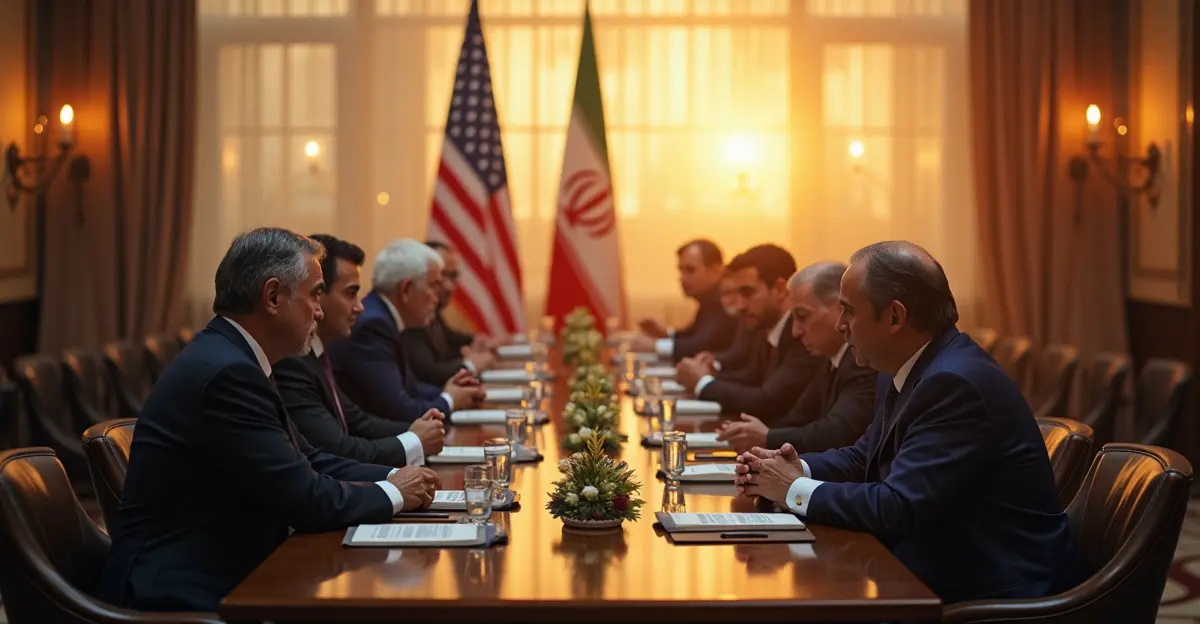
President Donald Trump confirmed a landmark memorandum of understanding with Iran on Monday, June 15, 2026, announcing the end of the 15-week conflict that began on February 28, 2026. Speaking at the G7 summit in Évian-les-Bains, France, Trump declared the deal a 'success for the whole world', with the Strait of Hormuz set to reopen by Friday, June 19. The agreement, brokered primarily by Pakistan with support from Qatar and Turkey, includes an immediate ceasefire, the reopening of the strategic waterway, and a 60-day window for deeper negotiations on Iran's nuclear program and sanctions relief.
The war, which began with coordinated US-Israeli airstrikes under Operation Epic Fury, saw the Strait of Hormuz effectively closed since early March, cutting off roughly 20% of global oil supplies and sending energy prices soaring. Oil prices had peaked at $126 per barrel in March, with Brent crude trading above $100 for months. The announcement triggered a dramatic market reversal: Brent crude tumbled 4.8% to $83.17 per barrel, while US WTI fell nearly 5% to $80.75. The Dow Jones Industrial Average surged 469 points to a record 51,671, the S&P 500 rose 1.7% to 7,554, and the Nasdaq jumped 3.1%. European wholesale gas prices also fell 6% on the news.
Key Provisions of the Islamabad Memorandum
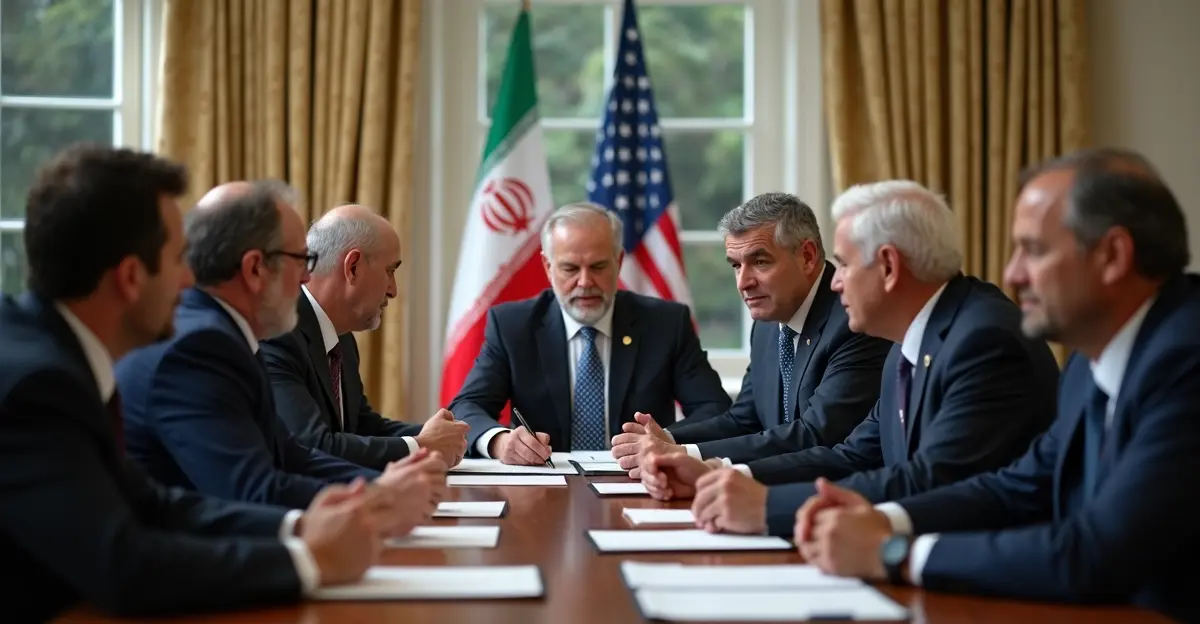
The memorandum, drafted in Islamabad on June 14 and digitally signed by Trump, Vice President Vance, and Iranian Parliament Speaker Mohammad Bagher Ghalibaf, includes several critical components. The formal signing ceremony is scheduled for Friday, June 19, in Geneva, Switzerland, with Vice President Vance expected to attend in Trump's place.
Strait of Hormuz Reopening
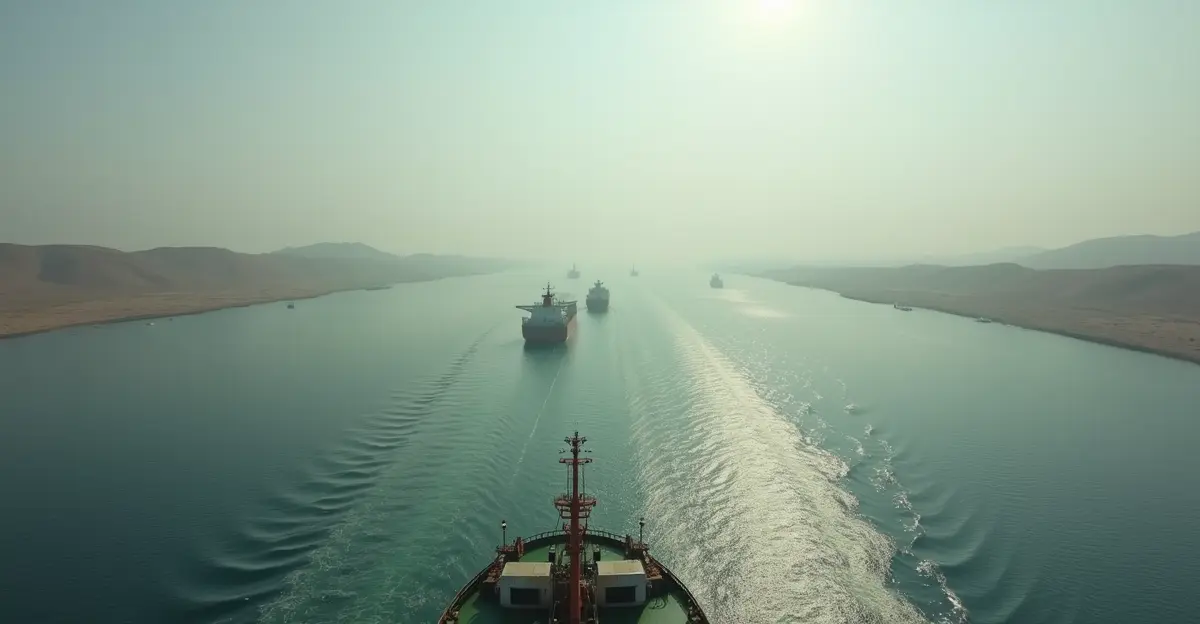
The most immediate and impactful provision is the reopening of the Strait of Hormuz to commercial shipping. According to Trump, the waterway will be 'completely open' by Friday, following mine-clearance operations. French President Emmanuel Macron offered naval assistance, which Trump initially declined but later said 'it's not a bad idea' for allies to send ships. The Netherlands has already indicated willingness to contribute. However, energy experts caution that oil and gas supplies could take months to return to pre-war levels, as shipping and insurance companies need confidence the pact will hold. Analysts predict it may take weeks for tanker traffic to reach even 50% of normal capacity.
Ceasefire and Lebanon
The agreement includes a permanent cessation of military operations on all fronts, including Lebanon. Hezbollah has welcomed the memorandum, calling it a comprehensive ceasefire across all fronts. However, the deal does not require Israeli troop withdrawals from southern Lebanon. Israeli Prime Minister Benjamin Netanyahu immediately stated that Israeli forces will remain in security buffer zones in southern Lebanon, parts of Syria, and the Gaza Strip 'as long as necessary'. This position puts Israel on a potential collision course with the emerging US-Iran framework. Iran has long insisted that peace in Lebanon must be an integral part of any broader agreement, and the Lebanon ceasefire negotiations remain a sensitive point between Washington and Tehran.
Sanctions Relief and Frozen Assets
According to Iranian media leaks of a 14-point draft, the deal includes the release of approximately $24 billion in frozen Iranian assets, with half released before formal talks begin. Sanctions on Iranian oil, petrochemicals, and related exports would be suspended. The US and allies would prepare a $300 billion reconstruction fund for Iran, tied to compliance benchmarks. However, Trump denied the leaked terms, calling them inaccurate. The final 60-day negotiations will focus solely on nuclear issues, enrichment levels, and sanctions relief, excluding discussions on Iran's missile program and support for regional proxies. Iran's nuclear program has produced over 400 kg of near-bomb-grade enriched uranium, a key sticking point that will be addressed in follow-up talks.
Global Market Reaction and Economic Impact
The financial markets reacted with euphoria to the peace announcement. The global oil supply crisis had driven US gas prices to over $4 per gallon, peaking at $6.03 during the conflict. Following the deal, national average gas prices fell to $4.06, down 10% from a month ago but still 36% higher than pre-war levels of roughly $3. Experts predict gas prices could reach the mid-to-high $3 range within weeks if the deal holds. Stocks of companies with high fuel costs, such as United Airlines and Royal Caribbean, surged. AI-related stocks also rallied, with the Nasdaq leading gains.
'This is the most significant geopolitical de-escalation since the end of the Cold War,' said one senior Western diplomat at the G7 summit. 'The reopening of Hormuz alone will reshape global energy markets.' However, analysts caution that damaged infrastructure in Gulf states, including oil facilities hit during the conflict, will take months to repair fully. The International Energy Agency estimates that global spare capacity has been severely depleted, and supply chains remain fragile.
Geopolitical Ramifications
The deal marks a dramatic shift in US-Iran relations, which have been defined by hostility since the 1979 Islamic Revolution. Pakistan's role as mediator has been pivotal, with Prime Minister Shehbaz Sharif announcing the framework before Trump confirmed it, and Field Marshal Asim Munir traveling to Tehran during final negotiations. The Pakistan-mediated US-Iran talks represent a diplomatic success for Islamabad, which leveraged its working relationships with both Washington and Tehran.
Israel's rejection of the deal creates a significant fault line. Netanyahu's insistence on maintaining buffer zones in Lebanon and Syria threatens to undermine the ceasefire. Iran's hardliners have also protested the agreement, viewing it as a concession to the US. The G7 summit in France will address these tensions, with Ukrainian President Volodymyr Zelenskyy invited for a working session on the Russia-Ukraine war, which Trump says he now aims to resolve. Trade disputes also loom, with Trump threatening 100% tariffs on French wine unless Paris drops its digital tax on US tech giants.
What Happens Next?
The 60-day negotiation period will determine the fate of the broader peace framework. Key unresolved issues include:
- Nuclear program: Iran's enrichment levels and uranium stockpile, currently exceeding JCPOA limits
- Sanctions relief: Full scope and timeline for lifting US and EU sanctions
- Regional proxies: Iran's support for Hezbollah, Hamas, and other allied groups
- Reconstruction: Implementation of the $300 billion fund and compliance benchmarks
- Israel: Whether Israel can be brought into the framework or will remain outside it
The formal signing in Geneva on Friday will be closely watched. If the deal holds, it could usher in a new era of stability in the Middle East, lower energy prices globally, and provide a template for resolving other conflicts. If it falters, the region risks a return to hostilities that could be even more devastating than the war just ended.
Frequently Asked Questions
What is the US-Iran peace deal?
The Islamabad Memorandum is a framework agreement between the United States and Iran to end the 2026 Iran war, reopen the Strait of Hormuz, and establish a 60-day negotiation period for a comprehensive peace treaty. It was digitally signed on June 14, 2026, and will be formally signed in Geneva on June 19.
When did the US-Iran war start?
The war began on February 28, 2026, with US-Israeli coordinated airstrikes under Operation Epic Fury, targeting Iranian military and nuclear facilities. Iran retaliated with ballistic missiles and drones against Israel and US bases in the Gulf.
How will the deal affect oil prices?
Oil prices have already dropped sharply, with Brent crude falling to $83 per barrel and US gas prices declining to $4.06 per gallon. Experts predict further declines as the Strait of Hormuz reopens, but full normalization could take months due to damaged infrastructure and cautious shipping markets.
Is Lebanon included in the ceasefire?
Yes, the agreement includes a permanent cessation of hostilities in Lebanon. Hezbollah has welcomed the deal. However, Israel has refused to withdraw from buffer zones in southern Lebanon, creating ongoing tension.
What role did Pakistan play?
Pakistan served as the primary mediator, brokering talks between Washington and Tehran. Prime Minister Shehbaz Sharif and Field Marshal Asim Munir led the diplomatic effort, which also involved Qatar and Turkey. Pakistan has acted as Iran's protecting power in the US since 1980.

Follow Discussion