


 English
 Nederlands
 Deutsch
 Français
 Español
 Português

Daily News Summary – 2026-03-21 – en

March 21, 2026, witnessed a confluence of geopolitical, economic, and technological shifts shaping the global landscape. Russia capitalized on the Iran conflict with increased oil revenues, while the U.S. weighed military options in the Strait of Hormuz. The COP29 agreement pledged $300 billion for climate finance, aiming to accelerate the energy transition. Cuba faced severe fuel shortages and potential U.S. intervention, highlighting regional tensions. In technology, China's DeepSeek AI breakthrough and semiconductor self-sufficiency efforts challenged U.S. dominance, alongside quantum computing threats to encryption. Central bank divergences affected capital flows, and the Red Sea crisis disrupted trade routes. Critical minerals became a new frontline in great power competition, with stockpiling initiatives by the U.S., EU, and China.
Russia Oil Revenue: Daily Millions Surge After Trump Iran War
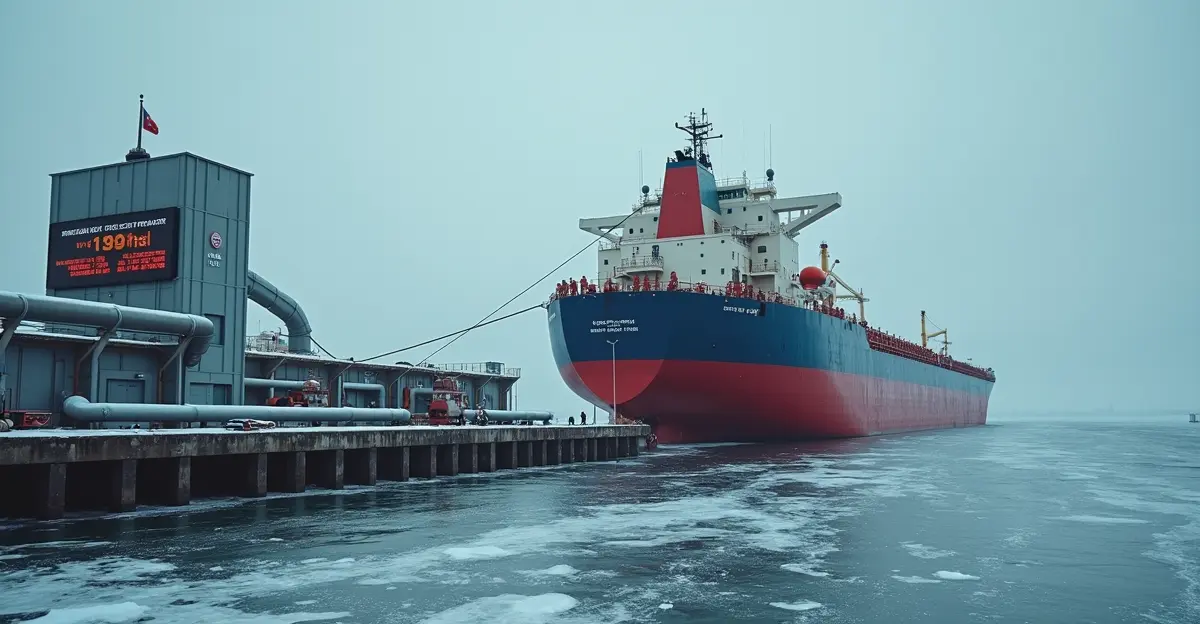
Russia is earning tens of millions of dollars in additional daily revenue from oil and gas exports since President Donald Trump's war against Iran began, with daily fossil fuel revenue reaching €513 million in March 2026.
Trump Considering Kharg Island Occupation for Strategic Oil Threat
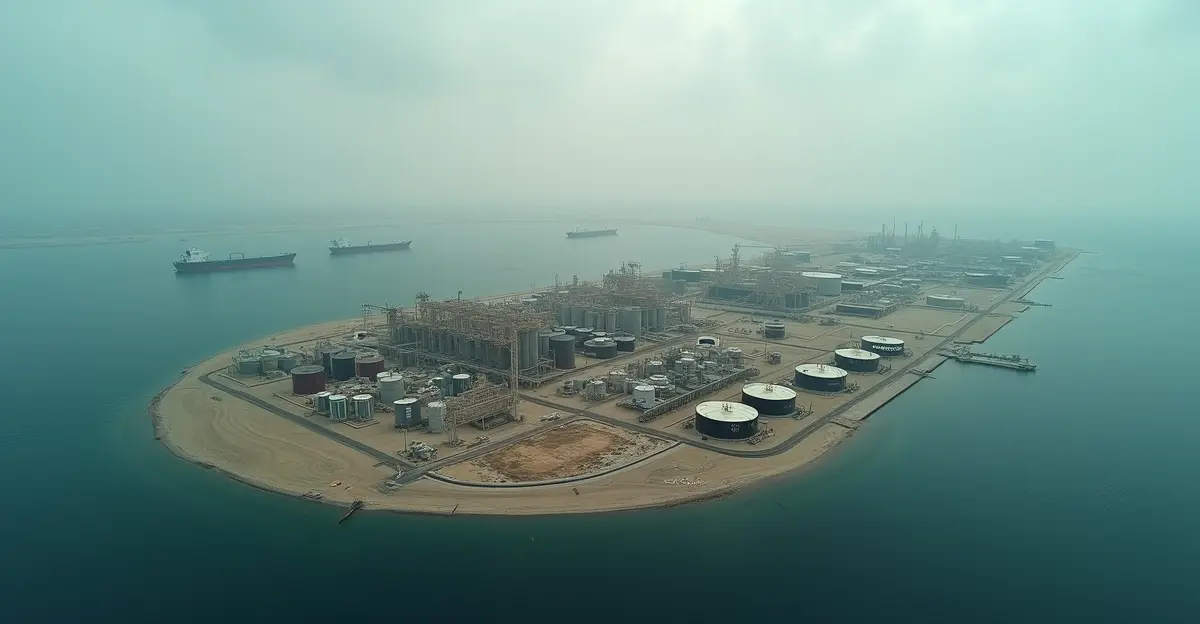
The U.S. is reportedly considering occupying Iran's Kharg Island to force the reopening of the Strait of Hormuz, a critical global oil chokepoint blocked by Iranian attacks.
Cuba Crisis: Trump Intervention Analysis

As Cuba faces severe economic and energy crises, some citizens welcome potential U.S. intervention under President Trump, with the island experiencing nationwide blackouts and fuel shortages.
North Korea Artillery Shells to Russia
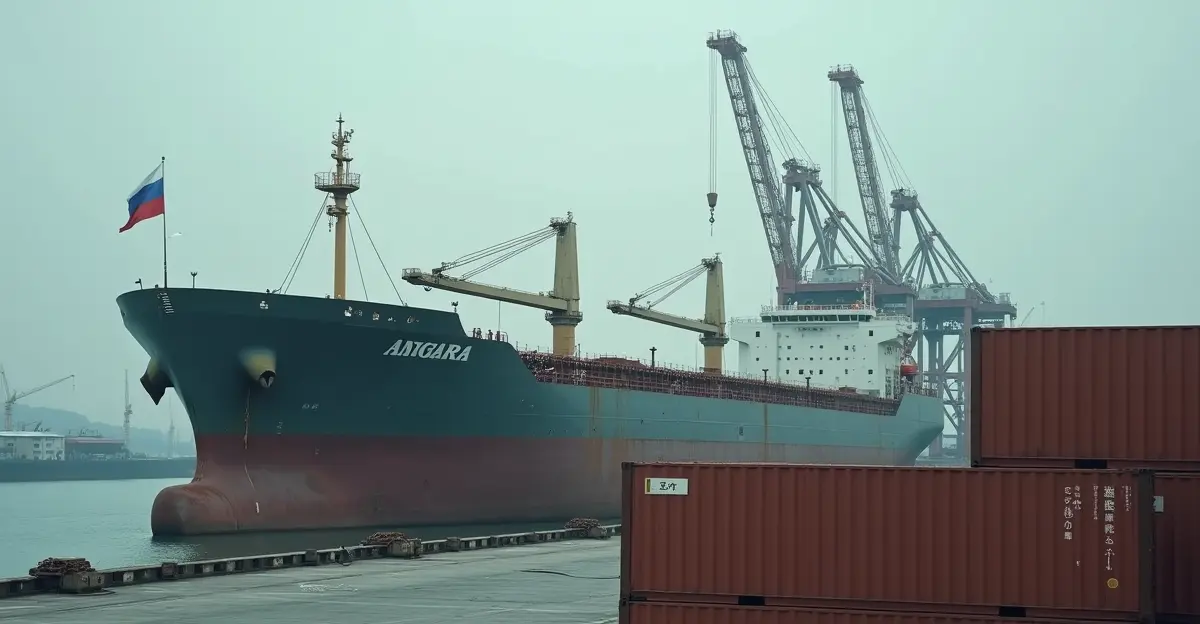
North Korea has supplied approximately 11 million artillery shells to Russia, generating up to $14.4 billion and providing crucial support for Russia's military operations in Ukraine.
Royal Lip Reading Controversy Privacy Crisis
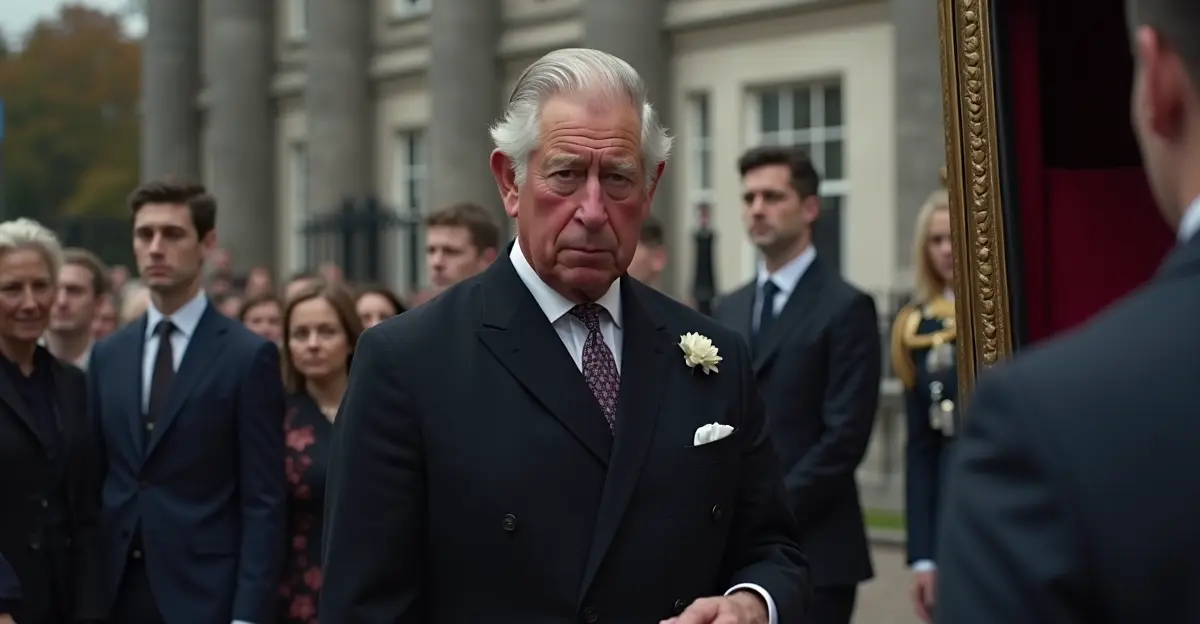
The British royal family faces a privacy crisis as lip-reading videos expose private conversations, with clips showing King Charles exclaiming and Prince William rejecting apologies.
 Share this article



