


 Deutsch
 English
 Español
 Français
 Nederlands
 Português


 Share
Share




Cuba's Deepening Crisis: Why Some Cubans See Trump as a Solution
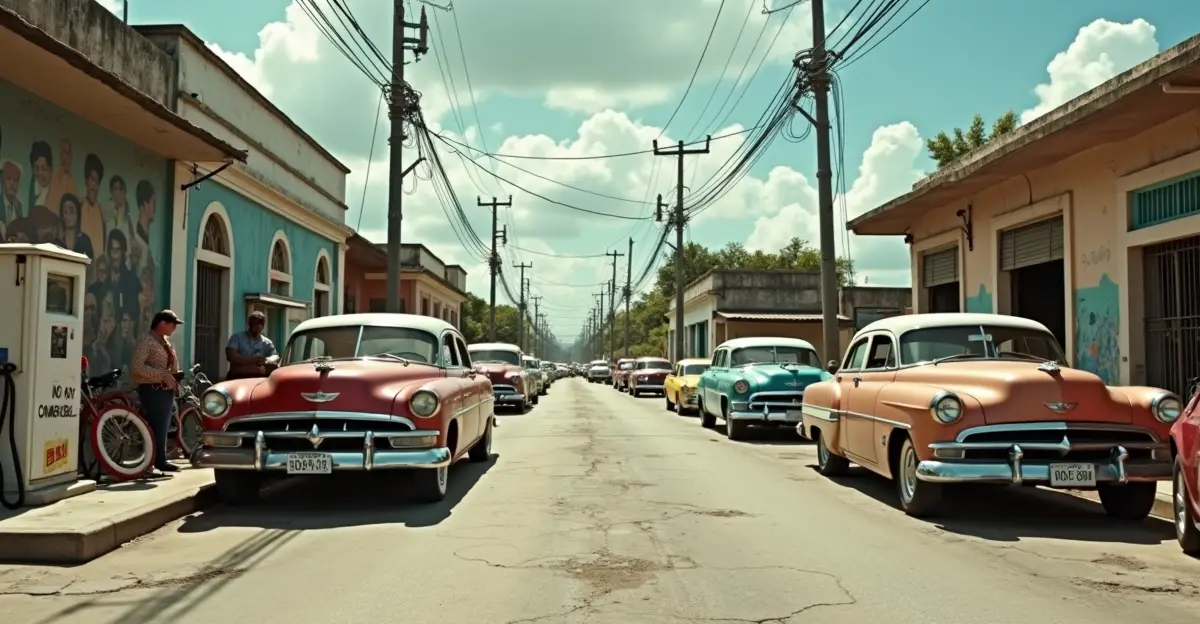
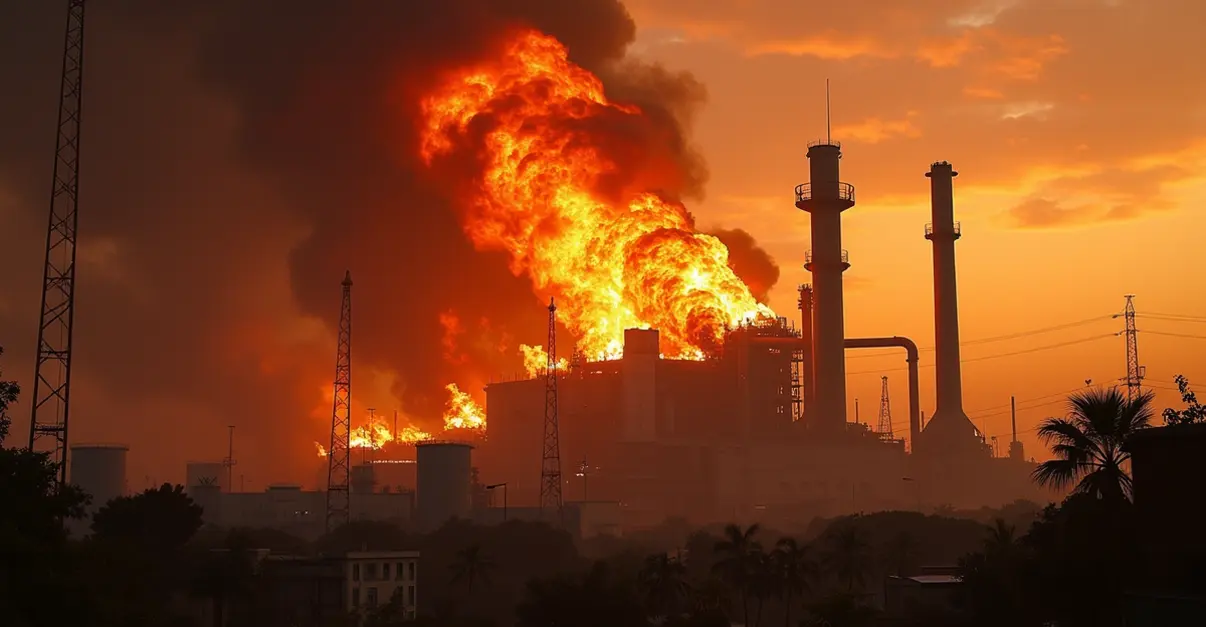
As Cuba faces its most severe economic and energy crisis in decades, a surprising sentiment is emerging among the island's most vulnerable citizens: some are welcoming the prospect of U.S. intervention under President Donald Trump. With nationwide blackouts plunging 11 million people into darkness, chronic fuel shortages crippling daily life, and food scarcity reaching critical levels, many Cubans at the bottom of society are expressing a desperate willingness to accept radical change, even if it comes from their long-time adversary.
What is the 2026 Cuban Crisis?
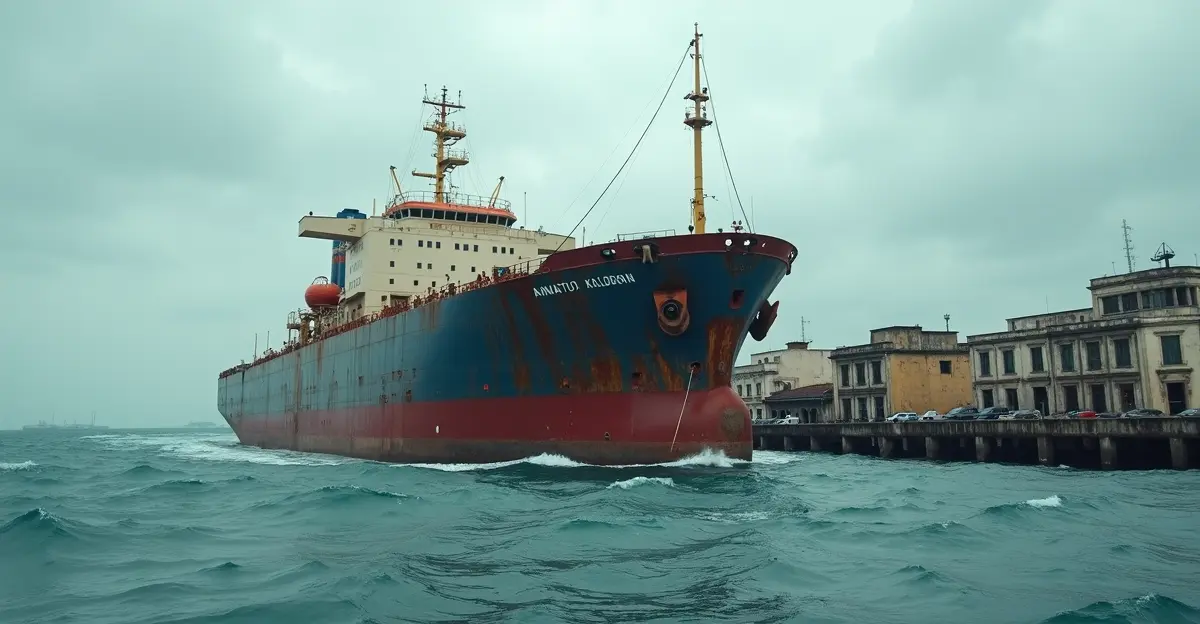
The 2026 Cuban crisis represents the island nation's most severe economic collapse since the fall of the Soviet Union. Triggered by a U.S.-led oil blockade that cut off Venezuela's oil shipments in January 2026, Cuba has experienced three major nationwide blackouts in just four months, with the most recent on March 16, 2026 leaving the entire country without power for 29 hours. The crisis stems from decades of economic hardship exacerbated by U.S. sanctions and Cuba's reliance on obsolete Soviet-era infrastructure, creating what experts call a 'perfect storm' of infrastructure collapse, lack of hard currency for repairs, and corroding equipment.
The Daily Struggle in Havana
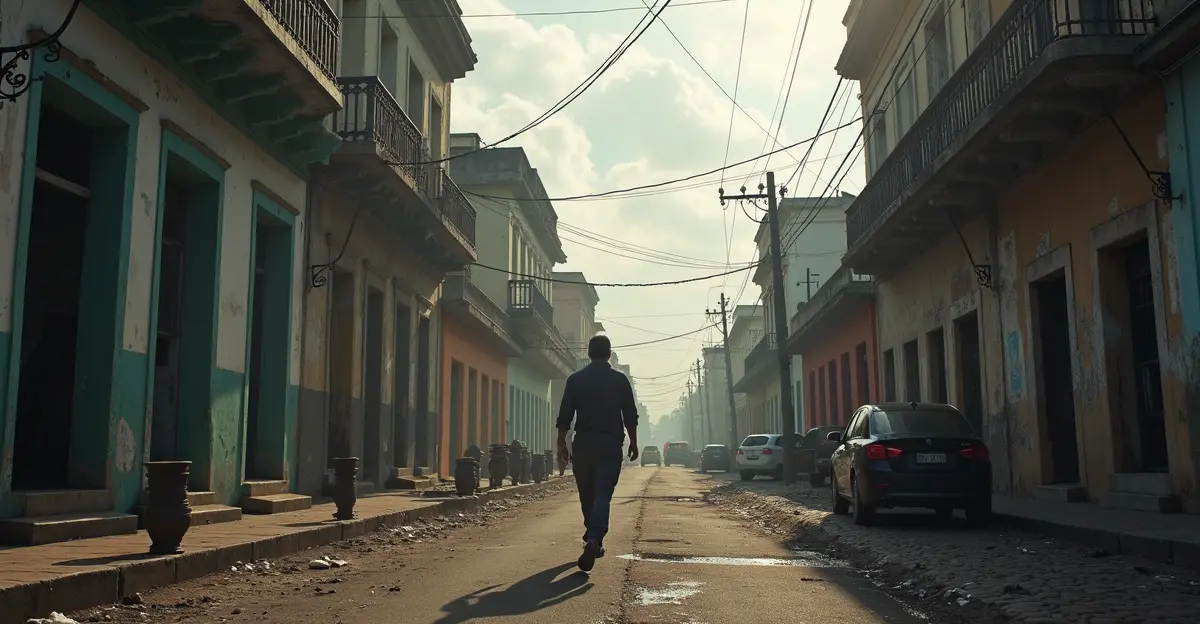
For residents like Sanne Derks, a Dutch anthropologist from Wageningen University living in central Havana, daily life has become a constant battle for basic necessities. 'How long do we have electricity? Is the water working?' Derks explains via WhatsApp, describing the reality for most Cubans. While she lives in a relatively better part of the city with limited internet access (60 hours of data per month with poor signal), most residents face far worse conditions. 'The houses along the famous Malecón, by the sea, have practically collapsed - there's little left of them,' she notes, highlighting the deteriorating infrastructure.
Divided Public Opinion
According to Derks' research and observations, public opinion in Cuba is sharply divided along socioeconomic lines. 'Particularly marginalized Cubans feel that radical change is necessary,' she explains, 'and they hope Trump can deliver that.' Many at the bottom of society share the sentiment: 'Slechter dan dit wordt het toch niet' (It can't get worse than this). However, wealthier Cubans and government employees are far more cautious about potential U.S. intervention, fearing the unknown consequences of what Trump might actually deliver.
Trump's 'Friendly Takeover' Proposal
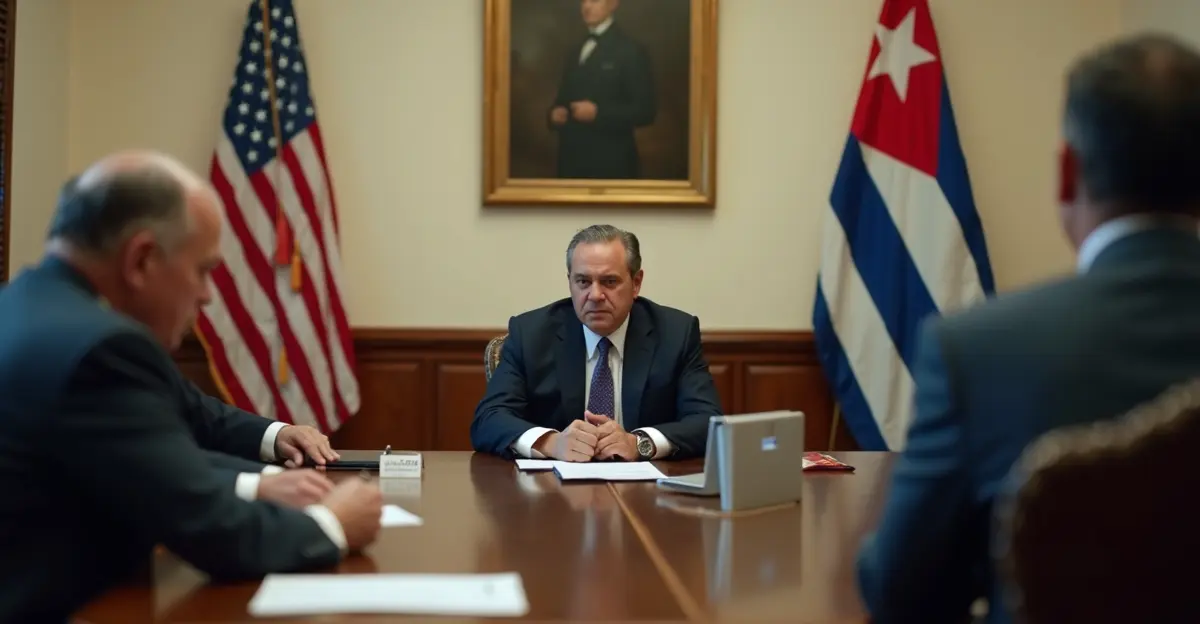
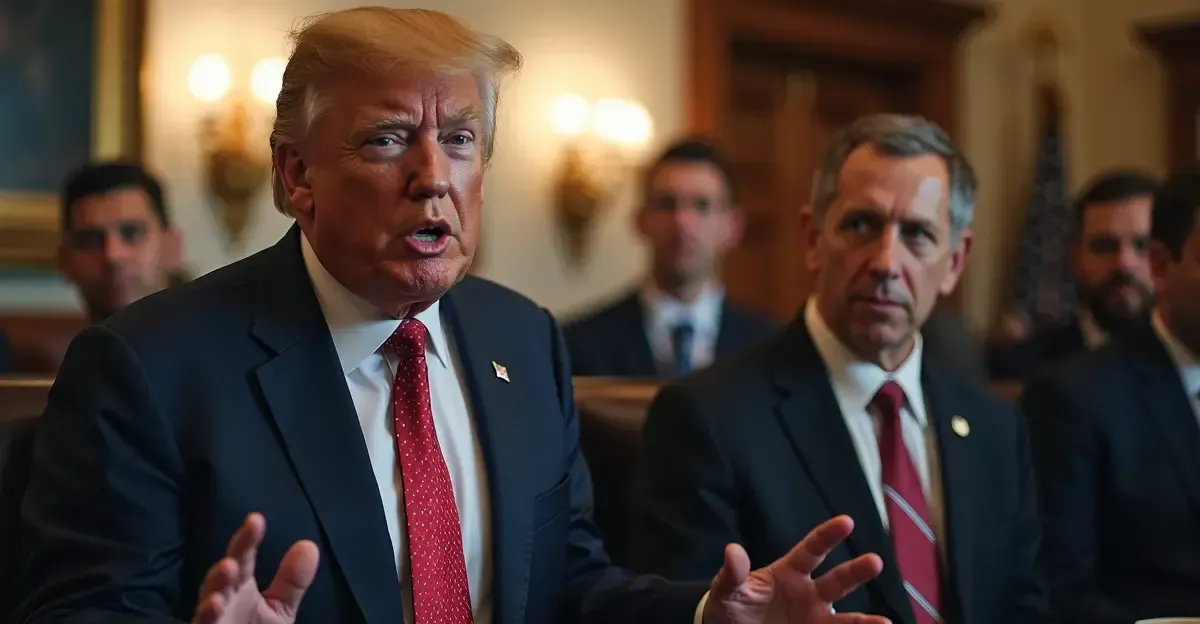
President Trump has framed potential intervention as a 'friendly takeover,' stating in January 2026 that he would have 'the honor of taking Cuba' and could 'do with the island what I want.' This rhetoric comes amid confirmed diplomatic talks between the Cuban and U.S. governments, with Cuba recently agreeing to release 51 political prisoners as part of negotiations. The U.S. strategy appears modeled after the Venezuela intervention model, seeking regime change without completely dismantling the existing political apparatus.
Potential Outcomes: Puerto Rico or Haiti?
Cubans face uncertainty about what U.S. intervention might actually mean for their future. Derks outlines the possibilities: 'The hope is that the economy will finally pick up and tourism will return. But downsides like mass tourism with 'Benidorm-like' scenes are unknown to people.' The island could potentially become 'a kind of Puerto Rico or Florida,' she suggests, but warns it 'could also become a kind of Haiti.' This uncertainty reflects the broader dilemma facing Cubans who have lived under communist rule for over six decades but fear the unknown consequences of American intervention.
Energy Crisis Statistics and Impact
- Power outages: 3 major nationwide blackouts in 4 months (latest: March 16, 2026, 29-hour duration)
- Population affected: 11 million Cubans plunged into darkness
- Infrastructure: Aging Soviet-era grid operating at less than 30% capacity
- Fuel shortage: 85% reduction in oil imports since U.S. blockade began
- Economic impact: GDP estimated to have contracted by 15% in first quarter 2026
- Humanitarian crisis: UN reports threats to food supply, water systems, and hospitals
Regional Implications and Geopolitical Context
The Cuban crisis has significant implications for Caribbean geopolitics and U.S. foreign policy. With China maintaining intelligence presence in Cuba and Russia reaffirming its commitment to helping the island nation, the situation represents a strategic opportunity for the U.S. to weaken a long-standing adversarial regime. However, regional experts warn of potential short-term instability and migration pressures similar to previous Caribbean refugee crises, which could strain neighboring countries' resources and create humanitarian challenges.
Frequently Asked Questions
What is causing Cuba's energy crisis?
Cuba's energy crisis results from a combination of aging Soviet-era infrastructure, U.S. economic sanctions, and most critically, a U.S.-led oil blockade that cut off Venezuelan oil shipments in January 2026. The country's power grid has deteriorated drastically in recent years, with officials warning that restored circuits could fail again at any moment.
Why would Cubans support Trump intervention?
Many marginalized Cubans, facing daily struggles with electricity, water, and food shortages, believe radical change is necessary and hope U.S. intervention might improve basic infrastructure and economic conditions. As one resident put it: 'Maybe then the water and energy supply will finally be fixed.'
What would a 'friendly takeover' mean for Cuba?
A 'friendly takeover' likely means regime change without completely dismantling Cuba's political structure, similar to the U.S. approach in Venezuela. The U.S. appears to be negotiating with prominent Cubans while seeking the resignation of current President Miguel Díaz-Canel, potentially installing a transitional government.
How bad is Cuba's current economic situation?
Cuba is experiencing its worst economic crisis since the Soviet Union's collapse. The country faces acute shortages of food, fuel, and electricity affecting all 11 million inhabitants, with GDP estimated to have contracted by 15% in early 2026 and unemployment rising rapidly.
What are the risks of U.S. intervention?
Risks include potential instability, unknown political consequences, mass tourism that could overwhelm local culture, and the possibility that Cuba could become dependent on U.S. aid without achieving sustainable development, similar to Puerto Rico's economic challenges.
Follow Discussion