


 Deutsch
 English
 Español
 Français
 Nederlands
 Português


 Share
Share




Cuba Crisis Explained: Complete Guide to 2026 Fuel Shortages & Revolution Threat
The 2026 Cuban crisis represents the most severe economic and humanitarian emergency the island nation has faced in decades, with widespread fuel shortages, food scarcity, and power outages threatening to spark revolutionary change. As the United States intensifies its oil blockade against Cuba, the Caribbean nation finds itself in a deepening crisis that has left 7 out of 10 Cubans skipping meals and created what experts describe as a 'perfect storm' for potential regime change.
What is the 2026 Cuban Crisis?
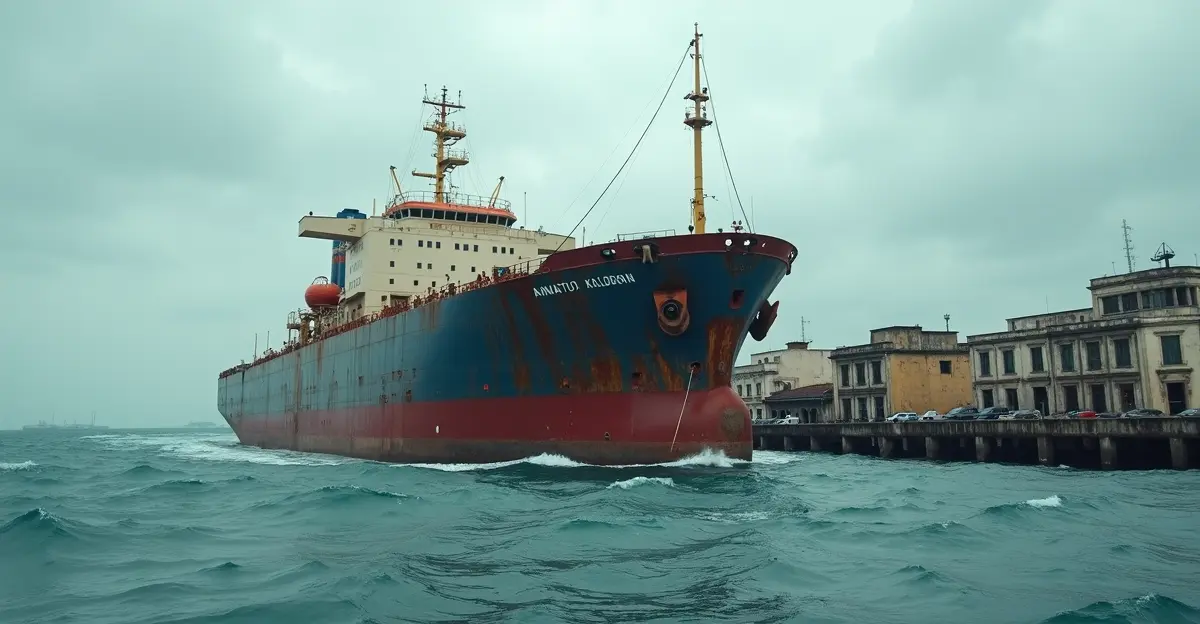
The 2026 Cuban crisis is an unprecedented oil shortage and economic collapse triggered by an American fuel blockade that began in February 2026. Following the US intervention in Venezuela, where American forces ousted President Nicolás Maduro, the United States implemented a comprehensive blockade of Venezuelan oil destined for Cuba. This strategic move has left the island nation, which depends on imported oil for 90% of its energy needs, facing crippling shortages that have paralyzed transportation, agriculture, and basic services.
The Perfect Storm: Multiple Crises Converge
Cuba's current situation represents a convergence of multiple crises that have created what filmmaker Yuribert Capetillo Hardy describes as 'complete dysfunction.' The country faces four simultaneous emergencies:
1. Fuel Shortage Crisis
The American oil blockade has created severe fuel shortages that prevent the operation of Cuba's aging electrical grid, public transportation, and agricultural machinery. According to United Nations reports, the fuel shortage has prevented crop harvesting and undermined food sovereignty efforts across the island. 'Cuba stands completely still at this moment,' says Hardy, a Cuban-Dutch filmmaker who fled the communist regime at age 19.
2. Food and Water Emergency
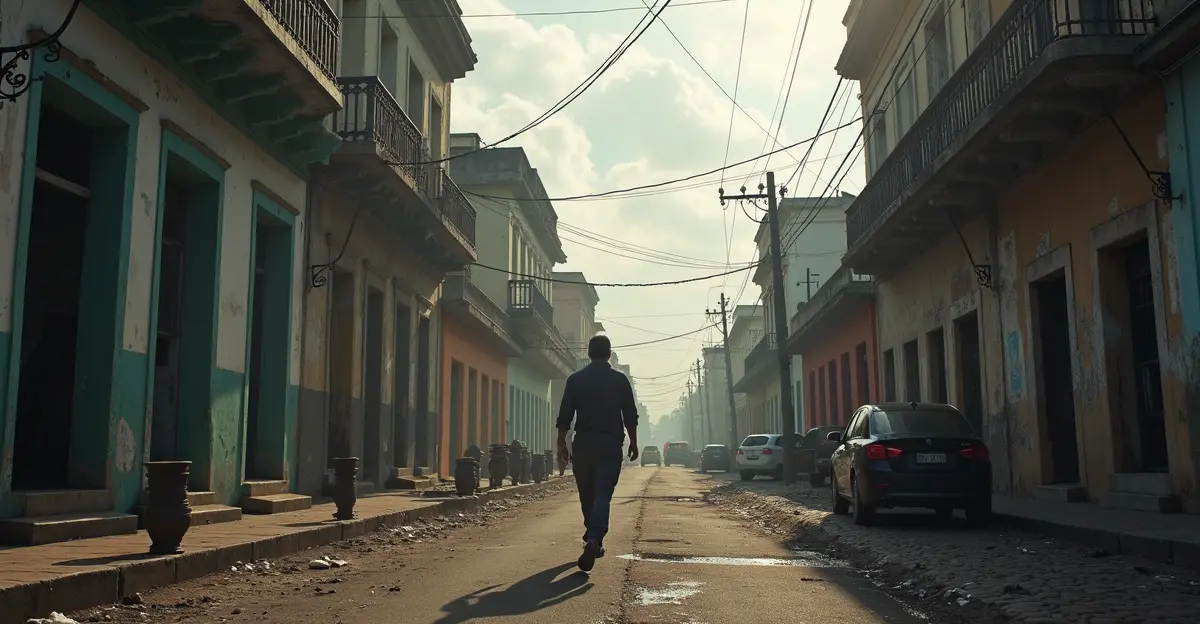
With transportation paralyzed, food distribution has become nearly impossible. Many Cubans now walk or cycle to neighboring cities with empty bottles to find water. The UN Human Rights Office reports that the blockade has threatened Cuba's entire food supply and disrupted water systems and hospitals. Seven out of ten Cubans regularly skip meals, according to Human Rights Watch research.
3. Energy Grid Collapse
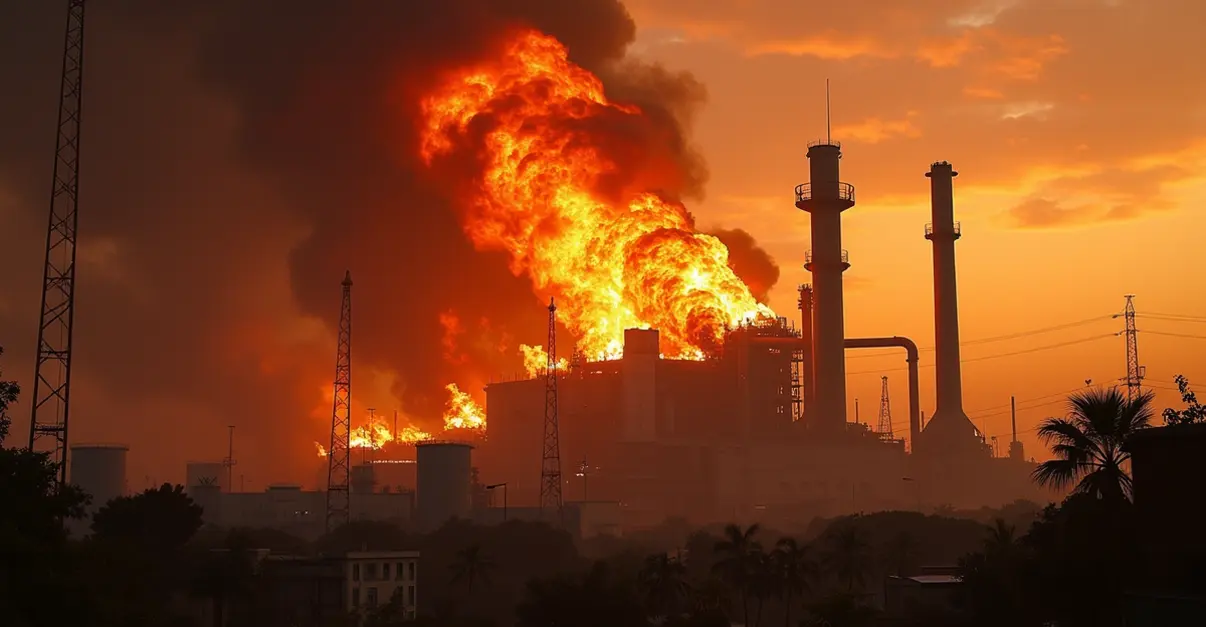
Cuba's electrical grid, already fragile from decades of underinvestment, has suffered massive blackouts. The country experienced its lowest-ever recorded temperature of 0°C (32°F) in February 2026, exacerbating the energy crisis. Power outages have become so frequent that the government has implemented rolling blackouts, though these disproportionately affect poorer neighborhoods while wealthier areas maintain more consistent service.
4. Healthcare System Breakdown
Medicines have become nearly impossible to find, and hospitals struggle to maintain basic operations without reliable power. The UN has warned that the deepening economic crisis has severe consequences for healthcare delivery, with many facilities operating at minimal capacity.
Two Cubas: The Growing Inequality Divide
One of the most striking aspects of the current crisis is the emergence of 'two Cubas' – one for the wealthy and connected, another for the struggling majority. Hardy notes that 'people who have money don't experience the same problems.' In affluent neighborhoods, power outages are less frequent, and water continues to flow from taps, while poorer communities face daily struggles for basic necessities.
This inequality extends to food access, transportation, and even healthcare. The government's focus on stabilizing the tourism industry rather than addressing the population's needs has exacerbated these divisions, creating a powder keg of social tension.
International Response and Diplomatic Moves
The international community has responded with growing concern to Cuba's deteriorating situation. Several developments have marked the global response:
- Mexican Aid Ships: Multiple vessels carrying emergency aid have departed from Mexico in recent weeks
- Russian Tanker Controversy: Russia reportedly planned to send an oil tanker to break the American blockade, but according to The New York Times, the vessel changed course
- Activist Flotilla: An activist convoy similar to the 2025 Gaza flotilla is en route to Havana
- UN Alarm: The United Nations has warned of potential societal disruption affecting schools and healthcare
On March 13, 2026, Cuban Communist Party First Secretary Miguel Díaz-Canel confirmed for the first time that his government was engaged in diplomatic talks with the United States to address the oil blockade. As part of these negotiations, Cuba has agreed to release 51 political prisoners.
The Youth Movement: A New Spark for Revolution?
While mass protests remain limited due to exhaustion and fear, Hardy reports increasing nighttime demonstrations by young Cubans. 'Our soul has been erased,' he says, 'but there is a new spark that could lead to a real revolution.' These youth-led protests represent a significant development in a country where the population has grown accustomed to 60 years of communist rule.
The demographic shift is crucial to understanding this development. With mass youth emigration and an aging population, those who remain face a future with limited prospects. The Cuban government's stability now depends on its ability to address both immediate humanitarian needs and long-term economic prospects for younger generations.
US Strategy and Regime Change Objectives
The Trump administration has made no secret of its regime change objectives in Cuba. In January 2026, President Trump called on Cuba to 'make a deal before it's too late' and suggested the US could implement 'a friendly takeover of Cuba.' The New York Times described the blockade as the 'United States' first effective blockade [of Cuba] since the Cuban Missile Crisis.'
Executive Order 14380, signed on January 29, 2026, declared a national emergency and authorized additional tariffs on countries supplying oil to Cuba. This represents an escalation of the 'maximum pressure' strategy initiated during Trump's second presidency in January 2025.
Impact and Future Implications
The 2026 Cuban crisis has far-reaching implications beyond the island's borders. The situation represents:
- A test of US foreign policy in the Caribbean region
- A humanitarian emergency requiring international response
- A potential flashpoint for regional instability
- A case study in economic warfare and its human costs
As Hardy observes, the critical question is how much external pressure will increase and whether the Cuban government can implement meaningful reforms. With Venezuela's support seemingly withdrawn and Russia's assistance uncertain, Cuba faces its challenges largely alone.
Frequently Asked Questions (FAQ)
What caused the 2026 Cuban crisis?
The crisis was triggered by a US oil blockade following American intervention in Venezuela, cutting off Cuba's primary oil supply and creating severe fuel shortages.
How many Cubans are affected by food shortages?
According to Human Rights Watch research, seven out of ten Cubans regularly skip meals due to food scarcity and distribution problems.
Is there a diplomatic solution in sight?
On March 13, 2026, Cuba confirmed diplomatic talks with the US, agreeing to release 51 political prisoners as an initial step toward addressing the blockade.
Are protests likely to increase?
While mass protests remain limited, nighttime demonstrations by young Cubans are increasing, representing potential seeds of broader discontent.
What is the US government's objective?
The Trump administration has explicitly stated its goal is regime change in Cuba by the end of 2026 through economic pressure.


Follow Discussion