


 Deutsch
 English
 Español
 Français
 Nederlands
 Português


 Share
Share




Breaking: Fire at Havana Refinery Worsens Cuba's Energy Crisis
A fire at the Nico Lopez oil refinery near Havana on February 14, 2026, has dealt another blow to Cuba's already strained energy sector, which faces severe shortages due to US sanctions and the cutoff of Venezuelan oil supplies. The blaze erupted in a warehouse storing finished oil products at the 122,000-barrel-per-day facility but was quickly contained with no reported injuries. This incident comes as Cuba implements emergency energy-saving measures including university closures, shortened school days, and reduced public transportation amid what experts call the country's worst crisis since the Soviet Union's collapse.
What is the Nico Lopez Refinery?
The Cupet Nico Lopez Refinery is Cuba's largest crude oil processing facility with a design capacity of 122,000 barrels per day, located in Ciudad de la Habana. This critical infrastructure has become even more important as Cuba struggles with fuel shortages following the US sanctions on Venezuela that blocked traditional oil imports. The refinery fire, while quickly extinguished, represents another vulnerability in Cuba's energy system at a time when the country can only produce about one-third of its fuel requirements domestically.
Background: How US Sanctions Created Cuba's Energy Crisis
Cuba's current energy crisis stems from President Donald Trump's aggressive policies targeting the island nation's oil supplies. After US forces abducted Venezuelan leader Nicolás Maduro in January 2026, the Trump administration blocked Venezuela's oil exports to Cuba and threatened tariffs against any country supplying crude to the Caribbean nation. Venezuela had been providing approximately 35,000 barrels of oil daily to Cuba, representing a crucial lifeline for the island's economy.
The United Nations has condemned these measures as "extreme unilateral economic coercion" that threatens humanitarian collapse. "The situation in Cuba is dire," said UN Secretary-General Antonio Guterres. "If the country's basic energy needs remain unmet, we could see a complete breakdown of essential services."
Emergency Measures Implemented
In response to the crisis, the Cuban government has implemented unprecedented energy-saving measures:
- Universities closed indefinitely
- School days shortened by 50%
- Four-day work week for public sector employees
- Public transportation reduced by 70%
- Fuel rationing with strict sales limits
- Hotels consolidated and tourism operations scaled back
Impact on Tourism and Economy
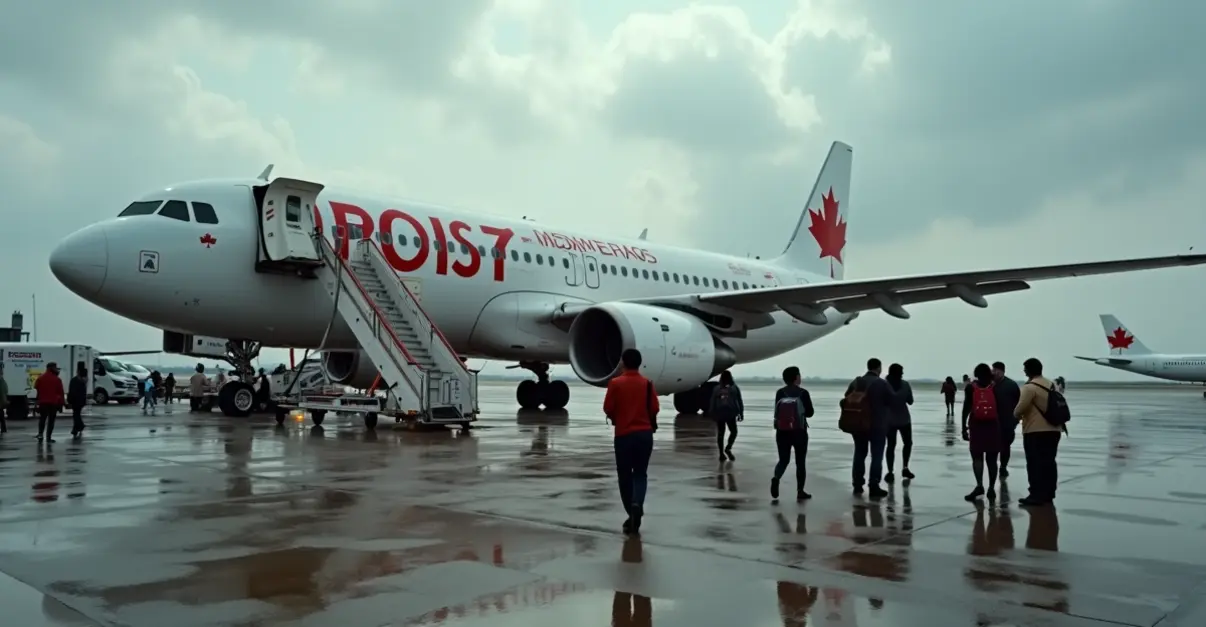
The energy crisis has devastated Cuba's vital tourism sector, which accounted for approximately 10% of GDP before the current emergency. Major airlines including Air Canada, Air Transat, and WestJet have suspended flights to Cuba until at least May 2026 due to aviation fuel shortages. Approximately 3,000 tourists are being evacuated, with Russia organizing special flights to repatriate around 4,000 of its citizens.
Hotels across key destinations including Varadero, Cayo Santa María, and Holguín have temporarily closed as part of government "consolidation" efforts. "Varadero looks like a ghost town," reported one tourism worker. "We've lost all our tip income from foreign visitors, and many colleagues have been furloughed."
The crisis compounds existing economic challenges, with Cuba's tourism arrivals falling to just 1.8 million visitors in 2025—far below government targets and representing a significant decline from pre-crisis levels. The situation mirrors the economic collapse in Venezuela that preceded current tensions.
Geopolitical Implications and International Response
The refinery fire occurs amid heightened geopolitical tensions in the region. The Trump administration has labeled Cuba a national security threat and indicated desire for regime change in Havana. Secretary of State Marco Rubio has been particularly vocal in supporting aggressive measures against the Cuban government.
China and Russia have expressed support for Cuba against what they call "inhumane" US actions, testing the BRICS alliance's cohesion. Meanwhile, European and Canadian officials have expressed concern about the humanitarian impact of the sanctions while maintaining their own diplomatic positions.
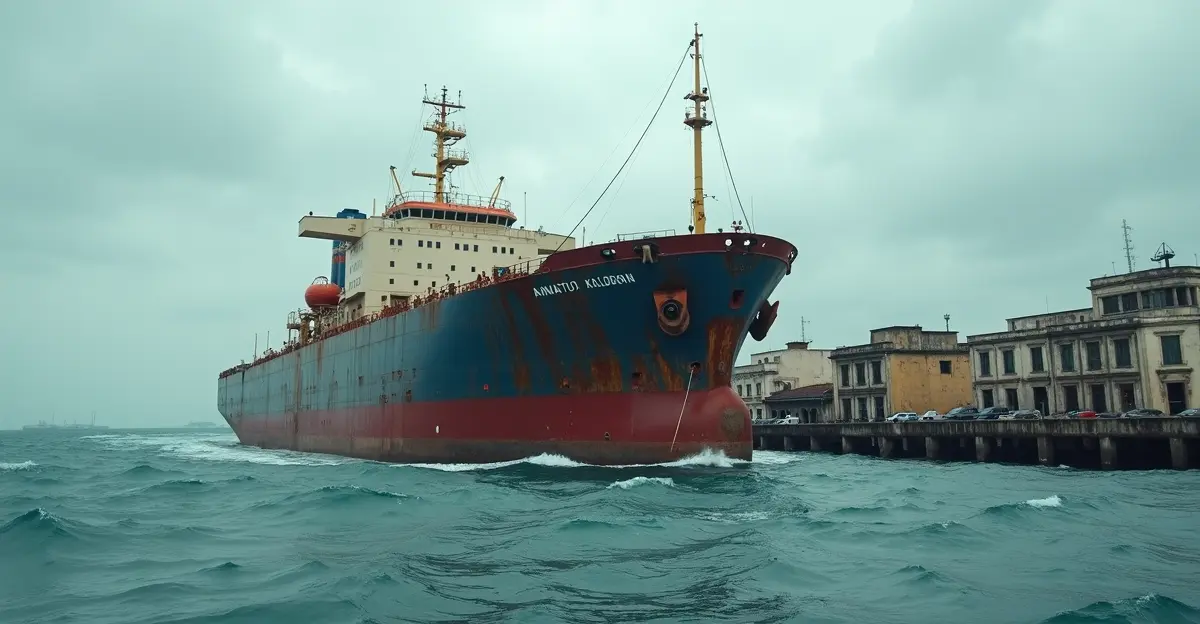
The situation highlights the complex interplay between US foreign policy in Latin America and regional energy security. With no foreign fuel tankers having arrived in Cuban ports for weeks, the country faces increasingly desperate circumstances.
FAQ: Cuba Energy Crisis 2026
What caused the refinery fire in Havana?
The cause of the February 14, 2026 fire at the Nico Lopez refinery remains under investigation. The blaze broke out in a warehouse storing finished oil products but was quickly contained with no injuries reported.
How severe are Cuba's fuel shortages?
Extremely severe. Cuba can only produce about one-third of its fuel requirements domestically, and no foreign fuel tankers have arrived in weeks. The country has implemented emergency rationing and faces daily power outages affecting hospitals, water pumping stations, and essential services.
Which airlines have suspended flights to Cuba?
Air Canada has cancelled all flights until at least May 2026. Air Transat and WestJet have also suspended operations, while Iberia and Air Europa are making technical stops in Santo Domingo to refuel before continuing to Cuba.
What are the US sanctions affecting Cuba's oil supply?
President Trump blocked Venezuelan oil exports to Cuba after US forces abducted Venezuela's President Maduro. The administration has also threatened tariffs against any country supplying crude to Cuba, effectively creating an oil blockade.
How is the UN responding to the crisis?
The United Nations has condemned US measures as extreme economic coercion and warned of potential humanitarian collapse if Cuba's energy needs remain unmet. UN human rights experts have called for immediate relief measures.




Follow Discussion