


 Deutsch
 English
 Español
 Français
 Nederlands
 Português


 Share
Share




Cuba's Perfect Storm: US Pressure and Economic Meltdown
Cuba is facing its most severe economic crisis in decades as the island nation grapples with the dual threats of escalating US pressure and the collapse of its vital oil lifeline from Venezuela. The recent US military operation in Venezuela that resulted in the capture of President Maduro has sent shockwaves through Havana, where officials fear they could be next in Washington's crosshairs.
The Venezuelan Connection Unravels
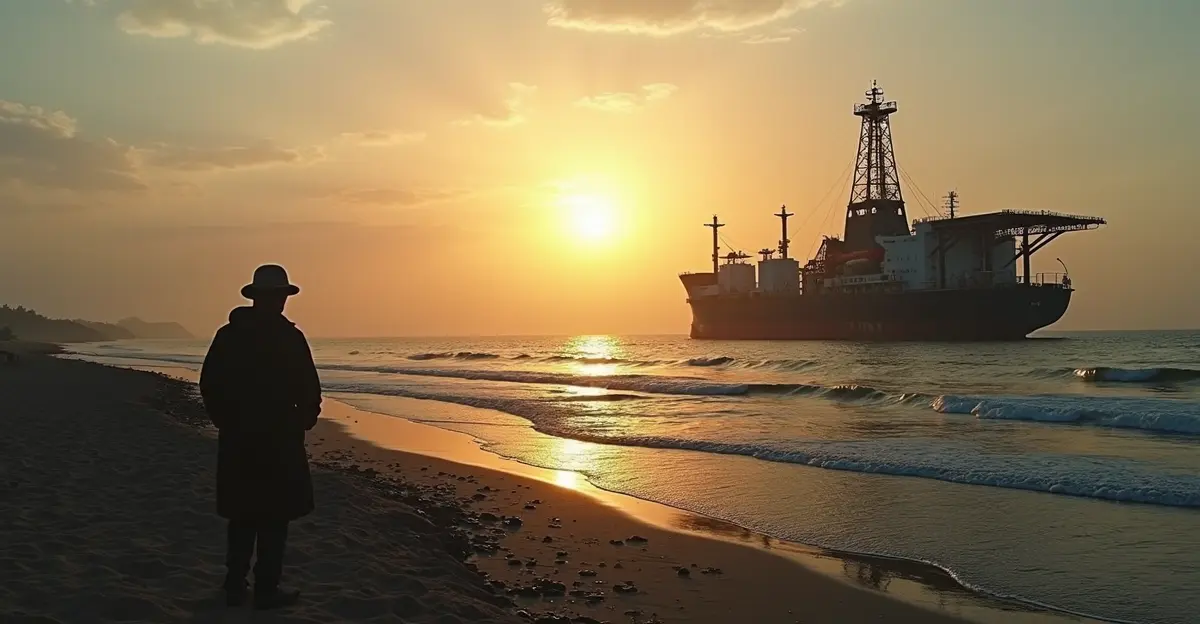
For over two decades, Cuba and Venezuela maintained a symbiotic relationship that kept both economies afloat. Cuba sent thousands of doctors, teachers, and security personnel to Venezuela, while Caracas provided Havana with crucial oil shipments that peaked at 100,000 barrels per day. This arrangement allowed Cuba to maintain its aging Soviet-era energy infrastructure despite economic sanctions.
However, that lifeline has been severed. Following the US takeover of Venezuela's oil sector, American officials made it clear that Cuban oil imports would cease. 'If I lived in Havana and was in the government there, I would be worried,' said US Secretary of State Marco Rubio, whose parents fled Cuba in the 1950s. Rubio has been vocal about his opposition to Cuba's communist regime, though he hasn't explicitly called for military intervention.
Daily Life in Darkness
The impact on ordinary Cubans has been devastating. Ramón Ramos and his wife Leidy, who live in Havana with their 3-year-old son Matias, experience at least six hours of daily power outages. 'It's especially difficult with cooking,' says Ramos as his wife prepares coffee under the light of a phone flashlight. 'It's also hard to do laundry. Anything that requires electricity doesn't work.'
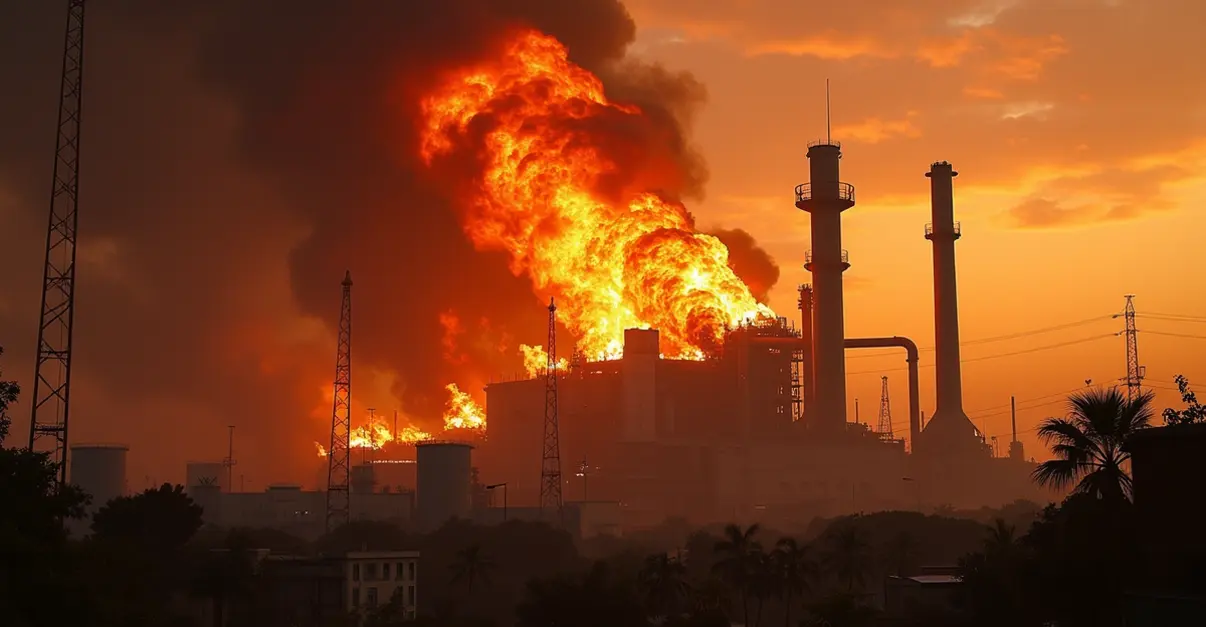
The power crisis is just one symptom of a broader collapse. According to CiberCuba reports, electricity deficits have reached up to 1,736 MW, with actual generation availability at only 1,550 MW compared to demand of 2,180 MW. The situation is so dire that garbage trucks can't collect waste due to fuel shortages, and ambulances and fire trucks sit idle.
Economic Freefall
Cuba's economy was already in recession last year, making it one of only two Latin American countries (along with Haiti) to experience economic contraction. The brief economic growth around 2015, when President Obama normalized relations and tourism surged, was wiped out by the pandemic and never recovered.
Adriana Fernández, who lives in the tourist zone of Varadero, notes that tourism has declined partly due to tensions with the US. 'We Cubans have lived our whole lives with the fear that the US will attack us,' she says. 'But now it's becoming very real. And it affects all of us.'
No Reform in Sight
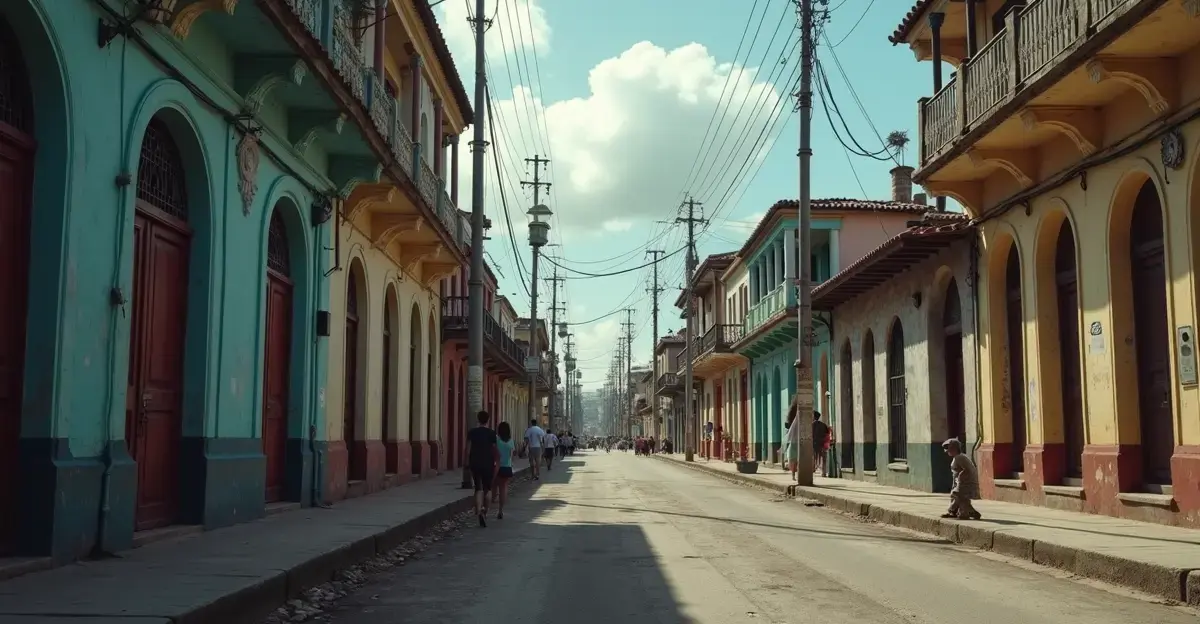
Despite the crisis, significant economic reforms remain elusive in Cuba's communist system. State enterprises remain largely unproductive, political opposition is nonexistent, and those who protest face immediate arrest. The country's infrastructure continues to decay, with once-majestic colonial palaces crumbling into ruins and children playing among piles of garbage and rusting cars.
As Politico reported, experts warn that if Cuba's economic situation deteriorates further, there could be a mass exodus of people attempting to flee the country, creating a regional migration crisis.
The question now is whether Cuba's government can survive what appears to be its most severe crisis since the collapse of the Soviet Union, or whether external pressure and internal collapse will force the kind of change that has eluded the island for six decades.



Follow Discussion