


 Deutsch
 English
 Español
 Français
 Nederlands
 Português


 Share
Share




Breaking: Rubio's Secret Cuba Strategy Revealed
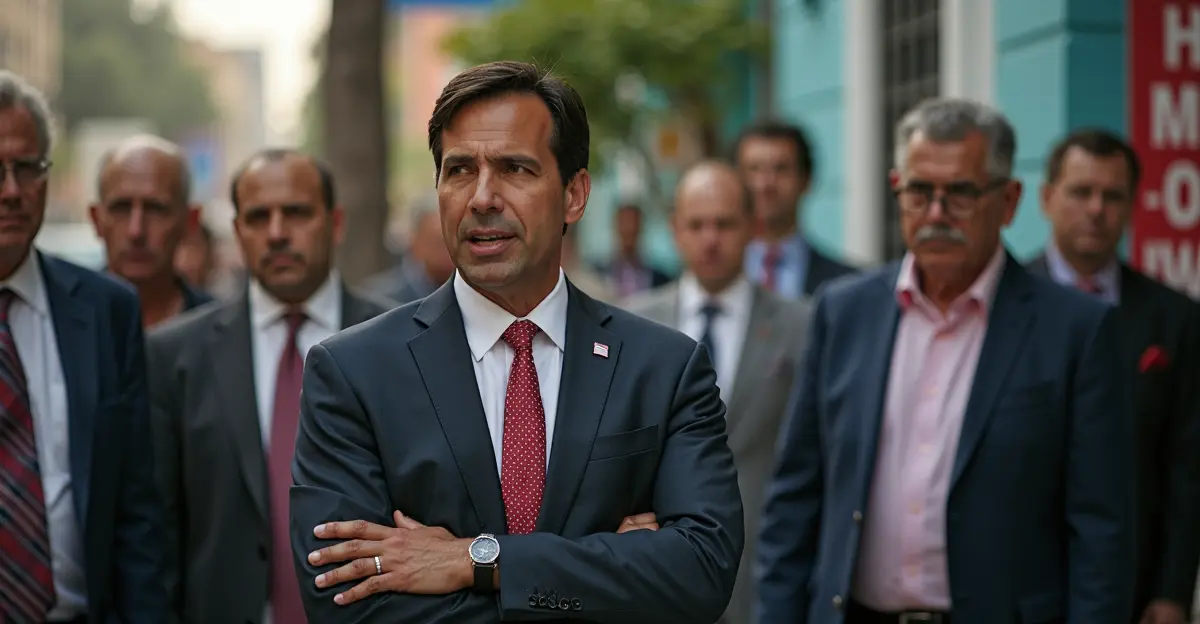
In a stunning diplomatic revelation, U.S. Secretary of State Marco Rubio has been conducting secret talks with Raúl Guillermo Rodríguez Castro, the grandson of Cuba's de facto leader Raúl Castro, bypassing official government channels entirely. According to exclusive reports from Axios, these clandestine discussions represent a radical shift in U.S. policy toward Cuba, with the Trump administration viewing the 94-year-old revolutionary leader as the island's true power center despite his official retirement. The US foreign policy strategy appears to target the Castro family directly, seeking regime change through backchannel negotiations with the younger generation of Cuba's ruling elite.
What is the 'El Cangrejo' Connection?
Raúl Guillermo Rodríguez Castro, known by his nickname 'El Cangrejo' (The Crab) due to a deformed finger, serves as his grandfather's personal bodyguard, security chief, and most trusted confidant. At just 41 years old, he holds the rank of lieutenant colonel and has emerged as a key figure in Cuba's power structure. Sources familiar with the discussions indicate that Rubio and his team see 'El Cangrejo' as representing a younger, more business-oriented segment of Cuba's elite who might be open to closer ties with the United States. 'Our position – the administration's position – is that the regime must go,' one government source told Axios. 'How that looks exactly is up to President Trump. And he still has to make a decision. Rubio is still in talks with the grandson.'
The Venezuela Parallel: A Blueprint for Cuba?
The Trump administration's approach mirrors tactics previously employed in Venezuela, where the U.S. negotiated with elements of the elite before sending troops to capture autocratic leader Nicolás Maduro earlier this year. In Cuba, American officials are reportedly seeking a 'new Delcy' – a reference to Maduro's former vice president who remained in power after his ouster. This strategy suggests the administration believes selective deals with regime insiders could facilitate a smoother transition than complete regime dismantlement. The Venezuela regime change model provides a concerning precedent for how the U.S. might approach Cuba's political future.
Why Now? Cuba's Deepening Crisis
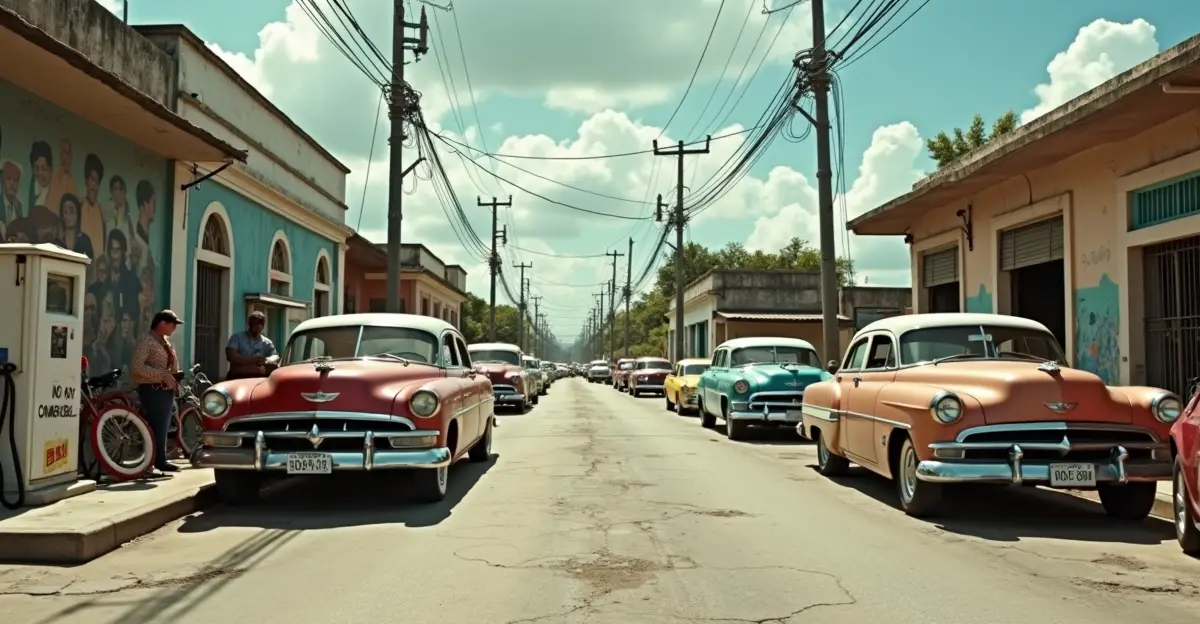
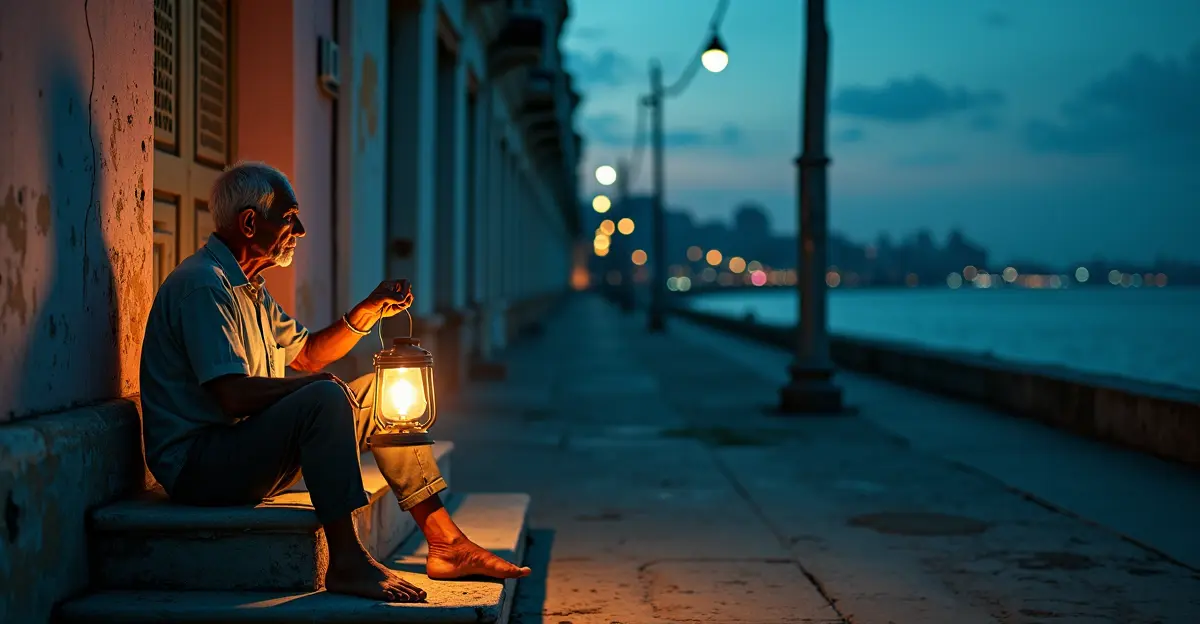
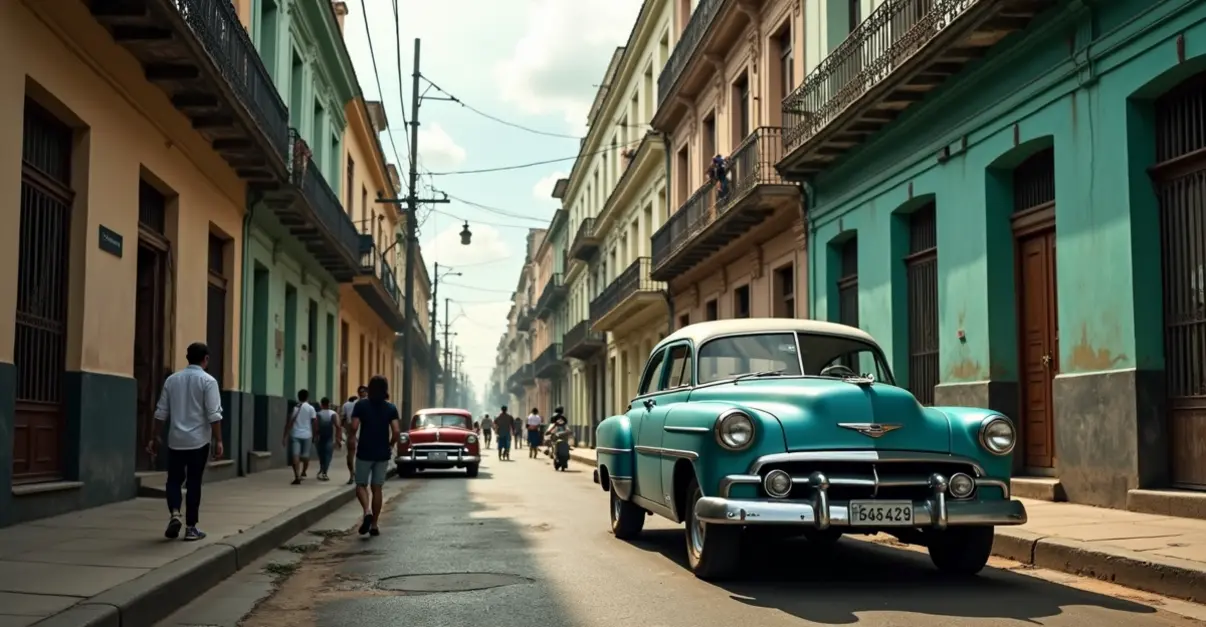
The secret talks occur against the backdrop of Cuba's worst economic crisis in decades. Since January 2026, the island has faced severe fuel shortages following U.S. intervention in Venezuela that cut off Cuba's primary oil supply. The Trump administration declared a national emergency regarding Cuba on January 29, 2026, establishing a tariff system targeting countries that provide oil to the island. Daily life has deteriorated dramatically with:
- Widespread blackouts lasting 8-12 hours daily
- Food shortages affecting basic staples
- Collapsing public transportation systems
- Four-day workweek implemented nationwide
- Hospitals operating with limited power and supplies
The UN Human Rights Office has expressed 'serious concerns' about Cuba's deepening economic crisis, noting the humanitarian implications for the island's 11 million residents. This dire situation creates both pressure and opportunity for U.S. diplomatic maneuvers.
Strategic Implications and Regional Impact
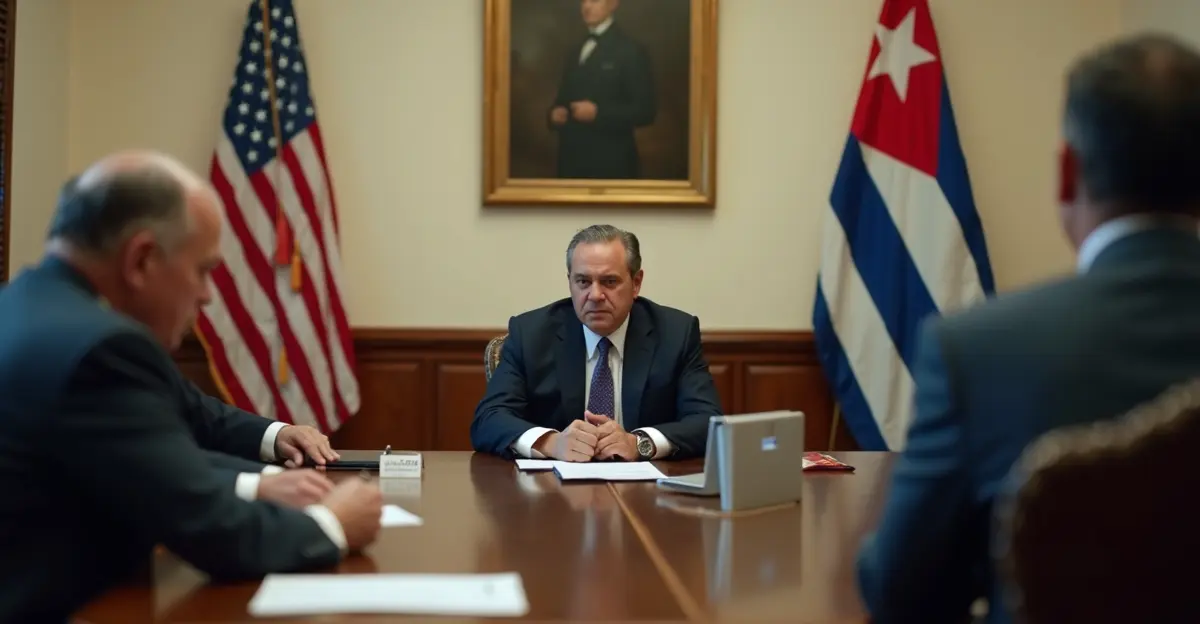
Rubio's backchannel diplomacy represents a significant departure from traditional state-to-state negotiations. By bypassing Cuba's official government institutions and engaging directly with the Castro family, the U.S. acknowledges Raúl Castro's continued influence despite his retirement from formal positions. This approach carries several strategic implications:
- Regime Change Strategy: The talks suggest the Trump administration believes regime change can be achieved through elite defections rather than popular uprising.
- Regional Power Dynamics: Success in Cuba could embolden U.S. policy toward other leftist governments in Latin America.
- Diaspora Politics: The strategy faces challenges from Miami's Cuban-American community, which has historically opposed any engagement with the Castro regime.
- International Law Concerns: Bypassing a sovereign government's official channels raises questions about diplomatic protocol and international norms.
The Latin America geopolitics landscape could shift dramatically depending on the outcome of these secret negotiations.
What Happens Next?
While the Cuban government denies any high-level dialogue exists, the State Department has not denied Rubio's communications with Castro's grandson. The situation remains fluid, with several possible outcomes:
| Scenario | Probability | Potential Impact |
|---|---|---|
| Regime transition agreement | Medium | Gradual political opening, maintained elite influence |
| Failed negotiations | High | Increased U.S. sanctions, worsening humanitarian crisis |
| Public exposure backlash | Medium | Domestic political fallout in both countries |
| Military intervention | Low | Regional destabilization, international condemnation |
The US-Cuba relations history suggests that secret diplomacy has often preceded major policy shifts, from the backchannel talks that led to the 2014 normalization to the current regime change efforts.
Frequently Asked Questions
Who is Raúl Guillermo Rodríguez Castro?
Known as 'El Cangrejo,' he is the 41-year-old grandson of former Cuban President Raúl Castro, serving as his personal bodyguard and security chief. He holds lieutenant colonel rank and is considered his grandfather's most trusted advisor.
Why is the U.S. bypassing Cuba's official government?
The Trump administration views 94-year-old Raúl Castro as Cuba's de facto leader despite his retirement, believing negotiations with his inner circle are more effective than talks with official institutions.
What is Cuba's current economic situation?
Cuba faces its worst crisis in decades with daily blackouts, food shortages, collapsed transportation, and a four-day workweek due to fuel shortages following U.S. intervention in Venezuela.
How does this relate to U.S. policy in Venezuela?
The strategy mirrors the U.S. approach in Venezuela, where negotiations with regime insiders preceded military intervention against President Maduro earlier this year.
What are the potential outcomes of these secret talks?
Possible outcomes include a negotiated regime transition, increased sanctions if talks fail, or potential military intervention as a last resort.
Follow Discussion