


 Deutsch
 English
 Español
 Français
 Nederlands
 Português


 Share
Share




What is the Federal Reserve's Interest Rate Dilemma?
The Federal Reserve, America's central bank, faces a critical monetary policy decision in October 2026 as it balances persistent inflation pressures against rising energy prices fueled by Middle East conflict. With the European Central Bank inflation response also under scrutiny, the Fed's upcoming meeting will determine whether to cut interest rates amid political pressure from President Donald Trump or maintain higher rates to combat inflation. The central bank's decision comes at a pivotal moment when Brent crude oil prices have surged from $72 to $84 per barrel following escalating tensions between the US and Iran, creating what economists call a 'policy trilemma' for monetary authorities.
The Beige Book's Warning: Moderate Growth Amid Geopolitical Uncertainty
The Federal Reserve's latest Beige Book, released in late September 2026, reveals an American economy growing at a moderate pace with contained price pressures. According to the report, businesses across multiple districts reported difficulty passing cost increases to consumers, suggesting underlying economic weakness. 'The economy is growing, but not strongly enough to give inflation free rein,' explains BNR's chief economist Han de Jong, whose analysis of the global energy market dynamics provides crucial context for the Fed's decision-making process.
Energy Price Shock: Oil vs. Gas Divergence
The conflict in the Middle East has created a stark divergence between oil and natural gas markets. While Brent crude has jumped 17% to $84 per barrel, directly impacting American consumers at the pump, US natural gas prices remain relatively stable due to domestic production self-sufficiency. 'Currently, gas in Europe is four times more expensive than in the US,' notes De Jong, highlighting how regional market differences create varying inflationary pressures. This energy price asymmetry presents unique challenges for the Federal Reserve's inflation targeting framework.
Political Pressure and Economic Reality
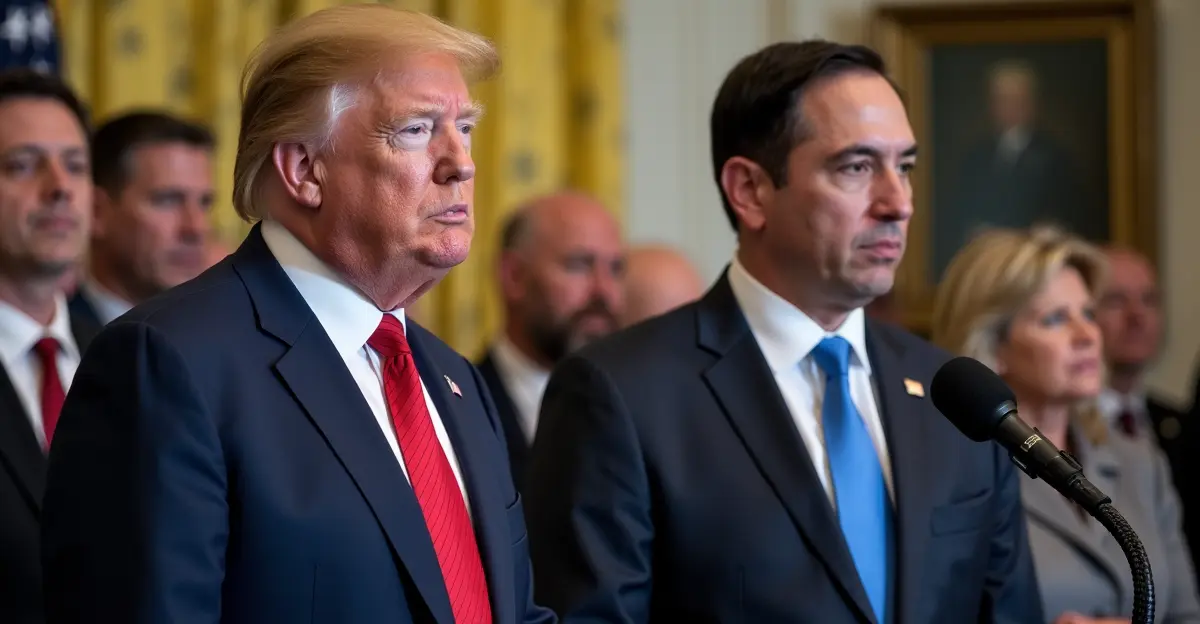
President Trump's persistent calls for rate cuts ahead of midterm elections add political complexity to the Fed's technical decision. The Beige Book's relevance extends beyond monetary policy to electoral politics, as De Jong observes: 'The message is that Trump needs to win the war quickly.' With economic growth insufficient to guarantee electoral success and unpopular military engagement potentially weakening consumer sentiment, the Federal Reserve must navigate both economic fundamentals and political expectations.
The Fed's Policy Dilemma: Three Conflicting Signals
The Federal Open Market Committee faces three contradictory economic signals that complicate their October 2026 decision:
- Inflation Pressure: Rising energy prices feed directly into consumer price indices, suggesting potential need for higher interest rates
- Growth Concerns: Higher energy costs weaken economic activity, creating arguments for stimulative rate cuts
- Market Stability: Geopolitical uncertainty requires careful calibration to prevent financial market disruption
This policy trilemma leaves the Fed in what economists describe as a 'wait-and-see' posture, balancing multiple risks without clear directional signals from traditional economic indicators.
Global Context: How Other Central Banks Are Responding
While the Federal Reserve deliberates, other major central banks face similar challenges. The European Central Bank has announced it remains 'very vigilant' about energy price impacts on inflation, while maintaining its own rate policy independence. The divergence between US and European energy markets creates different policy environments, with European authorities facing more acute gas price pressures that could necessitate different monetary responses.
Economic Impact and Market Implications
The Federal Reserve's decision will have far-reaching consequences across multiple sectors:
| Sector | Rate Cut Impact | Rate Hold Impact |
|---|---|---|
| Consumer Spending | Potential boost from lower borrowing costs | Continued pressure from high energy prices |
| Business Investment | Improved financing conditions | Higher capital costs limiting expansion |
| Currency Markets | Potential dollar weakness | Dollar strength supporting imports |
| Energy Sector | Mixed impact depending on demand response | Continued pressure from supply constraints |
Financial markets are closely watching the Fed's communication for signals about future policy direction, with particular attention to how the central bank frames its response to geopolitical risk assessment in monetary policy decisions.
Expert Analysis: What Economists Recommend
Most economists advocate for cautious policy adjustment given the uncertain economic environment. 'First, calmly wait and see,' advises Han de Jong, reflecting the predominant view among monetary policy experts. The Federal Reserve's challenge lies in distinguishing between temporary energy price shocks and persistent inflationary trends, a difficult task given the ongoing military conflict and its unpredictable economic consequences.
FAQ: Federal Reserve Rate Decision 2026
When will the Federal Reserve announce its interest rate decision?
The Federal Open Market Committee meets in mid-October 2026, with an announcement expected following their two-day meeting. The exact date will be confirmed by the Federal Reserve's published meeting schedule.
How do energy prices affect Federal Reserve decisions?
Energy prices directly impact inflation through transportation and production costs. When oil prices rise significantly, as seen with the $12 per barrel increase following Middle East tensions, the Fed must consider whether these are temporary shocks or will lead to sustained inflationary pressure.
What is the Beige Book and why does it matter?
The Beige Book is the Federal Reserve's qualitative assessment of economic conditions across its twelve districts, published eight times annually before FOMC meetings. It provides anecdotal evidence about business conditions, employment trends, and price pressures that supplement quantitative economic data.
How does political pressure influence Federal Reserve decisions?
While the Federal Reserve operates independently, political pressure can influence public expectations and market reactions. President Trump's calls for rate cuts create additional communication challenges for the central bank as it maintains its inflation-fighting credibility.
What are the risks of cutting rates too soon?
Premature rate cuts could allow inflation to become entrenched, requiring more aggressive future tightening that could trigger recession. The Fed must balance short-term economic support against long-term price stability objectives.





Follow Discussion