


 Deutsch
 English
 Español
 Français
 Nederlands
 Português


 Share
Share




Federal Reserve Holds Rates Steady: Bitcoin's Surprising Recovery Explained
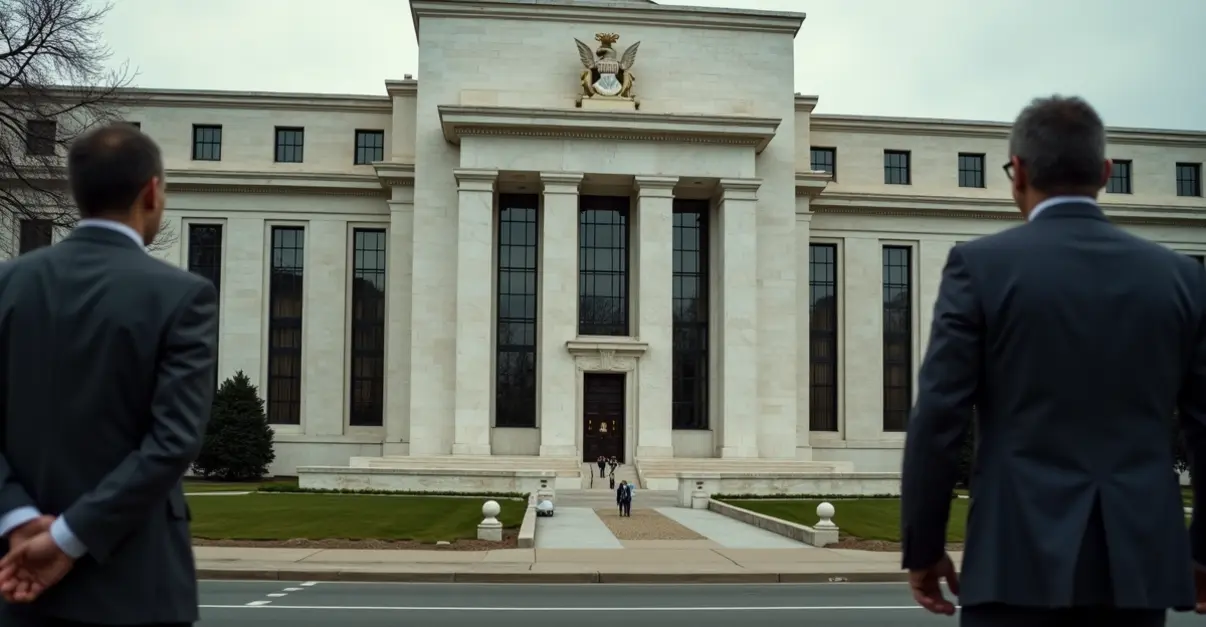
The Federal Reserve announced on March 18, 2026, that it would maintain interest rates unchanged between 3.50% and 3.75%, marking the second consecutive pause in its monetary tightening cycle. While this decision was widely anticipated by financial markets, Bitcoin's reaction proved surprisingly resilient, recovering from a 5% pre-announcement drop to show modest gains in the hours following the Fed's statement.
What is the Federal Reserve's Interest Rate Decision?
The Federal Reserve's Federal Open Market Committee (FOMC) meets eight times annually to determine monetary policy, including setting the federal funds rate that influences borrowing costs throughout the economy. The March 2026 meeting was particularly significant as it occurred amid escalating Middle East tensions, with Iran's blockade of the Strait of Hormuz pushing oil prices above $100 per barrel and creating new inflationary pressures.
The Fed's decision to maintain rates at 3.50%-3.75% represents a cautious approach to balancing inflation concerns against economic growth risks. 'The consequences of developments in the Middle East remain uncertain,' the Fed stated in its official release, acknowledging the geopolitical factors complicating monetary policy decisions.
Bitcoin's Pre-Announcement Volatility and Recovery
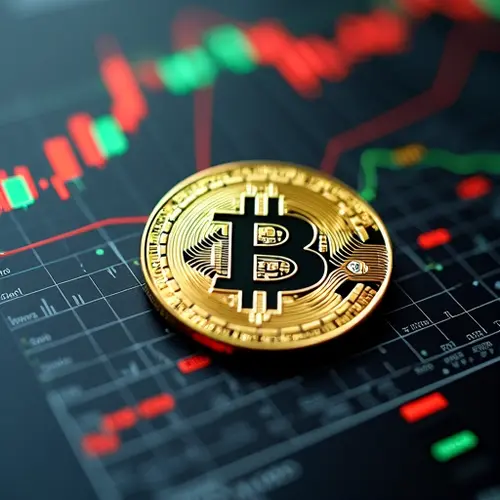
In the hours leading up to the Fed announcement, Bitcoin experienced significant volatility, dropping from $74,500 to a low of $70,900 – a decline of nearly 5%. This pre-meeting sell-off reflected typical market anxiety ahead of major central bank decisions, with traders often reducing risk exposure in anticipation of potential surprises.
However, Bitcoin's recovery began even before the official announcement, with the price jumping from $71,600 to nearly $72,000 in the minutes preceding the Fed's statement. By the close of trading on March 18, Bitcoin had recovered to $81,879, demonstrating surprising resilience despite the Fed's hawkish stance on future rate cuts.
Why Bitcoin Reacted Differently This Time
Several factors contributed to Bitcoin's unexpected recovery following the Fed's decision:
- Institutional Accumulation: Major financial institutions continued accumulating Bitcoin through spot ETFs, with March inflows exceeding $1.5 billion despite the uncertain macro environment.
- Geopolitical Hedge Narrative: The Middle East conflict revived Bitcoin's appeal as a hedge against geopolitical instability and potential currency devaluation.
- Technical Support Levels: Bitcoin found strong technical support around the $71,000 level, where significant buying interest emerged from institutional investors.
- Derivatives Market Dynamics: The unwinding of bearish options positions created upward pressure as the Fed announcement passed without major surprises.
The Fed's Economic Outlook and Policy Projections
The Federal Reserve's updated economic projections revealed a cautious outlook for 2026 and 2027. The central bank now expects inflation to reach 2.7% in 2026, up from previous projections of 2.4%, while maintaining expectations for only one 25-basis-point rate cut in both 2026 and 2027.
This 'higher for longer' interest rate environment presents challenges for risk assets like cryptocurrencies, as higher rates typically strengthen the US dollar and reduce liquidity in financial markets. However, the cryptocurrency market dynamics have evolved significantly since previous tightening cycles, with institutional adoption creating new demand drivers.
Middle East Conflict's Impact on Monetary Policy
The ongoing conflict in the Middle East, particularly Iran's blockade of the Strait of Hormuz, has introduced significant uncertainty into the Fed's policy calculus. The Strait handles approximately 20% of global oil consumption, and the resulting price spike has complicated inflation management efforts.
President Donald Trump's administration has promised rapid resolution of the conflict, with the President stating oil prices would 'fall like a brick' once military operations conclude. However, Fed officials remain cautious, noting that energy price shocks could persist and delay planned rate cuts.
Market Implications and Future Outlook
The Fed's decision has several important implications for cryptocurrency markets:
| Scenario | Bitcoin Price Impact | Probability |
|---|---|---|
| No rate cuts in 2026 | Potential decline to $65,000-$68,000 range | 35% |
| One rate cut in 2026 | Stable trading between $68,000-$74,000 | 45% |
| Two rate cuts in 2026 | Potential rally above $75,000 | 20% |
The institutional cryptocurrency investment landscape continues to evolve, with major financial firms increasingly viewing Bitcoin as a legitimate asset class rather than purely speculative. This structural shift may help buffer cryptocurrency markets against traditional monetary policy headwinds.
Frequently Asked Questions
Why did the Federal Reserve keep interest rates unchanged?
The Fed maintained rates at 3.50%-3.75% due to persistent inflation above its 2% target, uncertainty from Middle East conflicts affecting oil prices, and mixed economic signals from labor markets.
How does Federal Reserve policy affect Bitcoin prices?
Higher interest rates typically strengthen the US dollar and reduce liquidity, creating headwinds for risk assets like Bitcoin. However, Bitcoin has shown increasing resilience to traditional monetary policy as institutional adoption grows.
What was Bitcoin's price reaction to the Fed decision?
Bitcoin dropped 5% before the announcement but recovered to $81,879 by market close, demonstrating surprising resilience despite the Fed's hawkish stance.
Will the Fed cut rates in 2026?
The Fed currently projects one 25-basis-point rate cut in 2026, but this depends on inflation trends and geopolitical developments, particularly in the Middle East.
How does the Middle East conflict affect cryptocurrency markets?
Geopolitical instability can boost Bitcoin's appeal as a hedge against traditional financial risks, while oil price spikes complicate inflation management and monetary policy decisions.




Follow Discussion