


 Deutsch
 English
 Español
 Français
 Nederlands
 Português


 Share
Share




What is the Royal Lip Reading Controversy?
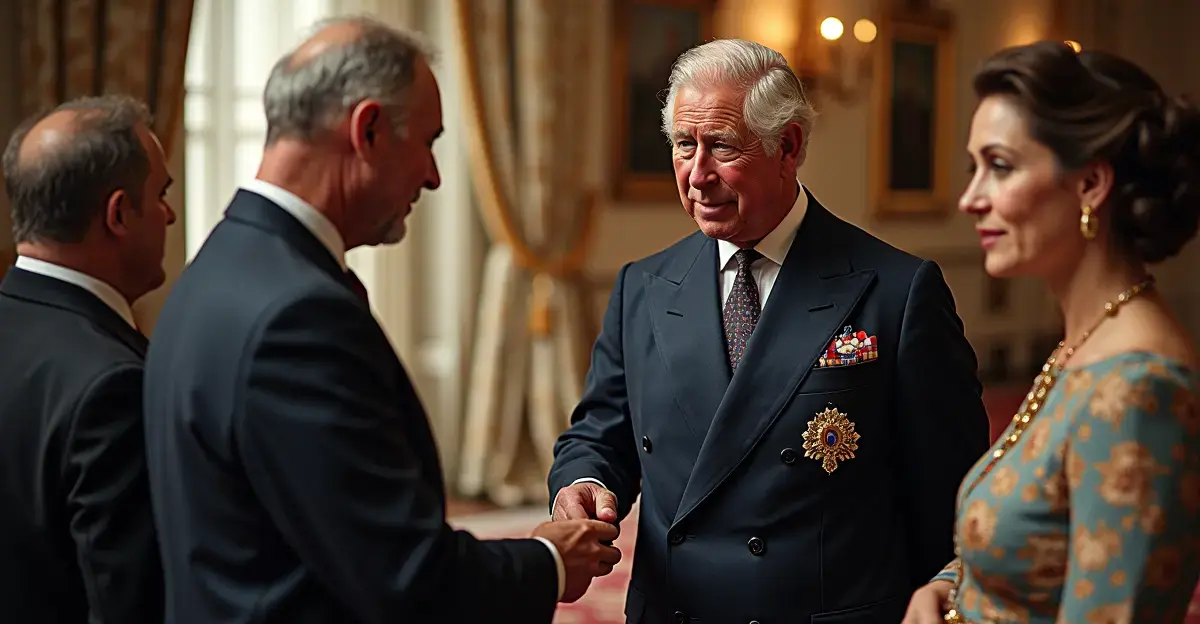
The British royal family is facing an unprecedented privacy crisis in 2026 as viral lip-reading videos expose private conversations that were never meant for public consumption. The controversy centers around Channel 5's documentary 'Lip-Reading the Royals,' which uses professional lip readers to interpret what members of the monarchy are saying during public events. The most explosive revelation shows King Charles apparently exclaiming 'fuck me' while entering his royal carriage, while other clips allegedly capture Prince William rejecting an apology from disgraced Prince Andrew and Princess Anne gossiping about Meghan Markle.
The Growing Trend of Celebrity Lip Reading
Lip reading, also known as speechreading, is a technique of understanding speech by visually interpreting the movements of the lips, face and tongue without sound. While traditionally used by deaf and hard-of-hearing people, the practice has become a viral phenomenon in 2026, targeting not just royals but celebrities at events like the Golden Globes. Videos showing conversations between stars like Kylie Jenner, Jennifer Lawrence, and Selena Gomez have spread across social media platforms, prompting agents to advise clients to 'assume the cameras are always rolling.'
According to The Guardian, a royal source expressed frustration about 'the regrettable and growing trend that lip readers – with varying degrees of accuracy – are being deployed to eavesdrop on conversations that everyone should consider private.' This represents a significant escalation from traditional royal family media scrutiny that has existed for decades.
Key Revelations from 'Lip-Reading the Royals'
King Charles' Expletive Moment
The most talked-about clip shows King Charles apparently saying 'fuck me' as he enters his royal carriage. While Buckingham Palace has not officially commented on the accuracy of the lip reading, the viral nature of the video has sparked debate about the monarch's privacy during what should be private moments between public appearances.
Prince William Rejects Andrew's Apology
Another significant revelation shows Prince Andrew Mountbatten-Windsor attempting to apologize to his nephew Prince William, with the lip reader interpreting Andrew as saying: 'I have learned from what I have done, but before I forget, and if I may, I would like to ask if you can forgive me?' According to the documentary, Prince William did not respond to the overture, highlighting the ongoing tensions within the royal family following Andrew's association with Jeffrey Epstein.
Princess Anne's Sussex Gossip
The documentary also allegedly captures Princess Anne discussing the Duchess of Sussex, though specific details of the conversation remain unclear. This adds to the complex web of royal family relationships and tensions that have been public knowledge since Harry and Meghan's departure from royal duties.
Accuracy Concerns and Privacy Implications
Lip reading experts note that the technique has significant limitations. According to Wikipedia, 'estimates of the range of lip reading vary, with some figures as low as 30% because lip reading relies on context, language knowledge, and any residual hearing.' Many phonemes look identical when lip read, such as [p] and [b], [k] and [g], creating potential for misinterpretation.
A former press secretary to Queen Elizabeth II told The Guardian: 'You were always aware of it, and even in my time there were experts who claimed they could read lips. Sometimes they came up with scandalous statements. Often the royal family member in question could not remember whether they had actually said that, because they talk to so many people during a walkabout.'
How Social Media Amplifies the Problem
The rise of social media has transformed lip reading from a niche skill into a viral phenomenon. Clips can be edited, shared, and viewed millions of times within hours, regardless of their accuracy. A former communications director for King Charles noted: 'I left the palace thirteen years ago, and in my time lip reading was fortunately not really a thing yet.'
The same former press secretary added: 'Things get clipped and spread, whether they are true or not. I always warned the royals I worked with to have appropriate conversations in public. Don't say anything stupid during a walkabout that could appear in the newspaper. Lip reading is a skill that many people have.'
Impact on Royal Protocol and Public Appearances
The controversy is forcing a reevaluation of how royals and celebrities conduct themselves during public engagements. Traditional warnings about being mindful of microphones and cameras now extend to silent video recording that can be analyzed later. The phenomenon represents a new frontier in the celebrity privacy debate that has intensified with smartphone technology and social media platforms.
Professional footballers have already adapted to this reality, increasingly covering their mouths when speaking on the field. Now royals and celebrities face similar pressures, with advisors recommending they maintain constant awareness that any moment could be captured, analyzed, and shared globally.
Frequently Asked Questions
How accurate is lip reading?
Lip reading accuracy varies significantly, with estimates ranging from 30-60% depending on conditions, visibility, and the skill of the lip reader. Many sounds look identical when lip read, creating potential for misinterpretation.
What did King Charles actually say?
While the Channel 5 documentary suggests King Charles said 'fuck me,' Buckingham Palace has not confirmed the accuracy of this interpretation. Without audio confirmation, such interpretations remain speculative.
Is lip reading of public figures legal?
Yes, lip reading of public figures in public spaces is generally legal, though ethical questions remain about privacy expectations during what appear to be private moments between public duties.
How are celebrities responding to this trend?
Celebrities and their agents are increasingly advising clients to assume all conversations might be captured and analyzed, leading to more cautious behavior at public events and greater use of hand-over-mouth techniques.
When did lip reading become a viral phenomenon?
While lip reading has existed for centuries, the combination of high-quality smartphone cameras, social media platforms, and public fascination with celebrities has made it a viral trend in 2026.
Follow Discussion