


 Deutsch
 English
 Español
 Français
 Nederlands
 Português


 Share
Share




Students' Persistence Leads to Extraordinary Archaeological Find
For years, students at the Liceo Scientifico Cavour in Rome whispered about mysterious underground chambers beneath their school gymnasium. Now, their claims have been spectacularly confirmed: an 1,800-year-old Roman domus (elite townhouse) has been unearthed just steps from the Colosseum. The discovery, announced on May 28, 2026, has been hailed as one of the most remarkable urban excavations in recent Italian history.
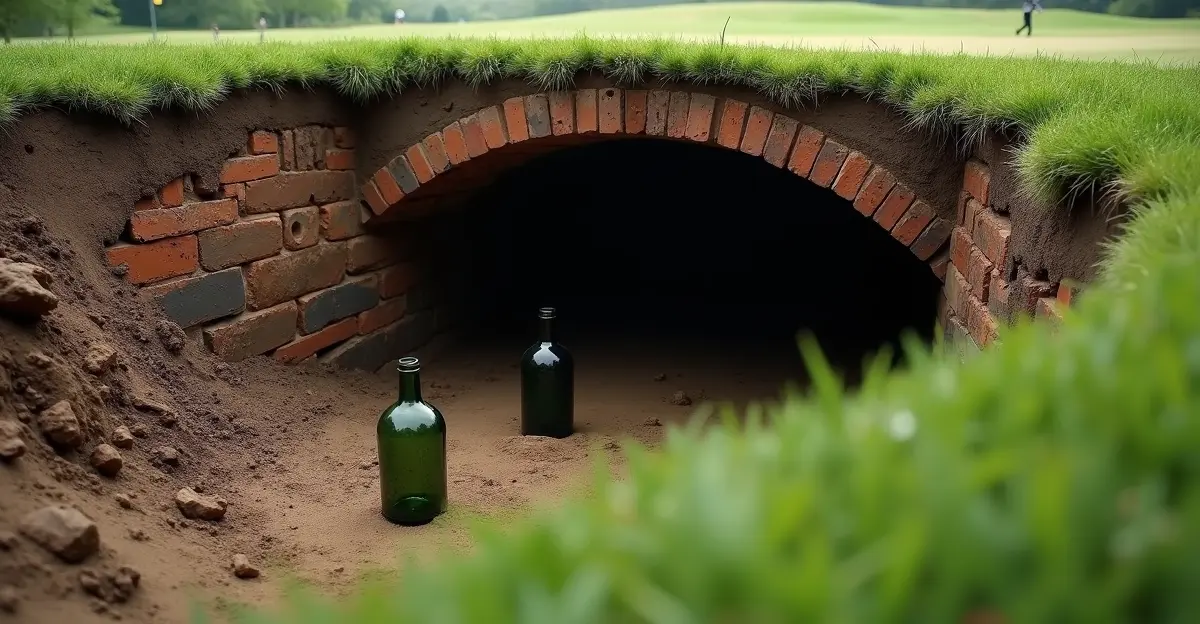
The ancient Roman villa discovery began when students, during a school protest six years ago, led teacher and archaeologist Claudia Marino to the basement. "We found an iron door, got the key, and went inside. It was an old boiler room. Behind it were ancient Roman walls, and we squeezed through into the villa," Marino told reporters. The sealed rooms had remained hidden for nearly two millennia.
What Was Found: Frescoes, Mosaics, and Elite Roman Living
The domus dates to the mid-second century AD and was built for a wealthy Roman family. Excavations, funded by €350,000 from Italy's National Recovery and Resilience Plan (PNRR), began in early 2026. Archaeologists uncovered a series of remarkably preserved rooms featuring:
- Vibrant frescoes in Pompeian red, depicting human figures, floral motifs, and geometric patterns
- Elaborate stuccowork on vaulted ceilings with friezes and meander designs
- A black mosaic laid with large irregular tesserae—a fashionable elite aesthetic in the 2nd century
- Pottery including amphorae and drinking cups, offering clues about daily life
The walls also bear graffiti from the 1920s to 1950s, indicating the rooms were once accessible before being forgotten again.
Who Lived There: The Umbrius Family and Roman Nobility
Archaeologists have identified the original owners thanks to a lead water pipe discovered during 19th-century excavations on the site. The pipe bears the names of the inhabitants, members of the Samnite gens Umbria (Umbrius family). Originally from near Pompeii, the Samnites were once fierce rivals of Rome before being absorbed into the Republic. The domus later passed to L. Fabius Gallus and subsequently to a woman named Umbria Albina, according to stratigraphic analysis.
The property sits in a prestigious neighborhood between the Carinae and the Esquiline Hill—an area that was home to historical giants like Cicero, Pompey the Great, and the future emperor Augustus. "This is a district where some of Rome's most powerful figures lived, yet very little archaeology from this period has survived because later building destroyed much," noted one archaeologist involved in the dig.
Excavation and Future Plans: Students as Guides
Only a portion of the domus has been excavated so far. The school and the Special Superintendency of Rome are planning further investigations beneath the gymnasium. In a unique twist, the school intends to open the site to the public, with students themselves giving guided tours. This educational initiative would allow the discoverers to share their extraordinary find with visitors from around the world.
The 2025 archaeological discoveries in Italy have included several important finds, but the Domus Liceo Cavour stands out for its pristine condition and the role of students in its discovery. The impact of student-led archaeology is gaining recognition as a model for community engagement in heritage preservation.
FAQ: Roman Domus Discovery Under School
What is a Roman domus?
A domus was a type of elite townhouse in ancient Rome, typically featuring an atrium, peristyle garden, and multiple reception rooms decorated with frescoes and mosaics. The Domus Liceo Cavour is a particularly well-preserved example from the mid-2nd century AD.
How was the villa discovered?
Students at Liceo Cavour had long claimed there were hidden ancient rooms under the gym. Six years ago, during a school protest, they showed teacher Claudia Marino a basement area. She and colleagues found an iron door leading to a boiler room, behind which lay the ancient Roman villa.
When will the domus be open to the public?
Plans are underway to open the site to visitors, though no official date has been set. The school aims to have students serve as tour guides, offering a unique educational experience.
Who owned the villa?
Based on a 19th-century discovery of a lead water pipe, the domus belonged to the Samnite Umbrius family. Later residents included L. Fabius Gallus and Umbria Albina.
Why is this discovery significant?
The domus is exceptionally well-preserved, with intact frescoes, stuccowork, and mosaics. It provides rare insight into elite Roman life in a neighborhood where few ancient structures remain due to later urban development.


Follow Discussion