


 Deutsch
 English
 Español
 Français
 Nederlands
 Português


 Share
Share




Defying Pope Leo XIV, SSPX Consecrates Four New Bishops in Écône
On July 1, 2026, the ultra-conservative Society of Saint Pius X (SSPX) consecrated four new bishops in the Swiss mountain village of Écône without the approval of Pope Leo XIV, triggering automatic excommunication and pushing the Catholic Church to the brink of a formal schism. The ceremony, attended by an estimated 16,500 faithful, took place at the SSPX's international seminary — the same location where founder Archbishop Marcel Lefebvre consecrated four bishops without papal consent in 1988, an act that also led to excommunication. The Vatican had repeatedly warned that proceeding with the consecrations would be a "sin of extreme gravity" and a schismatic act under Canon 1382.
Background: The SSPX and Its Conflict with Rome
The Society of Saint Pius X was founded in 1970 by Archbishop Marcel Lefebvre in opposition to the modernizing reforms of the Second Vatican Council (1962–1965). The SSPX rejects key changes such as the replacement of the Tridentine Latin Mass with vernacular liturgy, the priest facing the congregation, and greater lay participation. The society insists on preserving pre-Vatican II traditions and has operated in a canonical gray zone for decades. In 1988, Lefebvre's unauthorized consecration of four bishops led to automatic excommunication for all involved. Although Pope Benedict XVI lifted the excommunications of the surviving bishops in 2009 in a bid for reconciliation, full communion was never restored.
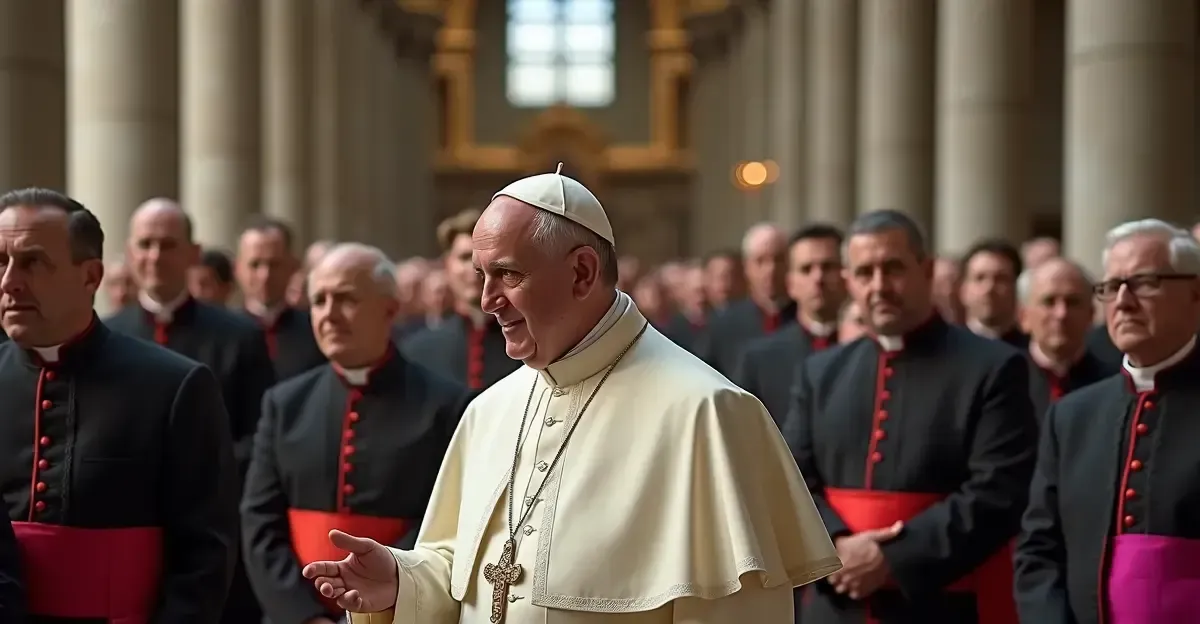
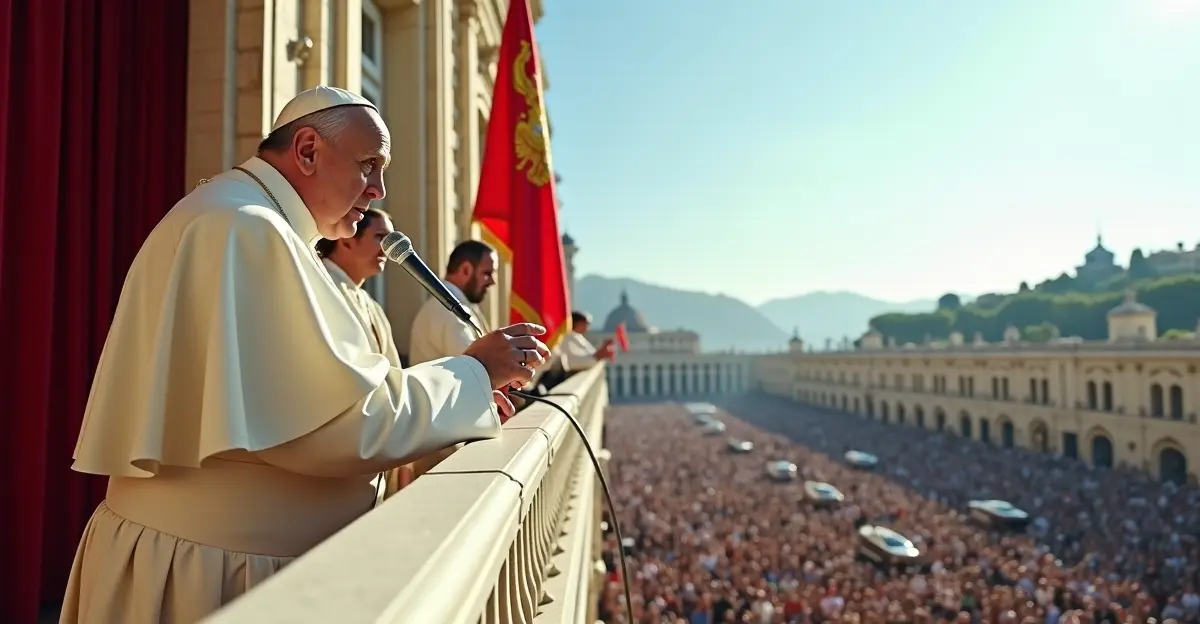
Pope Leo XIV, who succeeded Francis in 2025, had made unity a hallmark of his papacy. In a heartfelt letter to SSPX Superior General Rev. Davide Pagliarani, the pope pleaded with the group to abandon the consecration plan, warning that it would deprive SSPX faithful of valid reception of the sacraments. Cardinal Víctor Manuel Fernández, prefect of the Dicastery for the Doctrine of the Faith, formally reiterated on May 13, 2026, that the act would be schismatic and result in automatic excommunication. Despite these efforts, the SSPX proceeded, citing a "state of necessity" to preserve traditional Catholicism.
The Consecration Ceremony and the Four New Bishops
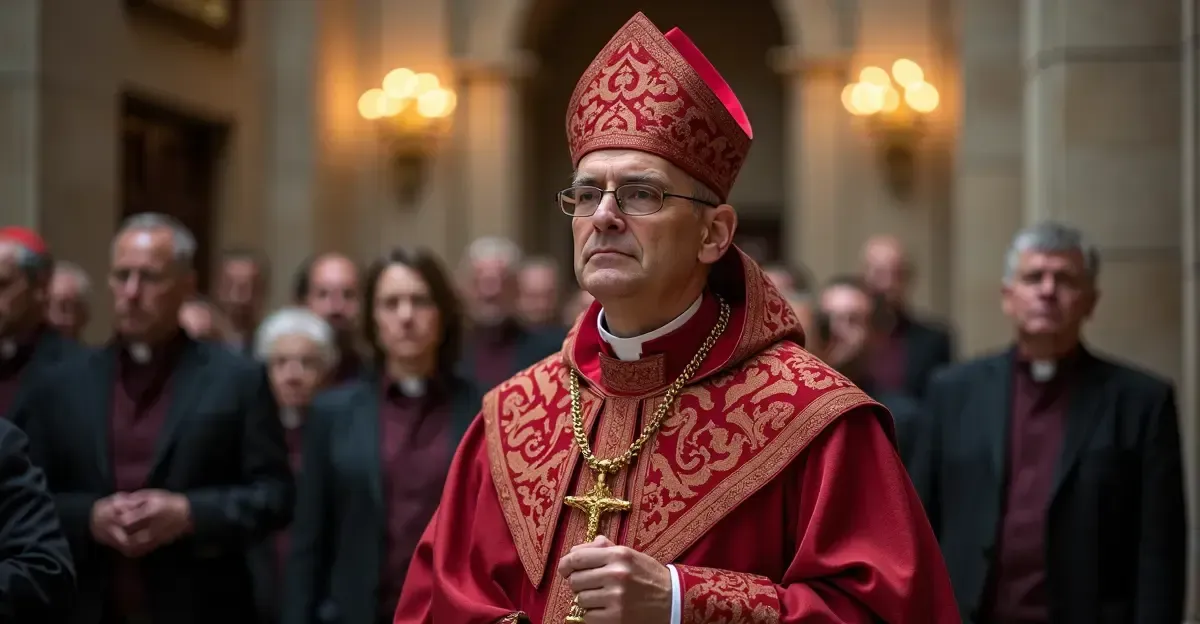
The five-hour ceremony was led by SSPX Bishop Alfonso de Galarreta — himself consecrated without papal mandate in 1988 — with Bishop Bernard Fellay acting as co-consecrator. The traditional Latin rite included the Litany of the Saints, the laying on of hands, anointing with holy chrism, and a pontifical High Mass according to the 1962 Missal. The four priests consecrated as bishops are:
- Fr. Pascal Schreiber (Swiss, 53) — Director of Herz Jesu Seminary in Zaitzkofen, Germany
- Fr. Michael Goldade (American, 45) — Director of Saint Thomas Aquinas Seminary in Virginia
- Fr. Michel Poinsinet de Sivry (French, 42) — Superior of the Benelux District
- Fr. Marc Hanappier (French, 36) — Professor at the seminary in Dillwyn, Virginia
The SSPX justified the consecrations as a "sacred duty" to ensure the continuation of the traditional priesthood and sacraments. In his homily, Superior General Pagliarani said the act was an "exceptional means proportionate to the needs of the Church today," rejecting claims of a rupture with Rome. The event was livestreamed globally with commentary in six languages, and commemorative merchandise — including wine sets and caps reading "Écône 2026" — was sold to attendees.
Vatican Response and Likely Consequences
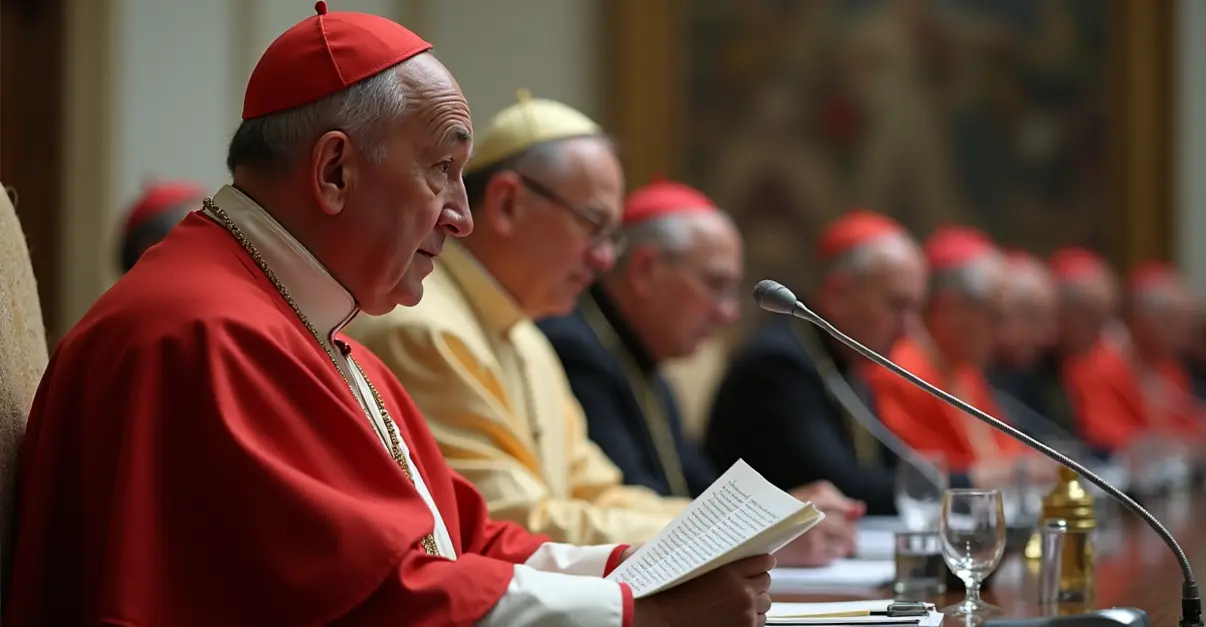
The Vatican's reaction is expected to be swift and severe. Under Canon 1382, both the consecrating bishops and the newly consecrated automatically incur latae sententiae excommunication — meaning the penalty is incurred by the act itself, without a formal declaration. However, a formal decree from the Holy See is anticipated. Correspondent Andrea Vreede notes: "Excommunication is the logical consequence, but this time it could apply not only to the bishops but also to priests and even lay faithful who actively supported the act." The 2026 SSPC crisis may prompt some SSPX members to return to Rome, a outcome the Vatican may quietly hope for.
The SSPX, which claims approximately 600,000 faithful worldwide, 751 priests, and 264 seminarians, argues that the excommunications are invalid because they acted out of necessity. The society maintains that the consecrations do not establish a parallel church hierarchy but are intended solely to preserve traditional sacraments. Nonetheless, the act represents the most serious rupture between traditionalist Catholics and the Holy See since the 1988 consecrations.
Impact on the Catholic Church and Future Prospects
The consecrations pose a significant challenge to Pope Leo XIV's authority and his agenda of church unity. While the SSPX remains a relatively small movement, its defiance could embolden other traditionalist groups and deepen divisions within global Catholicism. The future of Catholic unity now hinges on how the Vatican manages the fallout. Some analysts predict a prolonged standoff reminiscent of the post-1988 period, followed by eventual reconciliation talks. Others warn of a permanent schism, especially if the SSPX begins ordaining its own bishops in a self-perpetuating cycle.
In the immediate term, the faithful who attend SSPX Masses may face uncertainty about the validity of sacraments. The Vatican has warned that without canonical jurisdiction, confessions and marriages performed by SSPX priests could be invalid. However, the SSPX insists it possesses "supplied jurisdiction" due to the emergency situation. The coming weeks will be critical as the Vatican issues its formal response and the SSPX decides its next steps.
Frequently Asked Questions
What is the Society of Saint Pius X (SSPX)?
The SSPX is a traditionalist Catholic priestly fraternity founded in 1970 by Archbishop Marcel Lefebvre. It rejects the reforms of the Second Vatican Council, particularly the replacement of the Latin Mass with vernacular liturgy, and seeks to preserve pre-conciliar traditions. It operates in a disputed canonical status with the Vatican.
Why did the SSPX consecrate bishops without Vatican approval?
The SSPX argues that a "state of necessity" exists due to what it describes as a crisis of faith in the Catholic Church. With only two aging bishops remaining from the 1988 consecrations, the society says it needs new bishops to continue ordaining priests and administering sacraments according to the traditional rite.
What is excommunication and who is affected?
Excommunication is the most severe ecclesiastical penalty, excluding a person from participation in the sacraments and the life of the Church. Under Canon 1382, bishops who consecrate without papal mandate and those consecrated automatically incur excommunication. The Vatican may also extend penalties to priests and lay faithful who actively supported the act.
Can the SSPX still celebrate valid sacraments?
The Vatican has warned that without canonical jurisdiction, confessions and marriages performed by SSPX priests may be invalid. However, the SSPX claims "supplied jurisdiction" due to emergency circumstances. The Holy See granted limited recognition to SSPX confessions in 2017, but the new consecrations may reverse that.
What happens next between the SSPX and the Vatican?
The Vatican is expected to issue a formal decree of excommunication and possibly extend penalties to SSPX priests and supporters. The SSPX will likely continue its operations as before, arguing the excommunications are invalid. Historical precedent suggests a prolonged standoff, with eventual reconciliation talks possible but uncertain.
Follow Discussion