


 Deutsch
 English
 Español
 Français
 Nederlands
 Português


 Share
Share




The February 2026 closure of the Strait of Hormuz — triggered by U.S.-Israeli airstrikes on Iran and Iran's subsequent blockade — has sent shockwaves far beyond energy markets. While Brent crude surged past $138 per barrel, the crisis severed the supply of critical industrial inputs essential for semiconductors, fertilizers, and aluminium. According to the IMF's April 2026 World Economic Outlook, global growth has been cut to 3.1%, while UNCTAD's Trade and Development Foresights 2026 warns merchandise trade growth has collapsed from 4.7% in 2025 to between 1.5% and 2.5%. The crisis is forcing a structural reconfiguration of global supply chains that will last for years.
Beyond Oil: The Hidden Commodities Under Threat
The Strait of Hormuz handles roughly 20% of the world's oil and 20% of LNG, but its importance extends to a range of non-energy commodities that underpin modern industry. The World Economic Forum has identified nine critical commodities disrupted by the crisis, including methanol, sulphur, aluminium, and helium. The vulnerability of strategic maritime chokepoints has become a central concern for policymakers and corporate strategists alike.
Helium: The Semiconductor Lifeline
Qatar's Ras Laffan facility, which supplies roughly one-third of the world's helium, was shut down on 2 March 2026 after Iranian drone strikes and the blockade. Helium is irreplaceable in semiconductor fabrication for wafer cooling and purging. Taiwan Semiconductor Manufacturing Company (TSMC) holds only three to six months of inventory, and South Korea imports 65% of its helium from Qatar. According to a policy brief from the Center for Maritime Resilience, approximately 200 specialised helium containers remain stranded in the Gulf. The semiconductor supply chain crisis threatens to delay AI infrastructure buildout as hyperscalers face rising costs and material shortages.
Sulphur: The Fertilizer Feedstock Shock
The crisis disrupted approximately 4 million metric tonnes per year of sulphur exports from Iran, Qatar, and the UAE — 18% of global seaborne sulphur trade. Sulphur is a critical precursor to sulphuric acid, essential for phosphate fertilizer production. OCP Group, the world's largest phosphate exporter, has been operating at just 65–70% capacity. Spot sulphur prices surged from $95–115 per tonne in 2024 to $350–420 per tonne. The combined supply gap is estimated at 8–12 million metric tonnes of phosphate fertilizer-equivalent. The World Bank warns that up to 45 million additional people could face acute food insecurity as a result.
Aluminium: Smelters Under Fire
On 28 March 2026, Iranian missile and drone attacks struck key smelters including Emirates Global Aluminium's Al Taweelah facility and Aluminium Bahrain (Alba). Gulf aluminium production collapsed 38% below pre-war levels. Middle Eastern alumina imports fell 63% year-on-year in March 2026. The market swung from a 550,000-tonne surplus to a 570,000-tonne deficit, sending LME three-month aluminium prices to roughly $3,571 per tonne by mid-April. Gulf Cooperation Council producers normally account for roughly 8% of global aluminium output, with 80–85% exported. The aluminium supply chain disruption is hitting automotive and aerospace manufacturing hard.
Shipping Costs Surge Up to 900%
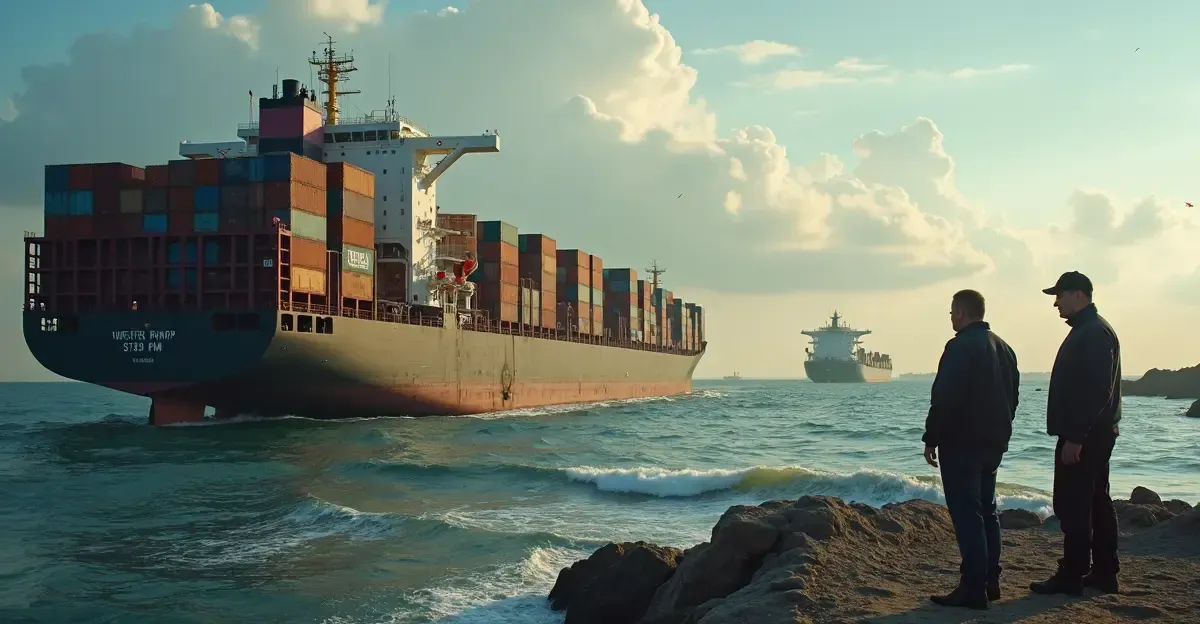
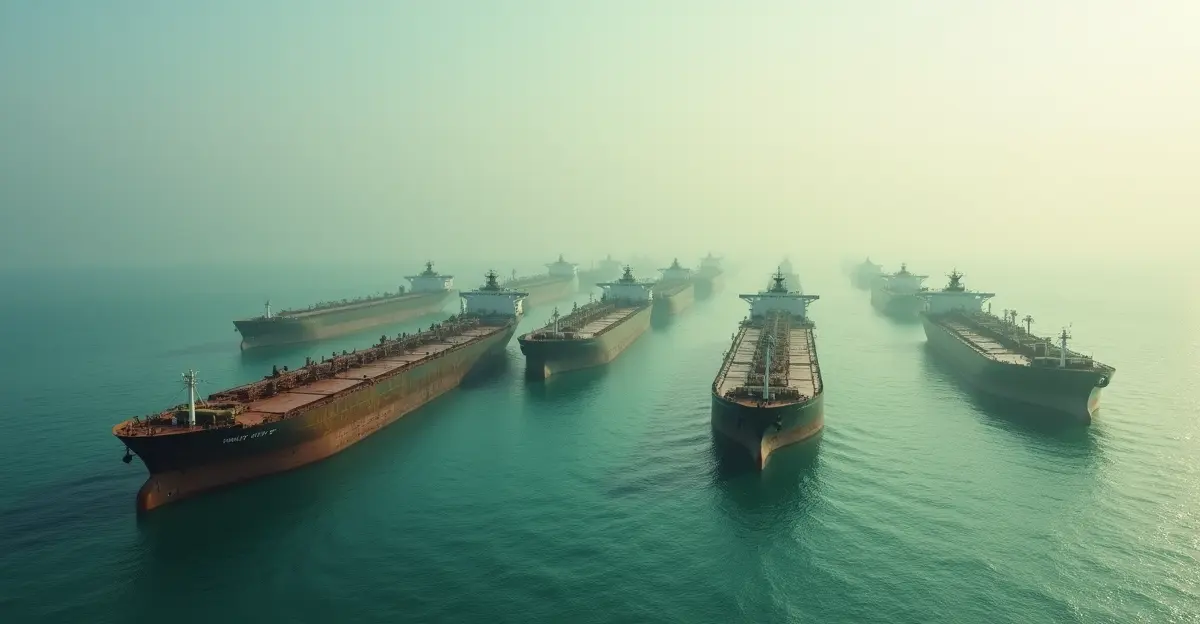
The closure trapped approximately 470,000 TEUs across 138 vessels in the Persian Gulf. Major carriers declared force majeure and imposed emergency surcharges up to $3,000 per FEU. Transpacific rates rose roughly 40%, and Asia–Europe rates roughly 20%. Rerouting around the Cape of Good Hope added 10–14 days per voyage. Some spot rates on affected routes surged up to 900% compared to pre-crisis levels. The Drewry WCI composite index rebounded sharply, and analysts expect disruption to persist through the remainder of 2026. The global shipping cost surge is feeding into inflation across all traded goods.
Asian Economies Hit Hardest
Asian economies receive 89% of the strait's oil exports and are disproportionately exposed to the crisis. South Korea, Japan, and India face acute vulnerabilities. According to the LSE Business Review, Japan and South Korea have strategic reserves covering 200+ days, but India may have only 20–25 days of cover. The IMF projects that emerging market and developing economies will bear the brunt of the slowdown, with capital outflows and higher energy import bills compounding the damage. The impact on Asian industrial economies is driving a reassessment of supply chain dependencies.
Structural Shift: Nearshoring and Diversification
The crisis is accelerating a permanent shift from globalized just-in-time supply chains to regionalized, resilience-first networks. According to recent surveys, 51% of companies are accelerating nearshoring plans. Mexico has emerged as North America's manufacturing hub, receiving over $40 billion in foreign direct investment. The FORGE alliance (Forum on Resource Geostrategic Engagement), a 54-country coalition for critical minerals security, has mobilized $30 billion in U.S. financing. South-South trade corridors now account for 57% of developing-country exports, displacing traditional Western hub-and-spoke models. The nearshoring and supply chain diversification trends are reshaping global trade patterns.
Expert Perspectives
"The Hormuz crisis is not just an oil shock — it is a structural wake-up call for the entire global industrial system," said Mohsen Khezri of the LSE. "The economically manageable window for a prolonged closure is likely one to three months before political and macroeconomic costs become unsustainable for the most exposed importers." UNCTAD's report calls for accelerated investment in renewable energy and critical technologies to reduce exposure to future geopolitical shocks, noting that renewables were already cheaper than fossil fuels in 91% of new cases in 2024.
FAQ
What caused the 2026 Strait of Hormuz crisis?
The crisis began on 28 February 2026 when the U.S. and Israel launched airstrikes on Iran (Operation Epic Fury). Iran retaliated by blockading the strait, effectively closing it to commercial shipping.
How long will the disruption last?
A fragile ceasefire was reached in early April 2026, but the strait remains effectively closed. Analysts expect disruption to persist through the remainder of 2026, with a full reopening unlikely before 2027.
Which industries are most affected beyond oil?
Semiconductors (helium shortage), fertilizers (sulphur and urea disruptions), aluminium (smelter damage), and LNG are the most critically affected non-energy sectors.
How are companies responding?
Multinational corporations are accelerating nearshoring, diversifying critical mineral sourcing, and building strategic inventory buffers. The FORGE alliance has been formed to coordinate critical minerals security among 54 countries.
What is the economic impact?
The IMF projects global growth at 3.1% in 2026, down from 2.9% in 2025. UNCTAD warns merchandise trade growth has fallen to between 1.5% and 2.5%. Up to 45 million additional people could face acute food insecurity.
Conclusion: A New Era for Global Supply Chains
The 2026 Hormuz crisis has exposed the fragility of a global economy built on narrow maritime chokepoints. The future of global trade and supply chains will be defined by resilience over efficiency, regionalization over globalization, and diversification over concentration. Governments and corporations that act now to restructure their supply networks will be best positioned to weather the next crisis.


Follow Discussion