


 Deutsch
 English
 Español
 Français
 Nederlands
 Português


 Share
Share




China's calibrated escalation of critical mineral export controls in 2025-2026 has reached a tipping point, with Western license approval rates falling below 25% and prices surging up to sixfold. This supply chain crisis, centered on rare earths, tungsten, and antimony, exposes a strategic vulnerability in defense, electric vehicle (EV), and renewable energy sectors. The United States has responded with the FORGE coalition (54 nations, $30+ billion) and Project Vault ($10 billion strategic reserve), but independent Western processing remains 5-7 years away with 2-4 times cost disadvantages. Analysts warn of a narrowing 12-18 month geopolitical window for the West to secure alternative supply chains before Chinese leverage becomes structurally irreversible.
China's Export Control Escalation
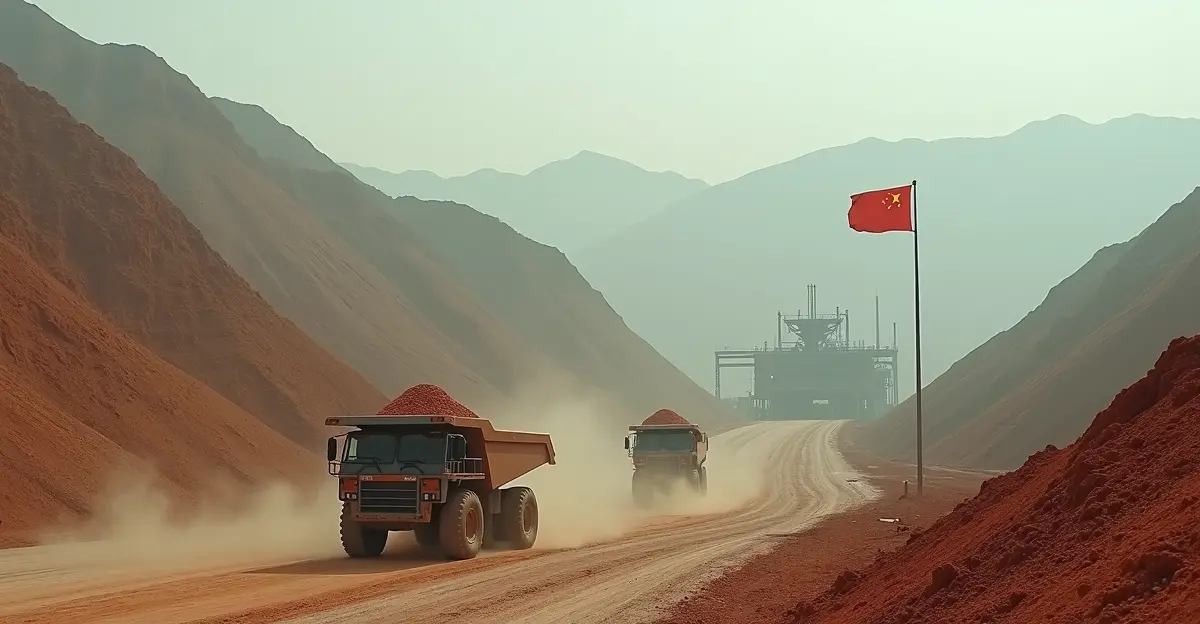
In April and October 2025, China introduced two waves of export controls on rare earth elements (REEs), citing national security interests in response to U.S. tariffs. A second wave, suspended until November 2026, further tightened restrictions. These measures expanded controls to dual-use items containing even trace amounts of Chinese-origin rare earths, affecting goods manufactured outside China, including semiconductor and AI-related components. China controls 90% of global rare earth processing, 80% of tungsten, and 60% of antimony, giving it near-total leverage over these critical inputs.
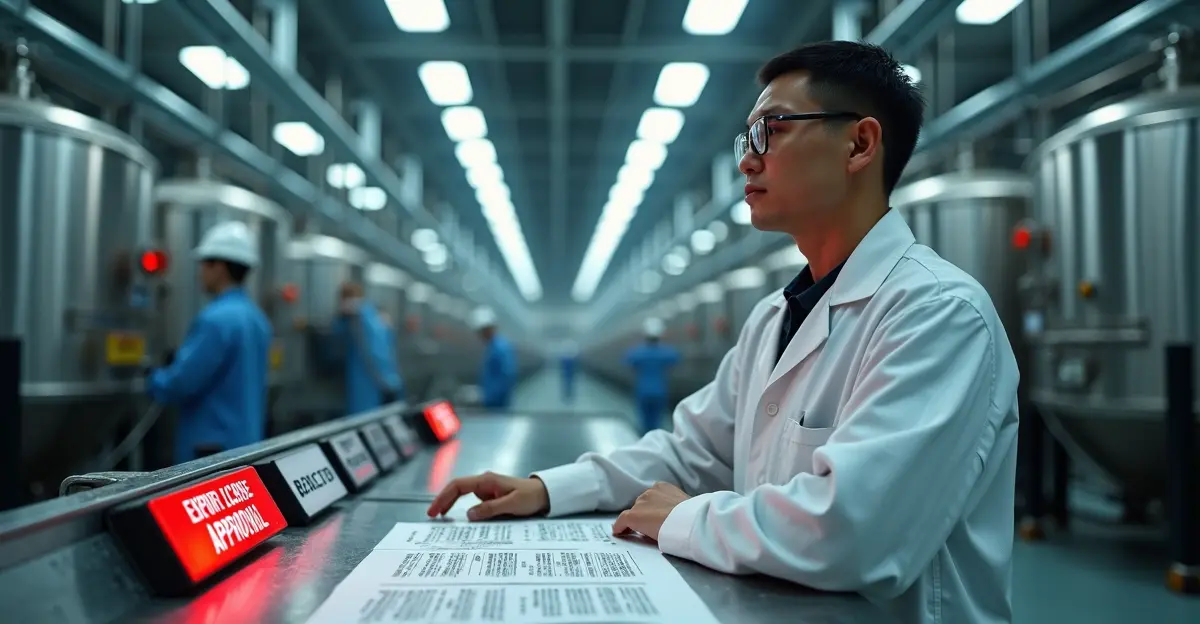
The impact has been severe. Prices for key elements like samarium, dysprosium, and lutetium surged up to sixfold outside China. European firms saw license approval rates drop below 25%, with over 80% of companies dependent on Chinese supply chains for materials essential to defense, aerospace, and medical technology. The rare earth supply chain crisis has disrupted production across multiple industries, forcing companies to seek emergency alternatives.
The FORGE Coalition Response
On February 4, 2026, the United States hosted the Critical Minerals Ministerial in Washington, D.C., bringing together 54 countries and the European Commission. Secretary of State Marco Rubio, alongside Vice President JD Vance, announced the Forum on Resource Geostrategic Engagement (FORGE), replacing the earlier Minerals Security Partnership. FORGE, chaired by South Korea, aims to create a preferential trade-and-investment zone with coordinated price floors to counter adversarial market manipulation. The U.S. signed 11 new bilateral framework agreements at the ministerial, bringing the total to 21 deals in five months, with countries including Argentina, Morocco, the Philippines, UAE, and the UK.
The coalition has mobilized over $30 billion in letters of interest, investments, and loans for critical mineral projects. However, analysts caution that building mines and refineries takes years. The FORGE coalition critical minerals strategy faces significant hurdles, including high capital costs and long lead times. Saudi Arabia has emerged as a wildcard, partnering with U.S.-based MP Materials to build a rare earth refinery, but full-scale production remains distant.
Project Vault: A $10 Billion Strategic Reserve
On February 2, 2026, the U.S. Export-Import Bank (EXIM) approved a Direct Loan of up to $10 billion to launch Project Vault, establishing the U.S. Strategic Critical Minerals Reserve. This public-private partnership will store essential raw materials in secure facilities across the U.S., protecting domestic manufacturers from supply shocks. Partners include original equipment manufacturers like Clarios, GE Vernova, Western Digital, and Boeing, along with private sector capital providers such as Hartree Partners, Mercuria Americas, and Traxys.
Project Vault aims to reduce dependence on foreign-controlled supply chains, strengthen the domestic industrial base, and deliver a net positive return for U.S. taxpayers. However, the reserve alone cannot solve the processing gap. The strategic mineral reserve Project Vault is a stopgap measure while longer-term processing capacity is built.
The Cost and Timeline Gap
Independent Western processing remains 5-7 years away, with cost disadvantages of 2-4 times compared to Chinese operations. China's strategy relies on weaponizing control—not scarcity—using temporary, reversible restrictions to maintain pricing power and extract strategic concessions. Rebuilding independent supply chains could take 20-30 years, far exceeding the current geopolitical window. A multi-institutional analysis warns that the window for decisive action is narrowing to 12-18 months before Chinese leverage becomes entrenched.
The Western rare earth processing cost disadvantage is compounded by environmental and labor standards that increase expenses. Without rapid investment and policy support, the West risks permanent dependence on Chinese supply chains.
Expert Perspectives
"China is weaponizing control, not scarcity," said a senior analyst at the Atlantic Council. "The temporary, reversible nature of these restrictions allows Beijing to maintain pricing power while discouraging Western investment in alternatives." Vice President JD Vance described FORGE's "reference prices" maintained through adjustable tariffs as a mechanism to counter Chinese market manipulation. However, experts warn that the 12-18 month window may already be closing, as China's processing dominance becomes structurally entrenched.
FAQ
What are critical minerals and why are they important?
Critical minerals include rare earths, tungsten, and antimony, essential for defense systems, EVs, renewable energy technologies, and electronics. China dominates global processing, controlling 90% of rare earth refining.
What triggered China's 2025-2026 export controls?
China imposed controls in response to U.S. tariffs, citing national security. Two waves of restrictions in April and October 2025 expanded to cover dual-use items with trace Chinese-origin materials.
What is the FORGE coalition?
FORGE (Forum on Resource Geostrategic Engagement) is a 54-nation U.S.-led coalition launched in February 2026 to build alternative critical minerals supply chains, with over $30 billion in financing.
What is Project Vault?
Project Vault is a $10 billion EXIM-backed initiative to create a U.S. Strategic Critical Minerals Reserve, storing essential raw materials to protect manufacturers from supply shocks.
How long will it take the West to build independent processing capacity?
Independent Western processing is 5-7 years away, with cost disadvantages of 2-4 times. Analysts warn of a 12-18 month window to act before Chinese leverage becomes irreversible.
Conclusion
The critical minerals crisis represents the most consequential supply chain security story of 2026. While FORGE and Project Vault mark significant steps, the gap between ambition and reality remains wide. The West must accelerate investment, streamline permitting, and forge deeper partnerships to close the 12-18 month window. Failure to act could leave Western economies permanently vulnerable to Chinese leverage, with profound implications for defense, energy transition, and industrial competitiveness.

Follow Discussion