


 Deutsch
 English
 Español
 Français
 Nederlands
 Português


 Share
Share




In 2026, China's tightened export controls on rare earths, tungsten, and antimony have triggered sixfold price spikes and slashed licensing approval rates for European firms below 25%, creating an acute inflection point in global resource security. With Beijing controlling roughly 90% of global rare earth processing, 80% of tungsten refining, and 60% of antimony production, the West has launched the most coordinated countermeasure in decades: FORGE, a 54-country alliance backed by over $30 billion in commitments. But analysts warn that independent processing capacity will take 5 to 7 years to reach meaningful scale — and the geopolitical window for decisive action may be as narrow as 12 to 18 months.
China's Export Control Regime: A Strategic Weapon
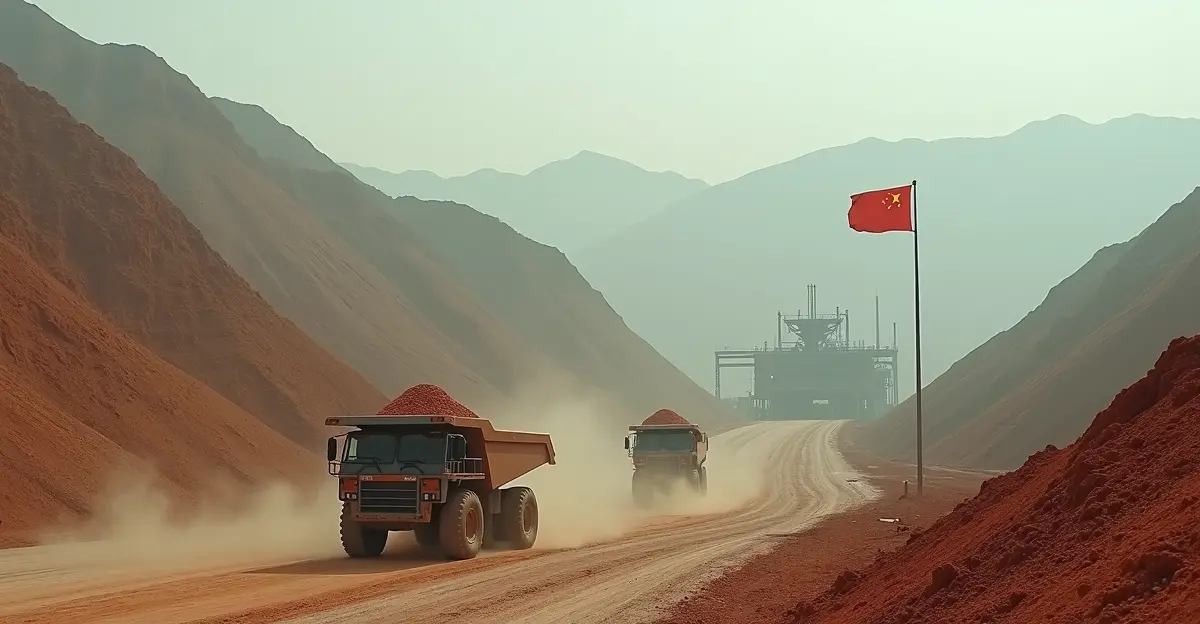
Beginning in 2025 and intensifying through early 2026, Beijing imposed a series of escalating export restrictions on critical minerals essential for defense, electric vehicles, and renewable energy. New regulations introduced categorical prohibitions on exports to U.S. military end-users, a whitelist system limiting tungsten, antimony, and silver supplies to just 15 to 44 approved companies, and fresh restrictions on unprocessed rare earths effective January 1, 2026. While China suspended certain controls in October 2025, the core architecture remained intact.
The impact has been severe. Neodymium-praseodymium oxide prices surged sixfold outside China, tungsten tripled, and antimony doubled. European firms now face licensing approval rates below 25%, effectively creating a de facto embargo for many manufacturers. Over 80% of European companies depend on Chinese supply chains for materials critical to defense, EV production, and clean energy — a dependency that Beijing is now leveraging with surgical precision.
According to a multi-institutional analysis published in early 2026, China is weaponizing control rather than scarcity, using temporary, reversible restrictions to maintain pricing power and extract strategic concessions while simultaneously discouraging large-scale Western investment in alternative supply chains. The rare earth supply chain geopolitics have become the defining resource security challenge of the decade.
The FORGE Alliance: A $30 Billion Countermeasure
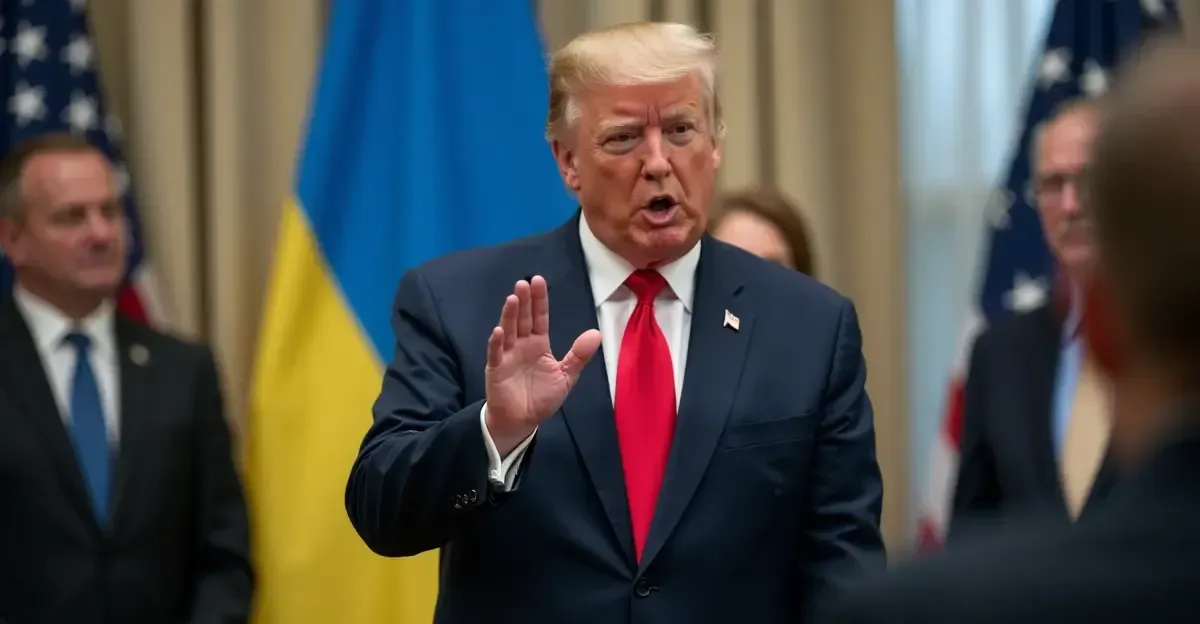
On February 4, 2026, the U.S. Department of State hosted the 2026 Critical Minerals Ministerial, convening representatives from 54 countries and the European Commission. Secretary of State Marco Rubio announced the creation of FORGE (Forum on Resource Geostrategic Engagement), chaired by the Republic of Korea, as the successor to the Minerals Security Partnership (MSP).
FORGE represents the most ambitious Western effort to counter China's near-monopoly. The alliance creates a preferential trade-and-investment zone with coordinated price floors and adjustable tariffs designed to counter market manipulation. Key outcomes include:
- Over $30 billion in U.S.-backed financing for critical mineral projects, including letters of interest, loans, and direct investments
- Project Vault: A $10 billion public-private partnership establishing the U.S. Strategic Critical Minerals Reserve, modeled after the Strategic Petroleum Reserve, with participating OEMs including Boeing, GE Vernova, Clarios, and Western Digital
- Eleven new bilateral framework agreements signed with Argentina (lithium), Morocco (cobalt/phosphate), the Philippines, Peru, the UAE, and the United Kingdom, among others
- A private sector task force convened to accelerate project development
The FORGE alliance critical minerals strategy aims to diversify supply chains away from Chinese dominance, but the timeline for achieving meaningful independence remains daunting.
The Processing Gap: 5 to 7 Years to Scale
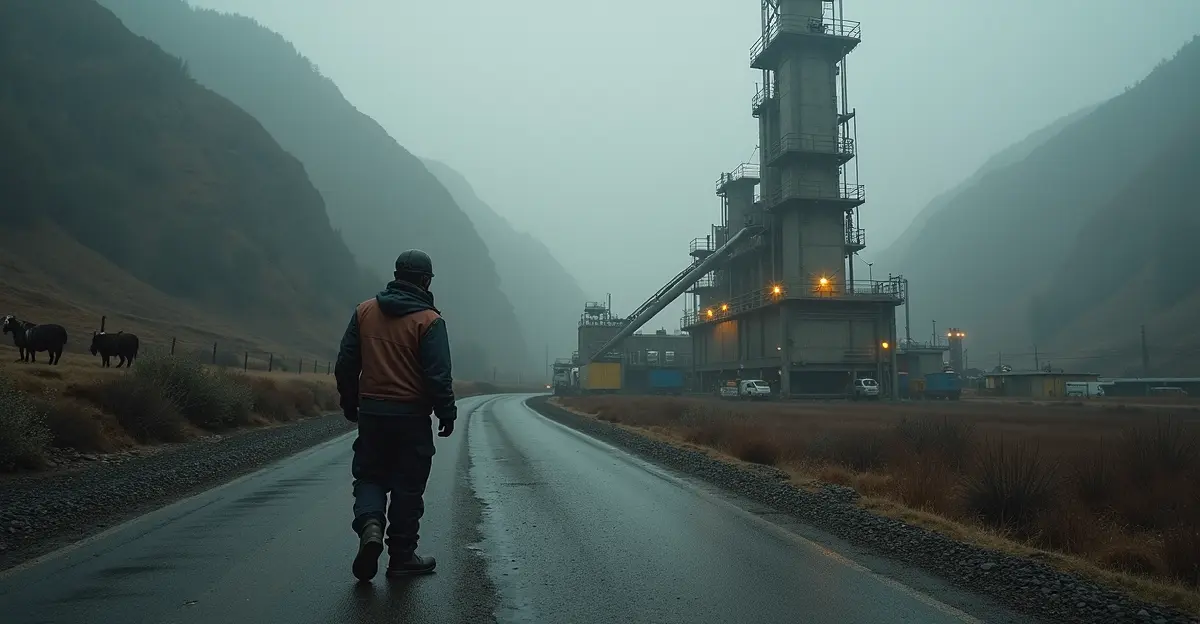
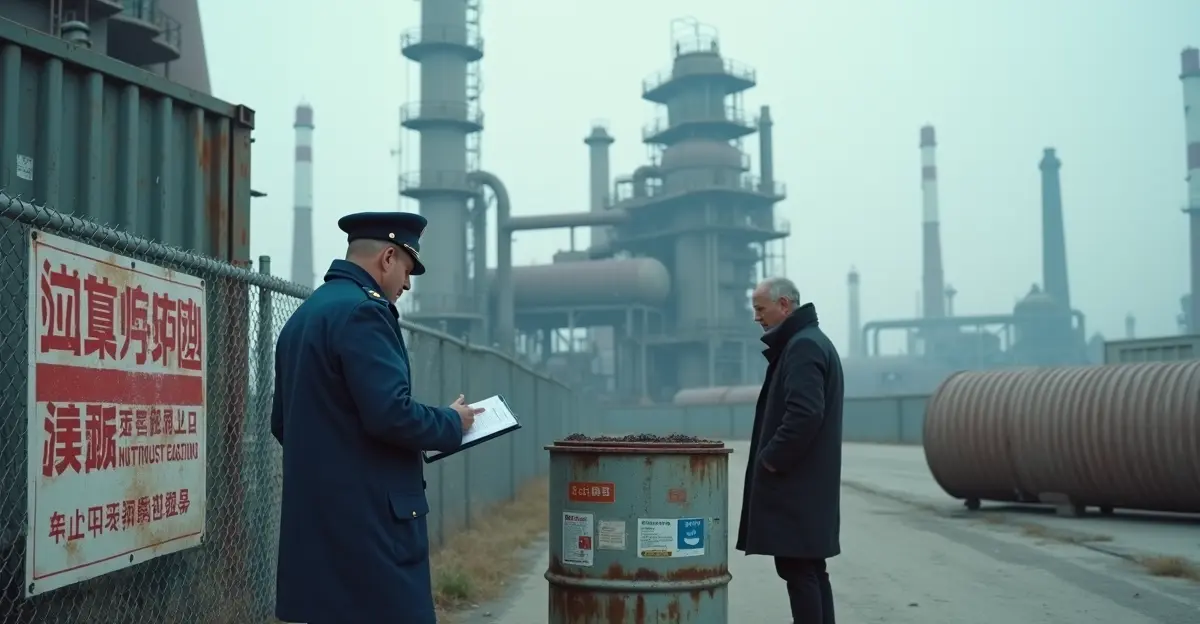
While mining projects can be developed relatively quickly, the bottleneck lies in processing and separation capacity. China's decades-long dominance in rare earth separation — controlling 99% of heavy rare earth separation for elements like dysprosium and terbium — cannot be replicated overnight.
Analysts estimate that building new separation facilities requires a minimum of 12 to 18 months for initial construction, but reaching meaningful scale — enough to materially reduce dependency — will take 5 to 7 years. Western firms face 2 to 4 times cost disadvantages compared to Chinese processors, who benefit from decades of infrastructure investment, lower environmental standards, and state subsidies.
The defense sector is hit hardest. Each F-35 Lightning II fighter jet contains approximately 418 kilograms of rare earth elements, embedded in permanent magnets used in flight control actuators, AESA radar, electro-optical targeting systems, and electronic warfare suites. An Arleigh Burke-class destroyer requires about 2,600 kilograms, and a Virginia-class submarine around 4,600 kilograms. NATO members currently hold only 6 to 9 months of stockpiles for 12 defense-critical raw materials — far below the strategic reserves needed to withstand a prolonged supply disruption.
The critical minerals defense stockpile vulnerability has become a top national security concern for allied governments.
Strategic Trilemma: Three Paths Forward
The multi-institutional analysis outlines three strategic paths for Western nations, each with significant trade-offs:
- Managed Dependence: Accept continued reliance on Chinese supply chains while building diplomatic guardrails and stockpiles. This is the lowest-cost option but carries maximum geopolitical risk.
- Costly Independence: Pursue full supply chain autonomy through massive investment in domestic and allied processing capacity. This requires $30 billion-plus in commitments and 5 to 7 years minimum to achieve scale, with ongoing cost disadvantages.
- Hybrid Resilience Model: Combine strategic stockpiling, diversified sourcing from allied nations, accelerated recycling programs, and technology innovation (such as magnet-free motors and substitution research) to reduce dependency while managing costs.
Most analysts favor the hybrid model, but warn that the 12 to 18 month window for decisive action is closing rapidly. The China critical minerals export controls timeline suggests Beijing is prepared to tighten restrictions further if Western diversification efforts gain momentum.
Expert Perspectives
"China is not trying to starve the West of minerals — it is trying to control the terms of access," said a senior analyst at the Center for Strategic and International Studies (CSIS). "The export controls are calibrated to maintain pricing power and extract geopolitical concessions, particularly on Taiwan and technology disputes, while keeping Western industry hooked on Chinese supply chains."
EXIM Chairman John Jovanovic emphasized the urgency of Project Vault: "This initiative will deliver a net positive return for taxpayers while reducing dependence on foreign-controlled supply chains, strengthening the domestic industrial base, and ensuring uninterrupted access to materials essential for advanced manufacturing and critical technologies."
However, some experts caution that FORGE's $30 billion commitment, while historic, pales in comparison to the scale of the challenge. China's state-owned enterprises have invested hundreds of billions over decades to build their processing dominance. Gulf states like Saudi Arabia and the UAE are investing over $100 billion in mineral assets, introducing new dynamics that could either complement or complicate Western efforts.
FAQ: Critical Minerals and the 2026 Crisis
What critical minerals does China control?
China controls approximately 90% of global rare earth processing, 80% of tungsten refining, 60% of antimony production, 98% of gallium, and 60% of germanium. For heavy rare earths like dysprosium and terbium — essential for high-performance magnets in defense and EVs — China's share exceeds 99%.
Why are critical minerals important for defense?
Rare earths are used in permanent magnets for flight control actuators, radar systems, targeting pods, and electronic warfare suites in fighter jets like the F-35. Tungsten is used in armor-piercing ammunition, and antimony in infrared sensors and ammunition primers. NATO holds only 6-9 months of stockpiles for these materials.
What is FORGE and how does it work?
FORGE (Forum on Resource Geostrategic Engagement) is a 54-country alliance launched in February 2026, chaired by South Korea. It creates a preferential trade-and-investment zone with coordinated price floors and adjustable tariffs to counter Chinese market manipulation, backed by over $30 billion in U.S. financing.
How long will it take to break dependence on China?
Building new processing facilities takes 12-18 months minimum, but reaching meaningful scale to materially reduce dependency requires 5-7 years. Full supply chain independence could take 20-30 years according to some analysts. The West has a 12-18 month geopolitical window to act decisively.
What is Project Vault?
Project Vault is a $10 billion public-private partnership approved by the U.S. Export-Import Bank in February 2026 to establish a U.S. Strategic Critical Minerals Reserve. Participating companies include Boeing, GE Vernova, Clarios, and Western Digital. The reserve will stockpile essential raw materials to protect domestic manufacturers from supply shocks.
Conclusion: A Race Against Time
The 2026 critical minerals crisis represents the most consequential resource security challenge of the decade. China's export controls have demonstrated the vulnerability of Western supply chains with devastating clarity. FORGE and Project Vault represent historic steps toward diversification, but the gap between ambition and execution remains wide.
The West faces a narrowing window — perhaps 12 to 18 months — to secure alternative processing capacity, build strategic stockpiles, and develop substitution technologies before China's leverage becomes insurmountable. Failure to act decisively risks prolonged strategic vulnerability in both defense and green energy manufacturing, with consequences that will shape the geopolitical landscape for decades to come.
Follow Discussion