


 Deutsch
 English
 Español
 Français
 Nederlands
 Português


 Share
Share




In 2026, China's stranglehold on critical minerals has reached a tipping point, triggering a global supply chain crisis that threatens Western defense, electric vehicle (EV), and renewable energy industries. Beijing's export controls on rare earths, tungsten, and antimony—introduced in 2025 and tightened through early 2026—have caused price spikes of up to sixfold outside China, while licensing approvals for European firms have fallen below 25% in some sectors. With China controlling 90% of global rare earth processing, 80% of tungsten, and 60% of antimony, the Western critical mineral vulnerability has become the defining geopolitical and industrial challenge of the decade.
Background: The Weaponization of Mineral Dominance
China's dominance in critical minerals is not accidental. For decades, Beijing invested heavily in refining capacity, environmental controls, and strategic stockpiling, while Western nations allowed their mining and processing industries to atrophy. By 2025, China accounted for over 90% of rare earth processing, 80% of tungsten production, and roughly 44% of refined antimony exports. These minerals are essential for permanent magnets in EV motors and wind turbines, armor-piercing munitions and aerospace components (tungsten), and flame retardants for aircraft interiors and defense electronics (antimony).
In 2025, China's Ministry of Commerce (MOFCOM) issued Notice No. 61, tightening export controls on rare earth elements. This was followed by new restrictions on tungsten, tellurium, bismuth, molybdenum, and indium in February 2025—a direct response to U.S. tariff increases. The export control system requires end-user certificates, application declarations, and security reviews, with processing times of 30–60 days. A complete ban applies to U.S. military applications, while conditional permits may be granted for civilian uses. This asymmetric leverage allows China to restrict defense-critical supplies while maintaining WTO compliance through selective application rather than blanket bans.
Sixfold Price Spikes and Licensing Collapse
The impact has been severe. According to a multi-institutional analysis published in early 2026, export controls triggered price increases of up to sixfold for rare earth magnets and tungsten products outside China. European firms reported that licensing approval rates for critical mineral exports fell below 25% in some sectors, effectively cutting off supply. Over 80% of European companies depend on Chinese supply chains for materials essential to defense, EVs, and renewable energy. The report's key insight is that China is weaponizing control rather than scarcity—using temporary, reversible restrictions to maintain pricing power and extract strategic concessions while discouraging Western alternative investments.
The rare earth price spike impact has been felt across industries. EV manufacturers face soaring costs for permanent magnets, defense contractors struggle to source tungsten for armor and projectiles, and renewable energy projects face delays due to shortages of rare earths for wind turbine generators. The U.S. Department of Defense has warned that critical munitions production could be compromised within months if alternative supplies are not secured.
The FORGE Alliance: A 54-Nation Response
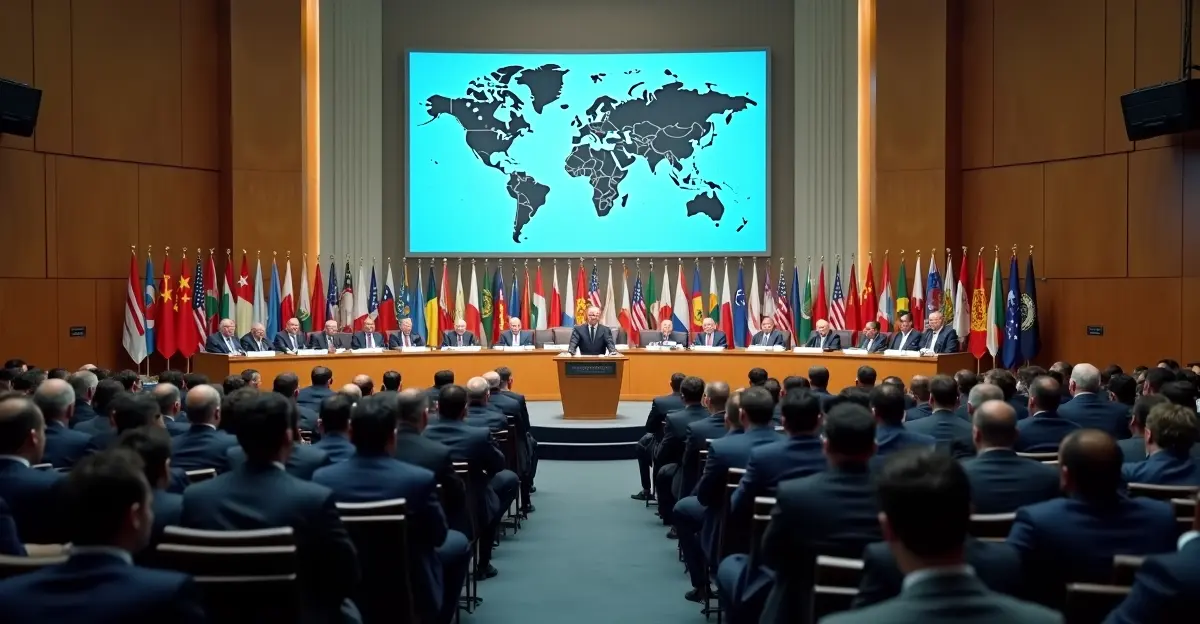
In February 2026, the United States convened the inaugural Critical Minerals Ministerial in Washington, D.C., launching the Forum on Resource Geostrategic Engagement (FORGE)—a 54-nation plurilateral coalition designed to create a preferential trade-and-investment zone for critical minerals. FORGE succeeds the Minerals Security Partnership but aims for sharper enforcement, including coordinated price floors to counter adversarial market manipulation.
The ministerial produced eleven new bilateral framework agreements with countries including Argentina, Morocco, Peru, the Philippines, the UAE, and the United Kingdom, bringing the total to twenty-one deals in five months. The U.S. mobilized over $30 billion in investments and loans, including $10 billion from the Export-Import Bank for Project Vault, a strategic stockpiling initiative. FORGE is chaired by South Korea through June 2026 and aims to link bilateral deals into a system covering two-thirds of the global economy. The key shift involves internationalizing price supports rather than relying solely on U.S. taxpayers—practicing statecraft through markets rather than around them.
Strategic Vulnerability: 20–30 Years to Rebuild
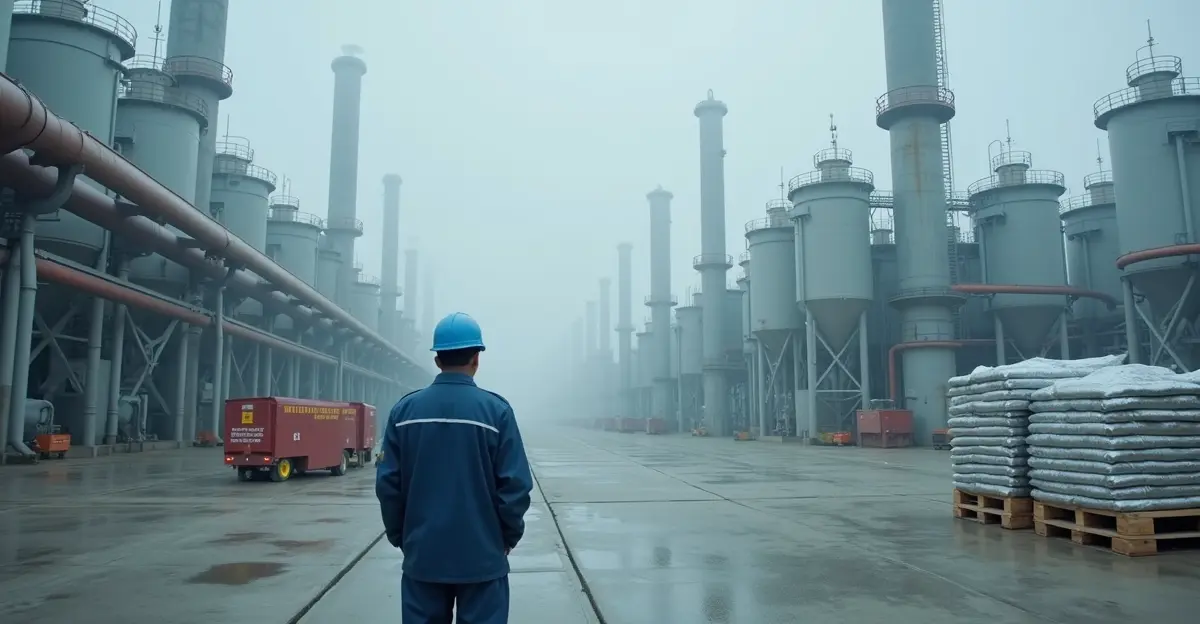
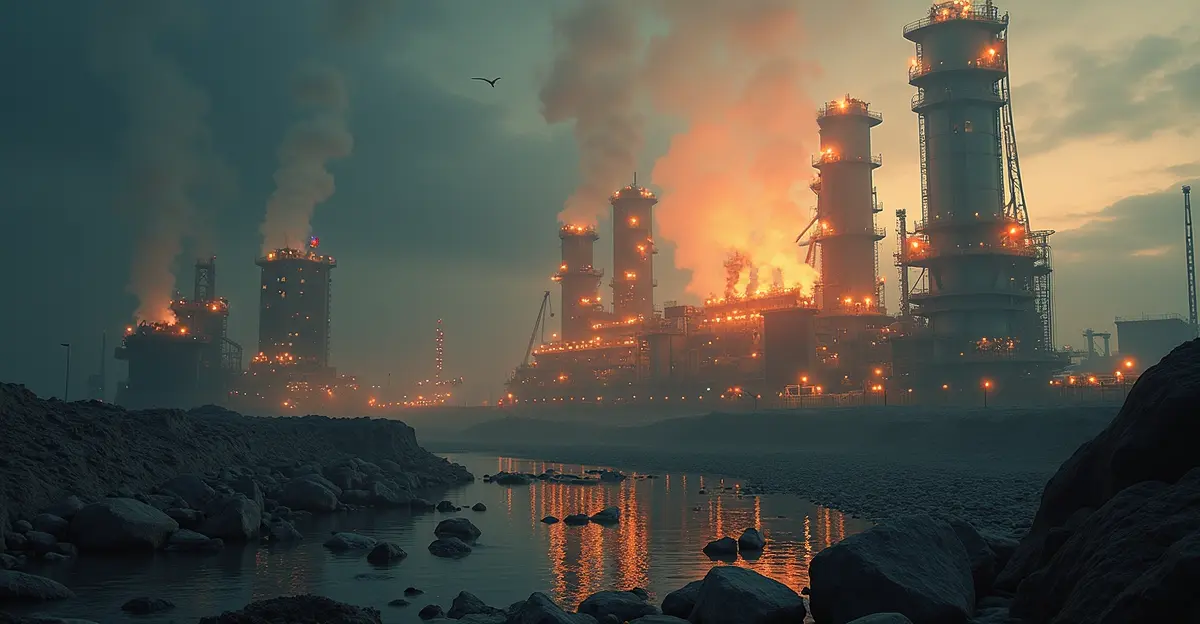
Despite the diplomatic momentum, analysts warn that rebuilding independent Western supply chains for critical minerals could take 20–30 years. Rare earth processing requires specialized expertise, environmental permits, and significant capital investment. The Mountain Pass mine in California, once the world's largest rare earth producer, now ships its concentrate to China for processing—a stark illustration of the rare earth processing dependency that will take decades to unwind.
Tungsten alternatives are equally challenging. China's dominance in tungsten (80% of global production) is underpinned by vast reserves and decades of infrastructure investment. While Australia, Canada, and Portugal have tungsten deposits, building new mines and processing facilities typically requires 10–15 years from discovery to production. Antimony presents similar hurdles, with China controlling 44% of refined exports and no major Western producer able to fill the gap quickly.
Expert Perspectives: A Narrowing Window
"The window for action is narrowing to 12–18 months before China's grip becomes insurmountable," warns Dr. Emily Zhang, a senior fellow at the Center for Strategic and International Studies (CSIS). "China is using temporary, reversible restrictions to maintain pricing power and extract concessions while preventing large-scale Western alternative investment. If we don't act decisively now, we will face prolonged vulnerability."
Other experts emphasize the need for a multi-pronged strategy: accelerating mining and processing projects, investing in recycling technologies, diversifying supply sources through alliances like FORGE, and stockpiling critical minerals. The U.S. critical minerals strategy must also address the environmental and regulatory hurdles that have historically slowed domestic mining projects.
FAQ
What are critical minerals and why do they matter?
Critical minerals are raw materials essential for high-tech industries, defense systems, and green energy technologies. They include rare earths (used in magnets for EVs and wind turbines), tungsten (used in armor and aerospace), and antimony (used in flame retardants and defense electronics). China dominates global processing of these minerals, creating strategic vulnerabilities for Western economies.
How have China's export controls affected prices?
Export controls introduced in 2025–2026 have caused price spikes of up to sixfold for rare earth magnets and tungsten products outside China. Licensing approval rates for European firms have fallen below 25% in some sectors, effectively cutting off supply.
What is the FORGE alliance?
FORGE (Forum on Resource Geostrategic Engagement) is a 54-nation coalition launched in February 2026 to create a preferential trade-and-investment zone for critical minerals. It includes coordinated price floors, bilateral agreements, and over $30 billion in U.S. mobilization to counter Chinese market manipulation.
How long would it take to rebuild Western supply chains?
Analysts estimate 20–30 years to rebuild independent Western supply chains for critical minerals, given the specialized expertise, environmental permits, and capital investment required. The window for decisive action is narrowing to 12–18 months.
What can be done to reduce dependency on China?
Strategies include accelerating mining and processing projects in allied countries, investing in recycling technologies, diversifying supply sources through alliances like FORGE, and strategic stockpiling. Policy reforms to streamline permitting and reduce environmental hurdles are also critical.
Conclusion: A New Era of Mineral-Driven Geopolitics
The 2026 critical mineral crisis marks a new era of resource-driven geopolitics. China's stranglehold on rare earths, tungsten, and antimony has exposed the fragility of Western supply chains and the strategic costs of decades of offshoring. While the FORGE alliance and $30 billion in U.S. mobilization represent a significant response, the 20–30 year timeline for rebuilding independent capacity underscores the urgency of action. As Dr. Zhang warns, the window is narrowing—and the decisions made in the next 12–18 months will shape Western industrial and defense strategy for generations.


Follow Discussion