


 Deutsch
 English
 Español
 Français
 Nederlands
 Português


 Share
Share




China's 2025-2026 export controls on rare earths, tungsten, and antimony have triggered price spikes of up to sixfold outside China, with European firms seeing licensing approval rates drop below 25%. Given that China controls 90% of global rare earth processing, 80% of tungsten, and 60% of antimony, and over 80% of European companies depend on Chinese supply chains for materials essential to defense, EVs, and renewable energy, the strategic vulnerability is acute. This article analyzes China's calibrated weaponization of mineral scarcity, the narrowing 12-18 month window for Western countermeasures, and the three strategic pathways facing the US, EU, and allied nations.
The New Economic Warfare: China's Export Control Regime
Beginning in April 2025, Beijing introduced two waves of export controls on rare-earth elements (REEs), citing national security concerns in response to US tariffs. A second wave in October 2025 expanded restrictions to tungsten, antimony, and bismuth, with some measures suspended until November 2026. Unlike outright bans, China's approach is more nuanced: it weaponizes control rather than scarcity, applying temporary, reversible restrictions that maintain pricing power and extract strategic concessions while discouraging large-scale Western alternative investment.
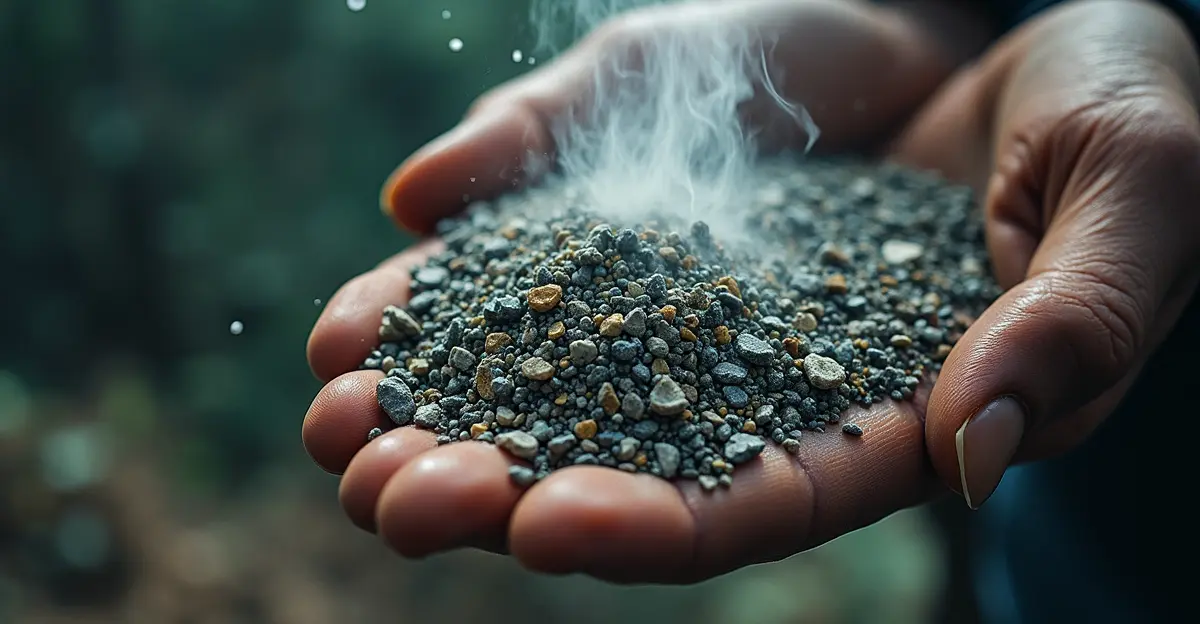
The impact has been dramatic. Antimony prices skyrocketed from $1,400 per metric ton in July 2024 to $51,500 by early 2025 — the sharpest price rally on record. Tungsten product prices surged over 200% in 2025, driven by tightened export licenses and reduced mining quotas. Dysprosium reached $931/kg (+105%), while terbium hit $4,029/kg (+103%). Western markets now pay premiums of 62-366% over Chinese domestic prices for critical rare earths. The rare earth supply chain crisis has exposed deep vulnerabilities in Western industrial strategy.
Strategic Vulnerabilities: Defense, EVs, and Green Energy
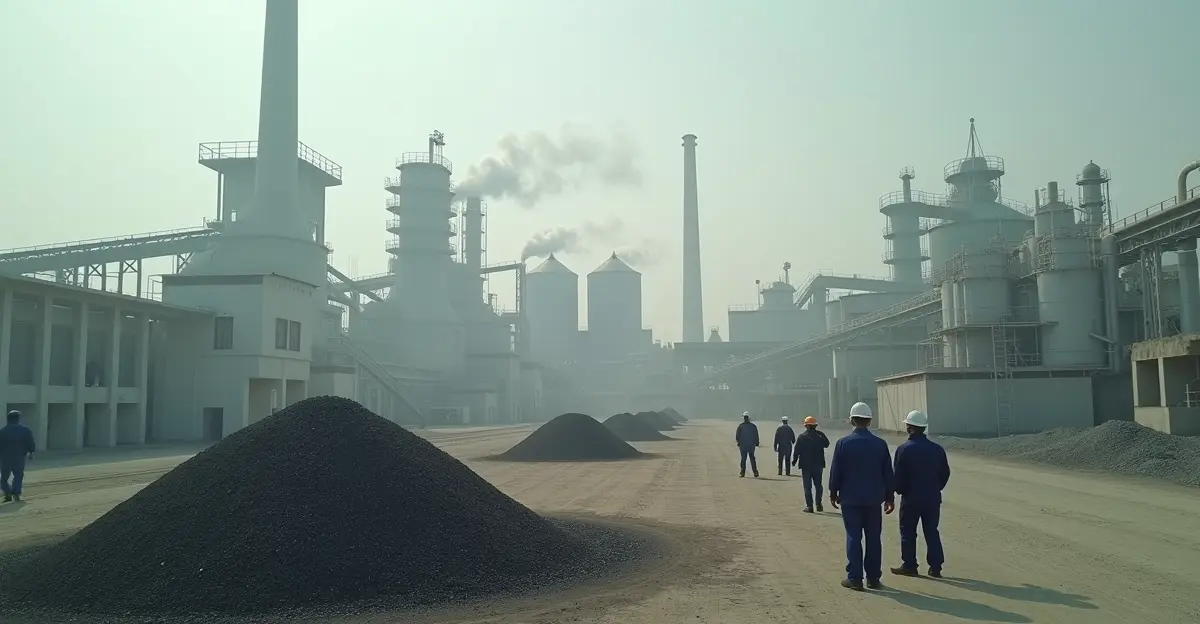
China's dominance extends far beyond mining. It controls 90% of global rare earth processing, 94% of permanent magnet production, 80% of tungsten refining, and 60% of antimony processing. These materials are indispensable for F-35 fighter jets (each requiring over 400 kg of rare earths), electric vehicle motors, wind turbine generators, and advanced electronics. The European Parliamentary Research Service confirmed in 2025 that the EU is 100% dependent on China for heavy rare earths, creating a direct vulnerability for the bloc's green transition, digital competitiveness, and defense readiness.
According to a multi-institutional analysis drawing from the European Parliament Research Service, OECD, and CSIS, over 80% of European companies depend on Chinese supply chains for critical minerals. The EU critical minerals dependency has become a central geopolitical concern, with European defense contractors reporting that Chinese licensing approval rates for essential mineral exports have fallen below 25% in some sectors.
The Western Response: FORGE and Project Vault
On February 4, 2026, the US Department of State hosted the inaugural Critical Minerals Ministerial in Washington, D.C., with 54 nations and the European Commission. Led by Secretary of State Marco Rubio and Vice President JD Vance, the event launched FORGE (Forum on Resource Geostrategic Engagement), a plurilateral coalition replacing the Minerals Security Partnership. The ministerial produced 11 new bilateral critical minerals frameworks and mobilized over $30 billion in US government financing.
Key announcements included Project Vault, a $10 billion Export-Import Bank initiative to establish America's first Strategic Critical Minerals Reserve — the largest financing in EXIM's history — to stockpile lithium, cobalt, rare earths, and graphite. FORGE aims to create a preferential trade-and-investment zone with coordinated price floors enforced through adjustable tariffs. However, analysts note that the challenge remains massive, with the International Energy Forum estimating $400 billion in needed investment by 2035 to build alternative supply chains.
The FORGE alliance critical minerals strategy represents a significant escalation in Western efforts to counter Chinese dominance, but experts warn that rebuilding independent processing capacity could take 20-30 years — far exceeding the current geopolitical window.
Three Strategic Pathways for the West
Western nations face three strategic pathways, each with distinct trade-offs:
1. Managed Dependence
This approach accepts continued reliance on Chinese supply chains while building strategic stockpiles and negotiating for preferential access. It offers short-term cost advantages but leaves Western industries vulnerable to future export controls and geopolitical coercion. Given China's demonstrated willingness to weaponize mineral access, this path carries significant long-term risk.
2. Costly Independence
Full supply chain independence would require massive investment in domestic mining, processing, and manufacturing capacity. The US has taken steps through executive orders like the March 2025 "Immediate Measures to Increase American Mineral Production," which fast-tracks priority mineral projects on federal lands. The EU's Critical Raw Materials Act has selected 60 Strategic Projects, but its RESourceEU Action Plan targets only €3 billion by 2029 — far below what is needed. Analysts warn that full independence remains 5-7 years away at best, with a narrowing 12-18 month window to act decisively before dependence becomes entrenched.
3. Hybrid Resilience
This middle path combines strategic stockpiling, diversified sourcing from allied nations, and targeted investment in domestic processing for the most critical materials. It offers a pragmatic balance between cost and security, but requires unprecedented coordination among Western nations and sustained political will over multiple election cycles.
Expert Perspectives
"China is not creating scarcity — it is weaponizing control," notes a recent multi-institutional analysis. "By applying temporary, reversible restrictions, Beijing maintains pricing power and extracts strategic concessions while preventing large-scale Western alternative investment."
The geopolitics of critical minerals 2026 has shifted from theoretical risk to active economic warfare. As one European defense official stated, "We are now in a race against time. Every month of delay entrenches China's stranglehold further."
FAQ: Critical Minerals and China's Export Controls
What are critical minerals? Critical minerals are raw materials essential to national economies and security that face vulnerable supply chains. They include rare earths, tungsten, antimony, lithium, cobalt, and graphite — materials vital for defense, renewable energy, and high-tech industries.
Why does China dominate critical mineral processing? China has invested decades in building integrated supply chains, from mining to advanced processing and magnet manufacturing. It controls 90% of rare earth processing, 94% of permanent magnet production, and significant shares of tungsten and antimony refining, giving it unparalleled leverage over global supply chains.
How have China's export controls affected prices? Export controls introduced in 2025-2026 triggered price spikes of up to sixfold outside China. Antimony prices rose from $1,400/ton to $51,500/ton, tungsten surged over 200%, and rare earth prices saw 100-366% premiums in Western markets compared to Chinese domestic prices.
What is FORGE? FORGE (Forum on Resource Geostrategic Engagement) is a 54-nation alliance launched by the US in February 2026 to coordinate critical mineral supply chain diversification. It replaces the Minerals Security Partnership and includes over $30 billion in committed financing, including a $10 billion Strategic Critical Minerals Reserve.
Can the West achieve mineral independence? Analysts warn that rebuilding independent processing capacity could take 20-30 years, while the geopolitical window for decisive action may be only 12-18 months. Full independence remains 5-7 years away at best, leaving Western nations exposed to Chinese leverage in the interim.
Conclusion: The Window Is Closing
The critical minerals crisis has moved from theoretical risk to active economic warfare in early 2026. With fresh data showing sixfold price spikes and sub-25% approval rates for Western license applications, the urgency for decisive action has never been greater. The 12-18 month window for Western countermeasures is narrowing, and without alternative processing capacity by late 2027, Western industries could face a generation of structural dependency on China. The choice between managed dependence, costly independence, or hybrid resilience will define the geopolitical landscape for decades to come.

Follow Discussion