


 Deutsch
 English
 Español
 Français
 Nederlands
 Português


 Share
Share




US Imposes Sweeping Sanctions on Cuba's Top Leadership
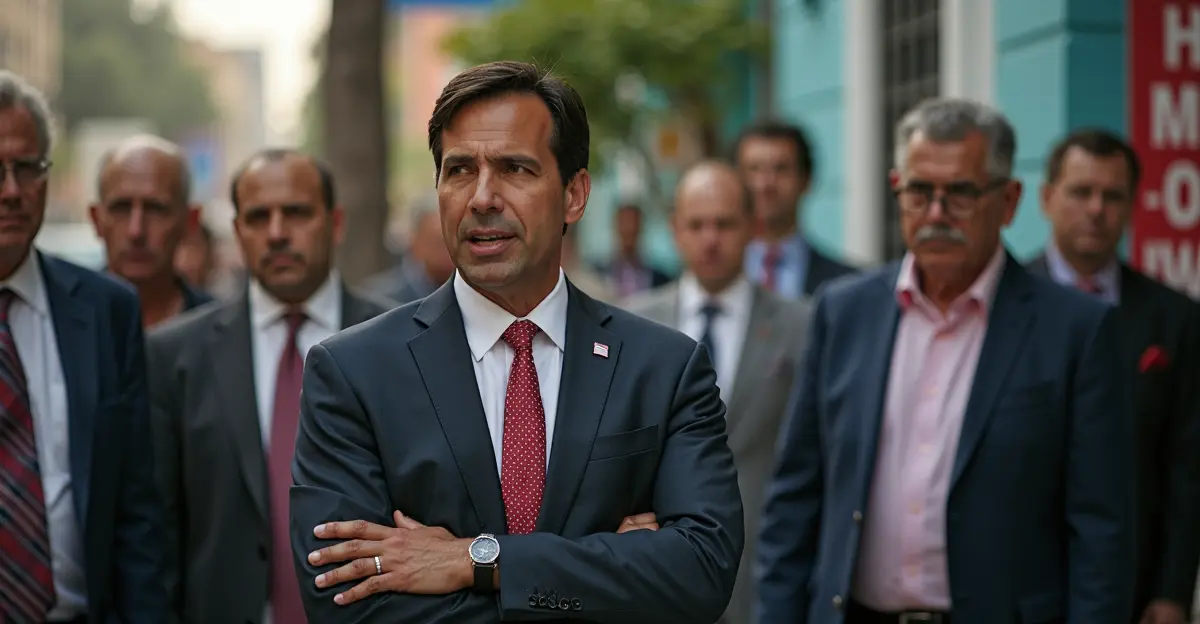
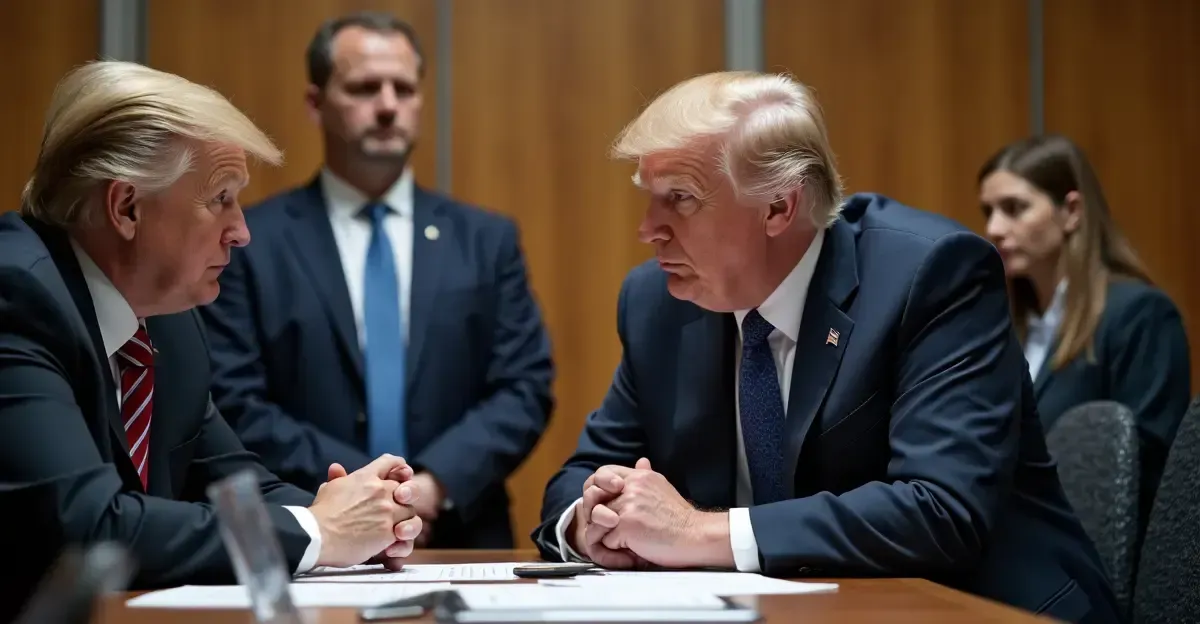
The United States has imposed sanctions on Cuban President Miguel Díaz-Canel, his wife Lis Cuesta Peraza, and several members of the Castro family in a major escalation of pressure on the island nation. The sanctions, announced on June 4, 2026, target five individuals and five entities, including Cuba's Ministry of the Revolutionary Armed Forces (MINFAR). This marks the third round of sanctions against Cuba in less than a month under Executive Order 14404, signed by President Donald Trump on May 1, 2026.
The move freezes any U.S.-based assets belonging to the designated individuals and entities and prohibits Americans from doing business with them. The Trump administration has accused the Cuban regime of engaging in "subversive anti-American activities" and human rights abuses against its own people.
Who Is on the Sanctions List?
The sanctions target Cuba's highest-ranking officials and key figures linked to the Castro dynasty:
- Miguel Díaz-Canel Bermúdez — President of Cuba and First Secretary of the Communist Party
- Lis Cuesta Peraza — First Lady, wife of Díaz-Canel
- Manuel Anido Cuesta — Step-son of Díaz-Canel
- Alejandro Castro Espín — Former intelligence chief and son of former President Raúl Castro
- Raúl Alejandro Castro Calis — Grandson of Raúl Castro and son of Alejandro Castro
Sanctioned entities include MINFAR (the Revolutionary Armed Forces Ministry), the Cuban Institute of Friendship with the Peoples (ICAP), its travel subsidiary Amistur Cuba SA, the Committees for the Defense of the Revolution (CDR), and Minera la Victoria SA, a gold mining joint venture.
The inclusion of the Castro family members is particularly significant, as it directly targets the political dynasty that has ruled Cuba since the 1959 revolution. The Castro family's political legacy has shaped Cuban politics for over six decades.
Why Now? The Geopolitical Context
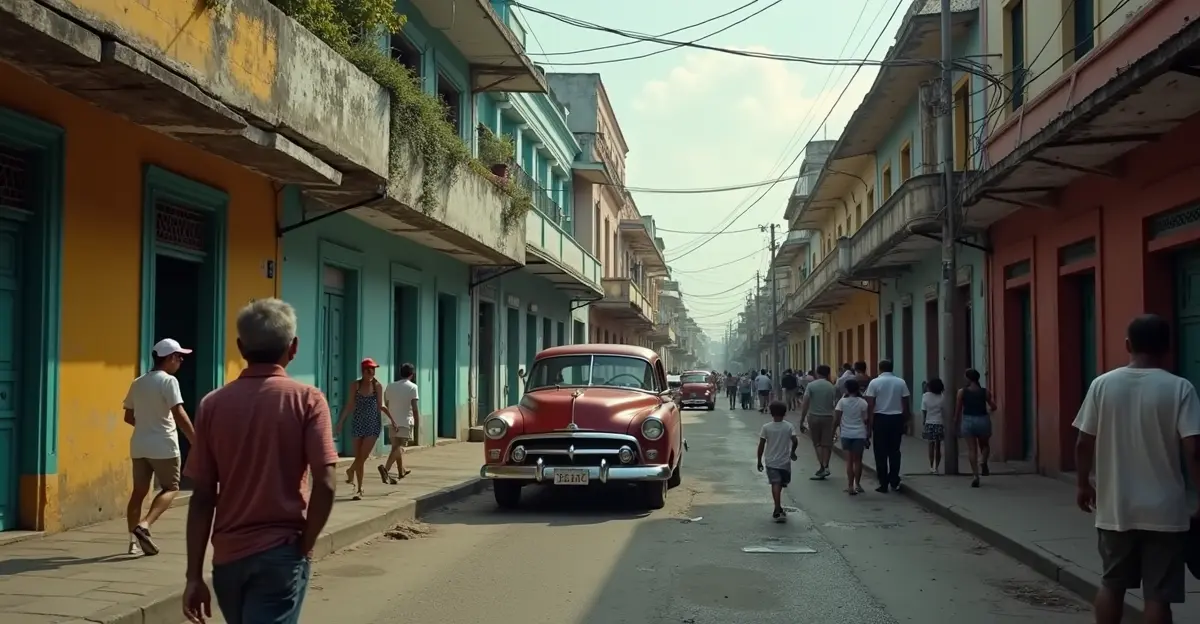
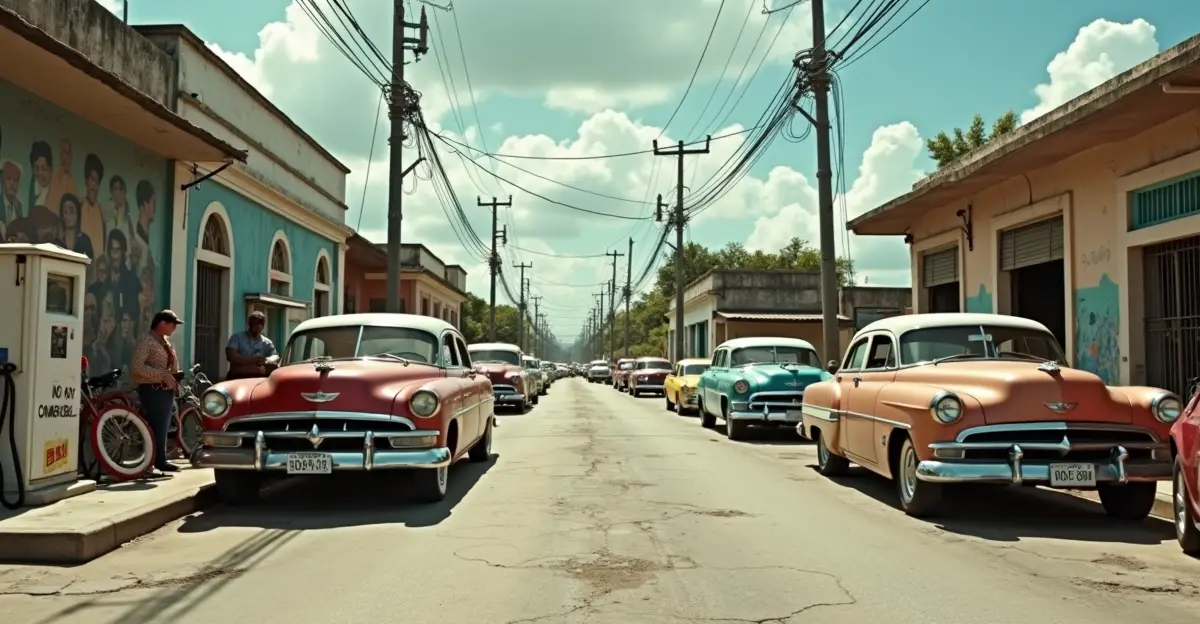
The sanctions come amid a deepening crisis in Cuba. The country is facing its worst economic downturn in decades, characterized by severe fuel shortages, prolonged blackouts, and a collapse in tourism. The U.S. intervention in Venezuela in early 2026, which led to the removal of President Nicolás Maduro — a key Cuban ally — has further isolated Havana.
According to the White House fact sheet, the Executive Order targets those operating in Cuba's energy, defense, metals/mining, financial services, and security sectors. The order also authorizes secondary sanctions on foreign financial institutions that facilitate significant transactions on behalf of blocked persons, meaning third-country entities could face penalties for doing business with the Cuban regime.
President Trump has stated that the measures are intended to push Cuba toward democratic reforms. "We just want it to be a well-governed country," Trump told reporters. He added that Cuba is "more or less collapsed" and that he would address the situation once an agreement with Iran is finalized.
Díaz-Canel's Response
President Díaz-Canel has dismissed the sanctions as illegitimate. In a post on X (formerly Twitter), he called the measures an "illegitimate sanctions list" designed to harm the Cuban people. "These sanctions are aimed at hurting the Cuban people, not the government," Díaz-Canel wrote. He has vowed to resist external aggression while simultaneously holding talks with U.S. officials to explore potential solutions.
The Cuban president also denied that any Cuban officials have assets under U.S. jurisdiction, raising questions about the practical impact of the asset freezes. However, the sanctions also serve a symbolic purpose, further isolating Cuba diplomatically and economically.
Impact on the Cuban Economy and People
Cuba's economy is already in a fragile state. The country's Soviet-era power grid relies heavily on oil imports, which have been severely restricted by U.S. sanctions. The 2026 Cuban economic crisis has led to daily blackouts lasting up to 12 hours in some provinces. Hospitals and schools are functioning with great difficulty, and basic goods are increasingly scarce.
The tourism sector, once a vital source of foreign currency, has collapsed due to the energy shortages and geopolitical tensions. The U.S. State Department has issued a strict travel advisory, warning Americans not to visit Cuba, further deterring potential tourists.
Secretary of State Marco Rubio stated that the sanctions are designed to restrict Cuba's ability to suppress its people and indicated that more measures are expected in the coming days and weeks. The administration has also indicted former President Raúl Castro on murder charges in a U.S. court, adding a legal dimension to the political pressure campaign.
International Reactions
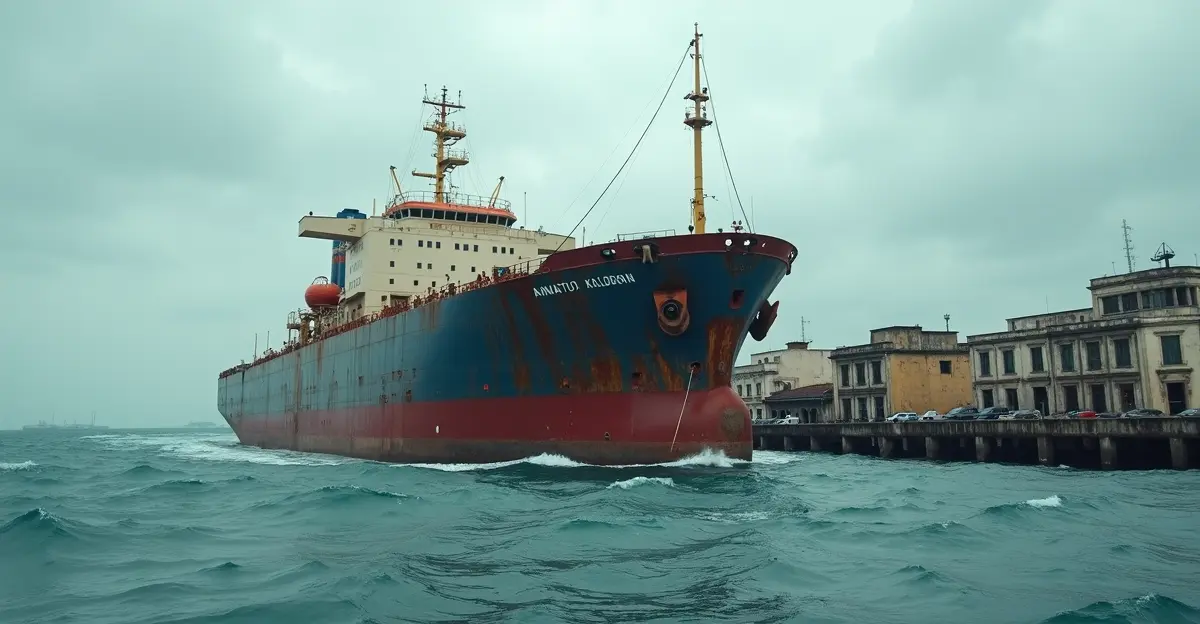
The sanctions have drawn mixed reactions internationally. China and Russia, both key allies of Cuba, have condemned the measures. A Russian oil tanker carrying 100,000 tonnes of crude oil arrived in Cuba on March 30, 2026, providing some relief, but the long-term outlook remains bleak. Brazil and Nicaragua have also expressed support for Cuba, while Argentina and Chile initially backed the U.S. position, though Chile later shifted its stance.
The European Union has called for restraint on both sides, urging diplomatic solutions to avoid further hardship for the Cuban people. The United Nations has expressed concern about the humanitarian impact of the sanctions, particularly given the ongoing economic crisis.
FAQ: US Sanctions on Cuba
What do the new US sanctions on Cuba do?
The sanctions freeze any U.S.-based assets of designated individuals and entities, prohibit Americans from doing business with them, and authorize secondary sanctions on foreign entities that facilitate transactions with blocked persons.
Who is Miguel Díaz-Canel?
Miguel Díaz-Canel is the current President of Cuba and First Secretary of the Communist Party. He succeeded Raúl Castro in 2018 and became the first non-Castro leader of Cuba since the 1959 revolution.
Why is the US targeting the Castro family?
The US accuses the Castro family of leading a repressive regime that has violated human rights and engaged in subversive activities against the United States. The sanctions aim to hold the political dynasty accountable.
How will the sanctions affect ordinary Cubans?
The sanctions are likely to worsen the already severe economic crisis, leading to further fuel shortages, blackouts, and scarcity of basic goods. However, the US argues that the measures target the regime, not the people.
Can the sanctions be lifted?
Sanctions can be lifted if the US determines that Cuba has made significant progress toward democratic reforms, human rights improvements, and an end to activities deemed threatening to US national security.
Follow Discussion