


 Deutsch
 English
 Español
 Français
 Nederlands
 Português


 Share
Share




Cuba Approves Sweeping Economic Reforms Amid Severe US Sanctions
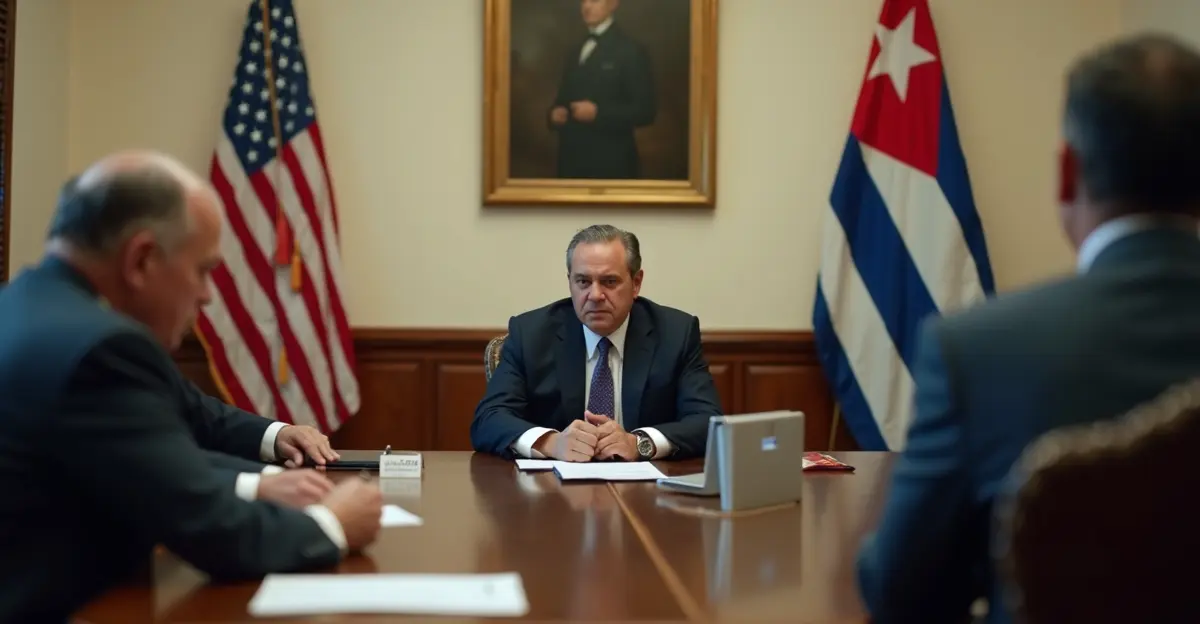
Cuba's National Assembly of People's Power has unanimously approved the most ambitious economic reforms since the 1959 revolution, marking a historic shift toward a market economy. The package of 175 reforms, proposed by Prime Minister Manuel Marrero and backed by former President Raúl Castro, aims to rescue the island's collapsing state-run economy under the pressure of intensified US sanctions and an ongoing oil blockade. The measures include privatization of state enterprises, real estate development, and opening the banking sector to private banks.
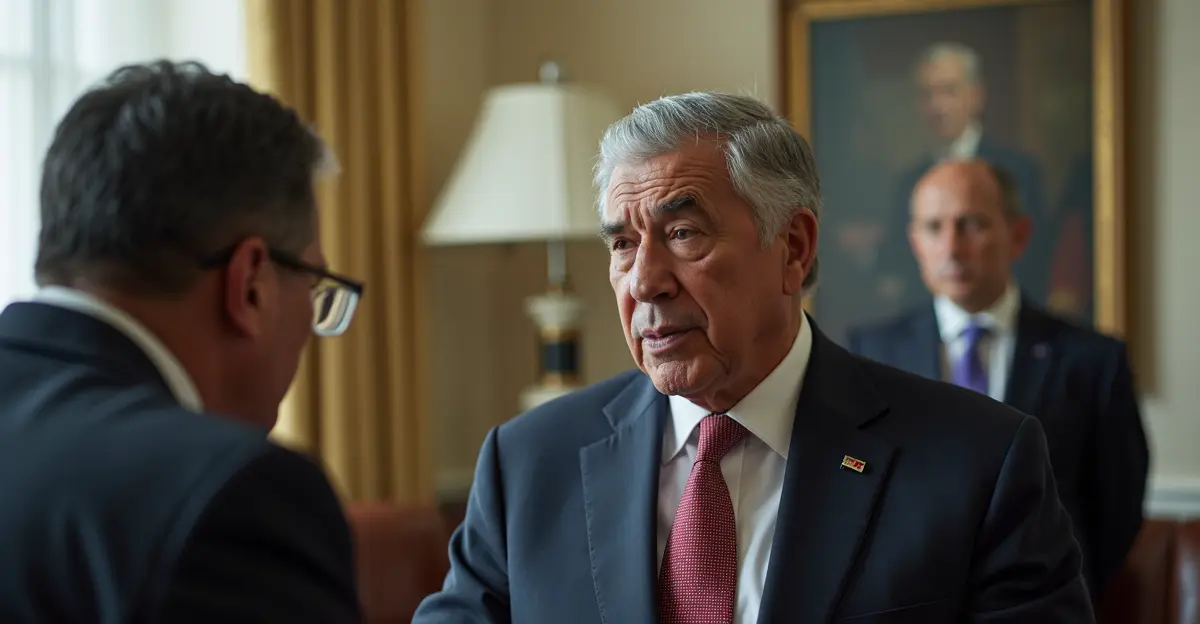
These Cuba economic reforms 2026 represent the most significant departure from the socialist model since Fidel Castro came to power. The reforms are designed to address a deep economic crisis characterized by fuel shortages, rolling blackouts, soaring inflation, and a collapse in tourism. President Miguel Díaz-Canel insisted the changes do not mean abandoning socialism, stating: 'We are not renouncing socialism. What we are debating is how to continue the process of socialist construction that has suffered under the longest blockade in history, imposed by the world's greatest power.'
Key Changes in the Reform Package
The reforms touch virtually every sector of the Cuban economy. Below are the most transformative measures:
Privatization of State Enterprises
State-owned companies will be converted into private commercial enterprises with shares. This allows for private ownership in sectors previously dominated by the state, including manufacturing, services, and agriculture. Businesses can now hire more than 100 employees, and entrepreneurs can hold multiple private businesses. The 2026 Cuban economic crisis has accelerated the need for such drastic restructuring.
Private Banking and Finance
For the first time since the revolution, private banks will be allowed to operate in Cuba's financial sector. This opens the door for foreign investment and credit markets that have been virtually non-existent under the state monopoly. The move is expected to ease the severe liquidity crunch affecting businesses and households.
Real Estate Development and Property Sales
Private real estate development is now permitted, and the government can sell state properties to national and foreign organizations and individuals, including Cubans living abroad. This could unlock significant investment in housing and tourism infrastructure. The reforms also allow the sale of state land for commercial development.
Why Now? The 2026 Crisis Context
Cuba is facing its worst economic crisis in decades. The US, under President Donald Trump, has dramatically tightened sanctions throughout 2025 and 2026, including an oil blockade that has cut off fuel supplies. A Wikipedia article on the 2026 Cuban crisis notes that the crisis began in January 2026 with an oil shortage and economic collapse. The US threatened to sanction any country exporting oil to Cuba, and food and medicine supplies dropped by 60-70%.
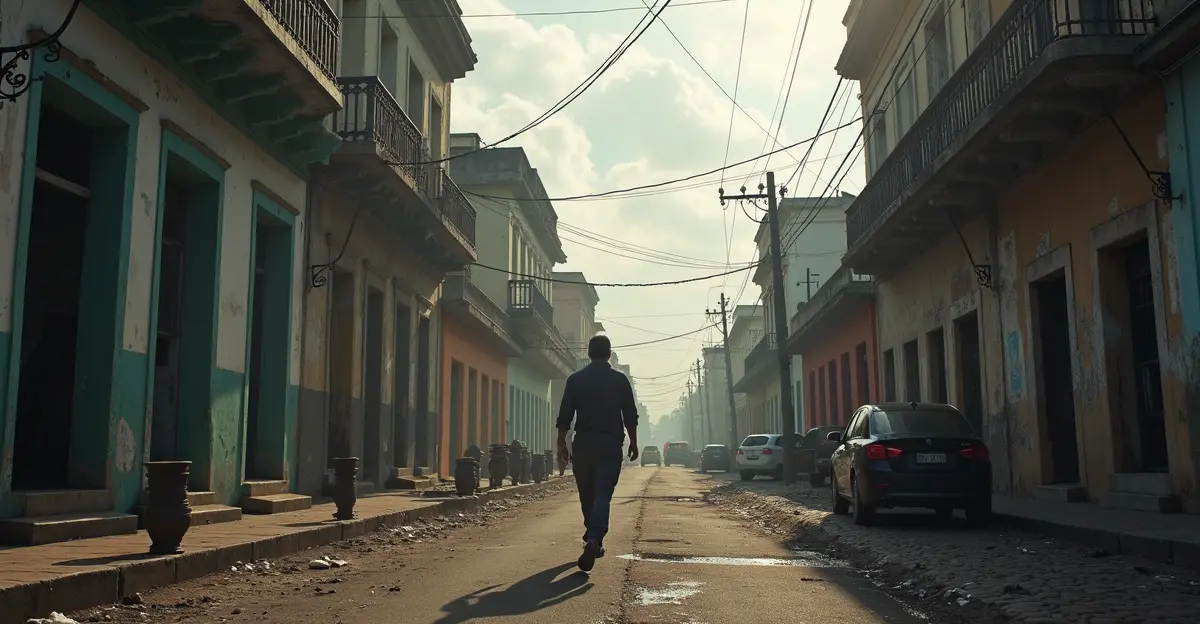
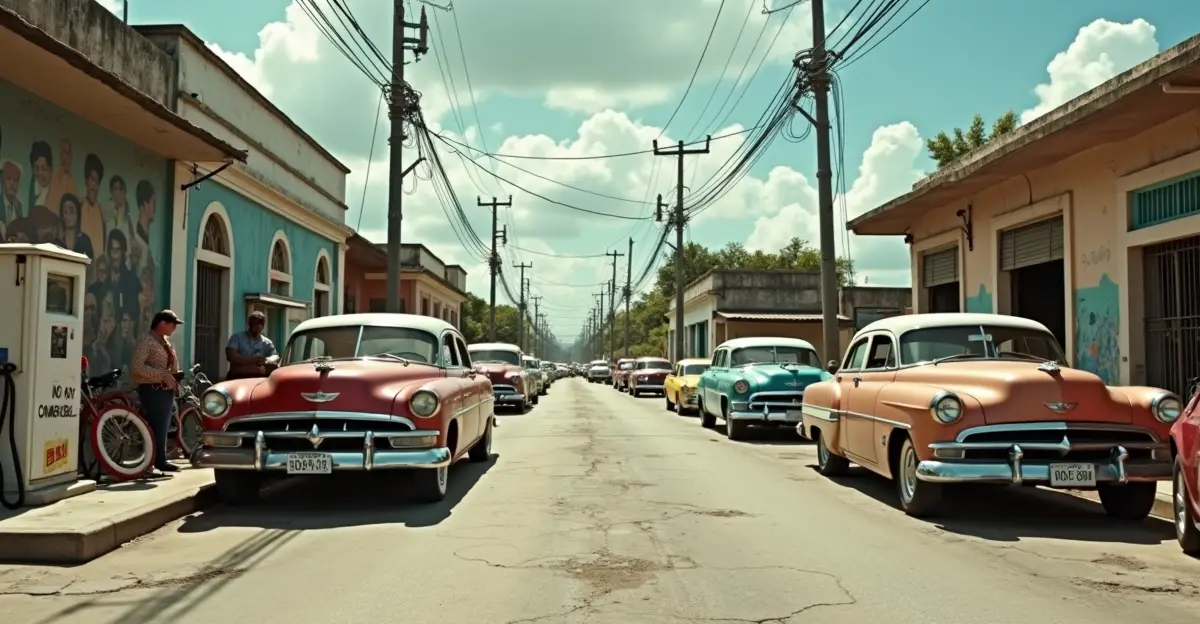
The country has experienced daily blackouts, fuel queues stretching for kilometers, and a 90% poverty rate according to UN estimates. Tourism, once a vital source of foreign currency, has collapsed. The reforms are a direct response to these pressures. As South America expert Edwin Koopman explained: 'The Cuban leadership is forced into this by the economic situation. The population is suffering, everything has come to a standstill. They are also afraid of protests — previous uprisings in Cuba always came during the hottest months.'
International Reactions and Implications
The United Nations has been critical of the US sanctions, stating they hurt the most vulnerable and endanger lives. The reforms have been cautiously welcomed by international observers, though many question whether the government will genuinely implement market mechanisms while maintaining political control. The impact of US sanctions on Cuba has been devastating, but the reforms signal a potential thaw in economic policy.
China, Russia, Mexico, Brazil, Spain, and Nicaragua have supported Cuba during the crisis, while the US is backed by Cuban opposition groups, Argentina, Chile (from March 2026), and El Salvador. The geopolitical dimension adds complexity to Cuba's reform path.
Will Cuba Become a Free Market Economy?
Not entirely. President Díaz-Canel emphasized that the state will retain a controlling hand in strategic sectors. The reforms are explicitly framed as a way to 'save socialism' rather than replace it. Koopman noted: 'Cuba is not becoming a free market. The president says they are doing this to safeguard socialism, and you know in advance that it won't be total freedom of enterprise.'
The future of Cuba's socialist model remains uncertain. Implementation timelines are unclear, and bureaucratic resistance is likely. However, the unanimous approval by the Assembly, including support from Raúl Castro, suggests a strong political will to change course.
Frequently Asked Questions
What are the main economic reforms in Cuba in 2026?
The reforms include privatization of state enterprises, allowing private banks, permitting private real estate development, and enabling the sale of state properties to foreign and domestic buyers. These are the most significant changes since the 1959 revolution.
Why is Cuba implementing these reforms now?
Cuba faces a severe economic crisis driven by US sanctions, an oil blockade, fuel shortages, blackouts, inflation, and a tourism collapse. The reforms aim to prevent total economic collapse and address humanitarian needs.
Is Cuba abandoning socialism?
President Díaz-Canel insists Cuba is not renouncing socialism. The reforms are presented as a way to preserve the socialist model by introducing market mechanisms to rescue the economy.
How will the reforms affect ordinary Cubans?
If successful, the reforms could ease shortages, create jobs, attract investment, and improve living standards. However, there are risks of increased inequality and loss of state subsidies.
What role did Raúl Castro play in the reforms?
Former President Raúl Castro publicly supported the reforms, which was crucial for their unanimous approval. His backing signals a consensus within the Communist Party leadership.


Follow Discussion