


 Deutsch
 English
 Español
 Français
 Nederlands
 Português


 Share
Share




US Secretary of State Marco Rubio Declares Cuba a 'National Security Risk'
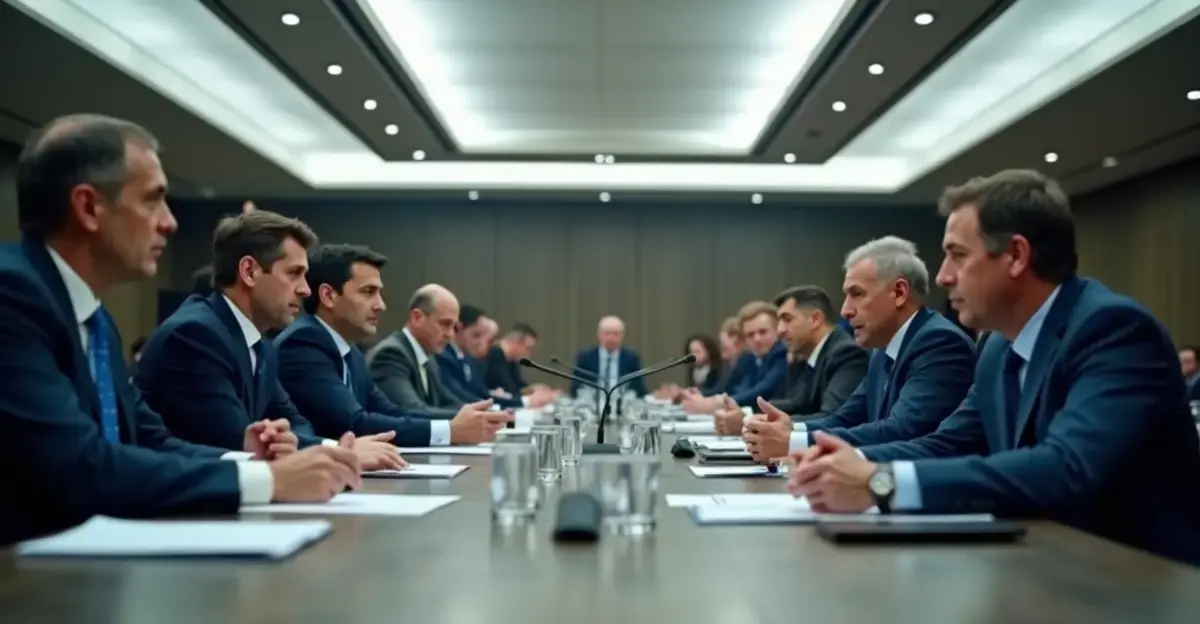
US Secretary of State Marco Rubio has officially designated Cuba a 'national security risk' for the United States, leaving the door open to potential military intervention. Speaking on May 22, 2026, Rubio cited the communist regime's ties to 'enemies of the US' and its status as 'one of the leading state sponsors of terrorism in the region.' The remarks mark a sharp escalation in rhetoric from the Trump administration, which has increasingly tightened sanctions and pressured the island nation since taking office.
Rubio, the son of Cuban immigrants and a longtime hardliner against the Castro regime, expressed deep skepticism about the possibility of a diplomatic resolution. 'The chance of a peaceful, negotiated agreement with the current Cuban government is not high,' he told reporters. When asked whether the US would consider using force to change the political system in Cuba, Rubio stated that President Trump 'always has the ability to do whatever is necessary to support and protect the national interest,' though he emphasized that diplomacy 'remains the preferred option.'
The announcement follows a week of heightened tensions, including the unsealing of a federal indictment charging former Cuban President Raúl Castro with murder and conspiracy for ordering the 1996 downing of two civilian aircraft operated by the Miami-based exile group Brothers to the Rescue. Four people, including three US citizens, were killed in the attack. The indictment, announced in Miami at the Freedom Tower, charges Castro with conspiracy to kill US nationals, destruction of aircraft, and four counts of murder. Acting Attorney General Todd Blanche said the murder charges carry a maximum penalty of death or life imprisonment.
Background: A History of Confrontation
The US-Cuba relationship has been fraught with tension since the 1959 Cuban Revolution. The US imposed a comprehensive trade embargo in 1960 and severed diplomatic ties in 1961 after the failed Bay of Pigs invasion. Relations briefly thawed under President Barack Obama and Raúl Castro between 2015 and 2017, but deteriorated sharply under the first Trump administration. The US has designated Cuba a state sponsor of terrorism three times: from 1982 to 2015, from 2021 to 2025, and again from 2025 onward.
The current crisis was triggered in January 2026 when the US intervened in Venezuela, capturing President Nicolás Maduro and cutting off the approximately 70,000 barrels of oil per day that Venezuela had been supplying to Cuba. The US then tightened its oil embargo, threatening to sanction any country exporting oil to Cuba. The 2026 Cuban crisis has since deepened, with widespread blackouts, fuel shortages, and a collapse in tourism—a key source of foreign revenue.
Trump's Threats and Military Posturing
President Trump has also weighed in, telling reporters at the White House that US presidents have considered 'doing something about Cuba' for decades. 'Other presidents have looked at it for 50, 60 years to do something about it, but it seems I will be the one to do it,' Trump said, describing Cuba as a 'failed state.'
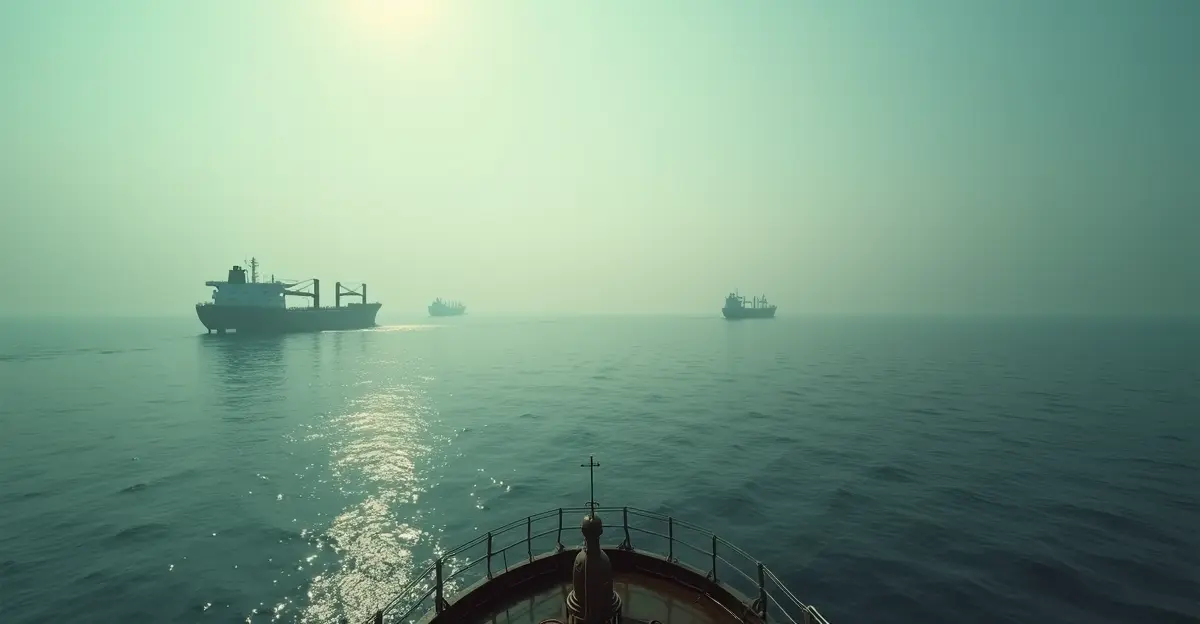
Reports indicate that the USS Nimitz aircraft carrier has arrived in the Caribbean Sea for maritime exercises, further signaling US military readiness. The US military buildup in the Caribbean has drawn condemnation from Havana and its allies.
Cuba's Response
Cuban Foreign Minister Bruno Rodríguez accused Rubio of lying and described the US stance as a 'relentless and systematic attack' on Cuba. 'Cuba has never posed a threat to the United States,' Rodríguez said. Current Cuban President Miguel Díaz-Canel condemned the indictment of Raúl Castro as a political stunt designed to 'justify the folly of a military aggression against Cuba.' He vowed that Cuba would resist external aggression while also holding talks with US officials.
Economic Crisis Deepens
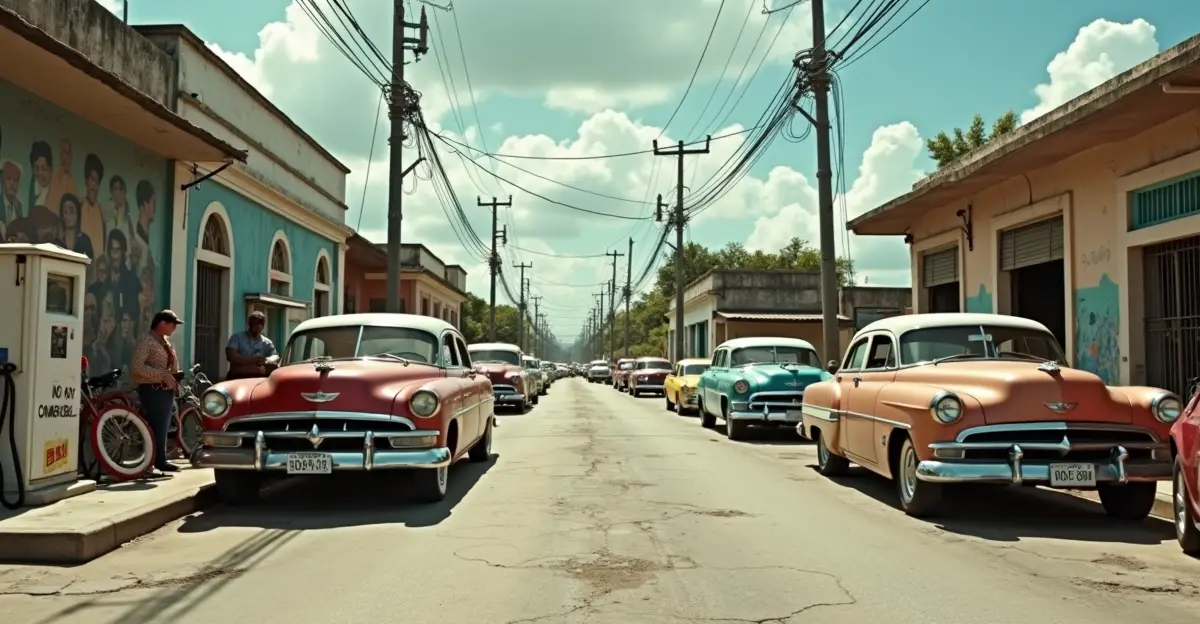
Cuba is facing its worst economic crisis in decades. The country suffers from acute shortages of food, medicine, and fuel, with power outages lasting for days at a time. The US oil blockade has virtually halted fuel deliveries to the island. A Russian oil tanker carrying 100,000 tonnes of crude oil arrived in Cuba on March 30, 2026, to alleviate shortages, but the relief has been temporary.
The US has also imposed new sanctions targeting Grupo de Administracion Empresarial S.A. (GAESA), a military-controlled enterprise that controls an estimated 40% of Cuba's economy. According to the State Department, GAESA's revenues are likely more than three times the state's budget, with up to $20 billion in illicit assets funneled to overseas accounts while the Cuban people suffer.
International Reactions and Travel Advisory
The Netherlands has updated its travel advisory for Cuba from yellow to orange, advising citizens to make only essential trips to the country, such as for funerals or urgent work-related matters. The Dutch Ministry of Foreign Affairs cited a rapidly deteriorating security situation due to shortages of fuel, food, and medicine, as well as prolonged power outages and limited transport options. Protests can erupt unexpectedly, and authorities respond harshly.
International allies remain divided. Argentina and Cuban opposition groups support the US stance, while China, Russia, Mexico, Brazil, Spain, and Nicaragua back Cuba. The geopolitical alignment in Latin America is shifting as the crisis unfolds.
What's Next?
With Rubio casting doubt on diplomacy and Trump hinting at military action, the situation remains volatile. The US has not ruled out any options, and the indictment of Raúl Castro adds a legal dimension to the confrontation. While extradition of the 94-year-old former leader is unlikely—Cuba does not extradite to the US—the charges serve as a powerful political tool. The coming weeks will be critical in determining whether the US-Cuba standoff escalates into open conflict or finds a diplomatic off-ramp.
Frequently Asked Questions
Why did the US label Cuba a national security risk?
Secretary of State Marco Rubio stated that Cuba's ties to 'enemies of the US' and its designation as a state sponsor of terrorism make it a national security risk. He left open the possibility of military action.
What is the Raúl Castro indictment about?
Raúl Castro has been charged with murder and conspiracy for ordering the 1996 downing of two civilian planes from the exile group Brothers to the Rescue, killing four people including three US citizens.
How severe is Cuba's economic crisis?
Cuba faces acute shortages of food, medicine, and fuel, with frequent blackouts. The US oil blockade has worsened the crisis, and the tourism sector has collapsed.
Is it safe to travel to Cuba?
The Netherlands has issued an orange travel advisory, recommending only essential travel. Other countries may update their advisories as the situation evolves.
Could the US invade Cuba?
Rubio and Trump have not ruled out military action, but both emphasize that diplomacy remains the preferred path. The USS Nimitz is in the Caribbean for exercises, signaling readiness.



Follow Discussion