


 Deutsch
 English
 Español
 Français
 Nederlands
 Português


 Share
Share




By early June 2026, the Strait of Hormuz is gradually reopening under a fragile ceasefire, but the economic shockwaves from its nearly four-month closure are still reverberating. The 2026 Strait of Hormuz shock removed nearly 20% of global oil supplies from the market, a disruption three to five times larger than the 1973 oil crisis, and cut global GDP growth by as much as 2.9 percentage points in a single quarter. This is the moment to assess the full strategic and economic fallout before the analytical window closes.
What Triggered the 2026 Strait of Hormuz Crisis?
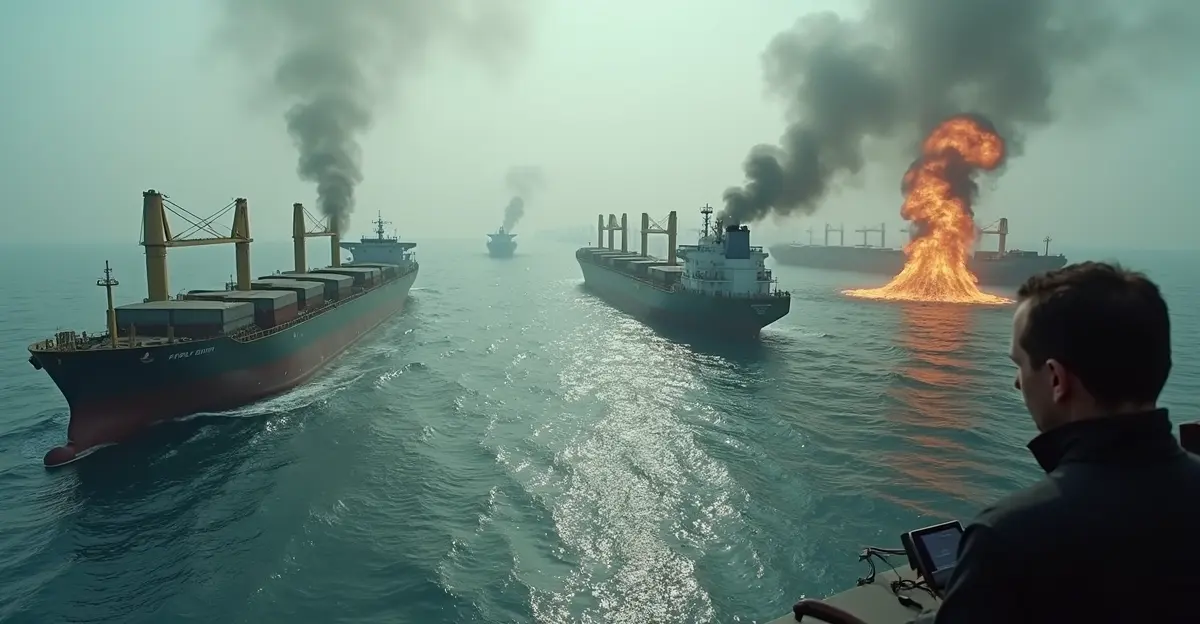
On 28 February 2026, joint US-Israeli air strikes on Iran triggered a regional war. Iran's Revolutionary Guard Corps responded by mining the strait, boarding and attacking merchant ships, and effectively blockading the waterway. Tanker traffic fell to near zero; by late April, about 20,000 mariners and 2,000 ships were stranded, and transits collapsed by 95%. The crisis transformed a familiar geopolitical risk into a live experiment on maritime chokepoint security and the fragility of global trade, as documented in the 2026 Strait of Hormuz crisis timeline.
The Oil Shock in Numbers
Supply Losses and Price Spikes
Before the war, roughly 25% of seaborne oil and 20% of LNG passed through the strait. When it closed, about 14 million barrels per day of Gulf output was shut in, and the International Energy Agency recorded cumulative supply losses above 1 billion barrels — the largest disruption in market history. Brent crude jumped from $72 a barrel before the crisis to near $120 within days, peaking around $126 by mid-May. The Dallas Fed estimates the closure removed nearly 20% of global oil supplies, three to five times larger than the 1973, 1979, and 1990 shocks.
Shipping Collapse and Rerouting
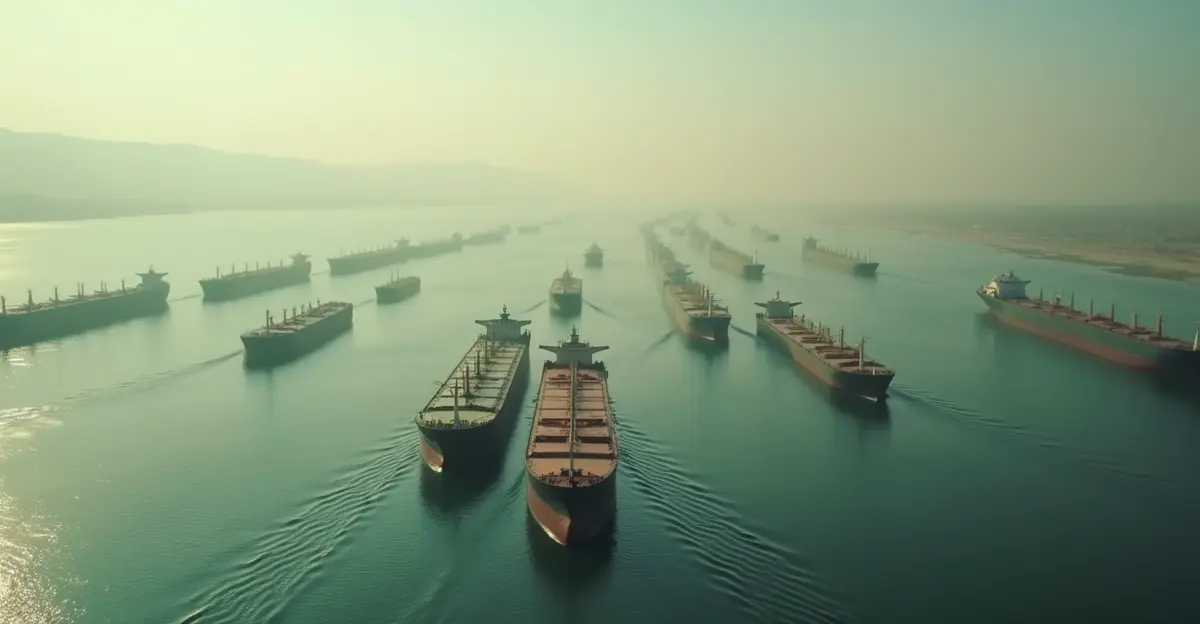
Ship transits collapsed by 95%, forcing carriers to suspend Gulf routes and reroute vessels via the Cape of Good Hope, adding roughly 3,500 nautical miles. Insurance premiums soared, tanker delays multiplied, and port congestion spread from Fujairah to Rotterdam. The disruption reached beyond oil: automotive, electronics, chemicals, aviation, and pharmaceutical supply chains all faced delays, exposing how deeply modern logistics depend on global oil supply chains. A detailed breakdown is available from the Indian Institute of Logistics.
Cascading Impacts: Energy, Food, and Debt
Inflation reignited worldwide. US CPI reached 3.8% year-on-year in April, the highest since May 2023, while the 30-year Treasury yield closed at 5.12% and Federal Reserve rate-cut odds collapsed. The ECB flagged a possible rate hike despite Eurozone growth of just 0.1%, and the IMF cut its 2026 global growth forecast to 3% from 3.3%. Food systems were hit as fertilizer and helium markets tightened, and developing countries faced a dangerous combination of higher import bills and weaker export demand, deepening developing country debt distress. For broader analysis, see the 2026 Iran oil shock assessment.
The Energy Transition Debate Accelerates
The crisis has supercharged the debate over energy security. With oil demand expected to fall by 1.6 million barrels per day in 2026, according to the IEA, and global inventories below 7.9 billion barrels, governments are racing to diversify. Strategic oil stockpiling, alternative corridors, and faster deployment of renewables have moved from policy papers to emergency agendas. Yet analysts warn that the transition cannot happen overnight, and the world remains vulnerable to the next energy chokepoint disruption. The IEA cut its 2026 oil demand forecast as high prices weighed on consumption.
Expert Perspectives
Dallas Fed researchers wrote, "A second-quarter 2026 closure would raise average WTI oil prices to $98 per barrel and cut global real GDP growth by 2.9 annualized percentage points." If the strait reopens after one quarter, prices fall to $68 and growth rebounds, but GDP stays 0.2% below pre-closure levels by year-end. Longer closures, the model warns, could push prices to $132 per barrel and prolong negative growth impacts.
FAQ: What You Need to Know About the Strait of Hormuz Shock
What is the Strait of Hormuz?
A narrow waterway between the Persian Gulf and the Gulf of Oman, through which about 25% of seaborne oil and 20% of LNG passed annually before 2026.
Why did it close in 2026?
Joint US-Israeli strikes on Iran on 28 February 2026 prompted Iran's IRGC to blockade the strait, mining waters and attacking vessels until a fragile ceasefire in June.
How much did oil prices rise?
Brent crude surged from about $72 to a peak near $126 per barrel, a rise of over 45% at its worst, before easing to under $90.
What was the impact on global growth?
The IMF cut its 2026 global growth forecast to 3% from 3.3%, and the Dallas Fed estimated a one-quarter closure could cut global GDP growth by 2.9 percentage points.
Is the strait open now?
As of June 2026, it is gradually reopening under a fragile ceasefire, but shipping remains disrupted and insurance costs are elevated.
Conclusion: The Reckoning Has Only Just Begun
As the strait reopens, the lesson is clear: a single maritime chokepoint can still rewire global trade patterns overnight. The 2026 Strait of Hormuz shock will likely accelerate both supply chain diversification and the energy transition, but the immediate priority is preventing a renewed closure. The analytical window is closing—but the strategic reckoning has only just begun.

Follow Discussion