


 English
 Nederlands
 Deutsch
 Français
 Español
 Português

Daily News Summary – 2026-09-20 – en

From political upheaval in Germany to a new AI Force announcement in the United States and a fake art stunt at the Louvre, September 20, 2026 delivered a mix of high-stakes governance and human folly. Chancellor Friedrich Merz faces a potential leadership crisis as voters in Berlin and Mecklenburg-Vorpommern deliver expected CDU losses, while President Trump unveiled an AI Force to accelerate artificial intelligence. A Dutch diver died in Austria, and two Germans were arrested for a Louvre prank. Global energy chokepoints are reshaping trade, AI data centers strain power grids, 24 nations roll out CBDCs, and the UN issued a four-pillar AI governance ultimatum.
Top Stories
Merz Faces Leadership Crisis as CDU Braces for Election Losses

Voters in Berlin and Mecklenburg-Vorpommern went to the polls on September 20 with Chancellor Friedrich Merz’s CDU facing potentially disastrous defeats, following the far-right AfD’s landslide in Saxony-Anhalt. The outcome could trigger a leadership crisis, with the CDU executive board meeting in Berlin at 5 p.m. to decide Merz’s fate.
Trump Announces 'AI Force' to Accelerate Artificial Intelligence
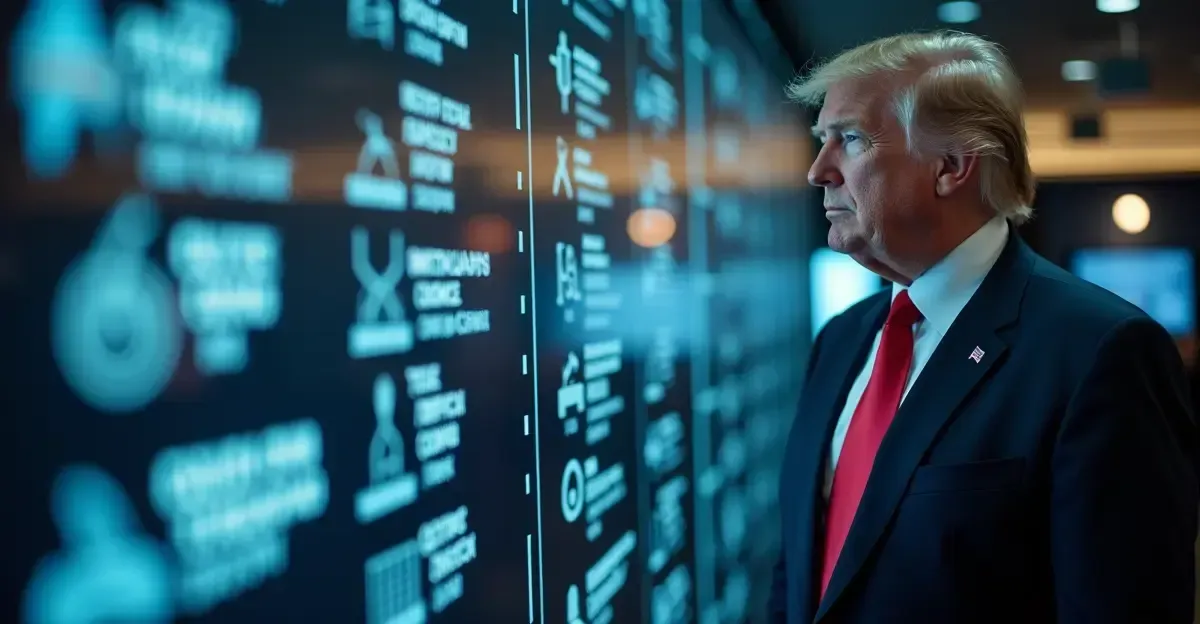
President Trump announced a new federal 'AI Force' modeled on the Space Force to accelerate artificial intelligence development while relying on existing criminal and civil law to address risks. The move follows resignation of an Anthropic safety researcher who warned AI could endanger humanity by 2030, and comes days before Trump’s meeting with China’s Xi Jinping.
Two Germans Arrested for Louvre Fake Art Stunt in Mona Lisa Hall

Two German men were arrested on September 19 after taping two small paintings to a wall in the Louvre’s Mona Lisa hall, causing minor damage. The pair told police they acted 'for fun'; the Mona Lisa was undamaged behind protective glass.
Dutch Diver Dies After Rapid Ascent in Lake Attersee

A 57-year-old Dutch diver died at Lake Attersee on September 18 after panicking at 80 meters and making a rapid emergency ascent, likely causing decompression sickness. The experienced diver was attempting a 100-meter technical dive when he lost consciousness and was pronounced dead on shore.
Energy Chokepoints Become Strategic Weapons Amid Hormuz Disruption
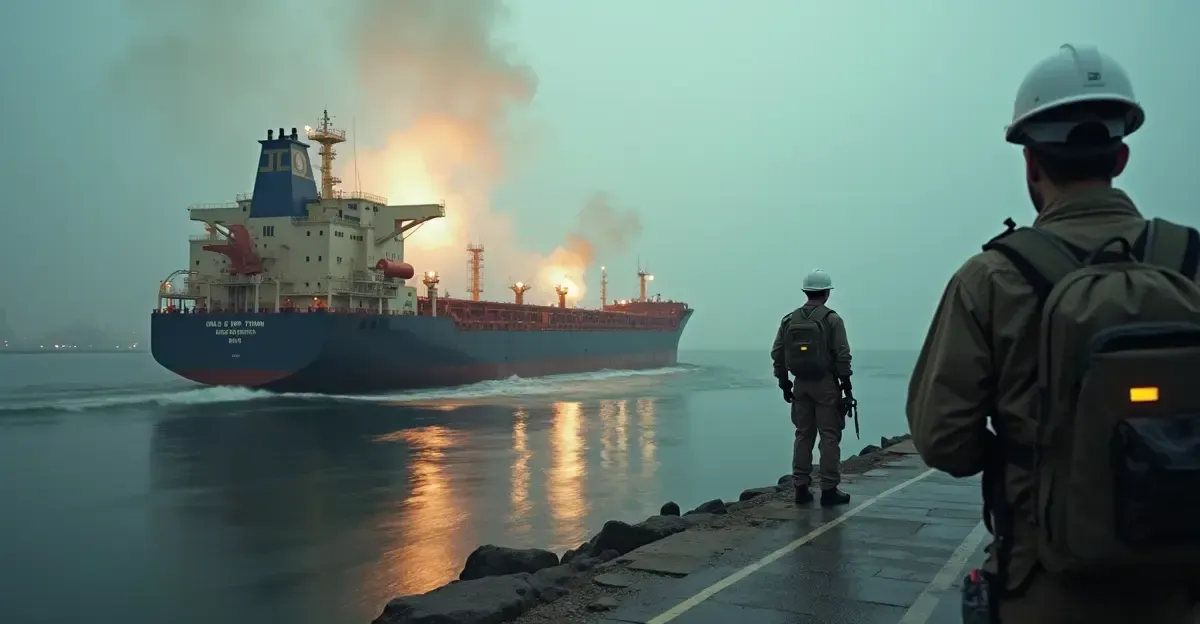
The World Economic Forum’s 2026 Global Risks Report elevated geoeconomic confrontation to the top global risk, just as the Strait of Hormuz disruption halted about 20% of global oil and LNG flows, pushing Brent crude above $115. Asian importers face the greatest exposure, accelerating a structural shift from efficiency to resilience in energy supply chains.
Also Notable
Energy
AI Data Centers Collide with Power Grids as Demand Surges

AI data centers are colliding with power grids: global electricity consumption rose 15% in 2025 to roughly 500 TWh and is projected to nearly double by 2030. Hyperscalers are turning to natural gas as grid interconnection queues stretch years, creating a conflict with climate targets.
AI
UN Issues Four-Pillar AI Governance Ultimatum in Geneva

At the UN’s first Global Dialogue on AI Governance in Geneva, Secretary-General António Guterres issued a four-pillar framework demanding common AI safety standards, a ban on autonomous weapons systems, and renewable-powered data centers by 2030. The non-binding commitments face resistance from major powers and could impose reporting costs on private AI investment.
Crypto
24 Nations to Launch Retail CBDCs by Mid-2026

By mid-2026, 24 countries accounting for 73% of global GDP are set to launch retail central bank digital currencies, led by China’s e-CNY and including the EU’s Digital Euro, Japan’s Digital Yen, and the UK’s Digital Pound. While promising faster, cheaper payments, the synchronized rollout raises risks of global payment fragmentation, privacy erosion, and bank disintermediation.
 Share this article



