


 Deutsch
 English
 Español
 Français
 Nederlands
 Português


 Share
Share




The World Economic Forum's Global Risks Report 2026 has elevated geoeconomic confrontation to the number one risk likely to trigger a global crisis, just as the Strait of Hormuz disruption halted approximately 20% of global oil and LNG flows. Brent crude surged above $115 per barrel in Q2 2026, making the weaponization of energy chokepoints the defining geoeconomic story of the year. This article examines how energy chokepoints became strategic weapons, reshaping global supply chains and accelerating a structural shift from efficiency-driven trade to resilience-driven strategy.
What Is Geoeconomic Confrontation?
Geoeconomic confrontation refers to the use of economic tools—trade restrictions, sanctions, export controls, investment screening, and control of critical infrastructure—by states to advance geopolitical goals. The WEF report, based on a survey of over 1,300 leaders and risk experts, ranks it as the most severe global risk over the next two years, ahead of misinformation, societal polarization, extreme weather, and state-based armed conflict. The global supply chain risk environment has shifted from cooperation to competition.
Strait of Hormuz: The Defining Case Study
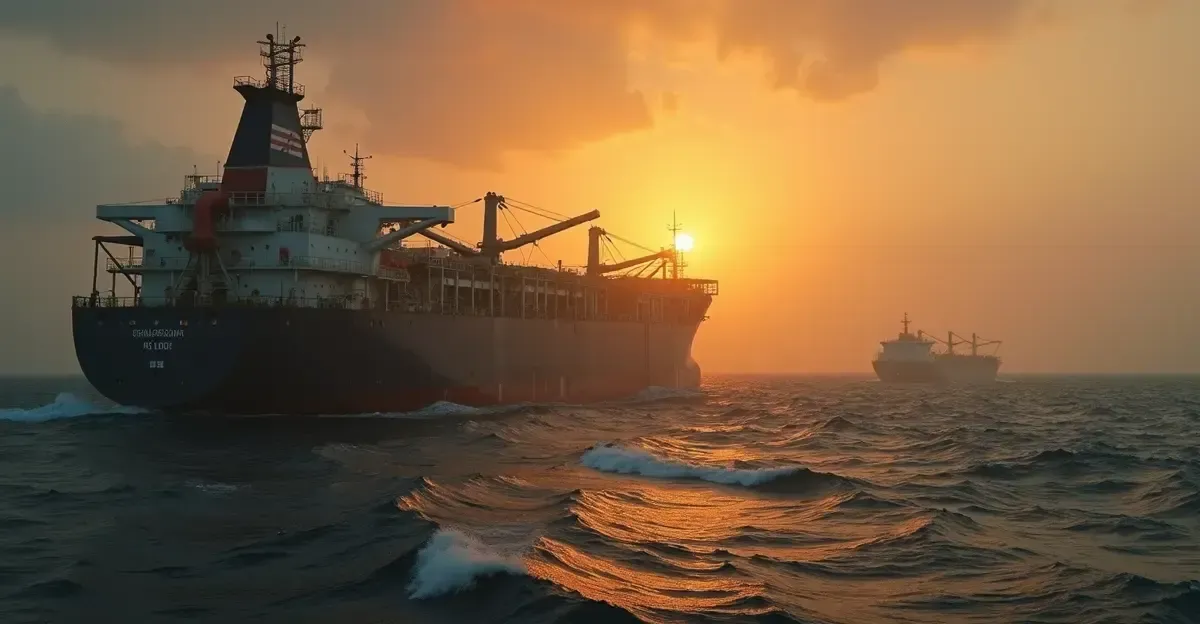
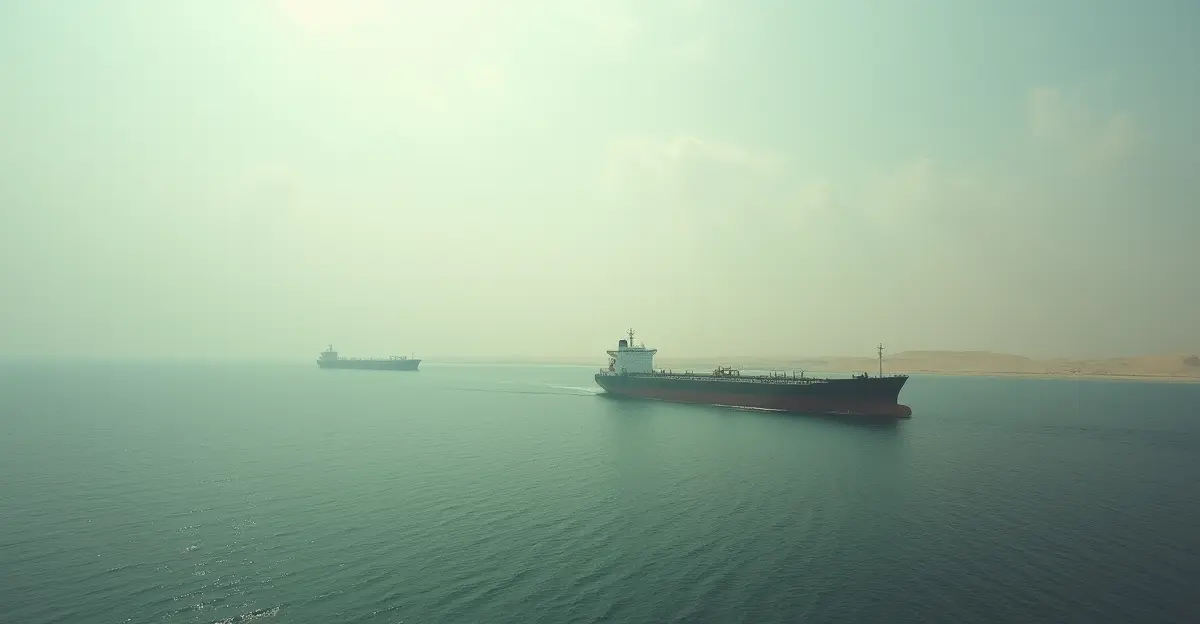
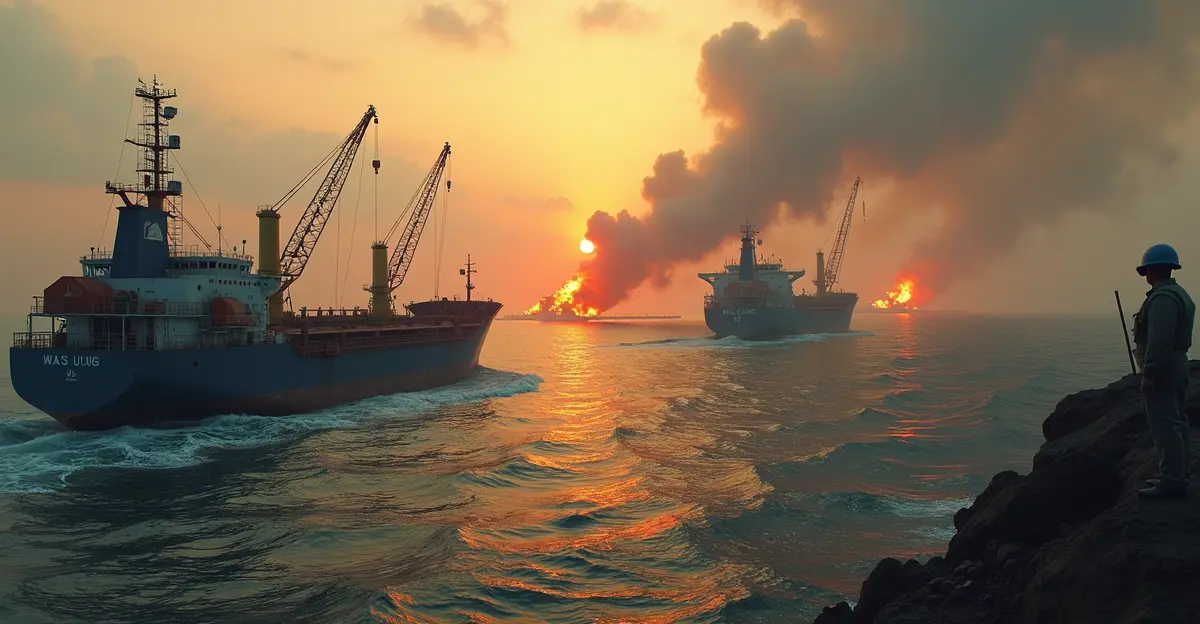
The Strait of Hormuz oil flows normally carry about 20 million barrels per day, roughly a fifth of global seaborne oil trade, plus about 20% of LNG. In late February 2026, escalating U.S.-Israeli conflict with Iran effectively closed the strait. Reuters reported that Saudi Arabia, Iraq and Kuwait cut oilfield output after 10 days without shipping left storage brimming. The IEA released a record 400 million barrels from strategic reserves, its largest-ever coordinated action. Brent hit $119 a barrel in March—its highest since 2022—before easing to $103–107 by late April, with Goldman Sachs projecting a Q2 peak of $115 if the strait remained restricted. Bypass pipelines, including Saudi Arabia's East-West Petroline and the UAE's ADCOP, offer only 4–7 million bpd of relief, leaving a structural shortage of 7–12 million bpd.
Asymmetric Exposure: Asia vs. Western Producers
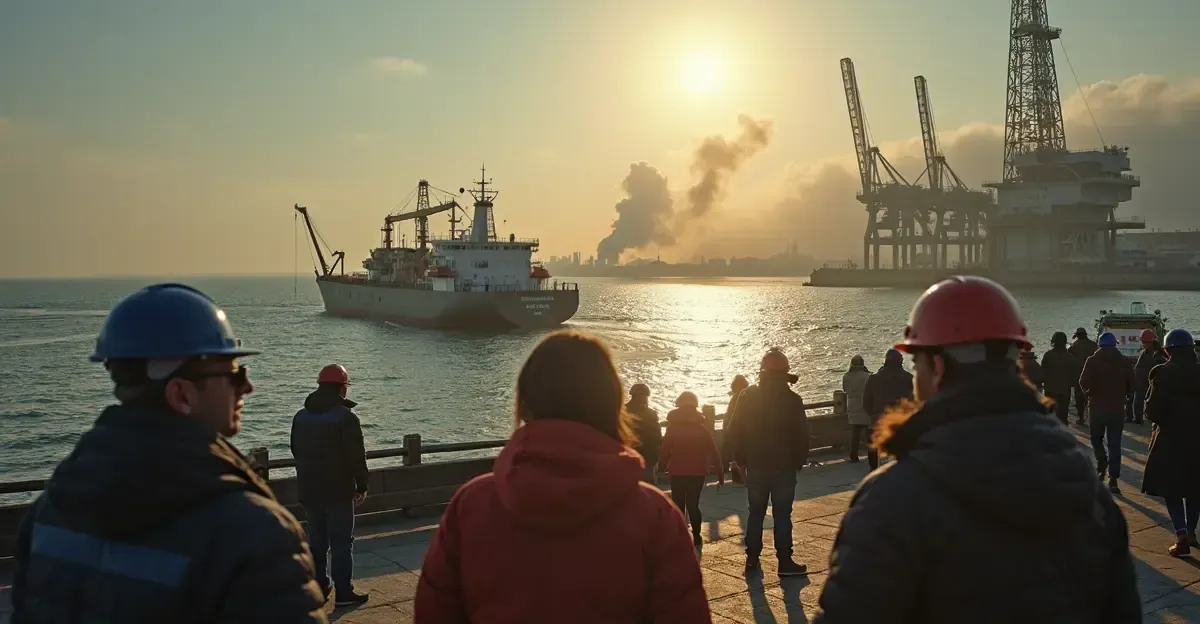
Asia bears the brunt. China receives 37.7% of Hormuz oil and India 14.7%; Qatar supplies 93% of Hormuz LNG, with 83% going to Asia. India has only 20–25 days of import cover, while Japan (254 days) and South Korea (208 days) are more resilient. China halted fuel exports, South Korea capped fuel prices for the first time in 30 years, and Bangladesh closed universities to save power. Meanwhile, Western producers—Cheniere, ExxonMobil, and Equinor—benefit from higher prices, and U.S. shale, Guyana, Brazil, and Canada add 0.5–1.0 million bpd. The crisis has accelerated energy security investments across importing nations.
From Efficiency to Resilience: Structural Shift
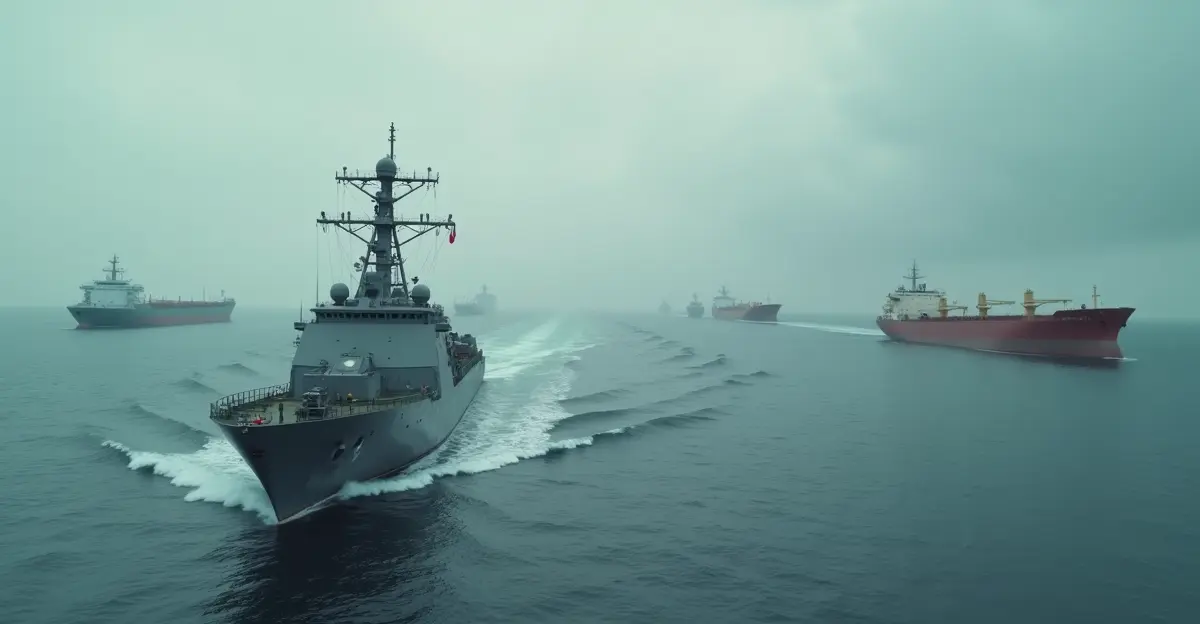
For decades, global energy trade prioritized cost efficiency and just-in-time logistics. The 2026 shock has forced a shift toward resilience. Governments and corporations are diversifying trade corridors, building strategic reserves, and investing in alternative routes and infrastructure. The clean energy transition is also accelerating as a hedge against fossil-fuel chokepoints, though it creates new dependencies—China controls over 80% of solar panel production, and the Taiwan–South Korea semiconductor bottleneck ties digital security directly to energy security. Chokepoint warfare now extends beyond oil and LNG to critical minerals, grids, and AI data centers, according to Modern Diplomacy.
Geopolitical Balance of Power Through 2027
The asymmetric exposure is reshaping alliances. The US-Iran conflict 2026 has strengthened Western energy leverage while exposing Asian importers. Europe's old east–west axis has collapsed; it now relies on Algerian, Libyan, Eastern Mediterranean, and U.S. LNG. Asia remains the center of energy demand and increasingly of clean-tech manufacturing. The WEF report notes 68% of respondents expect a more fragmented, multipolar political environment. Economic risks—downturn, inflation, asset bubbles—showed the largest short-term increases. Through 2027, the ability to secure energy and critical mineral flows will likely determine which powers set the rules of global trade.
Expert Perspectives
The WEF states: Geoeconomic confrontation ranks as the top risk likely to trigger a global crisis in 2026. Energy analysts note that the Hormuz disruption is not a transient spike but a structural break. According to a Modern Diplomacy analysis, the global energy system no longer recovers fully from crises but instead accumulates shocks, hardening into rigid structures of power. The ORF Middle East commentary adds that the securitization of energy, clean-tech and critical mineral supply chains is now irreversible.
Frequently Asked Questions
What is geoeconomic confrontation?
Geoeconomic confrontation is the use of economic instruments—sanctions, tariffs, export controls, and control of trade chokepoints—to achieve geopolitical objectives, now ranked the top global risk by the WEF for 2026.
Why did the Strait of Hormuz disruption push oil above $115?
The strait normally carries about 20% of global oil and LNG. Its effective closure removed 7–12 million barrels per day from the market, overwhelming spare capacity and triggering record reserve releases, pushing Brent to $119 before settling above $100.
Which countries are most exposed to Hormuz disruption?
Asian importers are most exposed: China takes 37.7% of Hormuz oil, India 14.7%, and Qatar sends 83% of its LNG to Asia. India has only 20–25 days of cover, while Japan and South Korea are more resilient.
How is the world shifting from efficiency to resilience in energy?
Governments and companies are diversifying trade routes, building strategic reserves, expanding bypass pipelines, and accelerating clean energy and critical mineral strategies to reduce dependence on single chokepoints.
What does this mean for geopolitical balance through 2027?
Control over energy and critical mineral flows will define influence. Western producers gain leverage, Asian importers face vulnerability, and a multipolar, fragmented order is likely, as 68% of WEF respondents expect.
Conclusion and Future Outlook
The 2026 Hormuz disruption has turned the WEF's top risk into lived reality. Energy chokepoints are now strategic weapons, and the global economy is paying the price in inflation, supply shortages, and geopolitical realignment. As the 2026 energy crisis continues, resilience—not efficiency—will define the next phase of globalization. The choices made in 2026 will echo through 2027 and beyond.
Follow Discussion