


 Deutsch
 English
 Español
 Français
 Nederlands
 Português


 Share
Share




The near-total disruption of shipping through the Strait of Hormuz in early 2026 triggered the largest oil market shock in history, with Brent crude surging 65% in March alone and global oil supply crashing by 10.1 million barrels per day. This event has exposed the structural vulnerability of energy-dependent economies—particularly in Asia—while accelerating a strategic pivot toward diversified supply routes, U.S. LNG, and accelerated renewable energy investment. The crisis also marks the emergence of chokepoint warfare as a defining feature of 2026 geoeconomic confrontation, with profound implications for global trade architecture, inflation trajectories, and the energy transition timeline.
What Happened: The 2026 Strait of Hormuz Crisis
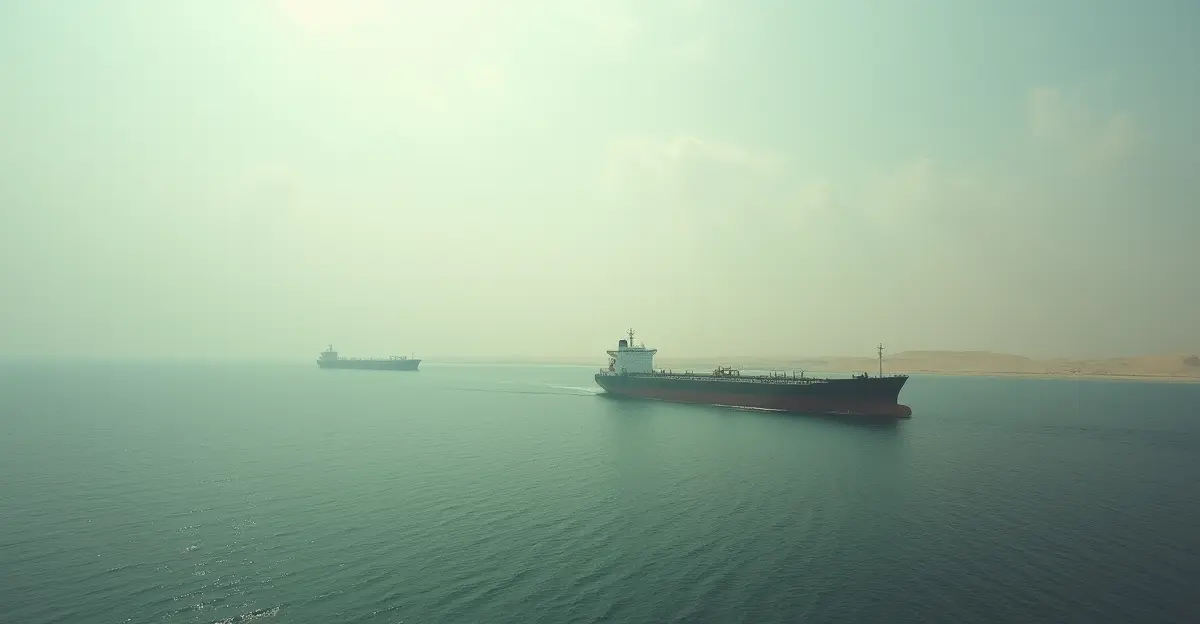
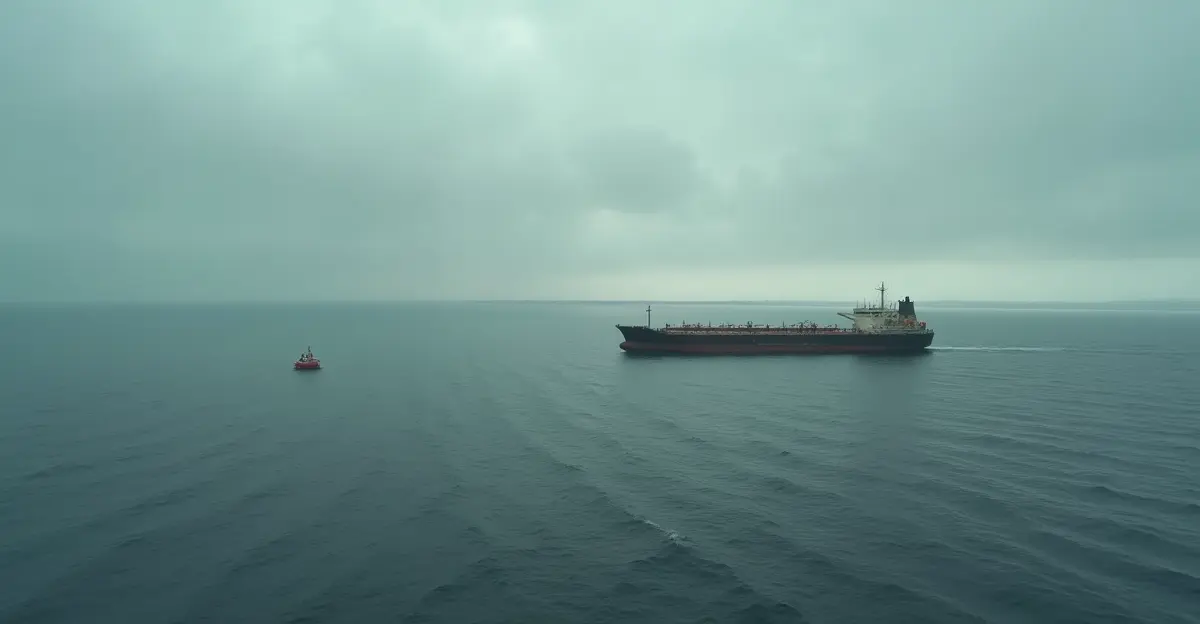
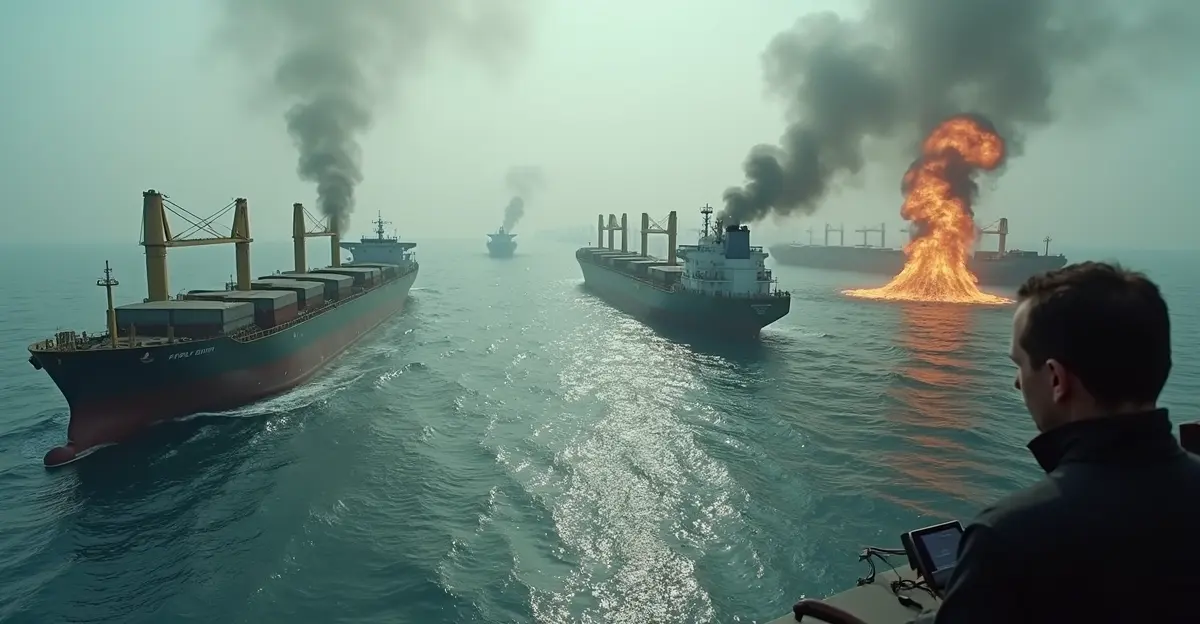
On February 28, 2026, coordinated U.S.–Israeli strikes on Iran—codenamed Operation Epic Fury—triggered a swift and devastating retaliation. Iran's Islamic Revolutionary Guard Corps (IRGC) declared the Strait of Hormuz closed to all vessels, a waterway through which approximately 20% of the world's oil and 25% of seaborne LNG flows daily. Within days, tanker traffic through the 104-mile strait collapsed by roughly 70%, and by mid-March, daily transits had fallen from 130 to just six. War-risk insurance premiums skyrocketed, making commercial passage economically prohibitive even for vessels willing to risk the journey.
Brent crude, which had traded below $73 per barrel before the crisis, surpassed $100 on March 8 and peaked at $126 per barrel later that month—the largest monthly price increase on record. The International Energy Agency (IEA) confirmed that the disruption removed roughly 20% of global LNG supply from the market, with production contracting 8% year-on-year. European gas futures rose 56%, while Asian spot LNG prices surged approximately 50% to around $21 per million British thermal units (MMBtu).
Global Supply Shock: By the Numbers
The World Bank's April 2026 Commodity Markets Outlook documented the scale of the disruption. Global oil supply crashed by 10.1 million barrels per day (mb/d) in March—the largest single-month supply loss in history, three to five times larger than the shocks of 1973, 1979, or 1990. Global oil output is projected to fall 6.9 mb/d year-on-year in Q2 2026, the steepest quarterly decline since the COVID-19 pandemic. The U.S. Energy Information Administration (EIA) reported that disrupted production averaged 10.5 mb/d in April, expected to peak at 10.8 mb/d in May.
Demand destruction is already emerging. Global oil consumption fell 0.8 mb/d in March and is forecast to drop another 1.5 mb/d in Q2. The market faces a 3.7 mb/d deficit in Q2 2026. The World Bank's baseline forecast sees Brent averaging $86 per barrel in 2026 and $70 in 2027, but upside risks could push prices to $95–$115 per barrel if hostilities re-escalate. The EIA's more pessimistic outlook projects Brent averaging $106 per barrel in May–June before declining to $89 by Q4 2026.
Asia Bears the Brunt
The crisis has hit Asian economies hardest. China, India, Japan, and South Korea together account for 69% of all crude flows transiting the Strait of Hormuz. Japan relies on the Middle East for 95% of its oil imports, South Korea for 68%, and India for approximately 50% of its crude imports via the strait. China holds substantial strategic stockpiles providing short-term cover, but 30% of its LNG and 40% of its oil imports pass through the chokepoint.
The LNG market disruption has been particularly severe. Unlike oil, LNG requires specialized cryogenic vessels, making rerouting around the Cape of Good Hope—adding 20–30 days of transit time—economically unviable for many cargoes. Qatar, the UAE, and Oman, which account for 35–40% of global LNG liquefaction capacity, saw exports collapse. Wood Mackenzie reported that the closure removed 1.5 million tonnes of LNG per week (19% of global exports) from supply. Taiwan is most vulnerable, with Qatar and the UAE supplying 35% of its LNG imports in 2025. South Korea faces over 20% spot LNG exposure, while Japan is comparatively better positioned due to limited Qatari reliance and nuclear restarts.
Across South and Southeast Asia, the pain is acute. Pakistan and Bangladesh depend on Gulf nations for 99% and 72% of their LNG imports, respectively, with limited storage capacity. Thailand, with net oil imports at 4.7% of GDP, faces severe cost inflation. The Asian energy security dilemma has prompted emergency measures, including increased coal utilization, oil-to-gas switching, and nuclear restart programs.
Chokepoint Warfare: A New Geoeconomic Reality
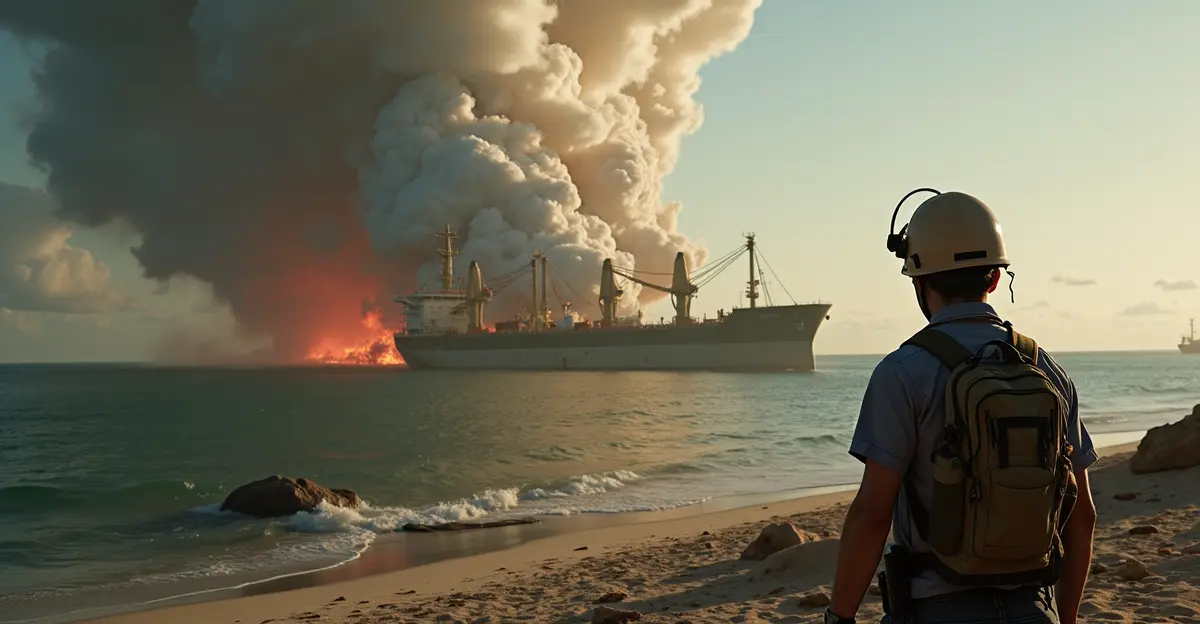
The World Economic Forum's Global Risks Report 2026 identified geoeconomic confrontation as the top short-term global risk, climbing eight positions year-on-year. The Strait of Hormuz crisis has validated this assessment, demonstrating how a single maritime chokepoint can be weaponized to inflict systemic economic damage. Unlike previous Middle East conflicts, the 2026 crisis involves an existential defensive posture from Iran, with tanker attacks and infrastructure strikes now considered live risks rather than theoretical scenarios.
The crisis has triggered cascading effects across global supply chains. Freight rates on alternative routes soared by up to 900%, ports faced congestion as vessels rerouted, and the fertilizer market—through which 34% of globally traded urea and 23% of ammonia passes—faced severe disruption. The World Bank projects a 31% surge in fertilizer prices, potentially affecting 45 million additional people with food insecurity.
The global trade architecture is being fundamentally reshaped. Shipping lanes have become active battlegrounds in 2026's geo-economic warfare, with the Houthi attacks forcing Suez Canal reroutes, China militarizing South China Sea reefs, and joint Russia-China-Iran naval drills signaling a coordinated axis challenging Western maritime dominance.
Accelerating the Energy Transition
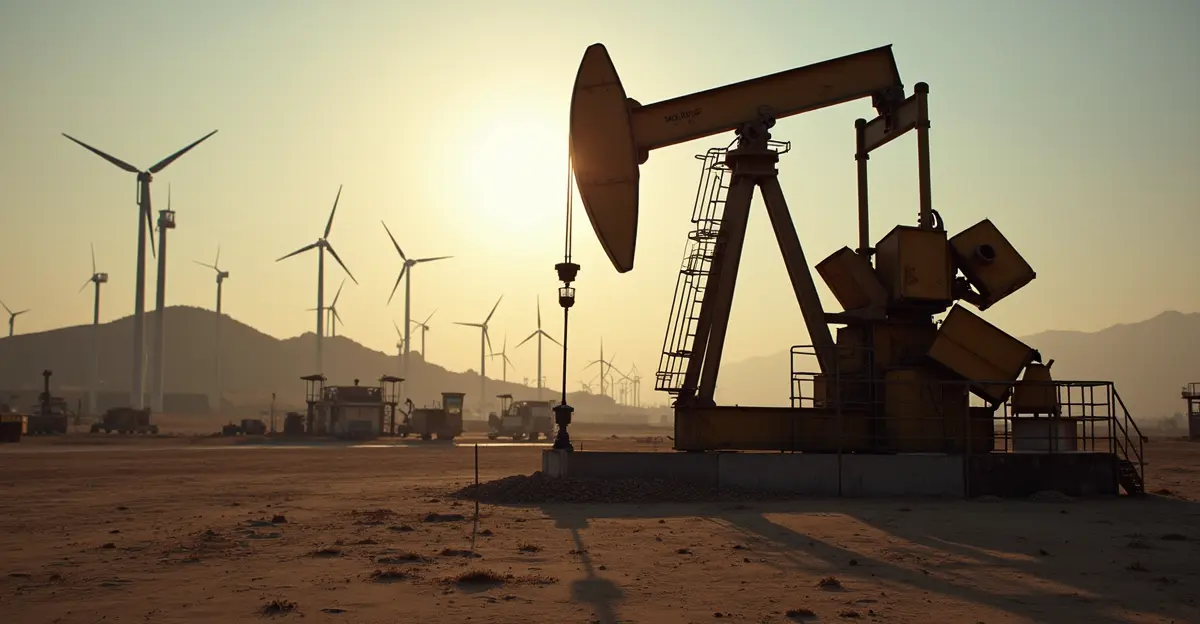
Paradoxically, the crisis may accelerate the energy transition. The Energy Transitions Commission argues that emergency responses should protect vulnerable groups without locking in long-term fossil fuel dependence. Expanding fossil fuel infrastructure may seem to bolster security, but it risks reinforcing exposure to volatile global fuel markets. Instead, the report recommends accelerating renewables, electrification, cleaner fuels, and energy efficiency as a more durable crisis response.
According to March 2026 McKinsey data, 72% of executives now cite geopolitical instability as the top economic risk, up from 45% in 2025. The IEA warns that the world faces the biggest energy security crisis in modern history, underscoring the urgency of diversifying energy sources. U.S. LNG exports have emerged as a critical alternative supply source, with Asian importers scrambling to secure long-term contracts. However, analysts caution that alternative supply sources cannot fully replace Qatari volumes in the short term, making demand destruction—through increased coal utilization and reduced industrial consumption—an inevitable near-term consequence.
The renewable energy investment boom is already visible. Several Asian economies have announced accelerated timelines for solar, wind, and battery storage deployment. Japan has fast-tracked nuclear restarts, while India has expanded its renewable energy targets. Europe has responded with increased renewable generation and a 4% demand drop, demonstrating that demand-side measures can provide immediate relief.
IMF and World Bank Scenarios
The IMF's April 2026 World Economic Outlook cut global growth forecasts to 3.1% for 2026, down from 3.3%, citing the conflict and blockade. Under a severe scenario with prolonged closure, global growth could fall to 2.0%, with oil at $125 per barrel and inflation above 6%. The IMF warned that countries closest to the conflict and commodity-importing low-income nations will be hit hardest. Global inflation is expected to rise to 4.4% in 2026.
The World Bank analyzed three scenarios: a Quick Peace (baseline, assuming disruptions ease by May), a Summer Settlement (protracted but contained), and an Extended Disruption (worst case, potentially pushing oil toward $200 per barrel and triggering a global recession). The baseline forecast sees Brent averaging $86 per barrel in 2026, but the range of outcomes is exceptionally wide, reflecting unprecedented uncertainty.
FAQ
What caused the Strait of Hormuz crisis in 2026?
The crisis began on February 28, 2026, when the U.S. and Israel launched coordinated airstrikes against Iran (Operation Epic Fury). In retaliation, Iran's Revolutionary Guard blocked the Strait of Hormuz, attacked merchant ships, laid sea mines, and issued warnings forbidding passage, effectively closing the waterway to commercial traffic.
How much did oil prices rise during the crisis?
Brent crude surged 65% in March 2026 alone—the largest monthly increase on record—from under $73 per barrel pre-crisis to a peak of $126 per barrel. Prices remained above $100 for several weeks.
Which countries were most affected by the Hormuz disruption?
Asian economies bore the heaviest burden. Japan (95% Middle East oil dependence), South Korea (68% via Hormuz), India (50% of crude imports via the strait), and China (40% of oil imports through the chokepoint) faced severe energy supply disruptions. Pakistan, Bangladesh, and Taiwan were also critically exposed, particularly for LNG imports.
How did the crisis affect global LNG markets?
The disruption removed approximately 20% of global LNG supply from the market. Asian spot LNG prices surged ~50% to ~$21/MMBtu, European benchmarks rose ~30% to ~$18/MMBtu. Unlike oil, LNG rerouting is economically challenging due to specialized cryogenic vessels and longer transit times around the Cape of Good Hope.
What are the long-term implications for energy security?
The crisis is accelerating a strategic pivot toward diversified supply routes, increased U.S. LNG exports, and accelerated renewable energy investment. The Energy Transitions Commission recommends that emergency responses avoid locking in fossil fuel dependence and instead focus on renewables, electrification, and energy efficiency as more durable solutions to energy security.
Conclusion: A Watershed Moment
The 2026 Strait of Hormuz crisis represents a watershed moment for global energy security. It has demonstrated the extreme vulnerability of energy-dependent economies to chokepoint disruption, triggered the largest oil supply shock in history, and accelerated the strategic pivot toward energy diversification and renewable investment. As the geoeconomic confrontation deepens, the crisis may be remembered as the moment when the world finally began to take energy security seriously—not as a theoretical risk, but as a present and urgent reality. The path forward will require unprecedented international cooperation, massive investment in alternative energy infrastructure, and a fundamental rethinking of the global trade architecture that has relied on a handful of vulnerable maritime chokepoints for decades.
Follow Discussion