


 Deutsch
 English
 Español
 Français
 Nederlands
 Português


 Share
Share




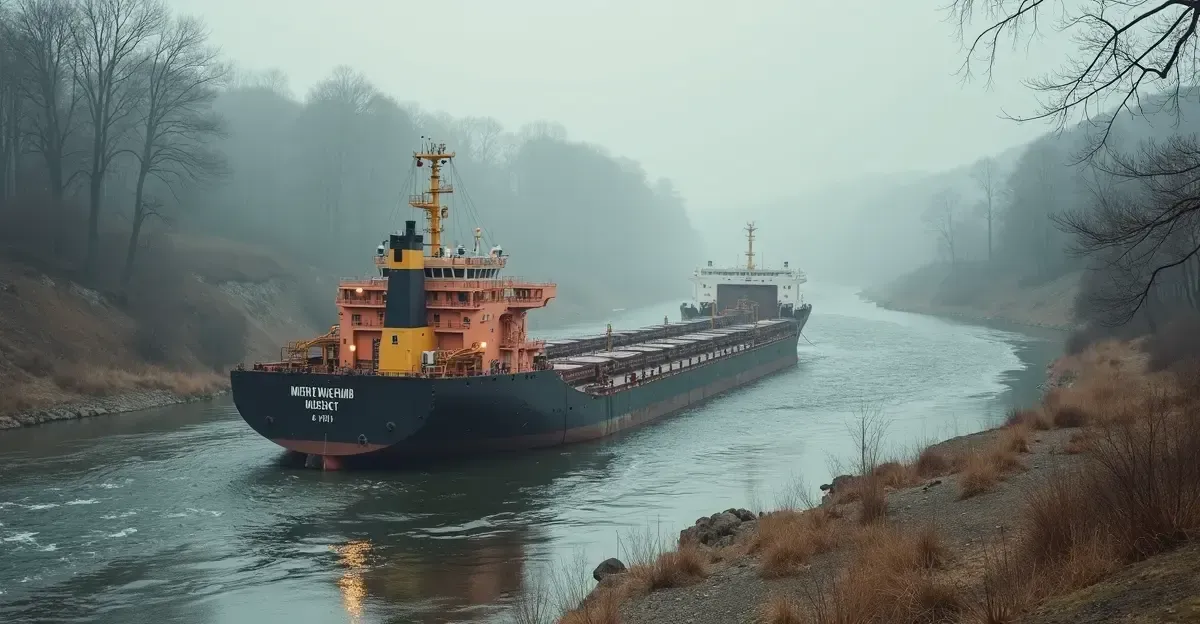
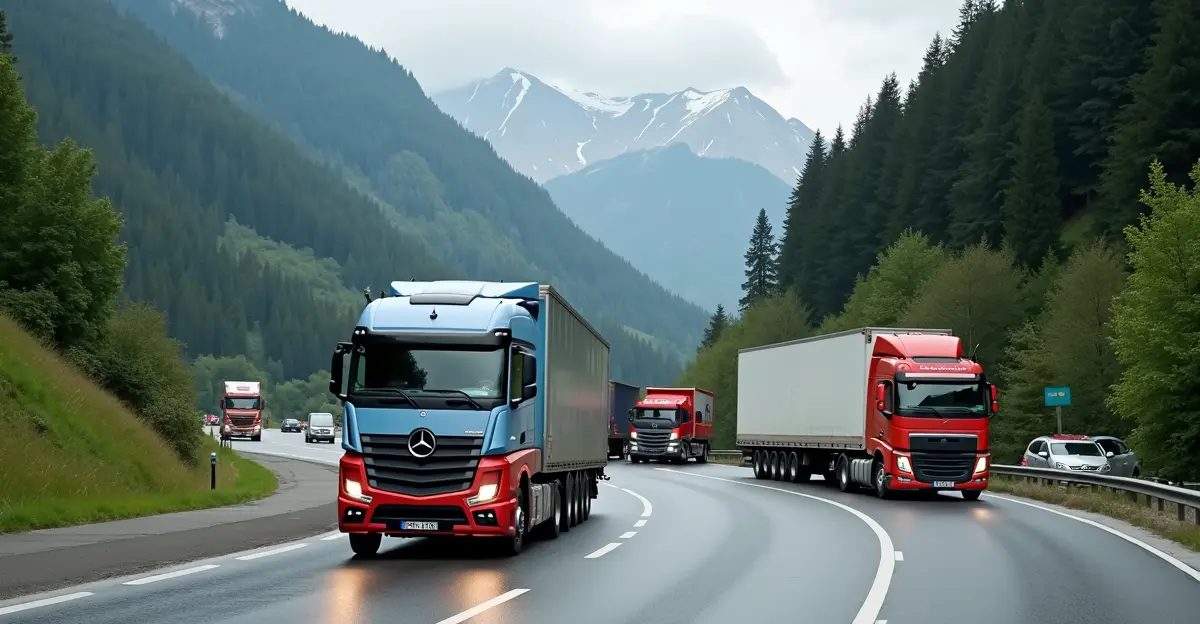
Germany has taken the unprecedented step of suspending its long-standing Sunday and public holiday truck driving ban in several federal states, as record-low water levels on the Rhine river cripple inland shipping. The emergency measure, announced after a crisis meeting on August 6, 2026, allows heavy goods vehicles to operate on Sundays to prevent supply chain breakdowns for key industries, even as the country grapples with a severe truck driver shortage and peak summer vacation traffic.
What Is the German Sunday Truck Ban?
Since 1956, Germany has enforced a strict driving ban for trucks over 7.5 tonnes on Sundays and public holidays from midnight until 10:00 p.m., rooted in the principle of Sunday rest and noise protection in recreational areas. In July and August, additional Saturday restrictions apply on designated motorways under the Ferienreiseverordnung, or Holiday Travel Regulation. The ban is among the most rigid in Europe and is strongly supported by trade unions, who argue it safeguards drivers' health and work-life balance.
Why Was the Ban Lifted?
The decision follows weeks of extreme drought that have pushed the Rhine to historically low levels. At the critical Kaub gauge—the chokepoint for shipping between the North Sea and southern Germany—the water level plunged to just 17 centimeters, the lowest ever recorded. With the navigation channel reduced to roughly 130 centimeters in depth, barges can carry only one-sixth of their usual freight. Transport costs from Rotterdam to Karlsruhe have more than tripled, surging from about €45 to as much as €160 per tonne. The Rhine river shipping crisis threatens major industrial players including BASF, Thyssenkrupp, Shell, and Lanxess, which depend on the waterway for raw materials and chemical shipments.
Which States Are Affected?
Federal Transport Minister Steffen Bilger (CDU) urged all states to adopt the exemption after what he described as an "alarming" low-water conference in Bonn. So far, at least four states have suspended the ban:
- Lower Saxony – bordering the Netherlands, key transit corridor
- North Rhine-Westphalia – Germany's industrial heartland
- Rhineland-Palatinate – home to the BASF chemical complex in Ludwigshafen
- Saarland – heavily reliant on cross-border logistics
Several other states are reportedly considering similar measures, and the exemption is set to remain in place until at least August 31, with the possibility of extension through September 30 if drought conditions persist.
How Does This Affect Vacation Traffic?
The timing could hardly be worse for holidaymakers. The suspension coincides with the peak return travel period, as Dutch families head home through Germany at the end of their summer vacations. School holidays in the northern Netherlands end next weekend, followed by the southern region a week later, and the central region on August 30. With trucks now sharing the autobahn on Sundays, the European summer holiday traffic is expected to be significantly heavier than usual on what have traditionally been the quietest driving days of the week. German motorists' association ADAC has warned of severe congestion on key north-south routes, particularly the A3, A61, and A1 motorways.
Industry and Union Reactions
Logistics industry groups have welcomed the suspension as a necessary emergency measure but caution that it is no panacea. The German truck driver shortage




Follow Discussion