


 Deutsch
 English
 Español
 Français
 Nederlands
 Português

 Share
Share




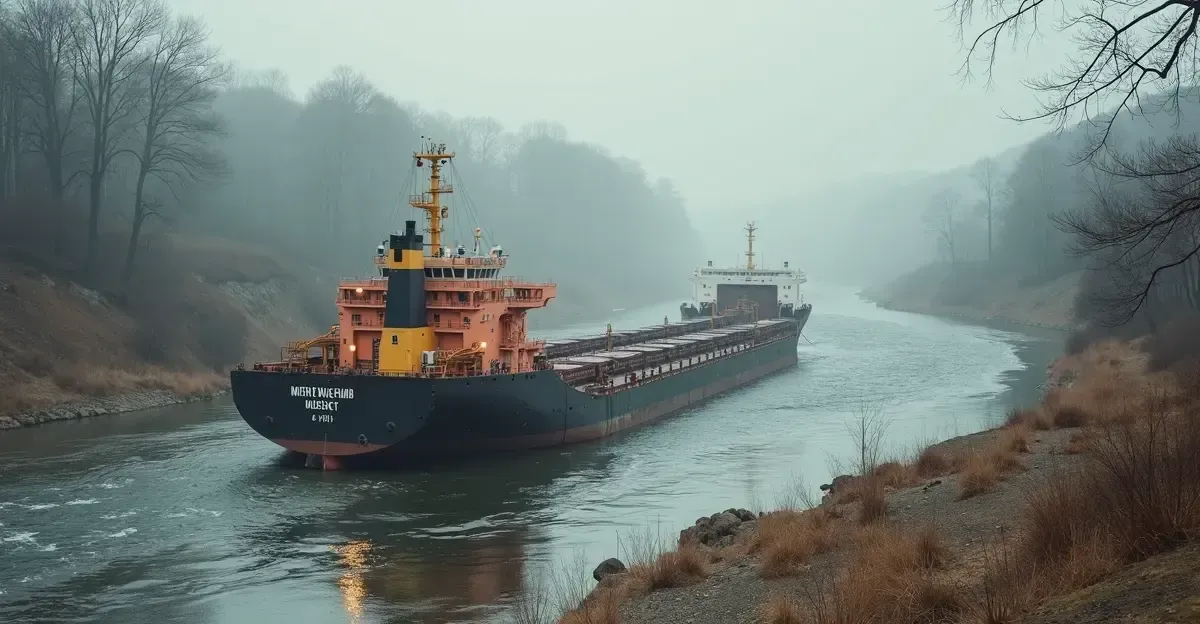
Rhine River shipping is partially blocked as a severe drought pushes water levels to historic lows, threatening billions of euros in economic damage to Germany. At the critical Kaub gauge, the water level has fallen to around 24 centimetres — the lowest since records began in 1880 — far below the 40-centimetre minimum for standard commercial vessels. The situation has effectively split Europe’s most important inland waterway in two, with barges unable to pass the shallowest stretch.
What is happening on the Rhine?
The Rhine is the logistical lifeline of Germany, carrying about 80% of the country’s inland shipping. At Duisburg, Europe’s largest inland port, the shipping channel is now only 1.85 metres deep. Further upstream at Kaub, a key bottleneck, the river has become impassable for nearly all cargo vessels. Roberto Spranzi, a transport operator from Duisburg, checks the water level every morning. “Every plan from yesterday can go in the bin today. I have never experienced this situation before,” he told NOS. Rhine river low water levels have forced carriers to load barges to just 20% of normal capacity to avoid scraping the riverbed.
How does the drought disrupt German industry?
Along the Rhine, major industrial zones have been built over the past century, hosting chemical giants such as Bayer, Henkel and BASF, and steel producers like ArcelorMittal and ThyssenKrupp. These facilities cannot simply stop operations. “They need certain deliveries no matter what,” Spranzi said. To keep critical supplies flowing, he is using the most modern, shallow-draft vessels to squeeze past Kaub.
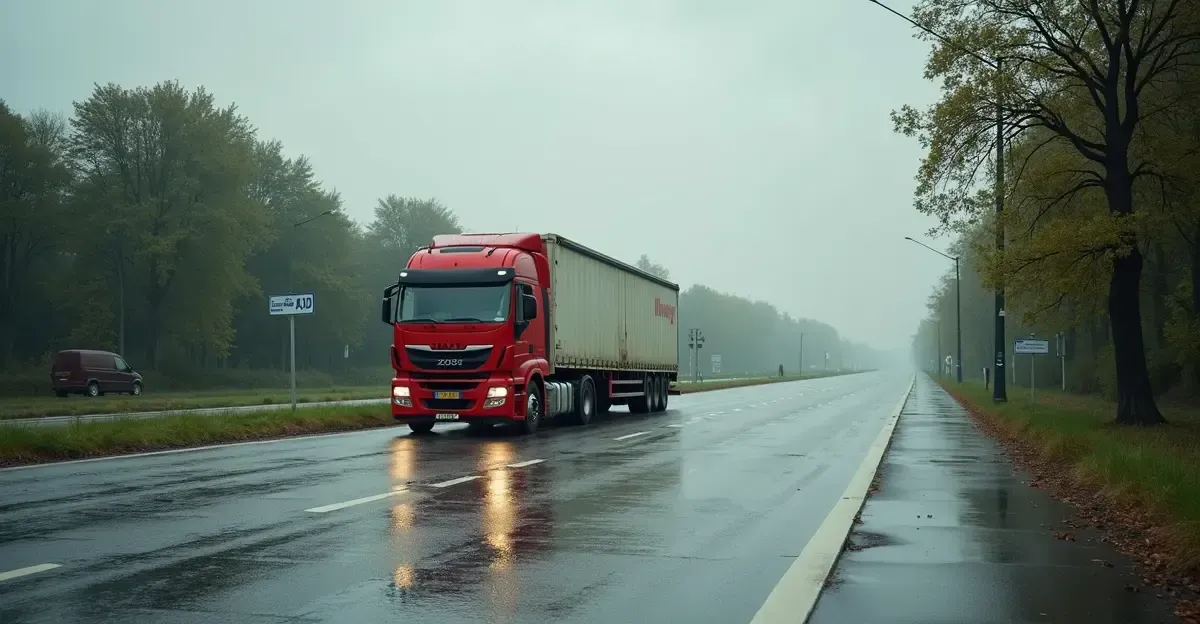
Rail and road can absorb only a fraction of the shortfall. Replacing one ship requires around 100 trucks, a drop in the ocean given the scale of Rhine freight. As a result, German supply chain disruptions are spreading, with ports like Duisburg becoming overcrowded as goods pile up.
Tourism also hit
The drought is not only hitting cargo. A classic Rhine river cruise carrying dozens of Dutch tourists had to turn back at Koblenz. “We turned around and felt the ship scrape the bottom,” one passenger said.
Economic impact: billions at stake
The economic damage is estimated in the billions. The Kiel Institute for the World Economy (IfW) expects the disruption to wipe out Germany’s already weak economic growth this year. Commerzbank estimates that critically low water through mid-September could shave 0.35 percentage points off quarterly GDP, while other economists put Q3 losses at €1–2 billion.
Germany moves roughly 5% of its goods by waterway, and every 30 days of low water cuts industrial production by about 1%. With climate change making such episodes more frequent — the Rhine now depends more on rainfall than on snowmelt from the Swiss Alps — experts warn the problem will recur. Climate change and European waterways are increasingly in the spotlight.
What is being done about the Rhine drought?
There are no quick fixes. Since the previous record low in 2018, an action plan has been drawn up, but implementation has lagged. Proposed measures include building retention basins to store water during wet periods and releasing it during droughts. Deepening the shipping channel is another option, but it is controversial because it can dry out natural banks faster, harming flora and fauna.
Authorities have lifted Sunday trucking bans in some regions to ease bottlenecks, and rail coordination has been streamlined. But transport operator Spranzi is not optimistic: “It is still only August. A low water level you normally expect later in the year.” With little significant rainfall forecast, it remains uncertain how long the Rhine blockage will last and how large the damage to the German economy will be.
FAQ: Rhine River shipping crisis
Why is Rhine shipping blocked?
Record-low water levels, driven by prolonged drought and heat, have made the shallow Kaub stretch impassable for most cargo vessels.
How low is the Rhine water level?
At Kaub, the gauge fell to around 24 centimetres in early August 2026, the lowest since 1880. The navigation threshold for standard barges is about 40 centimetres.
How much could the Rhine drought cost Germany?
Estimates range from €1–2 billion in third-quarter losses, with the Kiel Institute warning it could erase Germany’s entire 2026 economic growth of 0.5%.
Can rail and road replace Rhine shipping?
Only partially. One cargo ship carries the equivalent of about 100 trucks, and rail capacity is already stretched, so the shortfall cannot be fully absorbed.
Is climate change causing Rhine droughts?
Yes. Scientists say the Rhine now depends more on rain than on Alpine snowmelt, and low-water episodes are becoming more frequent and severe.


Follow Discussion