


 Deutsch
 English
 Español
 Français
 Nederlands
 Português


 Share
Share




Western Reservoirs Face Critical Drought Emergency
As 2026 unfolds, water officials across the American West are confronting what Colorado water specialist Michelle Garrison describes as 'exceedingly grim' drought forecasts that threaten to push major reservoirs to crisis points. The situation has triggered emergency measures and urgent policy negotiations that will reshape water management for decades to come.
The Colorado River at a Crossroads
The Colorado River Basin, which supplies water to 35-40 million people across seven western states and Mexico, is experiencing its worst drought in over two decades. According to the National Integrated Drought Information System, 100% of the Colorado River Basin remains in drought conditions, with critical reservoirs like Lake Powell and Lake Mead facing unprecedented challenges.
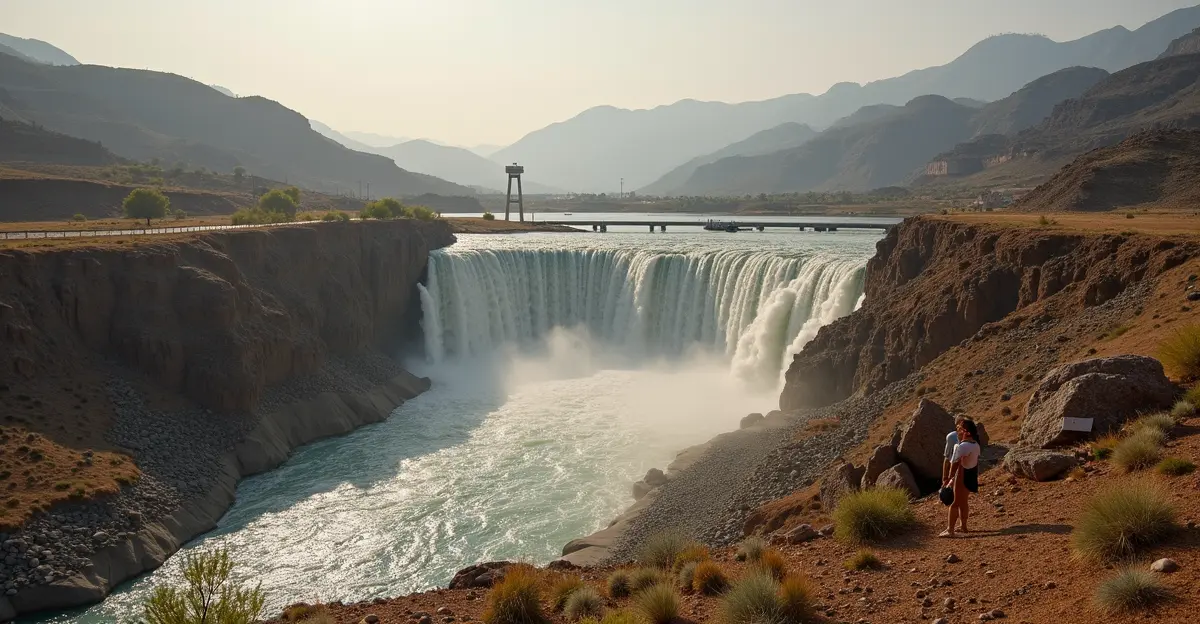
Lake Powell, the Upper Basin's primary drought buffer and key hydropower source, currently sits at an elevation of 3,536 feet - dangerously close to the 3,525-foot threshold that preserves a safety cushion above the 3,490-foot crisis point where Glen Canyon Dam's turbines would stop generating electricity. 'We're looking at potential hydropower generation losses that could affect millions of people,' explains a Bureau of Reclamation official who requested anonymity due to ongoing negotiations.
Emergency Measures and Policy Deadlines
The urgency stems from expiring agreements that have governed Colorado River operations for years. Three major pacts - the 2007 Interim Guidelines, 2019 Drought Contingency Plans, and agreements with Mexico under the 1944 Water Treaty - all sunset at the end of 2026. The Bureau of Reclamation has launched its Colorado River Post-2026 Operations process, releasing a Draft Environmental Impact Statement in January 2026 with a 45-day public comment period running through March 2, 2026.
This represents what water policy experts call a once-in-a-generation reset. 'We're not just tweaking existing rules - we're fundamentally rethinking how we manage water in a climate-changed world,' says Dr. Sarah Chen, a water policy analyst at the Western Water Institute. 'The old assumptions about water availability no longer apply.'
Economic and Community Impacts
The drought emergency extends far beyond water policy into economic markets and local communities. According to reporting from the Colorado Sun, the situation threatens multiple sectors:
- Hydropower Generation: Potential turbine shutdowns at Glen Canyon Dam could affect electricity markets across the Southwest
- Agriculture: Water cuts could impact the $4 billion agricultural economy in the Colorado River Basin
- Tourism and Recreation: Low reservoir levels affect marina operations, fishing, and boating industries
- Municipal Water Supplies: Cities from Las Vegas to Los Angeles face potential restrictions
'This isn't just an environmental issue - it's an economic crisis in the making,' notes Mark Thompson, director of the Colorado River Economic Alliance. 'When reservoirs drop to these levels, entire regional economies feel the impact.'
Scientific Warnings and Climate Realities
A recent study published in Nature Communications provides sobering context. Researchers analyzed streamflow projections from climate models and found that under existing policies, both Lake Powell and Lake Mead face substantial risks (greater than 80% likelihood) of reaching dead pool - where water levels become too low to flow downstream - before 2060.
The study emphasizes that all current policies exhibit tipping points where reservoir levels can change rapidly with slight streamflow variations. 'We're managing a system that's fundamentally changed,' says lead researcher Dr. James Wilson. 'The historical patterns we've relied on for water planning no longer reflect reality.'
Path Forward: Negotiations and Solutions
Negotiations among the seven Basin states, Tribal governments, and federal agencies are currently at a critical phase. Competing proposals range from reservoir elevation triggers to shared reductions across basins. The Lake Powell Chronicle reports that if states fail to reach agreement by mid-2026, the Department of the Interior can impose new rules.
Emergency measures being considered include:
- Reduced winter reservoir releases to conserve storage
- New drought response operations agreements
- Enhanced water conservation programs
- Infrastructure investments in water recycling and desalination
The Cybersecurity and Infrastructure Security Agency has also stepped in, publishing a Drought and Infrastructure Planning Guide in March 2025 to help stakeholders prepare for drought impacts on critical infrastructure.
Looking Ahead
As water officials work against the clock, communities across the West are bracing for changes. 'We need solutions that recognize the new normal,' says Garrison. 'This isn't a temporary drought - it's a fundamental shift in our water reality.' The decisions made in 2026 will determine water security for millions of people and shape regional economies for decades to come, making this reservoir drought emergency one of the most critical environmental and policy challenges of our time.


Follow Discussion